The Best Safaris in Kenya: Your Complete Guide to Unforgettable Wildlife Adventures 🦁
Kenya’s savannas are calling. Whether you’re chasing the Great Migration, tracking the Big Five, or seeking intimate moments with Africa’s most iconic wildlife, Kenya delivers experiences that rewire your soul. This guide walks you through the best safari destinations, what to expect, and how to choose the perfect adventure for your style and budget.Masai Mara: The Crown Jewel 🦒
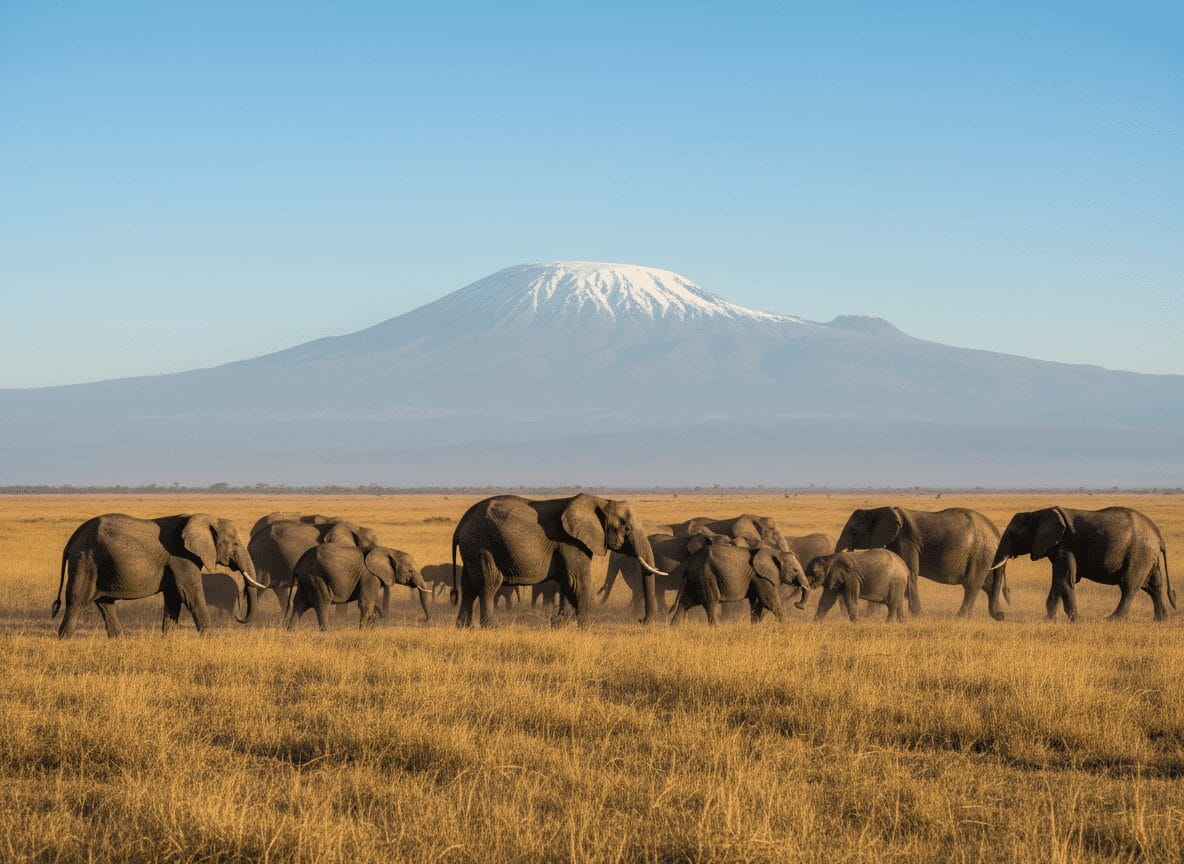
Amboseli: Elephants & Kilimanjaro Views 🐘
Coastal Kenya: Beach, Snorkeling & Marine Life 🐚
Kenya’s coast offers a different safari—one where you trade savanna for sand and wildlife for marine ecosystems. Diani Beach, Watamu, and Malindi combine beach relaxation with snorkeling, dolphin watching, and cultural exploration.
Why Kenya? The Safari Capital of East Africa 🌍
Kenya isn’t just a safari destination—it’s the gold standard. With over 60 national parks and reserves, world-class guides, and landscapes that shift from golden plains to misty highlands, Kenya offers unmatched diversity. From budget-friendly camping safaris to luxury mobile camps, there’s a Kenyan safari for every traveler.The Trunktrails Advantage: We’re native Kenyans who know these lands intimately. Every safari we craft is tailor-made to your interests, budget, and pace—no cookie-cutter itineraries, just authentic connections with the wild and the people who call it home.Road Safari vs. Fly-In Safari: Which Path Should You Choose?
Choosing between a road safari and a fly-in safari is a classic Kenyan traveler’s dilemma, and each style serves up a unique flavor of adventure.Road Safaris: Settle into a trusty 4×4 Land Cruiser or a classic safari van and hit the open road from Nairobi. The journey usually takes about 5 to 6 hours (camp location depending), winding through rolling farmlands and bustling towns. Road trips let you soak up real Kenyan life—you’ll pass roadside fruit stalls, see Maasai herders tending cattle, and cross dramatic escarpments. Road safaris are generally more budget-friendly, making them perfect for groups or families. But be warned: you may encounter a few “African massages” on pothole-prone stretches, especially right before you hit the park gates.Fly-In Safaris: For those craving efficiency and aerial drama, flying is the ticket. Small bush planes (think Safarilink, Air Kenya, or Governors’ Aviation) whisk you from Nairobi’s Wilson Airport direct to an airstrip in the heart of the Mara in just 45 minutes. You’ll trade bumpy roads for bird’s-eye views of the Rift Valley and rolling savanna below—plus, you’ll land with plenty of energy for your first game drive. Fly-in safaris cost more, but they’re a godsend if you’re short on time or simply prefer comfort over long hours on the road.Quick Pros & Cons Recap:- Road Safari
- Pros: Lower cost, immersive countryside views, flexible stops
- Cons: Longer travel time, bumpy roads, can be tiring
- Fly-In Safari
- Pros: Fast and comfortable, scenic aerial views, maximizes game viewing time
- Cons: Higher cost, luggage weight limits, less local village exposure
Safari Vehicles in Kenya and Tanzania: Choose Your Chariot 🚙🛻
When it comes to exploring Kenya’s wild side, your adventure starts with the right set of wheels. Safari vehicles here are purpose-built for discovery, designed to maximize both comfort and critter-spotting.The Main Players
You’ll most commonly ride in one of two options:- Safari Minibuses/Vans: These are the classic workhorses of East African safaris. Custom-fitted with pop-up roofs, they let you stand and scan for lions lurking in the grass without leaving your seat. Think plenty of windows, cushy seats, and good suspension—ideal for budget-friendly group trips or families.
- 4×4 Toyota Land Cruisers: For those craving a bit more muscle, these rugged jeeps are built to tackle the untamed roads and muddy river crossings. Elevated vantage points mean better views, especially handy during the rainy season or in trickier terrain. Each is kitted out with a pop-up roof, plenty of power outlets for your camera, and some even boast Wi-Fi.
Essential Features
Whichever you choose, expect:- Pop-up or open roofs for unobstructed wildlife photography
- UHF radios to help guides share hot animal sightings in real-time
- Knowledgeable Driver-Guides who are storytellers, spotters, and sometimes comedians—all rolled into one
Masai Mara: The Crown Jewel 🦒
What Makes It Special
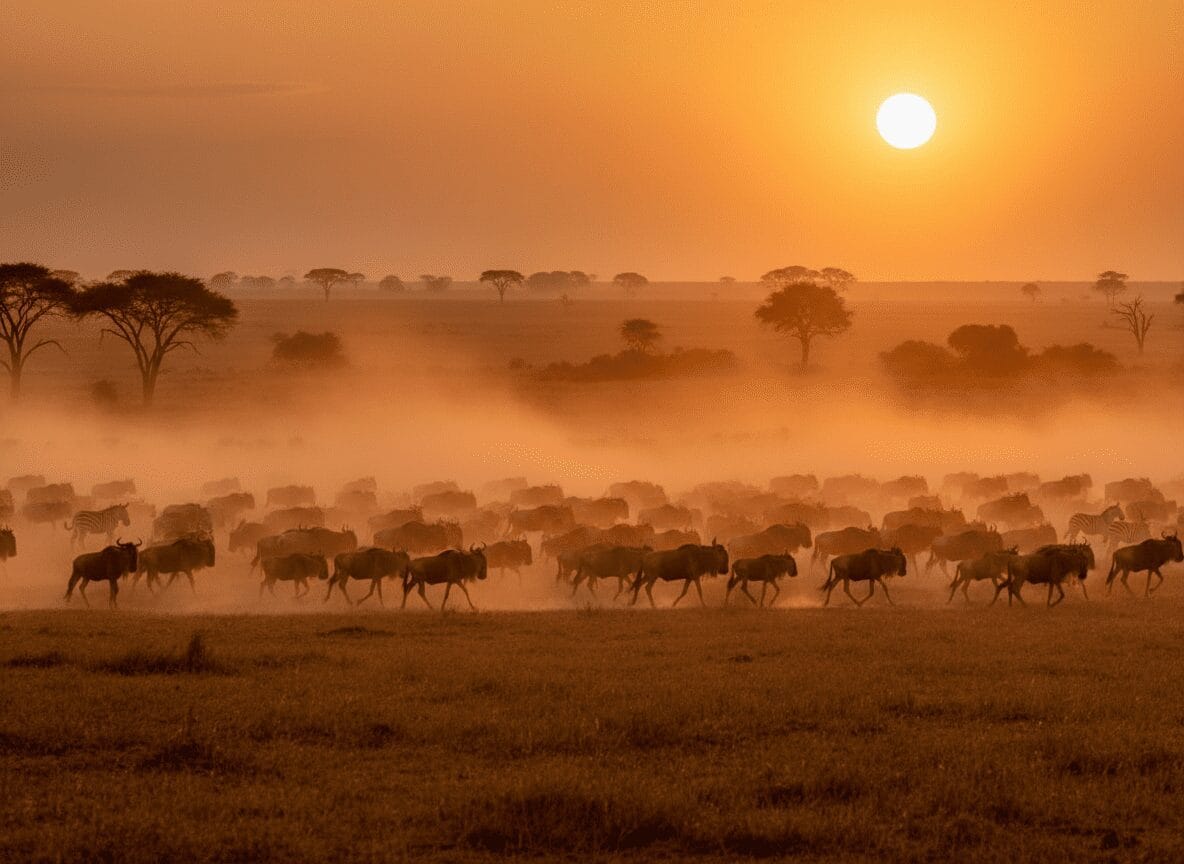
Masai Mara is Kenya’s most famous reserve, and for good reason. Spanning 1,500 square kilometers, it’s a wildlife theater where predator-prey drama unfolds daily. The Big Five roam freely, and during the Great Migration (July–October), over 1.5 million wildebeest and zebras thunder across the plains in one of nature’s most spectacular events.Getting There by Road: Your Options
Traveling to the Masai Mara by road is an adventure in itself, offering a first-hand glimpse of rural Kenya as you wind your way from the bustling streets of Nairobi toward the open savanna. Most journeys begin from the capital, with the entire drive clocking in at about 5 to 6 hours, give or take, depending on your exact camp destination and road conditions.You generally have two choices for wheels: the classic 4×4 Land Cruiser Jeep—renowned for its rugged reliability on rough terrain—or the more economical Safari Minibus (Tour Van), a solid choice for those traveling on a tighter budget without sacrificing too much in comfort or wildlife visibility.While road safaris are typically friendlier to your wallet and offer plenty of scenic stops and local life along the way, be prepared for a bit of bump and rumble. Certain stretches can be a little rough around the edges—think potholes and corrugated gravel—but most travelers see it as part of the adventure. If you’re game for an authentic road trip, the journey to the Mara is just as memorable as the destination itself.Best For
- Great Migration seekers: Witness millions of animals crossing crocodile-infested rivers
- Photography enthusiasts: Golden light, dense wildlife, and dramatic backdrops
- Big Five hunters: Lions, leopards, elephants, buffalo, and rhinos in abundance
- Adventure lovers: Hot air balloon safaris, night drives, and guided bush walks
Fly-In Safaris: Effortless Access to the Masai Mara
If you’re short on time or simply want to skip the long, bumpy drives from Nairobi, a fly-in safari is your golden ticket. These adventures start at Wilson Airport in Nairobi, where small aircraft whisk you straight to the heart of the Masai Mara in under an hour—a game-changer for accessing more remote or exclusive camps.Once you touch down on a bush airstrip (think small planes, big horizons), your camp’s expert guide greets you, ready to whisk you off in a 4×4 safari vehicle. You’ll usually arrive in time for lunch, already immersed in the Mara’s wild rhythms. The entire experience is seamless: flights, transfers, and all your game drives are orchestrated by your lodge or camp, so you can focus on the real business—spotting lions before breakfast and sipping sundowners under an endless sky.Romantic Safaris: Honeymoon Packages in the Masai Mara
Searching for an unforgettable honeymoon in the heart of the wild? The Masai Mara offers exclusive honeymoon packages designed for couples seeking romance with an adventurous twist. Imagine private tented suites with sweeping savanna views, candlelit dinners under endless stars, and sunrise hot air balloon rides for two.Many luxury camps—like Governors’ Camp, Angama Mara, and Mara Bushtops—specialize in curated experiences just for newlyweds. These often include private game drives, spa treatments, and bespoke surprise moments, making your first adventure as a married couple one you’ll cherish forever. Whether you dream of laid-back luxury or wild adventure, the Mara sets the stage for the ultimate romantic escape.What You’ll Experience
Expect early morning game drives through rolling grasslands where lions lounge under acacia trees and cheetahs hunt across open plains. Afternoon drives reveal different wildlife as animals move to water sources. Evening game drives and night drives (with specialized guides) offer chances to spot nocturnal predators and smaller creatures.Getting There: Nairobi to Masai Mara by Road
If you’re setting out from Nairobi, plan for a scenic drive that usually takes between 5 and 6 hours to reach the heart of the Masai Mara. Travel time can vary based on your chosen entry gate or camp location, and road conditions—sometimes a little bumpy, always unforgettable. Along the way, you’ll pass through the Great Rift Valley, with its sweeping vistas and vibrant roadside markets—so don’t be surprised if you’re tempted to make a few photo stops en route before your safari journey even begins.Getting There: Nairobi to Masai Mara by Air
Short on time or eager to maximize your adventure? Flying from Nairobi to the Masai Mara is the quickest and most hassle-free option. Close your laptop in the city and, just under an hour later, you’re touching down in the heart of the action.Flights depart daily from Wilson Airport in Nairobi, whizzing you over the Great Rift Valley before you land at one of the Mara’s airstrips—often in time for lunch. On arrival, you’ll be met by your camp or lodge’s safari vehicle and expert guide, ready to whisk you straight into your first game drive or deliver you to your tented hideaway. No traffic jams, no wasted daylight—just a seamless leap from city buzz to savanna serenity.Best Time to Visit
- Great Migration: July–October (peak season, higher prices)
- Calving season: January–March (dramatic predator-prey action)
- Shoulder seasons: April–June, November–December (fewer crowds, good wildlife)
Accommodation Options
- Budget: Guesthouses and basic camps ($30–$60/night)
- Mid-range: Comfortable lodges with good amenities ($80–$150/night)
- Luxury: High-end resorts, private villas, and exclusive eco-lodges ($200+/night)
Typical Durations & Price Ranges for Fly-In Safaris
Wondering how long to stay and what to expect for your budget? Fly-in safaris to the Masai Mara come in a range of durations to match your travel style:- 2-Day Adventures: Perfect for those short on time but big on excitement—ideal for a whirlwind wildlife escape. Prices generally start around $850 and can go up to $1,050 per person, covering flights, park fees, game drives, and accommodations.
- 3-Day Classic Safaris: Our most popular choice! A three-day, two-night trip gives you ample time for sunrise and sunset game drives and a true taste of the Mara. Expect to budget between $1,150 and $1,500, depending on your lodge and level of comfort.
- 4-Day Immersions: For those who want to soak up every golden hour, a four-day itinerary lets you explore deeper and even venture to quieter corners of the reserve. Rates typically range from $1,260 to $1,785 per person.
Masai Mara Safari Packages for 2025 & 2026: Something for Every Traveller
When it comes to exploring the Masai Mara, there’s no shortage of ways to tailor your adventure. For 2025 and 2026, safari packages come in all flavors—whether you crave an effortless fly-in experience or prefer the road trip spirit with scenic Kenyan countryside en route. Here’s how you can safari your way:Fly-In Safaris
Short on time or just love a sprinkle of luxury? Hop aboard a bush plane from Nairobi’s Wilson Airport and you’ll be in the heart of the Mara in under an hour—perfect for those seeking more time tracking cheetahs and sipping sundowners. Once you land, you’re whisked off to your chosen lodge, and from there it’s all about expert-led game drives in custom 4×4 vehicles.- 2–4 day packages: Efficient and seamless, ideal for travelers wanting to maximize wildlife viewing with a quick city escape.
- Why choose fly-in?
- Hassle-free connections
- Remote, intimate camps
- More time for game viewing, less on the road
Road Safaris
Looking for adventure with a dash of local flavor? Road safaris typically depart from Nairobi, journeying overland by comfortable 4×4 Land Cruisers or budget-friendly safari vans. Expect a 5–6 hour drive—plenty of time to watch the landscape transform from bustling city to open savanna.- 3–7 day packages: Ranging from easygoing budget tours to splashy luxury expeditions, there’s a fit for every style and wallet.
- Road safari highlights:
- Lower overall costs—more bang for your buck
- See authentic Kenyan villages and countryside as you travel
- Flexible for groups and families
Package Options at a Glance
- Budget: Stay in simple camps or guesthouses—ideal for travelers who want authentic adventure without frills.
- Mid-Range: Enjoy comfortable lodges with solid amenities, striking a great balance between comfort and value.
- Luxury: Immerse yourself in exclusive tented camps, private villas, and all the personalized touches—think gourmet dining and panoramic views right from your deck.
Amboseli: Elephants & Kilimanjaro Views 🐘
What Makes It Special
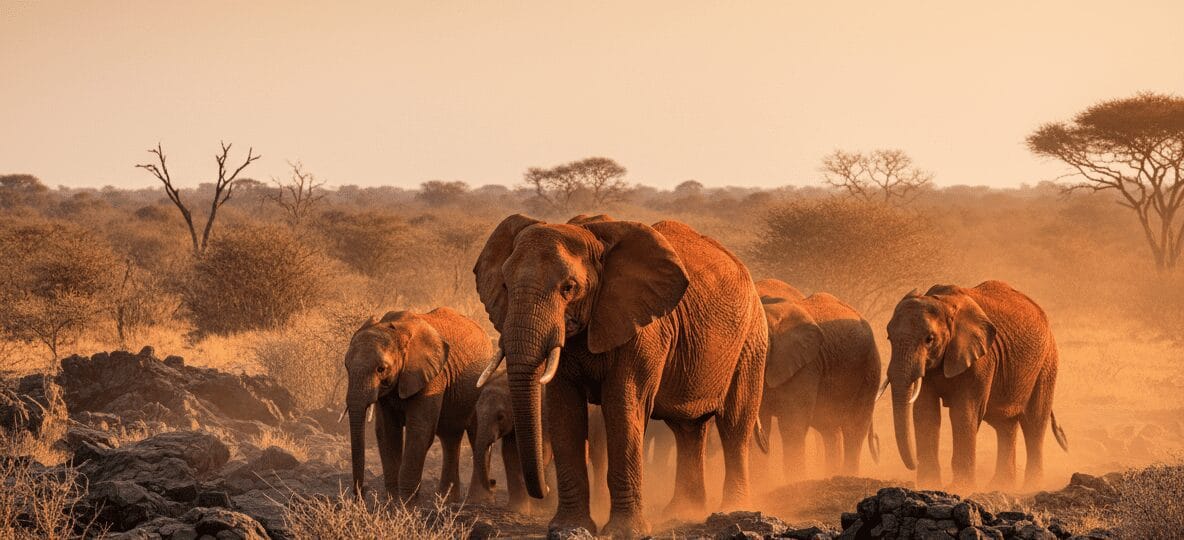
Amboseli is Kenya’s elephant sanctuary. Home to over 1,500 elephants, it’s one of the best places on Earth to observe these gentle giants up close. The backdrop? Mount Kilimanjaro, Africa’s tallest peak, rising majestically across the Tanzanian border.Best For
- Elephant lovers: Habituated herds, family groups, and intimate encounters
- Mountain views: Stunning Kilimanjaro photography and sunrise moments
- Cultural immersion: Maasai communities and traditional pastoralist life
- Birdwatchers: Over 400 bird species in wetland habitats
What You’ll Experience
Game drives focus on elephant tracking through acacia woodlands and wetlands. You’ll witness family dynamics, feeding behavior, and the wisdom of matriarchs. Guided walks with Maasai guides offer cultural insights and closer encounters with smaller wildlife.Best Time to Visit
- Dry season: June–October (best elephant viewing, clearer Kilimanjaro views)
- Green season: November–May (lush landscapes, fewer tourists)
Accommodation Options
- Budget: Simple lodges ($30–$80/night)
- Mid-range: Comfortable safari lodges ($100–$180/night)
- Luxury: Premium resorts with Kilimanjaro views ($250+/night)
Lake Nakuru & Lake Naivasha: Birding & Rhino Conservation 🦅
What Makes It Special
These twin lakes offer a different safari experience. Lake Nakuru is famous for its rhino sanctuary and flamingo populations, while Lake Naivasha combines water-based safaris with walking adventures and cultural encounters.Best For
- Birdwatchers: Flamingos, eagles, herons, and 400+ bird species
- Rhino conservation enthusiasts: Viewing endangered black and white rhinos
- Photographers: Stunning water reflections and diverse wildlife
- Active travelers: Boat safaris, walking safaris, and Crescent Island walks
What You’ll Experience
Lake Nakuru offers game drives through acacia forests with rhino sightings and flamingo viewing. Lake Naivasha combines vehicle safaris with boat trips spotting hippos and water birds, plus guided walks on Crescent Island where giraffes, zebras, and impalas roam freely.Best Time to Visit
- Year-round destination (flamingo populations vary seasonally)
- Best for rhinos: June–October (dry season)
Accommodation Options
- Budget: Guesthouses ($30–$70/night)
- Mid-range: Lakeside lodges ($90–$160/night)
- Luxury: Exclusive resorts and private villas ($200+/night)
Tsavo East & West: The Red Elephant Country 🔴
What Makes It Special
Tsavo is Kenya’s largest ecosystem, spanning 22,000 square kilometers. Famous for its red elephants (stained by volcanic soil), dramatic landscapes, and raw wilderness feel, Tsavo offers a more rugged, less-crowded safari experience.Best For
- Adventure seekers: Remote landscapes and authentic wilderness
- Red elephant photography: Unique wildlife and volcanic terrain
- Solitude lovers: Fewer tourists than Mara or Amboseli
- Diverse wildlife: Lions, leopards, buffalo, and diverse bird species
What You’ll Experience
Game drives reveal vast plains, volcanic rock formations, and the famous Mzima Springs (where you can snorkel and spot hippos and crocodiles underwater). Night drives offer excellent predator viewing.Best Time to Visit
- Dry season: June–October (best wildlife concentration)
- Green season: November–May (lush landscapes, fewer crowds)
Accommodation Options
- Budget: Basic camps ($25–$60/night)
- Mid-range: Comfortable lodges ($80–$150/night)
- Luxury: Exclusive eco-lodges and private camps ($200+/night)
Ol Pejeta & Solio Ranch: Conservation & Chimpanzees 🐵
What Makes It Special
These conservancies focus on wildlife protection and education. Ol Pejeta is home to Kenya’s only chimpanzee sanctuary and a thriving rhino conservation program. Solio Ranch specializes in rhino breeding and protection.Best For
- Conservation-minded travelers: Supporting active protection efforts
- Primate enthusiasts: Chimpanzee encounters and primate research
- Walking safari lovers: Guided walks through pristine habitats
- Photographers: Intimate wildlife moments and conservation stories
What You’ll Experience
Guided walks with expert naturalists reveal wildlife in their natural habitat. Chimpanzee viewing at Ol Pejeta offers insights into primate behavior. Conservation talks and ranger-led experiences deepen your understanding of protection efforts.Best Time to Visit
- Year-round destination
- Best for wildlife: June–October (dry season)
Accommodation Options
- Mid-range: Comfortable lodges ($100–$180/night)
- Luxury: Exclusive eco-lodges and private camps ($250+/night)
Coastal Kenya: Beach, Snorkeling & Marine Life 🐚What Makes It Special
Kenya’s coast offers a different safari—one where you trade savanna for sand and wildlife for marine ecosystems. Diani Beach, Watamu, and Malindi combine beach relaxation with snorkeling, dolphin watching, and cultural exploration.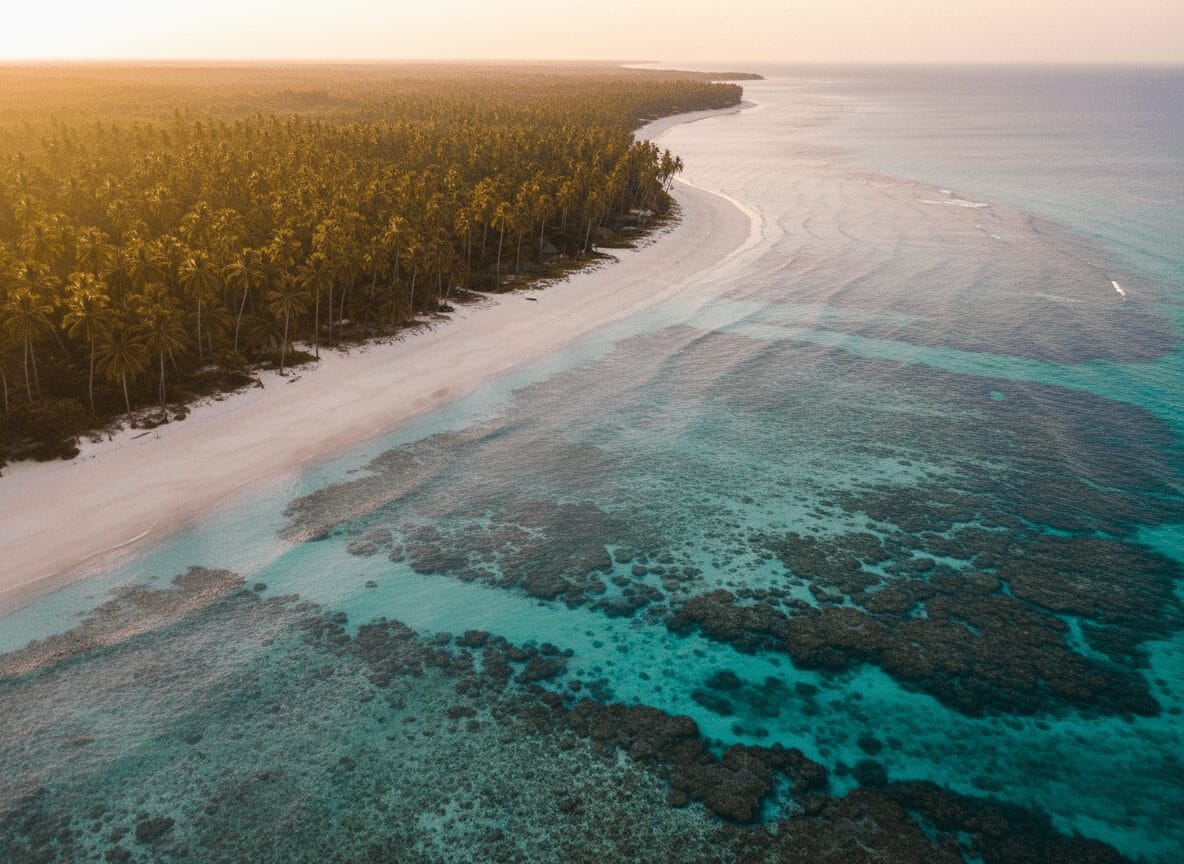
Best For
- Beach & safari combo seekers: Wildlife and relaxation in one trip
- Marine enthusiasts: Snorkeling, dolphin watching, and whale season (July–October)
- Cultural explorers: Swahili heritage, local markets, and coastal villages
- Photographers: Coral reefs, tropical fish, and sunset moments
What You’ll Experience
Boat safaris search for dolphins and whales, snorkeling reveals vibrant coral reefs and tropical fish, and guided cultural tours showcase Swahili traditions. Beach time balances adventure with relaxation.Best Time to Visit
- Dry season: June–October (best whale watching, calm seas)
- Green season: November–May (warm, fewer tourists)
Accommodation Options
- Budget: Beach guesthouses ($30–$80/night)
- Mid-range: Beachfront hotels ($100–$200/night)
- Luxury: Premium resorts and private villas ($250+/night)
Cross-Border Adventures: Tanzania & Beyond 🌐
Serengeti & Ngorongoro (Tanzania)
Extend your safari into Tanzania for the Serengeti’s endless plains and Ngorongoro Crater’s wildlife-packed caldera. These destinations pair perfectly with Masai Mara for an epic East African adventure.Gorilla & Chimp Trekking (Uganda & Rwanda)
For primate encounters beyond Kenya, venture into Uganda’s Kibale Forest or Rwanda’s Volcanoes National Park for mountain gorilla and chimpanzee trekking—bucket-list experiences.Choosing Your Perfect Safari: A Quick Checklist ✓
Budget-conscious?- Short safaris (1–4 days) in Lake Nakuru or Amboseli: $650–$1,100
- Basic accommodation and shared game drives
- Standard safaris (5–7 days) in Masai Mara or Tsavo: $850–$1,500
- Comfortable lodges and guided experiences
- Extended safaris (8–10+ days) combining multiple destinations: $1,835–$2,200+
- Luxury accommodation, private guides, and exclusive experiences
- 10-day multi-destination safaris: $2,650+
- Flights, accommodation, meals, and expert guides included
Sample Safari Price Ranges
To help you plan, here’s a snapshot of typical Kenya safari packages and price ranges:- 5 days Kenya Safari: $955–$1,815 Perfect for first-timers or those wanting to experience iconic parks like Masai Mara and Lake Nakuru.
- 5 days Luxury Safari: $1,630–$3,380 Upscale lodges, private vehicles, and immersive experiences.
- 6 days Kenya Safari: $1,200–$2,205 Ideal for those wanting a bit more depth, usually covering multiple parks with varied landscapes.
- 7 days Kenya Safari: $1,420–$2,625 A week-long adventure for deeper wildlife encounters and slower-paced exploration.
What’s Included in a Trunktrails Safari? 📋
- Expert guides: Native Kenyans with deep wildlife and cultural knowledge
- Game drives: Early morning and afternoon excursions in 4×4 vehicles allow you to explore the savannah in comfort and safety. Most safaris use either open-roof tour minibuses/vans or rugged Toyota Landcruiser jeeps, both fully customized for game viewing. Outfitted with pop-up roofs for unobstructed wildlife spotting and UHF radios for real-time updates from rangers in the park, these vehicles ensure you won’t miss a thing. Whether you’re joining a guided tour or arranging your own adventure with a knowledgeable driver-guide, these vehicles are designed to maximize both your wildlife encounters and your overall safari experience.
- Accommodation: Your choice of budget, mid-range, or luxury options
- Meals: Full board or flexible options depending on your package
- 24/7 support: Direct communication from inquiry to post-trip
- Flexible itineraries: Tailor-made to your interests and pace
- Conservation contribution: 5% of every booking funds anti-poaching and community projects
Pro Tips for Your Kenya Safari 🎒
- Pack layers: Early mornings are cool; afternoons are warm
- Bring binoculars: Spot distant wildlife and birds
- Respect wildlife: Maintain safe distances and follow guide instructions
- Charge devices: Bring power banks for cameras and phones
- Be flexible: Weather and wildlife behavior may shift your itinerary
- Engage with guides: Their stories and knowledge enrich your experience
- Contribute to conservation: Ask how your safari supports local communities