
Best Binoculars for Safari Kenya: A First-Timer’s Optics Guide 🦁
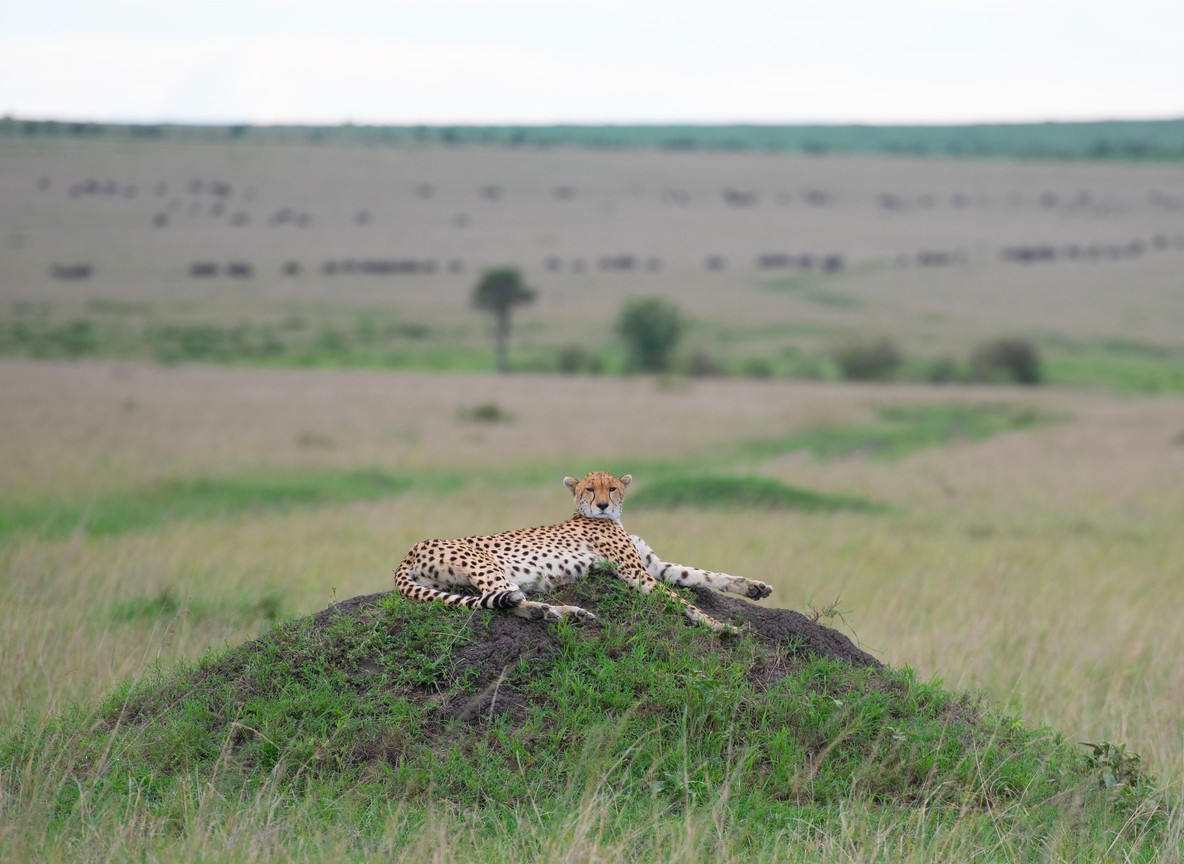
Choosing the best binoculars for safari Kenya is the single upgrade that changes how a first-timer sees the wild. A lion resting 300 metres across the Mara plain looks like a tan smudge to the naked eye, yet through a good pair of 8×42 binoculars you can count its scars and read its mood. At Trunktrails Safaris, we hand guests optics on nearly every drive, and we watch the same thing happen each time: the safari suddenly gets closer. This guide gives you real specs, named models, indicative prices, and the park distances that shape your choice, so you pack the right glass the first time.
You do not need the most expensive pair on the shelf. You need the right numbers for the job, and a little knowledge about how our parks actually work.
What the Numbers Mean: Safari Binoculars Magnification Explained
Every pair of binoculars carries two numbers, such as 8×42. The first is magnification, so 8x makes an animal look eight times closer. The second is the objective lens diameter in millimetres, which controls how much light enters. Bigger lenses gather more light and give a brighter image at dawn and dusk, when Kenya’s wildlife is most active.
For safari binoculars magnification, more is not always better. High power magnifies every shake of your hands and every bump of a moving vehicle. It also narrows your field of view, so a fast-moving cheetah slips out of frame. First-timers do best with steady, wide, bright optics rather than raw zoom.
| Spec | What it controls | Safari sweet spot |
|---|---|---|
| Magnification (first number) | How close the subject appears | 8x to 10x |
| Objective lens (second number) | Brightness in low light | 32 mm to 42 mm |
| Field of view | How wide a scene you see | 6.5 to 8 degrees |
| Exit pupil | Dawn and dusk brightness | 4 mm or higher |
| Weight | Comfort on long drives | Under 700 grams |
Aim for a field of view above 120 metres at 1,000 metres. That width lets you follow a wild dog pack or a bird lifting from a fever tree without losing the moment.
8×42 vs 10×42 Binoculars: Which Wins on a Kenya Safari?
The 8×42 vs 10×42 binoculars debate is the one question we field most from first-timers. Both are excellent all-rounders, and the choice comes down to how and where you plan to watch.
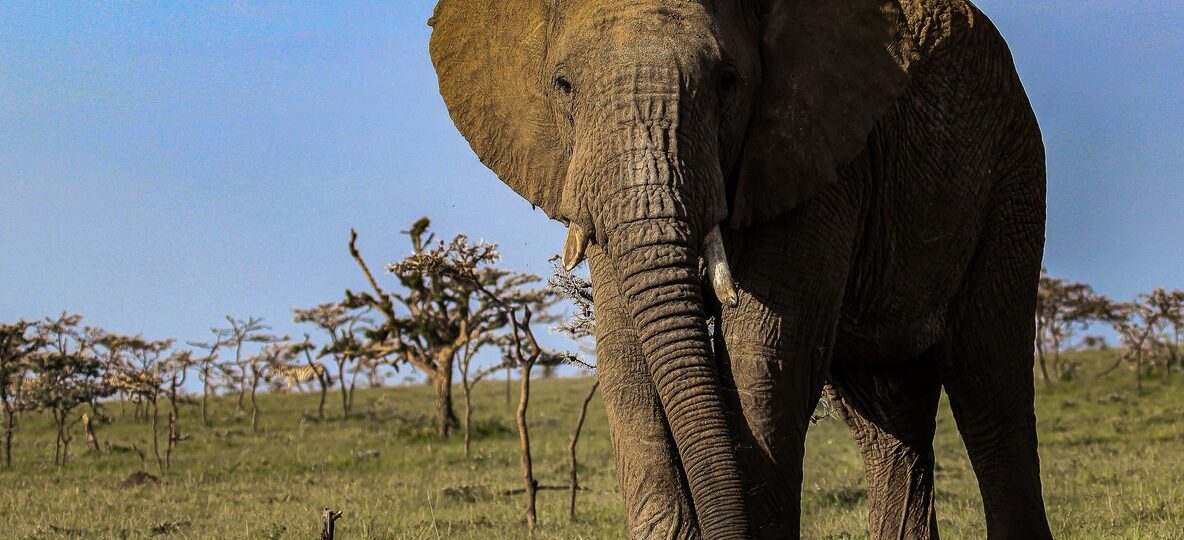
An 8×42 gives a wider, brighter, steadier image. It shines in dense settings like the forests of Aberdare or the acacia woodland of Lake Nakuru, where animals appear at closer range and pop up fast. A 10×42 pulls distant subjects nearer, which helps on the wide open floors of Amboseli and the Masai Mara, where a rhino or a lone tusker may stand a kilometre away.
Here is the honest rule we give guests. If this is your first safari and your hands are not rock steady, choose 8×42. The extra brightness and stability make wildlife easier to find and hold. If you have used binoculars before, want reach for open plains, and can brace against the vehicle frame, 10×42 rewards you. Neither is wrong. Both beat the naked eye by a mile.
| Feature | 8×42 | 10×42 |
|---|---|---|
| Best terrain | Forest, woodland, close sightings | Open plains, distant subjects |
| Image brightness | Brighter | Slightly dimmer |
| Field of view | Wider | Narrower |
| Hand shake | Very forgiving | Needs a steady brace |
| Best for | First-timers, families, children | Keen watchers, birders, photographers |
Best Binoculars for Wildlife Viewing: Named Models and Indicative Prices
The best binoculars for wildlife viewing span every budget, and you can have a fine safari at any tier. Below are trusted models we see in the field, grouped by price. These are indicative ranges in US dollars, not fixed quotes, since prices shift by retailer and season. Always confirm the current price before you buy.
| Tier | Named model | Spec | Indicative price (USD) |
|---|---|---|---|
| Entry | Celestron Nature DX | 8×42 | 130 to 170 |
| Entry | Bushnell H2O | 10×42 | 90 to 140 |
| Mid | Nikon Monarch M5 | 8×42 | 270 to 330 |
| Mid | Vortex Diamondback HD | 10×42 | 230 to 300 |
| Upper mid | Nikon Monarch M7 | 8×42 | 480 to 560 |
| Premium | Zeiss Conquest HD | 10×42 | 1,000 to 1,200 |
| Premium | Swarovski EL | 8.5×42 | 2,400 to 2,900 |
For most first-timers, a mid-tier pair such as the Nikon Monarch M5 or the Vortex Diamondback HD hits the sweet spot of sharp glass, waterproof build, and fair price. If you plan many future safaris or serious birding, upper-mid or premium optics hold their edge and their value for years. If you want a light, cheap pair simply to try the hobby, the Celestron Nature DX is a genuine bargain.
Binoculars for Safari Beginners: Features That Actually Matter
When we outfit binoculars for safari beginners, we look past the marketing and check five practical things. These separate a joy from a frustration on a long, dusty drive.
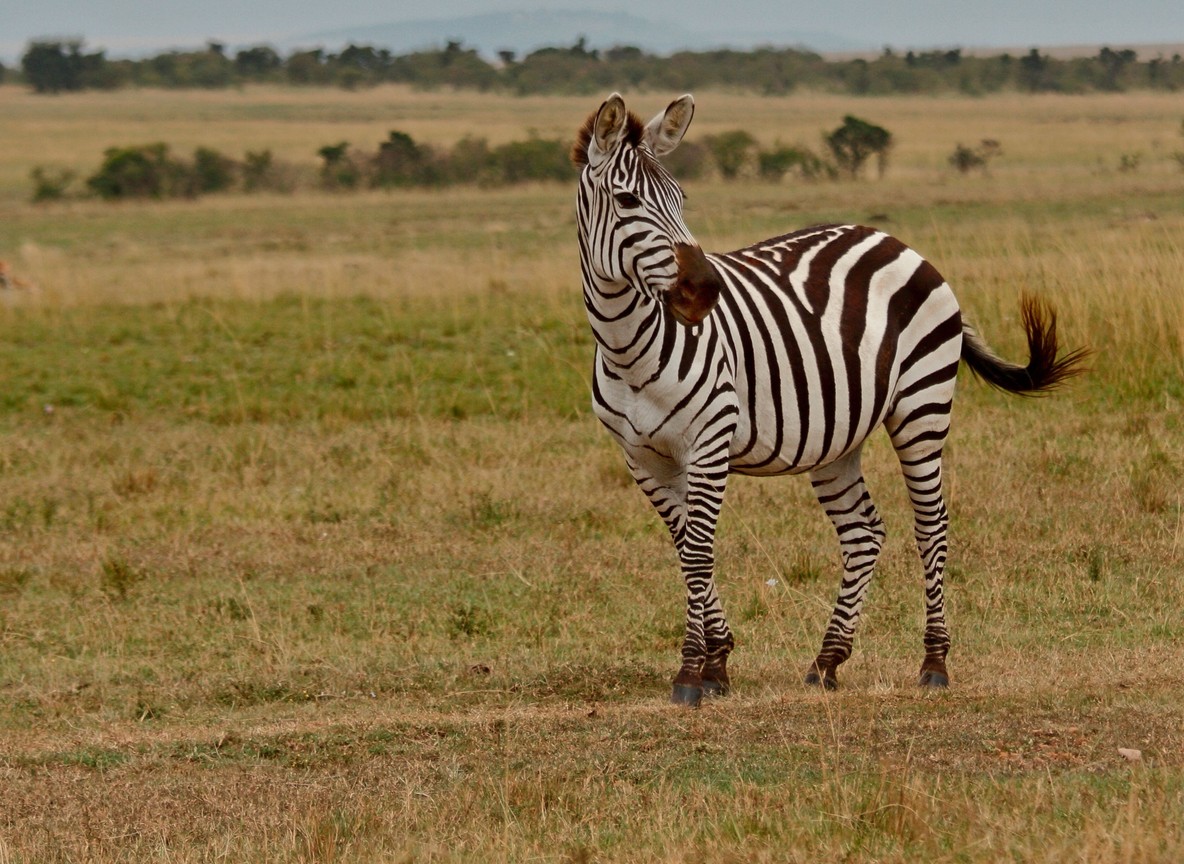
First, weight. Anything above 700 grams grows heavy on a full-day drive, so lighter roof-prism designs suit most travellers. Second, waterproof and fog-proof sealing, since Kenya’s short rains and cool dawns fog cheap lenses fast. Third, a comfortable eye relief of at least 15 mm, which matters hugely if you wear glasses. Fourth, a smooth central focus wheel you can turn with one finger while your other hand steadies the pair. Fifth, a proper neck strap or harness, because a swinging pair on a bumpy track bruises ribs and cracks lenses.
Skip zoom binoculars, tiny 25 mm compacts, and anything above 12x for a first safari. Zoom models are dim and fragile, small lenses struggle at dawn, and very high power is impossible to hold steady from a moving vehicle. Simple, sealed, mid-sized optics win every time.
Where You Watch: Kenya Park Distances That Shape Your Optics Choice
Your glass should match the ground you cover. Kenya’s parks differ in size and sightlines, so the reach you need changes from place to place. These are real figures to plan around, with drive and flight times from Nairobi.
| Park | Size (km2) | From Nairobi | Typical sighting distance | Optics tip |
|---|---|---|---|---|
| Masai Mara | 1,510 | 5 to 6 hr drive, 45 min flight | 200 to 800 m across plains | 10×42 for reach |
| Amboseli | 392 | 4 to 5 hr drive, 45 min flight | Close near swamps, far on flats | 8×42 or 10×42 |
| Lake Nakuru | 188 | 2.5 to 3 hr drive | 50 to 300 m, lakeshore | 8×42, wide view |
| Tsavo East | 13,747 | 5 to 6 hr drive | Long, open, dusty | 10×42 for scale |
| Aberdare | 766 | 3 to 4 hr drive | Close, forested, dim light | 8×42, bright |
On the open floors of the Mara and Tsavo, extra magnification earns its keep. In the forests of Aberdare or along the flamingo shallows of Lake Nakuru, a wide, bright 8×42 serves you better. If you are visiting several parks on one trip, an 8×42 is the most versatile single pair to carry, which is why it is our default recommendation for tours and safaris across mixed terrain.
The Trunktrails Advantage
At Trunktrails Safaris, you never have to gamble on gear before you arrive. As a Kenyan-owned operator, we keep quality binoculars in every vehicle, and our guides teach you to use them in the first ten minutes of your first drive. That means a nervous first-timer is finding birds and framing lions before the dust settles on day one.
Our guides grew up reading these plains, and they know exactly when reach matters and when a wide, bright view wins. They position the vehicle so the light sits behind you, brace the frame so your 10×42 stays steady, and call the sighting early so you lift your glass in time. If you bring your own pair, we help you dial the focus and diopter for your eyes. If you do not, ours are ready and clean. We also share honest buying advice with no sales pressure, since our only goal is that you see more. When you book tours and safaris with Trunktrails Safaris, the optics, the knowledge, and the patience come as one package. That grounding is the difference between squinting at a smudge and watching a leopard breathe. 📸
See More on Your First Kenya Safari
The best binoculars for safari Kenya are the ones matched to your hands, your budget, and the parks on your route. Choose 8×42 for a bright, forgiving, do-everything pair, or 10×42 for extra reach on the open plains. Pick a sealed, mid-weight model from a trusted maker, and skip the zoom gimmicks. Then let the wild come close.
Further reading
More safari planning resources
- Nairobi to Maasai Mara route guide from Valley Safaris
- Best safaris in Kenya on Touring Insights
- Compare Kenya safari packages on FindMySafari
- Rift Valley lakes map from Valley Safaris
Tell us where you dream of going, and we will build the trip and hand you the glass. Message Trunktrails Safaris on WhatsApp at +254 113 208888, email info@trunktrailssafaris.com, or visit trunktrailssafaris.com to start planning your first Kenya safari. Our tours and safaris put the right glass in your hands and the right guide at your side. Bring your curiosity, and we will bring the rest. 🐘