Best Binoculars for a Safari: 2026 Buyer’s Guide
Finding the best binoculars for a safari matters more than most first-time travelers expect. A camera zoom freezes a single frame. Binoculars let you watch a leopard move through riverine brush, or track a martial eagle stooping on a hare, in real time and with both eyes. Pack the wrong pair and you spend your game drives fumbling with focus wheels instead of watching the Maasai Mara at eye level. 🐆
This guide breaks down magnification, lens size, weight, and price so you can pick a pair that earns its space in your kit bag. Trunktrails Safaris outfits guests across Kenya’s parks and conservancies every week. Optics questions come up on almost every pre-trip call, and this is the same advice our guides give before a client boards a flight to the Mara or Amboseli.
Safari Binoculars at a Glance
Before comparing models, it helps to understand what the numbers on the box actually mean. Every binocular is labeled with two figures, such as 8×42. The first number is magnification, the second is the objective lens diameter in millimeters.
| Spec | What It Means | Best For Safari |
|---|---|---|
| Magnification (8x, 10x) | How many times closer the subject appears | 8x for wide plains game and steady handheld viewing |
| Objective lens (32mm, 42mm) | Lens diameter; controls brightness and image size | 42mm for dawn and dusk game drives |
| Field of view | How wide an area you see at once | Wider is better for tracking fast-moving animals |
| Weight | Total pack weight, usually 500g to 900g | Under 700g reduces fatigue on long drives |
| Waterproof/fogproof rating | Protection from dust and moisture | Essential in Kenya’s dry-season dust and short rains |
A higher magnification is not automatically better. At 10x or above, hand shake becomes noticeable in a moving vehicle, which is exactly where most safari wildlife viewing happens.
Why Binoculars Beat a Phone Camera on Game Drives
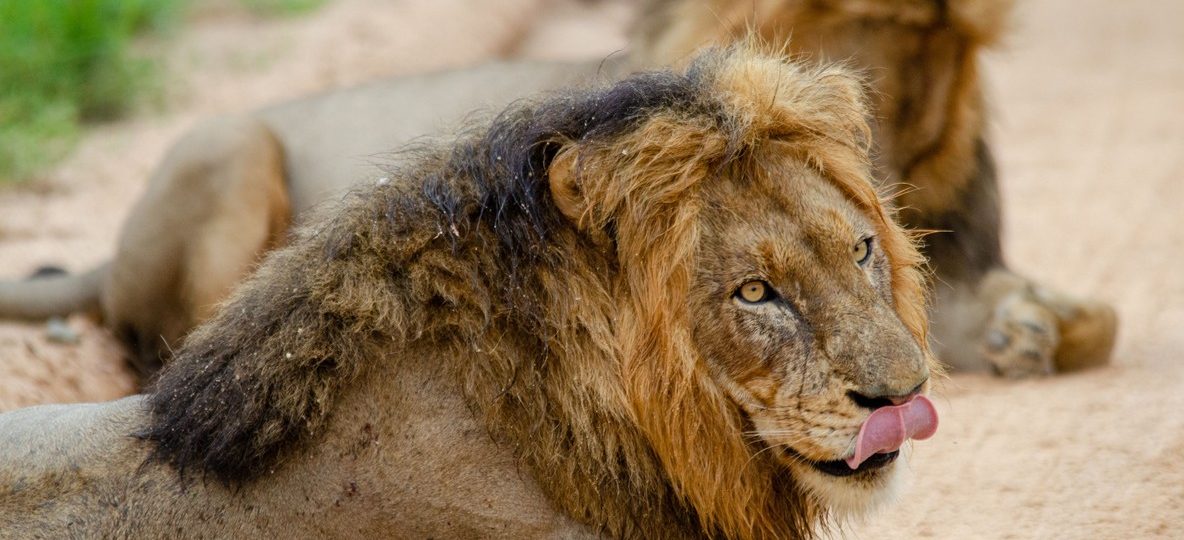
A phone camera zoom is digital. It crops and softens the image rather than magnifying it optically. Binoculars use glass and prisms, so a lion resting 200 meters away still looks sharp instead of pixelated. Guides in the Maasai Mara, Amboseli, and Samburu routinely spot animals well before guests do. A decent pair of binoculars is how travelers close that gap themselves instead of relying entirely on the driver-guide.
Birdwatchers get an even bigger benefit. Kenya holds over 1,100 recorded bird species. Many of the best sightings, a lilac-breasted roller on a low branch or a fish eagle over the Mara River, reward a steady, magnified view far more than a camera screen does.
8×42 vs 10×42: Which Magnification Wins on Safari
This is the single most common question Trunktrails Safaris guides field before a trip. Both formats work, but they suit different viewing styles.
8×42 binoculars offer a wider field of view and a brighter image in low light. That matters during the golden hour game drives right after sunrise and before sunset, when predators are most active. They are also easier to hold steady from a moving vehicle, since less magnification means less visible shake.
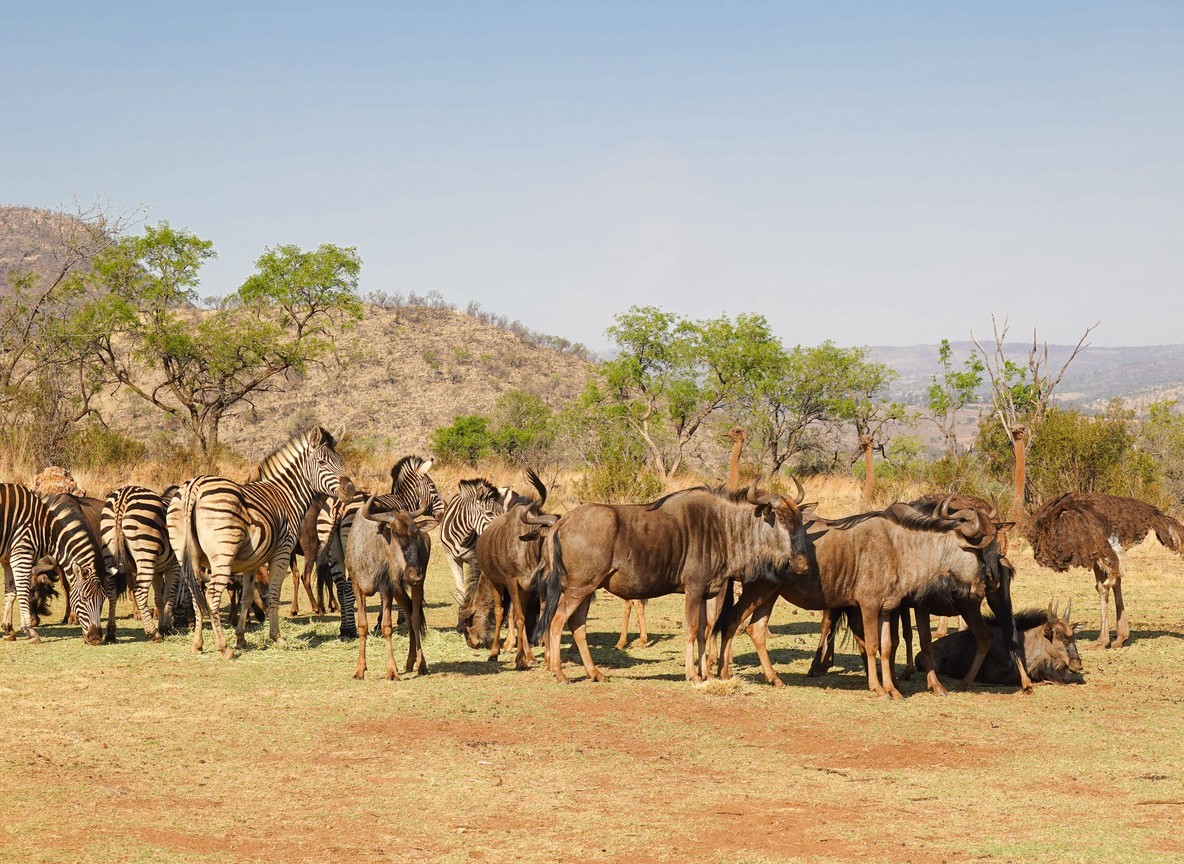
10×42 binoculars pull distant subjects in closer. That helps on the open plains of the Mara or Amboseli, where animals can sit 300 meters or more from the track. The tradeoff is a narrower field of view, plus more noticeable hand shake without bracing against a window frame or beanbag.
For most first-time safari travelers, 8×42 is the safer, more versatile choice. Serious birders or travelers focused on distant plains game sometimes prefer 10×42, especially with experience holding higher magnification steady.
Best Binoculars for a Safari in 2026: Model Comparison
Prices shift with currency and retailer, so treat the figures below as indicative ranges rather than fixed quotes. Confirm current pricing before you buy.
| Model | Magnification / Lens | Weight | Waterproof | Indicative Price (USD) |
|---|---|---|---|---|
| Celestron Nature DX 8×42 | 8×42 | 620g | Yes | USD 130-160 |
| Vortex Diamondback HD 8×42 | 8×42 | 650g | Yes | USD 220-260 |
| Nikon Monarch M5 8×42 | 8×42 | 575g | Yes | USD 260-300 |
| Zeiss Terra ED 10×42 | 10×42 | 680g | Yes | USD 400-450 |
| Swarovski CL Curio 8×30 | 8×30 | 400g | Yes | USD 1,100-1,300 |
| Bushnell Legend Ultra HD 10×42 | 10×42 | 750g | Yes | USD 180-220 |
The Celestron and Bushnell models cover most travelers well without stretching a packing budget. The Nikon and Vortex sit in the mid-range sweet spot that most repeat safari travelers land on. They balance sharpness with a price that will not sting if a bag gets left in the dust at a bush camp. The Swarovski is genuinely excellent glass for travelers who already own serious optics and want the lightest possible pair for a multi-week trip.
Budget, Mid-Range, and Premium Picks
Not every traveler needs the same tier of glass. Here is how to think about the decision, based on trip length and how often the binoculars will get used after the trip.
- Budget (under USD 160): Fine for a single trip or a family safari where kids will also want a turn. Image quality softens toward the edges, but the center view stays sharp enough for wildlife spotting.
- Mid-range (USD 200-350): The best value tier for most Trunktrails Safaris guests. Sharper glass, better low-light performance, and rubber-armored bodies that survive dust and the occasional knock against a vehicle door.
- Premium (USD 400 and up): Worth it for repeat safari travelers or serious birders. This tier delivers edge-to-edge clarity in the dim light of an Aberdare forest drive or an early Samburu departure.
Matching Optics to Kenya’s Parks and Conservancies
Light conditions and typical viewing distances vary across Kenya’s safari circuits, and that affects which magnification earns its keep.
| Park or Conservancy | Terrain | Typical Viewing Distance | Distance from Nairobi |
|---|---|---|---|
| Maasai Mara National Reserve | Open plains, approx. 1,510 km2 | Often 150-300m | 270 km / 45 min flight |
| Amboseli National Park | Open plains, approx. 392 km2 | Often 100-250m | 240 km / 3-4 hrs road |
| Samburu National Reserve | Riverine scrub, approx. 165 km2 | Often 30-100m | 325 km / 1 hr flight |
| Aberdare National Park | Montane forest, approx. 767 km2 | Often 20-80m, low light | 160 km / 2.5-3 hrs road |
| Lake Nakuru National Park | Woodland and lakeshore, approx. 188 km2 | Often 50-150m | 160 km / 2.5-3 hrs road |
Open-plains parks like the Maasai Mara and Amboseli reward the reach of 10×42. Denser terrain like Samburu’s riverine scrub or Aberdare‘s forest favors the brighter, wider view of 8×42. Animals appear closer there, and light drops fast under a forest canopy.
Packing and Care Tips for Safari Binoculars
A few habits protect your investment and keep the view sharp for the whole trip.
- Use a neck strap or harness, not just a wrist loop. Kenya’s roads inside parks are unpaved in places, and a dropped pair on gravel ends a trip early.
- Pack a microfiber cloth and a rain cover. Dust storms are common in the dry season. Short rains arrive without much warning between November and December.
- Keep them in your daypack, not checked luggage. Airlines occasionally misroute checked bags, and binoculars do no good sitting in a warehouse during a game drive.
- Test the focus wheel before you fly. A stiff or sticky wheel is easier to fix at home than in a bush camp with no optics shop nearby.
- Bring lens caps even if you skip a case. A scratched objective lens ruins clarity permanently. Replacement parts are hard to source outside Nairobi.
The Trunktrails Advantage
Trunktrails Safaris is a Kenyan-owned tours and safaris operator, and our pre-trip guidance covers more than itineraries and camps. Our guides field optics questions on nearly every planning call. The right pair of binoculars genuinely changes how much of a game drive a guest actually sees and enjoys.
Every Trunktrails Safaris vehicle carries spotting scopes and beanbag supports for steadying personal binoculars, something most standard tours and safaris packages skip. We also brief every guest on which park in their itinerary rewards which magnification. A traveler heading to both Samburu and the Maasai Mara knows exactly what to expect from each stop.
As a Kenyan-owned operator, Trunktrails Safaris builds tours and safaris itineraries around how our guests actually want to experience wildlife, not a generic checklist. That includes small details like optics advice that most operators never mention until you are already in the vehicle. ✨
Ready to Pack the Right Pair and Book Your Safari
Whether you land on a budget 8×42 or a premium Swarovski, the right binoculars turn a good game drive into a great one. Trunktrails Safaris can match your optics choice to the exact parks on your itinerary, from the open plains of the Mara to the forest edges of Aberdare.
Reach out to our tours and safaris team today and tell us where you are headed. We will help you pack the right gear and build the route around it.
Further reading
More safari planning resources
- Interactive Maasai Mara map from Valley Safaris
- Maasai Mara National Reserve guide on Touring Insights
- Masai Mara destination guide on FindMySafari
- Map of Amboseli from Valley Safaris
WhatsApp: +254 113 208888 Email: info@trunktrailssafaris.com Website: https://trunktrailssafaris.com
Peak season dates for the Maasai Mara and Amboseli fill up fast. The camps our guides trust book out months ahead, so lock in your Trunktrails Safaris itinerary now, then start testing that focus wheel. 📸