
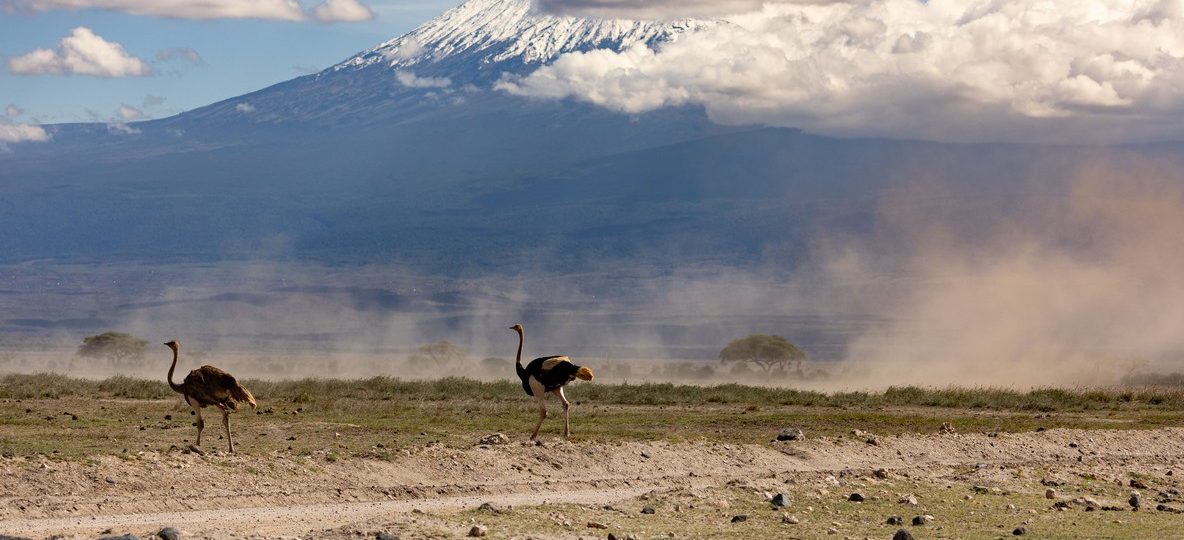
Amboseli Birding Safari: How to See 400+ Species with Kilimanjaro as Your Backdrop
An Amboseli birding safari puts you in one of the few places on earth where a saddle-billed stork wades through a papyrus swamp with Mount Kilimanjaro rising 5,895 meters behind it. Amboseli National Park has recorded more than 400 bird species. The park covers only 392 square kilometers, a density few reserves in East Africa can match. The swamps, acacia woodland, and open plains sit side by side. Each habitat pulls in a different set of species. 🦒
For birdwatchers, Amboseli is not a side stop on a mammal safari. It is a standalone destination with its own calendar, its own hotspots, and its own logic for where and when to point your binoculars. This guide covers what you need to plan a serious birding trip, built from years of Trunktrails Safaris tours and safaris through the park’s swamps and savannah. 📸
Amboseli Birding Safari: Key Facts at a Glance
Before you plan routes and camps, these are the numbers that shape an Amboseli birding trip.
| Fact | Detail |
|---|---|
| Park size | 392 km2 |
| Elevation | Approximately 1,150 meters |
| Recorded bird species | 400+ (some counts reach 425) |
| Distance from Nairobi | Approximately 240 km via Namanga road |
| Drive time from Nairobi | 4 to 4.5 hours |
| Flight time from Wilson Airport | Approximately 45 minutes to Amboseli Airport (ASV) |
| Main gates | Meshanani Gate, Kimana Gate, Iremito Gate, Airport (Empusel) Gate |
| Park entry fee (non-resident adult) | Indicative USD 60 per day |
| Park entry fee (non-resident child) | Indicative USD 35 per day |
| Key swamps | Enkongo Narok, Olokenya, Longinye |
| Distance to Kilimanjaro border area | Roughly 25 km from the park’s southern boundary |
Prices and fees change with Kenya Wildlife Service policy updates, so treat the figures above as planning ranges and confirm current rates before booking.
Why Amboseli Is One of Kenya’s Best Birding Destinations
Amboseli sits in a rain shadow. Annual rainfall on the valley floor is low. Yet the park stays green in patches year round, because underground water from Kilimanjaro’s glaciers feeds a cluster of permanent swamps. That combination, dry plains around a wet core, is what makes an amboseli birding safari so productive.
Within a single morning drive you can move from dry acacia woodland to the edge of a papyrus swamp. Hornbills and go-away-birds call from the acacia canopy. Herons, jacanas, and crakes work the reeds at the swamp edge. Add the seasonal Lake Amboseli, which floods after the rains and pulls in flamingos and pelicans, and you have three distinct bird communities inside one park boundary.
The result is a species list that punches well above the park’s small size. Amboseli national park birds range from tiny sunbirds working acacia blossoms to the kori bustard, one of the heaviest flying birds in the world. You can watch it stride across open grassland in full view of Kilimanjaro’s snow cap.
Best Time for Birding in Amboseli
The best time for birding Amboseli depends on what you want to see.
November to April (wet season and Palearctic migration): This is peak birding season. Resident species breed, the swamps expand, and Palearctic migrants arrive from Europe and Asia to escape the northern winter. Species counts on a good morning can pass 100 during this window. Expect more mosquitoes and occasional muddy tracks, which is the tradeoff for the richest birdlife.
June to October (dry season): Water becomes scarce outside the permanent swamps, so birds concentrate around Enkongo Narok and Olokenya. This makes sightings more predictable even though total diversity drops slightly. Game drives are also easier logistically, with firm roads and long dry spells.
Shoulder months (May, November): These transition weeks can deliver strong birding with lighter crowds than peak safari season, since most visitors come for the elephant herds rather than the birds.
Across every month, dawn remains the strongest window. Bird activity peaks in the first two hours after sunrise, before the heat settles over the plains.
Top Birding Spots Inside Amboseli National Park
Enkongo Narok Swamp: The largest and most reliable swamp for waterbirds. African fish eagles perch on dead trees at the water’s edge, and glossy ibis, African jacana, and squacco heron move through the reeds. Elephants often wade here too, so the birding comes with a wildlife bonus.
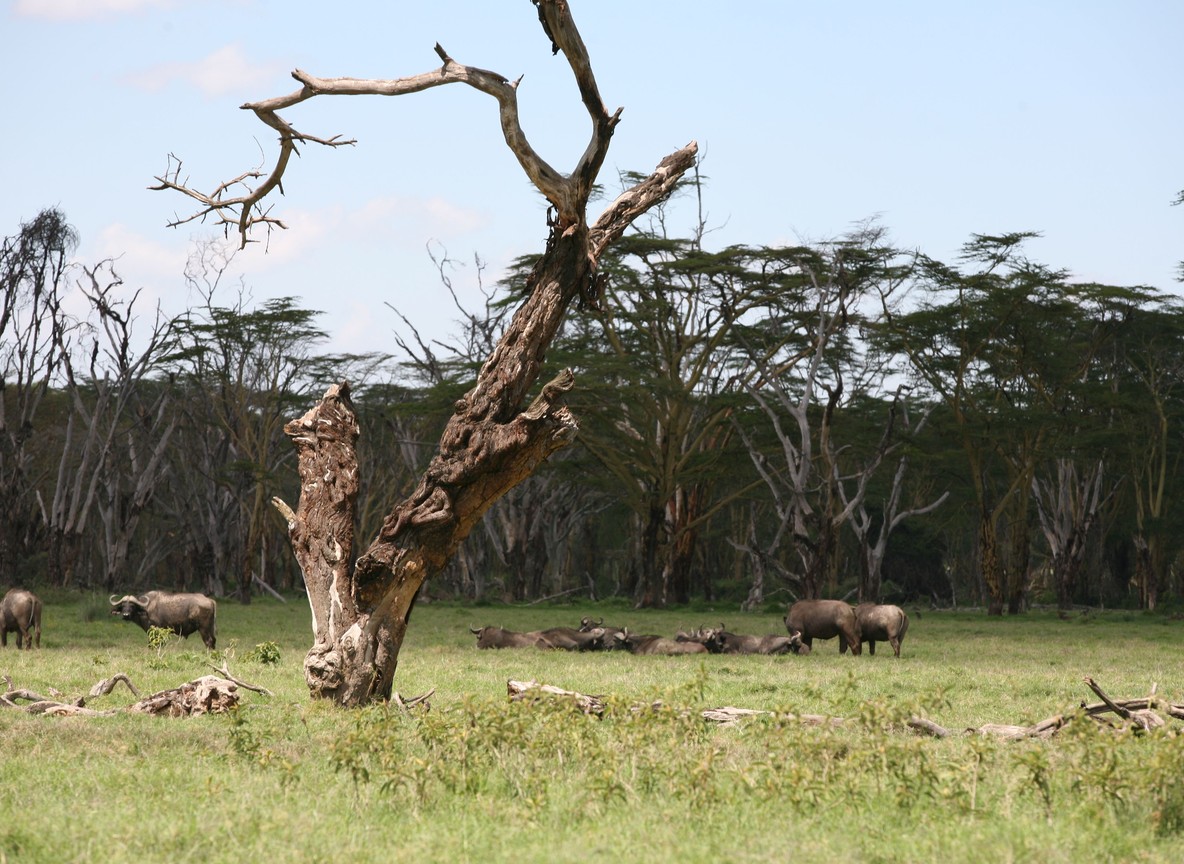
Olokenya Swamp: Slightly quieter than Enkongo Narok, with good numbers of yellow-billed stork, sacred ibis, and hamerkop. A strong spot for photographers who want fewer vehicles in the frame.
Observation Hill: Not a birding hotspot by species count. But the elevated view lets you scan the swamps below with a scope, and pick out raptors overhead, including martial eagle and augur buzzard.
Lake Amboseli (seasonal): When flooded, this dry lakebed draws lesser flamingo, greater flamingo, and large flocks of pelican. It is unpredictable, dry in some years and shallow-flooded in others, so ask your guide about current conditions before building an itinerary around it.
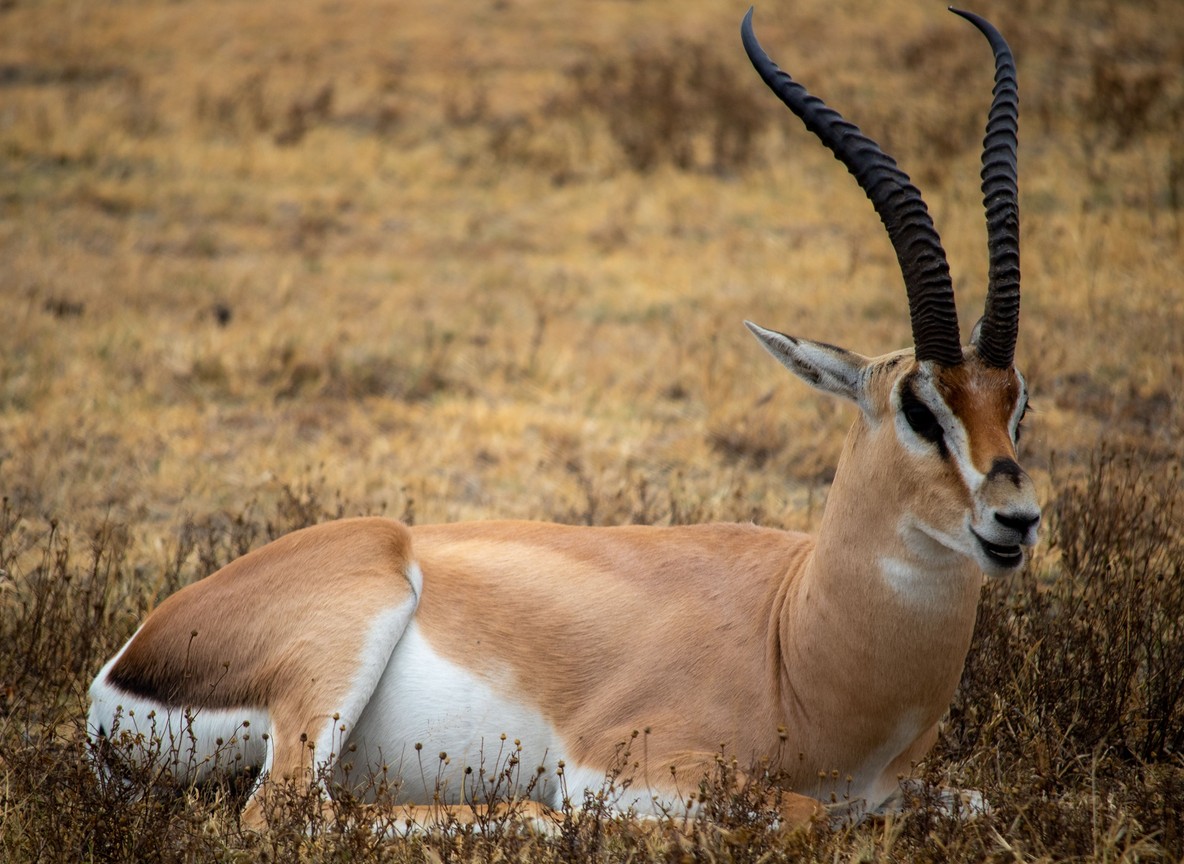
Acacia woodland near Ol Tukai: Reliable for von der Decken’s hornbill, red-and-yellow barbet, and several sunbird species that favor flowering acacia.
Amboseli National Park Birds: Species You Are Likely to See
A well-guided two to three day trip typically produces 90 to 150 species, depending on season. Highlights that make Amboseli distinct from other Kenyan parks include:
- Taveta golden weaver — a near-endemic species with a limited range around Amboseli and the Tsavo region
- Kori bustard — Africa’s heaviest flying bird, often seen displaying on open grassland
- African fish eagle — common around the swamps, easily heard before it is seen
- Saddle-billed stork — one of the tallest wading birds in Africa, striking against the swamp backdrop
- Pygmy falcon — Africa’s smallest raptor, often found near sociable weaver colonies in acacia thorn trees
- Lilac-breasted roller — widespread but consistently one of the most photographed birds in Kenya
- Superb starling — common around camps, its iridescent color makes it a favorite for beginners
Raptor diversity is a particular strength of Amboseli, with more than 40 species recorded, including martial eagle, tawny eagle, and several vulture species that patrol the plains for carcasses.
Kilimanjaro Amboseli Birdwatching: Why the Backdrop Matters
Kilimanjaro amboseli birdwatching is not only about the view, though the visual pairing of birds and Africa’s tallest mountain is hard to beat for photography. The mountain actively shapes what you see. Snowmelt and rainfall on Kilimanjaro’s slopes feed underground aquifers that surface as Amboseli’s swamps. Those swamps are the reason the park supports so many water-dependent species in an otherwise dry landscape.
Kilimanjaro is clearest in the early morning and often clouds over by mid-morning. That means the classic shot of a stork or heron with the snow-capped peak behind it is a dawn opportunity. Guides who know the park’s light patterns will plan your swamp visits around this window.
Amboseli vs Other Kenya Birding Destinations
| Factor | Amboseli National Park | Lake Naivasha | Masai Mara |
|---|---|---|---|
| Park/lake size | 392 km2 | Lake area approx 139 km2 | Reserve approx 1,510 km2 |
| Recorded bird species | 400+ | 450+ | 500+ |
| Distance from Nairobi | 240 km / 4-4.5 hrs drive | 90 km / 1.5-2 hrs drive | 270 km / 5-6 hrs drive |
| Signature habitat | Swamps plus dry savannah | Freshwater lake and papyrus | Riverine forest and grassland |
| Best for | Waterbirds with Kilimanjaro backdrop | Fish eagles, waterfowl, easy day trip | Raptors, widest overall diversity |
| Indicative park/conservancy fee | USD 60/day (non-resident adult) | Boat trips priced separately, no park gate fee at most access points | USD 200/day (main reserve, non-resident) |
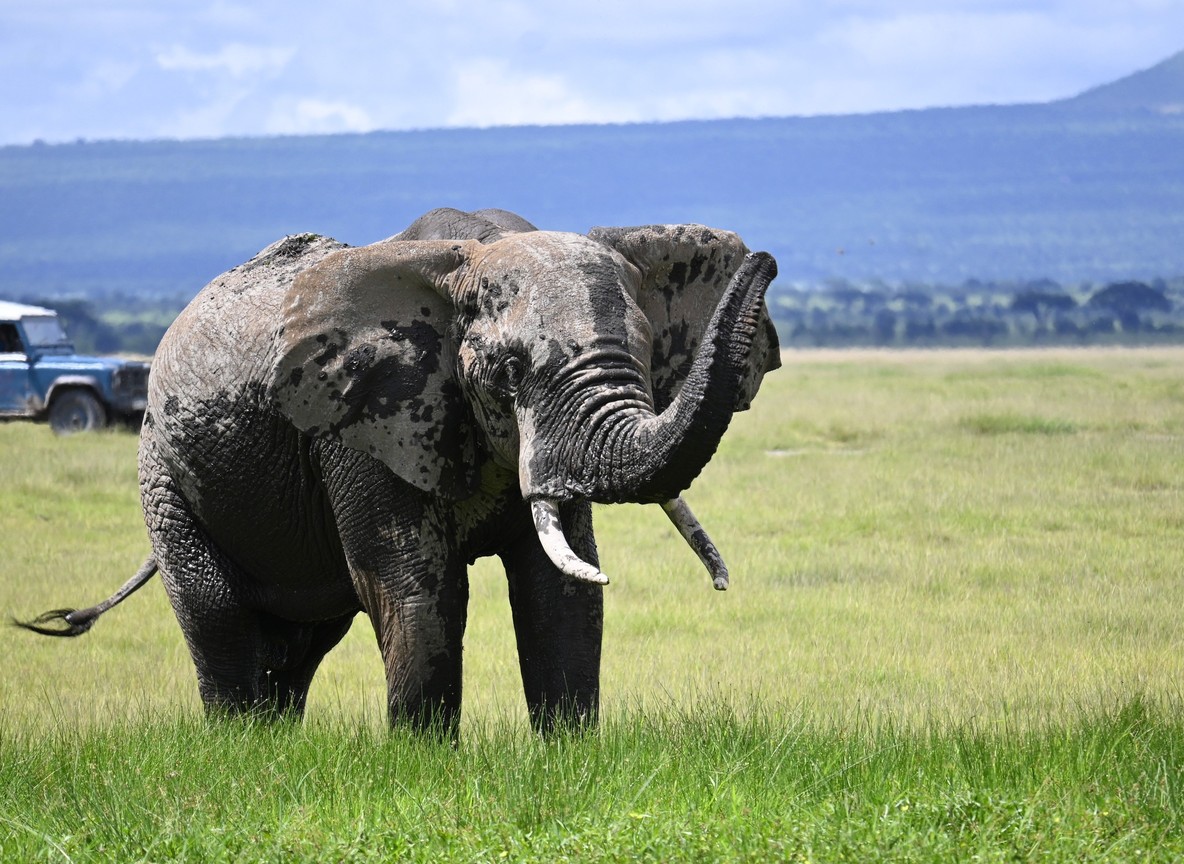
Amboseli’s advantage is not raw species count. It is the combination of accessible, concentrated wetland birding with the added Kilimanjaro visual and the chance to combine birding with big mammal sightings, including some of Kenya’s remaining super tusker elephants, on the same drive.
Where to Stay for an Amboseli Birding Safari
Ol Tukai Lodge: Positioned near the central swamps, with acacia woodland on the property itself. Strong choice for birders who want to walk the grounds before breakfast.
Tortilis Camp: Set slightly outside the main park on private conservancy land, with excellent Kilimanjaro views and good raptor sightings on the surrounding plains.
Satao Elerai: A conservancy property bordering the park, useful for travelers who want walking safaris alongside game drives, which most park zones do not permit.
Amboseli Serena Safari Lodge: Close to Enkongo Narok Swamp, a practical base for repeated early-morning swamp visits.
Camp choice matters for a birding-focused trip because proximity to the swamps determines how many dawn sessions you can fit into your stay. Across our tours and safaris in the region, Trunktrails Safaris places birding clients based on which camps sit closest to that day’s most active swamp, not on marketing alone.
The Trunktrails Advantage
Planning tours and safaris around bird activity requires more than a species checklist. It requires knowing which swamp has water this month, which guide can identify a call before the bird shows itself, and which camp puts you at the water’s edge at first light instead of forty minutes away.
Trunktrails Safaris has guided birders and wildlife photographers through Amboseli across every season. We track which swamps are active and which raptors are nesting in a given year. We build each amboseli birding safari itinerary around current conditions, not a fixed template, so your dawn sessions land where the birds actually are. As a Kenyan-owned operator, we also work directly with community conservancies bordering the park. That keeps more of your trip’s value inside the region the birds depend on.
Plan Your Amboseli Birding Safari
Kilimanjaro’s dawn light and Amboseli’s swamps will not wait for a perfect moment. The best sessions happen on ordinary mornings, when you are already in position with the right guide beside you.
Talk to Trunktrails Safaris about building a birding-focused itinerary around the current swamp conditions and migration calendar.
Further reading
More safari planning resources
- Map of Amboseli from Valley Safaris
- Amboseli National Park guide on Touring Insights
- Amboseli destination guide on FindMySafari
- Best time to visit Kenya month-by-month map from Valley Safaris
WhatsApp: +254 113 208888 Email: info@trunktrailssafaris.com Website: trunktrailssafaris.com