Amboseli Big Cats Guide: Lions, Cheetahs and Leopards Below Kilimanjaro
This Amboseli big cats guide exists for one simple reason. Most travelers picture Amboseli National Park as elephant country first, and they are right to. But the same open plains that make elephant herds easy to watch also put lions, cheetahs and leopards on full display. All of it sits framed against the snowcap of Mount Kilimanjaro, rising just across the Tanzanian border. Trunktrails Safaris builds tours and safaris here for exactly this reason. Flat terrain, short grass and a 5,895-meter backdrop turn ordinary predator sightings into some of the most photographed moments in East Africa.
Amboseli National Park itself covers roughly 392 square kilometers, small by Kenyan standards. But it sits inside a much larger unfenced ecosystem shared with Tanzania’s Kilimanjaro National Park. That connectivity matters for big cats. Prides and cheetah coalitions move across swamp edges and dry lakebeds without the fences that box in wildlife elsewhere.
Why Kilimanjaro Changes the Big Cat Experience
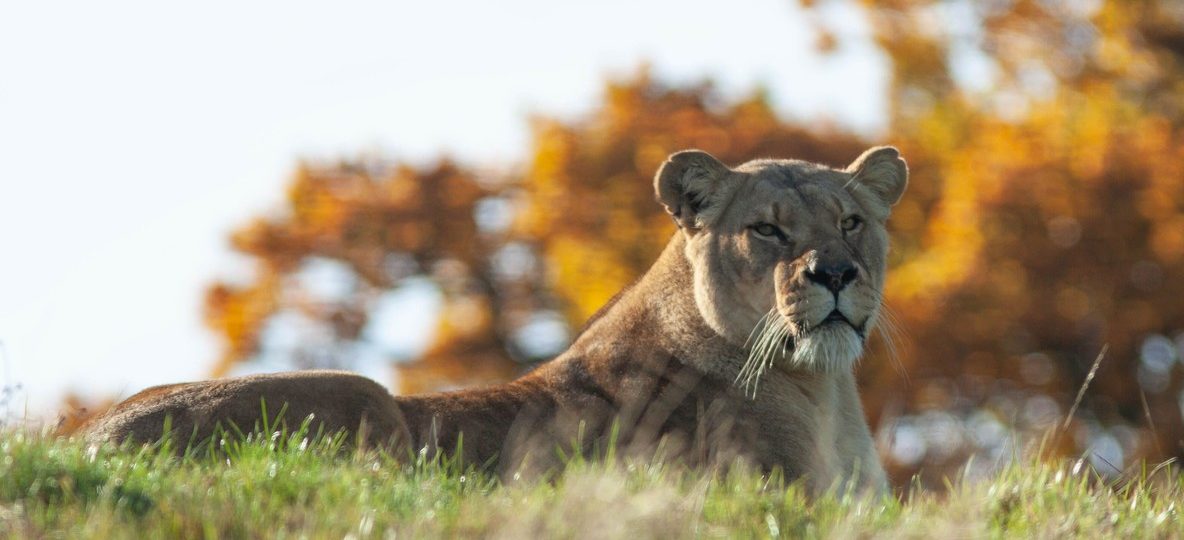
Most parks with strong predator populations do not offer a 5,895-meter mountain as a backdrop. Amboseli does. On a clear morning, a lioness resting on a termite mound with Kilimanjaro’s glacier behind her makes a genuinely different photograph than the same scene anywhere else in Kenya. The dust-dry plains around the swamps strip away tall grass and thick bush. A cat crossing open ground is visible from far greater distance than in denser parks. The mountain adds a sense of scale few other backdrops can match.
Why this matters for planning:
- the best Kilimanjaro views happen at sunrise, before clouds build around the peak
- early morning is also the most active hunting window for lions and cheetahs
- this overlap means a single dawn game drive can deliver both the mountain and the predator sighting
Trunktrails Safaris schedules Amboseli tours and safaris around this window on purpose. Guests who sleep in miss both.
Guides who know the ecosystem well also watch for cross-border movement near the Kimana wildlife corridor, since cats and their prey do not stop at the invisible Kenya-Tanzania line.
Amboseli Big Cats and Kilimanjaro: Real Numbers
Concrete planning details matter more than general description when travelers decide how many nights to book and which camp to choose. Prices below are indicative ranges only, since rates change with season and operator.
| Detail | Figure |
|---|---|
| Nairobi to Amboseli distance | 240 km via Namanga road |
| Drive time from Nairobi | 4 to 5 hours |
| Flight time from Nairobi Wilson Airport | 45 minutes to Amboseli Airstrip |
| Amboseli National Park size | approx. 392 km2 |
| Main entry gates | Meshanani Gate, Kimana Gate, Iremito Gate |
| Non-resident daily park fee | indicative USD 60 to 80 per adult, per KWS gate rate card |
| Key predator zones | Enkongo Narok swamp, Olokenya swamp, Ol Tukai plains |
| Named camps near cat territory | Tortilis Camp, Ol Tukai Lodge, Satao Elerai Camp, Kibo Safari Camp |
| Distance to Kilimanjaro summit (Uhuru Peak) | approx. 40 km south of park boundary |
| Recommended stay length for predators | minimum 2 nights, 3 for serious photography |
These figures give a realistic frame before booking. A single overnight stop rarely allows for both a dawn predator drive and a clear-mountain sunrise. That is why Trunktrails Safaris recommends at least two nights for any trip built around this Amboseli big cats guide.
Lions Below Kilimanjaro
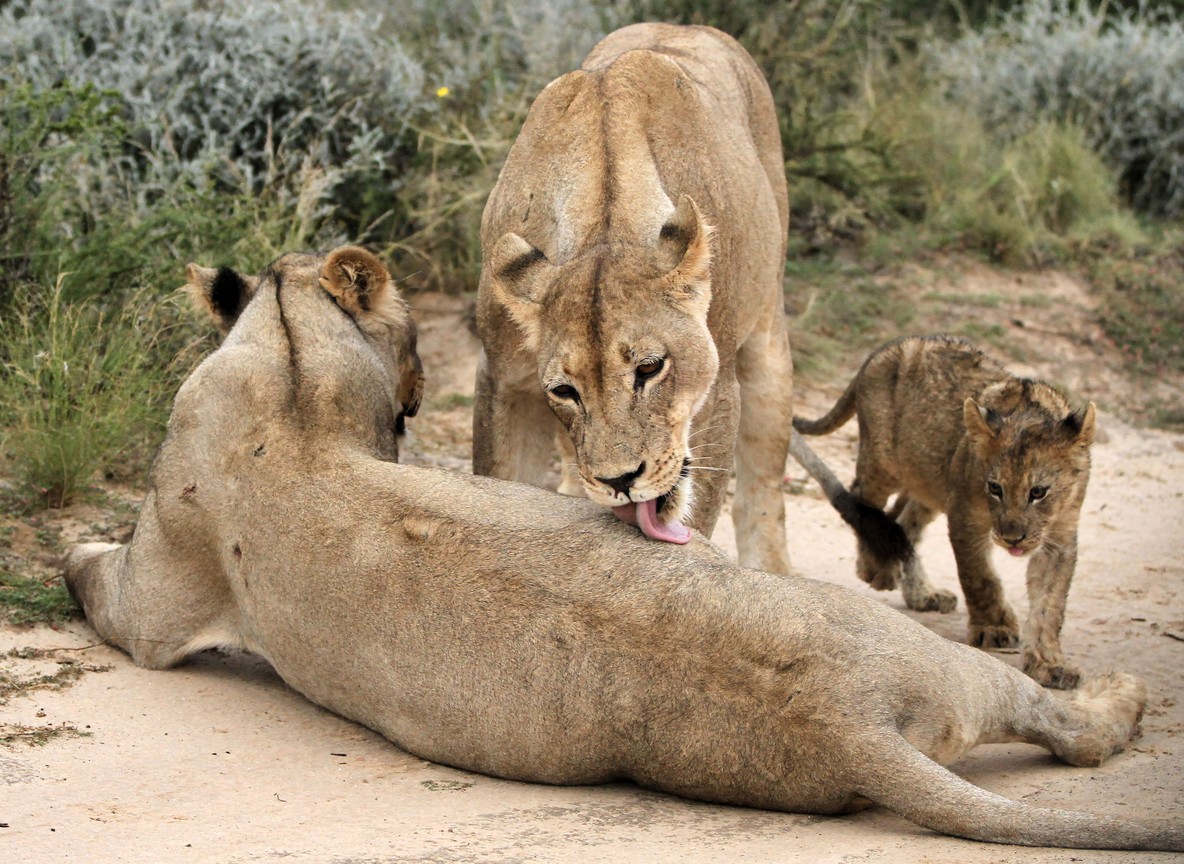
Lions are the most consistently seen big cat in Amboseli. They are also the cat most associated with the classic Kilimanjaro backdrop shot. Prides here tend to work the swamp edges around Enkongo Narok and Olokenya, where permanent water draws buffalo, zebra and wildebeest year-round.
Amboseli’s lion population is smaller and less densely packed than in the Masai Mara. But the flat, short-grass terrain means sightings are unusually easy to read. A pride resting near Ol Tukai in early morning light, with the mountain rising behind them, is one of the signature images guides here try to deliver on every safari.
Cheetahs on the Open Plains
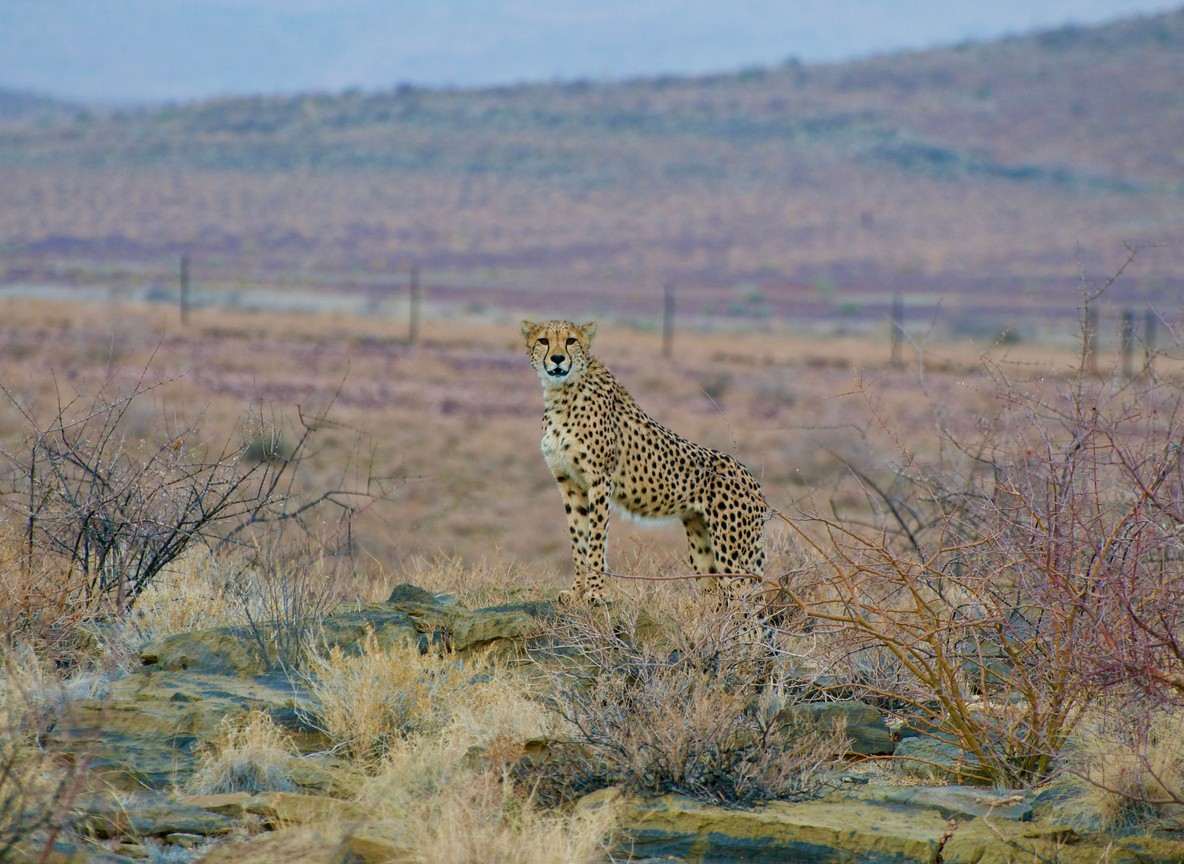
Cheetahs suit Amboseli’s terrain better than almost anywhere else in Kenya. The dry lakebed of the former Lake Amboseli and the open grassland around Kimana Gate give cheetahs long sightlines and open sprint room. That is exactly what their hunting style depends on.
What makes cheetah sightings here distinct:
- the flat ground means a hunt can be watched from start to finish without vegetation blocking the view
- Kilimanjaro’s outline behind a sprinting cheetah produces some of the most requested images from Amboseli tours and safaris
- cheetahs favor daylight hunting more than lions or leopards, improving the odds of catching action mid-drive
Leopards: The Patient Find
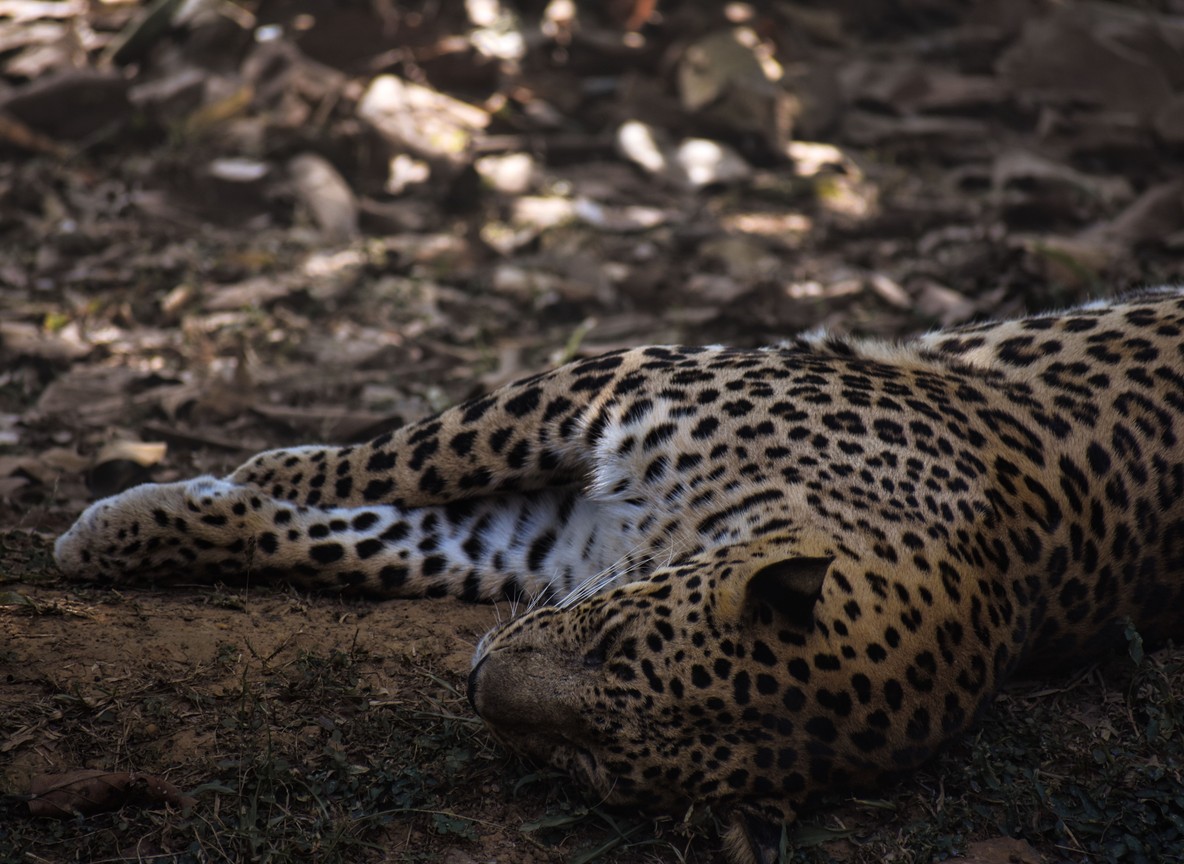
Leopards are the least predictable of the three cats in Amboseli. They favor the acacia woodland and lava-rock edges near Kimana Sanctuary and the park’s southern boundary, rather than the open plains. Sightings depend heavily on a guide’s local knowledge of denning sites and recent kills hoisted into trees.
A realistic expectation: leopards are a bonus, not a guarantee, on any single Amboseli safari. Guests hoping specifically for leopard sightings should extend their stay and prioritize a guide who works the woodland fringes daily, not just the open swamp circuit.
Amboseli Big Cats Comparison Table
| Big Cat | Best Location in Amboseli | Best Time | Realistic Odds |
|---|---|---|---|
| Lion | Enkongo Narok and Olokenya swamp edges | Early morning, late afternoon | High |
| Cheetah | Open plains near Kimana Gate and dry lakebed | Mid-morning daylight hunts | Moderate to high |
| Leopard | Acacia woodland near Kimana Sanctuary | Dawn and dusk, tree-line scanning | Low to moderate |
Best Time and Safari Structure for Big Cats Below Kilimanjaro
The dry seasons (roughly June through October, and January through February) offer the clearest mountain views. They also concentrate prey animals around Amboseli’s permanent swamps, which pulls predators toward the same open ground travelers are watching. The wetter months bring greener scenery and dramatic storm light, but more frequent cloud cover around the peak. Photographers chasing both cats and mountain in one frame should favor the dry windows. Guests visiting mainly for elephants and general scenery can still enjoy the wet season. They should just treat a clear Kilimanjaro sunrise as a bonus, not a guarantee.
A predator-and-Kilimanjaro-focused Amboseli itinerary works best with this rhythm:
- arrive via the 45-minute flight from Nairobi Wilson Airport to bank an extra half-day of game viewing, or budget the full 4 to 5 hour drive by road
- book at least 2 nights, ideally 3, at a camp near Ol Tukai or Kimana Gate so the dawn drive starts close to the swamp edges
- run a genuine dawn drive every full day, since sunrise is the overlap window for both cats and clear mountain views
- balance swamp-edge routes for lions with open-plains routes for cheetahs, and reserve one late-afternoon drive for the acacia fringe where leopards move
- keep a flexible midday break at the lodge, then resume for the golden-hour session before dusk
Trunktrails Safaris builds exactly this kind of structured itinerary rather than a generic day-trip format. Predator sightings in Amboseli reward planning far more than luck alone. Guests who arrive with only one night rarely get both a strong cat sighting and a cloud-free mountain. Itinerary length matters as much as season.
The Trunktrails Advantage
Trunktrails Safaris designs every Amboseli itinerary around the park’s actual behavior, not a generic Kenya template. That means:
- routing dawn drives through swamp edges and open plains based on which cats are active that season
- matching guests to camps like Tortilis Camp or Ol Tukai Lodge based on proximity to current predator activity
- pairing every big-cat itinerary with the mountain-view timing that makes Amboseli photographs stand out
- keeping trip pacing realistic, since chasing leopards on a single rushed night rarely pays off
This is what separates a Trunktrails Safaris itinerary from a standard day-trip package. It is why repeat guests keep booking tours and safaris here for the big-cat and Kilimanjaro combination.
Is This Amboseli Big Cats Guide Right for Your Trip?
Amboseli earns its place on the itinerary if you want elephants as the headline, with lions, cheetahs and occasionally leopards adding real depth against the clearest mountain backdrop in East Africa. If cat density alone is the goal, pair it with a park like the Masai Mara for contrast, rather than treating Amboseli as a stand-alone predator destination.
Plan Your Amboseli Safari With Trunktrails Safaris
Trunktrails Safaris designs tailor-made tours and safaris that match the season, camp location and drive structure to what you actually want to see. That might be a lion pride at sunrise, a cheetah sprinting across the plains, or Kilimanjaro finally free of cloud. Reach out and we will build the itinerary around it.
Further reading
More safari planning resources
- Map of Amboseli from Valley Safaris
- Amboseli National Park guide on Touring Insights
- Amboseli destination guide on FindMySafari
- Kenya tour packages from Valley Safaris
WhatsApp: +254 113 208888 Email: info@trunktrailssafaris.com Website: https://trunktrailssafaris.com