Wildlife Tours in Kenya: The Complete Guide to Kenya’s Best Animal Experiences
Kenya is not simply one of Africa’s great safari destinations. It is the benchmark against which every other wildlife destination on the continent is measured. When travellers search for the best wildlife tours in Africa, Kenya consistently leads the results – and for good reason. Nowhere else on Earth offers the same density of iconic species, the same diversity of ecosystems, and the same depth of conservation infrastructure all within a single country.This guide is your complete kenya safari wildlife guide. It covers the nine headline animals every visitor should see, the parks where each species thrives, the seasons that unlock the best sightings, and the walking wildlife tours that take you beyond the vehicle and into the landscape itself. If you are serious about planning a wildlife tour in Kenya, this is where you start. Kenya’s wildlife advantage is structural, not accidental. The country protects more than eight per cent of its land area within national parks and reserves – and a further significant portion through private conservancies and community lands. The result is a connected web of habitats that supports extraordinary animal density year-round.The Masai Mara alone hosts one of the highest concentrations of large predators on Earth. Amboseli delivers elephant herds against the backdrop of Mount Kilimanjaro. Samburu shelters endemic northern species that exist nowhere else in the country. Tsavo – East and West combined – forms the largest protected area in Kenya, where the famous red elephants roam ancient migration corridors.Kenya animal tours also benefit from exceptional road infrastructure, a mature guide community trained through Kenya Wildlife Service accreditation, and a lodge and camp network that ranges from community-owned bandas to ultra-luxury tented camps. Whether you are planning a first wildlife safari in Kenya or returning to deepen your knowledge, the country rewards every level of engagement.Accommodations in Kenya’s top wildlife areas consistently impress. Many lodges and camps are situated in prime locations – think breakfast with elephants wandering past your terrace, or falling asleep as hyenas call nearby. Guests often note how the proximity to wildlife turns each stay into an immersive experience, with the boundaries between wild and comfort beautifully blurred. While the journeys between parks can be long and the roads sometimes challenging, most travelers find that the anticipation of arrival, and the unique settings that await, more than justify the effort. With this combination of wildlife density, reliable infrastructure, and memorable stays, Kenya raises the bar for every wildlife adventure.Most operators talk about the Big Five. Trunktrails Safaris talks about Kenya’s Big Nine – the complete roster of animals that define the genuine Kenya wildlife experience. Understanding each species ecologically, not just visually, transforms a game drive into a real encounter.
Tsavo East and Tsavo West
Together, Tsavo forms Kenya’s largest national park. Tsavo East is open savannah with the red-dusted elephants and the permanent Galana River. Tsavo West adds the volcanic Shetani lava flow, the crystal-fed Mzima Springs hippo pools, and dense bush that rewards patient, knowledgeable guides.Seasonal Wildlife Guide: What to See and When
July to October (Dry Season – Peak Wildlife): The Great Migration wildebeest crossings in the Masai Mara reach their height. Vegetation is low, water sources are concentrated, and predator activity is at its annual peak across all parks. This is the best period for world safaris kenya-level spectacle.January to February (Short Dry Season): Excellent wildlife viewing across Amboseli, Tsavo, and Samburu. Calving season in the Mara ecosystem produces predator activity as big cats and wild dogs exploit the vulnerable young. Lower visitor numbers than the main season.March to May (Long Rains): Parks are quieter and more affordable. Tsavo’s landscapes are dramatically green. Bird diversity peaks as migratory species are present. Wildlife sightings require more patience but offer greater solitude.November to December (Short Rains): The transition into the short rains brings fresh vegetation and the beginning of migratory bird arrivals. Samburu and Laikipia remain productive for northern species. Shoulder season pricing applies.Walking Wildlife Tours: The Deeper Kenya Experience
A vehicle is a tool for covering ground. A walking wildlife tour kenya experience is where genuine connection with the ecosystem begins. On foot, your senses recalibrate. You read tracks, identify scat, understand wind direction, and move within the landscape rather than across it. The scale of Africa shifts – what looks flat from a Land Cruiser reveals itself as layered, breathing terrain.Trunktrails Safaris specialises in walking wildlife tours across Kenya’s ecosystems. Our walks are led by Kenya Wildlife Service-certified walking guides with intimate knowledge of the specific reserves we operate in. Every walk is risk-assessed, fully briefed, and structured to deliver ecological depth that no game drive can match.Activity Level: HighWalking safaris are inherently active experiences. Expect to spend several hours each day on foot, navigating uneven ground, gentle hills, and open savannah, sometimes under the African sun. While these tours don’t require marathon fitness, a reasonable level of mobility and comfort with moderate physical exertion ensures you’ll get the most from each day. Good walking boots, a hat, and water bottle are essentials; the pace is set by the slowest walker, with plenty of stops for tracks, birds, and the unexpected drama of the bush.Walking safaris also reveal the smaller details that vehicles roll past – the geometric precision of a dung beetle’s work, the warning call of a fork-tailed drongo alerting every species within earshot to a predator’s approach, the way a herd of impala orientates itself downwind before committing to a waterhole. For guests who want the full Kenya wildlife experience – not just the checklist – a walking wildlife tour is the defining difference between a holiday and a genuine encounter.Conservation-Led Wildlife Tours: Safari With Purpose
The kenya wildlife experiences that stay with guests longest are the ones that carry meaning beyond the sighting. Trunktrails Safaris builds conservation education into every tour we operate.On a conservation safari kenya guests learn the real pressures on each species – not the sanitised version. They understand why elephant corridors matter, what ivory demand does to family structures, why rhino numbers are only recovering through armed conservancy protection, and how community land agreements determine whether wildlife survives or disappears on the boundaries of every national park.We partner exclusively with camps and conservancies that run measurable community benefit programmes. A portion of every Trunktrails booking supports community conservancy operations directly. This is not a marketing footnote – it is the operational model. To learn more about Kenya’s official conservation framework, visit the Kenya Wildlife Service.How to Choose the Right Wildlife Tour in Kenya
Not all wildlife tours in kenya deliver the same experience. Here is how to evaluate any operator before you book.Guide quality is everything. Ask whether guides are Kenya Wildlife Service-certified. Ask how many years they have worked the specific parks on your itinerary. A guide with 15 years in the Mara will find you a leopard. A generalist guide will show you the road.Vehicle configuration matters. Pop-top 4x4s with a maximum of six passengers per vehicle preserve the quality of every sighting. Minibuses with ten passengers and a fixed roof produce a fundamentally different experience.Walking safari availability. If an operator cannot offer a certified walking wildlife tour kenya option, they are limiting your access to Kenya’s most authentic wildlife experience.Conservation credentials. Ask which conservancies your stays support and what percentage of your accommodation fee goes directly to community benefit. The answer reveals the operator’s real values.Flexibility. The best wildlife sightings are rarely scheduled. An operator who can extend a game drive, change a route, or hold at a sighting has the operational freedom that produces extraordinary experiences.
Wildlife Tours in Kenya: Why This Country Leads the World
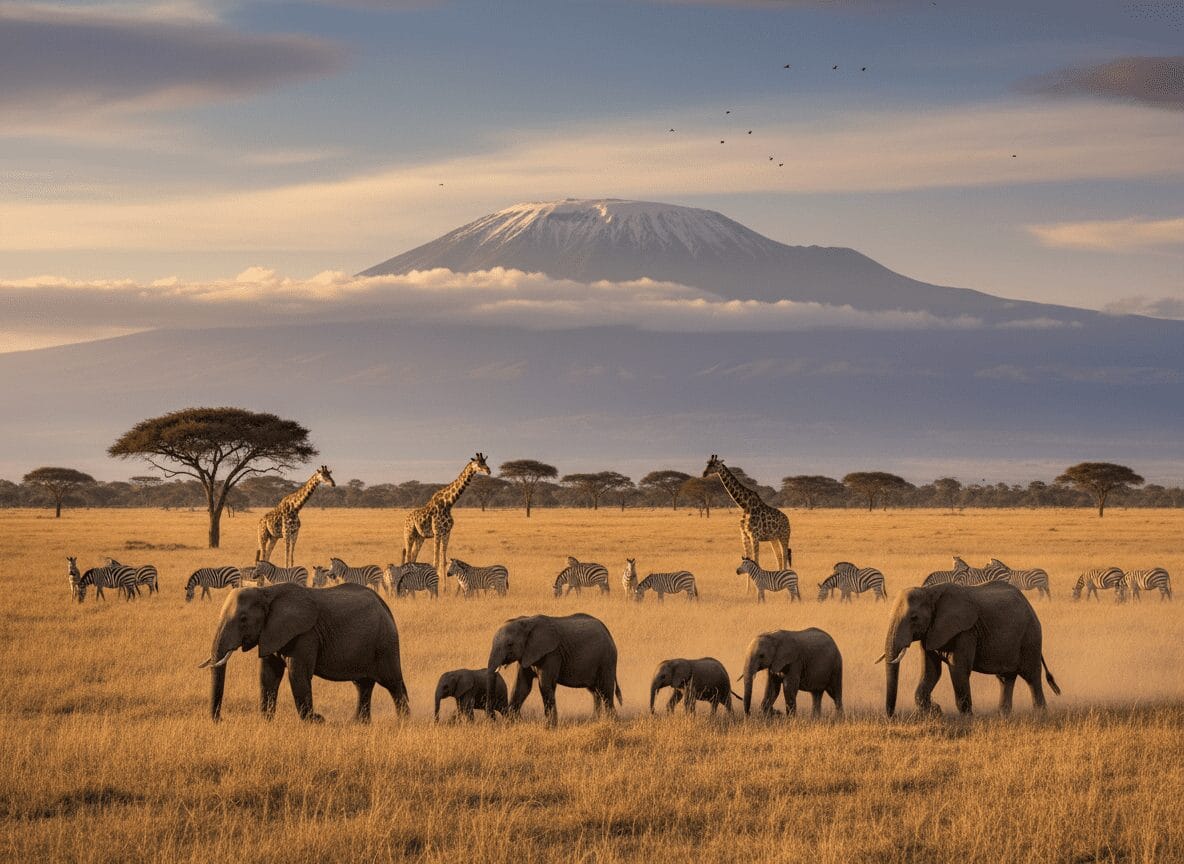 Kenya’s wildlife advantage is structural, not accidental. The country protects more than eight per cent of its land area within national parks and reserves – and a further significant portion through private conservancies and community lands. The result is a connected web of habitats that supports extraordinary animal density year-round.The Masai Mara alone hosts one of the highest concentrations of large predators on Earth. Amboseli delivers elephant herds against the backdrop of Mount Kilimanjaro. Samburu shelters endemic northern species that exist nowhere else in the country. Tsavo – East and West combined – forms the largest protected area in Kenya, where the famous red elephants roam ancient migration corridors.Kenya animal tours also benefit from exceptional road infrastructure, a mature guide community trained through Kenya Wildlife Service accreditation, and a lodge and camp network that ranges from community-owned bandas to ultra-luxury tented camps. Whether you are planning a first wildlife safari in Kenya or returning to deepen your knowledge, the country rewards every level of engagement.Accommodations in Kenya’s top wildlife areas consistently impress. Many lodges and camps are situated in prime locations – think breakfast with elephants wandering past your terrace, or falling asleep as hyenas call nearby. Guests often note how the proximity to wildlife turns each stay into an immersive experience, with the boundaries between wild and comfort beautifully blurred. While the journeys between parks can be long and the roads sometimes challenging, most travelers find that the anticipation of arrival, and the unique settings that await, more than justify the effort. With this combination of wildlife density, reliable infrastructure, and memorable stays, Kenya raises the bar for every wildlife adventure.
Kenya’s Big Nine: The Animals Every Safari Should Deliver
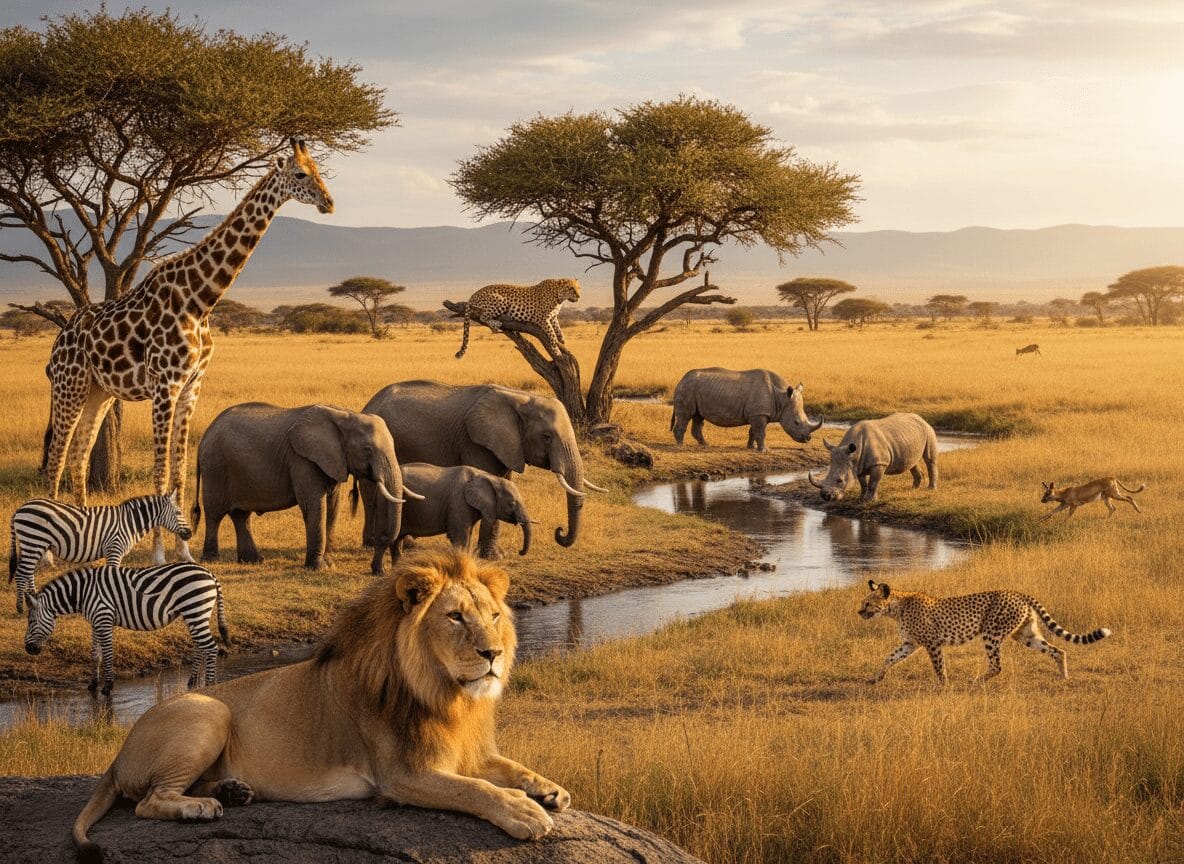 Most operators talk about the Big Five. Trunktrails Safaris talks about Kenya’s Big Nine – the complete roster of animals that define the genuine Kenya wildlife experience. Understanding each species ecologically, not just visually, transforms a game drive into a real encounter.
Lion
Kenya’s lions are predominantly pride animals. The Masai Mara holds some of Africa’s most studied prides, their territories mapped across decades of research. Dawn and dusk drives consistently outperform midday for active sightings. Lions are crepuscular hunters – they rest for up to 20 hours a day, which means timing and knowledge of pride territories is everything.Leopard
Leopards are the most elusive of the Big Five, and Kenya’s riparian forests – the riverine belts along the Mara River and Ewaso Nyiro – are where your best chances lie. Patient, quiet game drives with an experienced guide who knows individual leopards by their rosette patterns produce encounters that vehicle-heavy operators simply cannot replicate.Elephant
Kenya is home to some of Africa’s largest elephant populations, protected under the Kenya Wildlife Service. Amboseli’s families are among the most studied in the world, with individual animals known by name and life history to researchers at the Amboseli Elephant Research Project. In Tsavo, laterite-red soil stains the hides of bulls that roll in clay pans – a sight that has no equivalent elsewhere in East Africa.Rhino
Both black and white rhino survive in Kenya, though numbers remain critically low following decades of poaching. Ol Pejeta Conservancy in Laikipia is the best single destination for rhino encounters in Kenya, hosting the world’s last two northern white rhinos alongside a substantial population of black rhino. A visit to Ol Pejeta is not just a big five kenya safari moment – it is a conservation reckoning.Buffalo
Buffalo are the most dangerous animal in Africa by recorded kill statistics, yet they are frequently underestimated on game drives. Watch for the dominant bulls that separate from the main herd – solitary dagga boys with mud-caked horns and a temperament to match. In the Mara, buffalo herds can number in the thousands during the dry season when animals consolidate around permanent water.Giraffe
The reticulated giraffe of Samburu and the Masai giraffe of the Mara and Amboseli are two distinct subspecies, both present in Kenya. Giraffes are keystone browsers – their feeding shapes the canopy structure of acacia woodlands and directly influences what other species can access. Watch them at water sources for a rare ground-level view of an animal whose anatomy makes drinking a vulnerable, studied act.Zebra
Kenya hosts both plains zebra and the endangered Grevy’s zebra, the world’s largest wild equid, found in Samburu and the northern rangelands. During the Great Migration, over 200,000 zebra move alongside the wildebeest columns – their digestive systems processing the coarse, long grass that wildebeest cannot yet eat, effectively preparing the pasture for the larger herds that follow.Cheetah
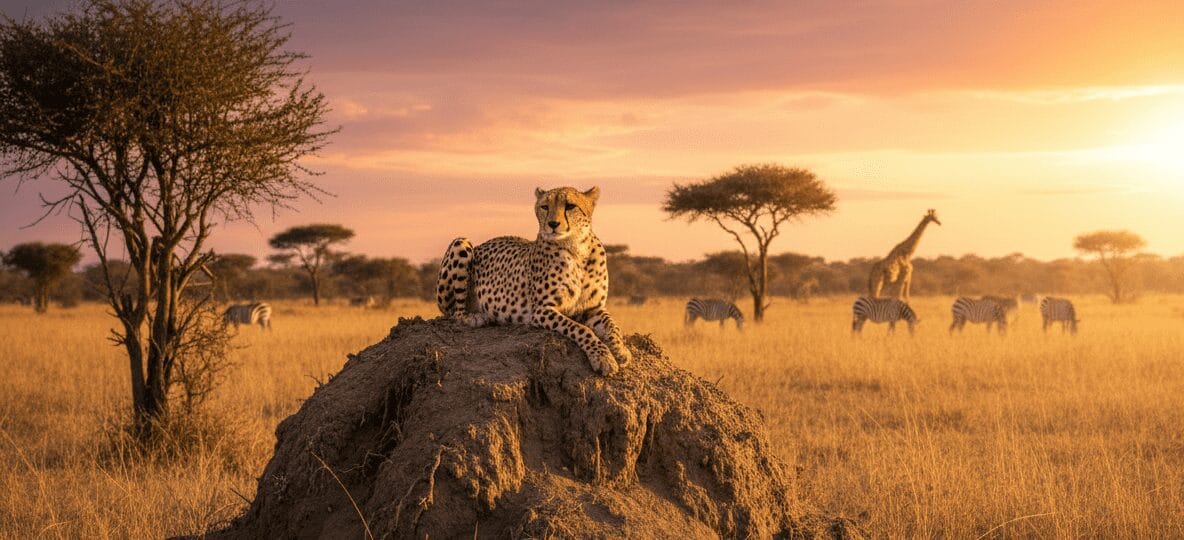
The Masai Mara and the Amboseli-Tsavo ecosystem are Kenya’s cheetah strongholds. Cheetahs are diurnal hunters, which means mid-morning game drives – not just dawn and dusk – are productive for cheetah sightings. They favour open plains with sight-line advantage. A cheetah hunt is the fastest land predation event on Earth and one of the most sought-after sightings in all of big nine kenya wildlife viewing.Hippo
Kenya’s rivers and lakes support some of Africa’s largest hippo pods. The Mara River, Mzima Springs in Tsavo West, and the channels of Lake Naivasha all offer excellent hippo viewing. Hippos kill more people annually than lions or leopards – they are territorial, fast on land, and unpredictable near water. Understanding this ecology makes boat-based or walking proximity encounters both safer and more meaningful.Rare and Notable Sightings Beyond the Big Nine
The Big Nine covers the headline roster, but a handful of other species turn a good safari into a genuinely memorable one. The Nile crocodile is Africa’s largest freshwater predator, sometimes stretching close to five metres, and the Mara River crossings put them centre stage: they hold position in the shallows waiting for the herds. Amboseli and Meru also hold healthy crocodile populations for a quieter look at the same animal. The African wild dog, sometimes called the painted wolf, is one of the continent’s most endangered carnivores and one of the rarest sightings in Kenya. Packs have been recovering in Samburu and the Laikipia conservancies, and a sighting is rare enough that most guides will radio every vehicle in range the moment one turns up. None of these are guaranteed on any single game drive, which is exactly what makes them worth watching for.The Best Parks for Wildlife Tours in Kenya
Masai Mara National Reserve
The Masai Mara is Kenya’s flagship wildlife destination and the epicentre of the annual Great Migration. July through October delivers wildebeest river crossings. The rest of the year, the Mara sustains resident lion prides, large elephant families, and the full suite of predator and prey species that make kenya wildlife experiences here unmatched globally.Amboseli National Park
Amboseli offers the most photographically iconic landscape in Kenya – elephant herds in the foreground, Mount Kilimanjaro filling the sky behind. The park is relatively compact, which means high animal encounter rates. It is the best single park for elephant depth, lion sightings, and a reliable big five kenya safari checklist.Tsavo East and Tsavo West
Together, Tsavo forms Kenya’s largest national park. Tsavo East is open savannah with the red-dusted elephants and the permanent Galana River. Tsavo West adds the volcanic Shetani lava flow, the crystal-fed Mzima Springs hippo pools, and dense bush that rewards patient, knowledgeable guides.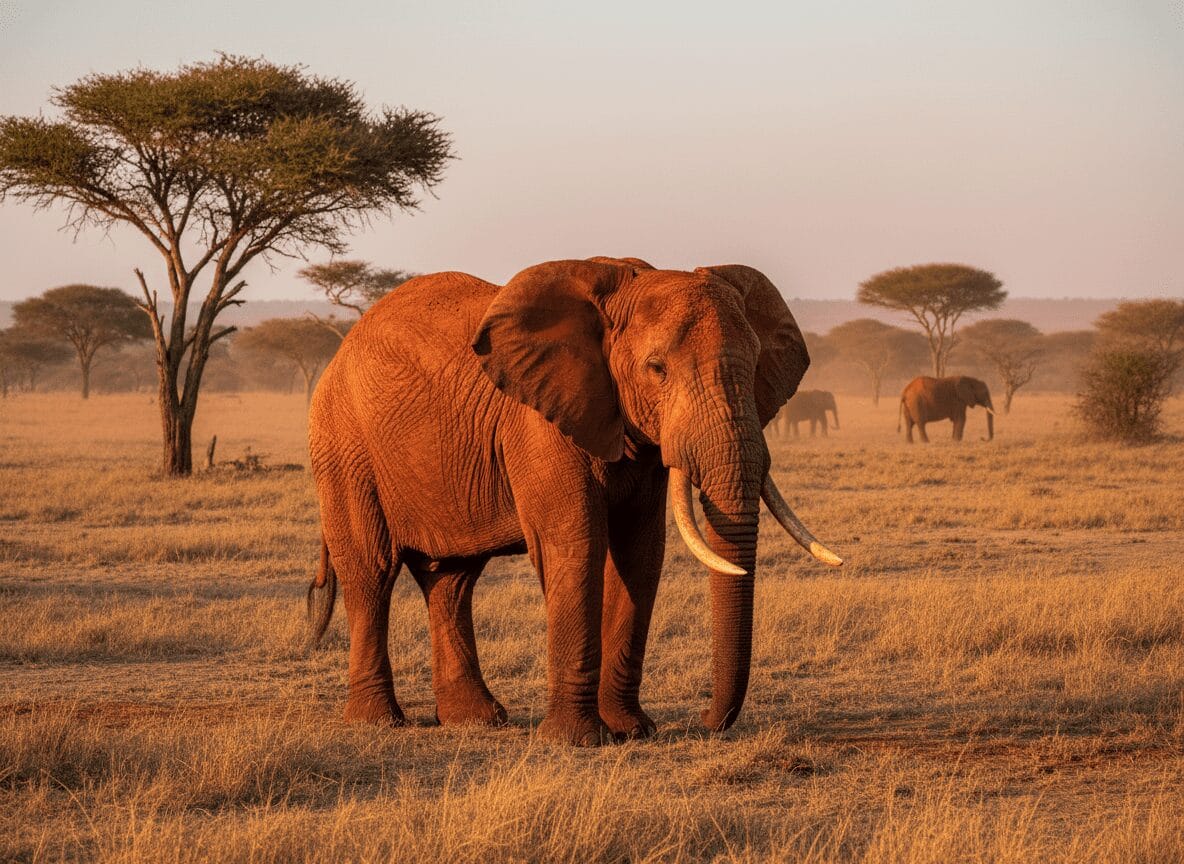
Samburu National Reserve
Samburu is Kenya’s northern wildlife secret. It is the only place to reliably see the Samburu Special Five: reticulated giraffe, Grevy’s zebra, Somali ostrich, Beisa oryx, and gerenuk. The gerenuk – a long-necked antelope that stands on its hind legs to browse – exists nowhere else in Kenya’s accessible park network.Lake Nakuru National Park
Lake Nakuru is East Africa’s premier bird spectacle when flamingo populations are high, and a productive rhino sanctuary at all times. Both black and white rhino are present, and the park’s compact size means rhino sightings are among the most reliable in the country.Ol Pejeta Conservancy
Ol Pejeta is where conservation safari kenya becomes most tangible. The conservancy is home to the world’s last northern white rhinos, a substantial chimpanzee sanctuary, and one of the most progressive community-benefit models in East Africa. A kenya wildlife tour that includes Ol Pejeta is not just a wildlife holiday – it is an active contribution to species survival.Sample Kenya Wildlife Safari Itinerary
A classic Kenya wildlife safari typically begins with an overnight flight into Nairobi – East Africa’s vibrant travel hub and gateway to adventure.Day 1: Arrival in Nairobi Your journey starts with your arrival in Nairobi. After clearing customs, transfer to your accommodation for some well-earned rest. Most inbound flights from North America reach Nairobi late in the evening, so a swift transfer to a city hotel is the norm. Day 2: Nairobi to the Wilds After breakfast, the real safari gets underway. Popular itineraries often move straight from Nairobi into the heart of Kenya’s wild places. Depending on your chosen route, key stops include:- Masai Mara National Reserve: Experience game drives tracking big cats, vast herds during the migration (July–October), and resident wildlife year-round.
- Amboseli National Park: Marvel at iconic elephant herds beneath Mount Kilimanjaro’s snow-capped summit. Early morning game drives are particularly rewarding for photographers and wildlife aficionados alike.
- Tsavo East & Tsavo West: Encounter red-dusted elephants, visit Mzima Springs’ hippo pools, and explore diverse landscapes from sprawling savannah to volcanic flows.
- Samburu National Reserve: Seek out northern specialties – the Samburu Special Five – and enjoy intimate wildlife encounters in dramatic, rugged scenery.
- Lake Nakuru National Park: Witness flocks of flamingos (seasonal), track both species of rhino, and explore a compact park famous for reliable sightings.
- Ol Pejeta Conservancy: Engage with active conservation, visit endangered rhinos, and learn about innovative community-led wildlife protection.
Seasonal Wildlife Guide: What to See and When
July to October (Dry Season – Peak Wildlife): The Great Migration wildebeest crossings in the Masai Mara reach their height. Vegetation is low, water sources are concentrated, and predator activity is at its annual peak across all parks. This is the best period for world safaris kenya-level spectacle.January to February (Short Dry Season): Excellent wildlife viewing across Amboseli, Tsavo, and Samburu. Calving season in the Mara ecosystem produces predator activity as big cats and wild dogs exploit the vulnerable young. Lower visitor numbers than the main season.March to May (Long Rains): Parks are quieter and more affordable. Tsavo’s landscapes are dramatically green. Bird diversity peaks as migratory species are present. Wildlife sightings require more patience but offer greater solitude.November to December (Short Rains): The transition into the short rains brings fresh vegetation and the beginning of migratory bird arrivals. Samburu and Laikipia remain productive for northern species. Shoulder season pricing applies.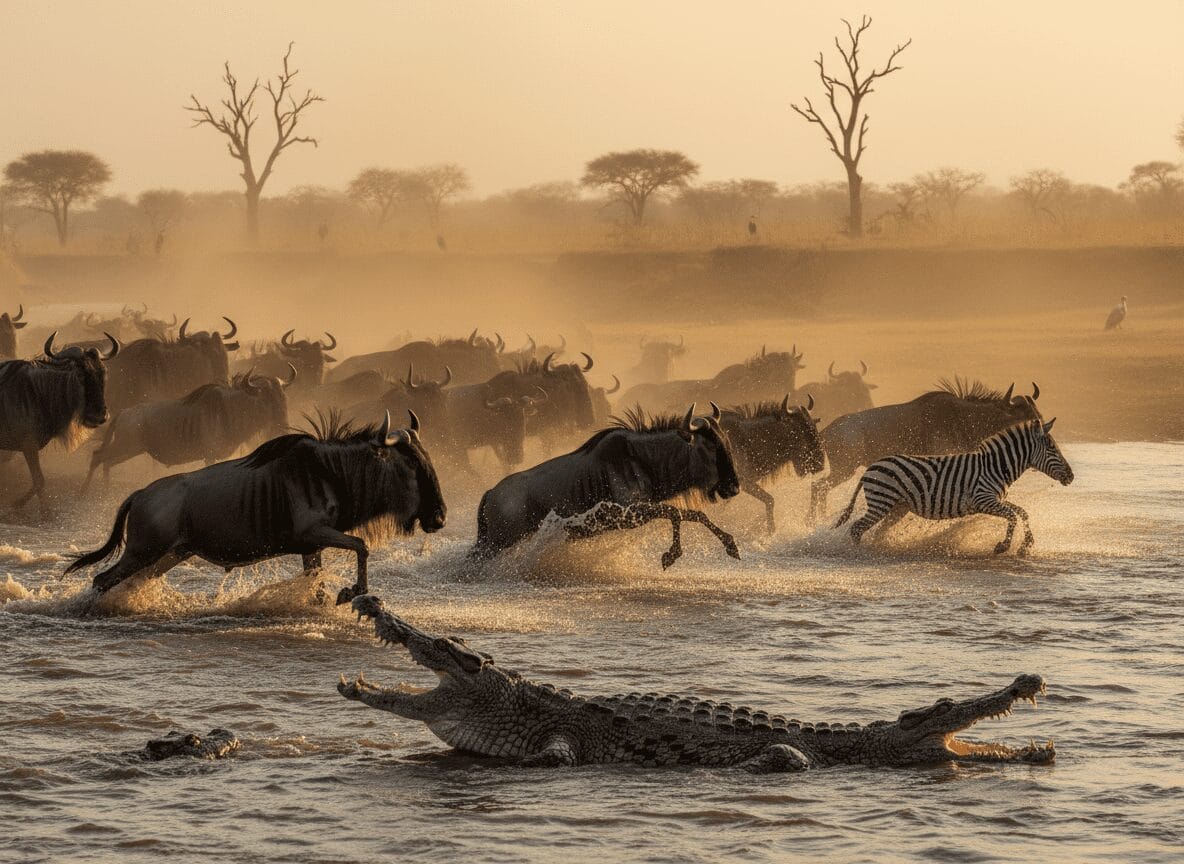
Walking Wildlife Tours: The Deeper Kenya Experience
A vehicle is a tool for covering ground. A walking wildlife tour kenya experience is where genuine connection with the ecosystem begins. On foot, your senses recalibrate. You read tracks, identify scat, understand wind direction, and move within the landscape rather than across it. The scale of Africa shifts – what looks flat from a Land Cruiser reveals itself as layered, breathing terrain.Trunktrails Safaris specialises in walking wildlife tours across Kenya’s ecosystems. Our walks are led by Kenya Wildlife Service-certified walking guides with intimate knowledge of the specific reserves we operate in. Every walk is risk-assessed, fully briefed, and structured to deliver ecological depth that no game drive can match.Activity Level: HighWalking safaris are inherently active experiences. Expect to spend several hours each day on foot, navigating uneven ground, gentle hills, and open savannah, sometimes under the African sun. While these tours don’t require marathon fitness, a reasonable level of mobility and comfort with moderate physical exertion ensures you’ll get the most from each day. Good walking boots, a hat, and water bottle are essentials; the pace is set by the slowest walker, with plenty of stops for tracks, birds, and the unexpected drama of the bush.Walking safaris also reveal the smaller details that vehicles roll past – the geometric precision of a dung beetle’s work, the warning call of a fork-tailed drongo alerting every species within earshot to a predator’s approach, the way a herd of impala orientates itself downwind before committing to a waterhole. For guests who want the full Kenya wildlife experience – not just the checklist – a walking wildlife tour is the defining difference between a holiday and a genuine encounter.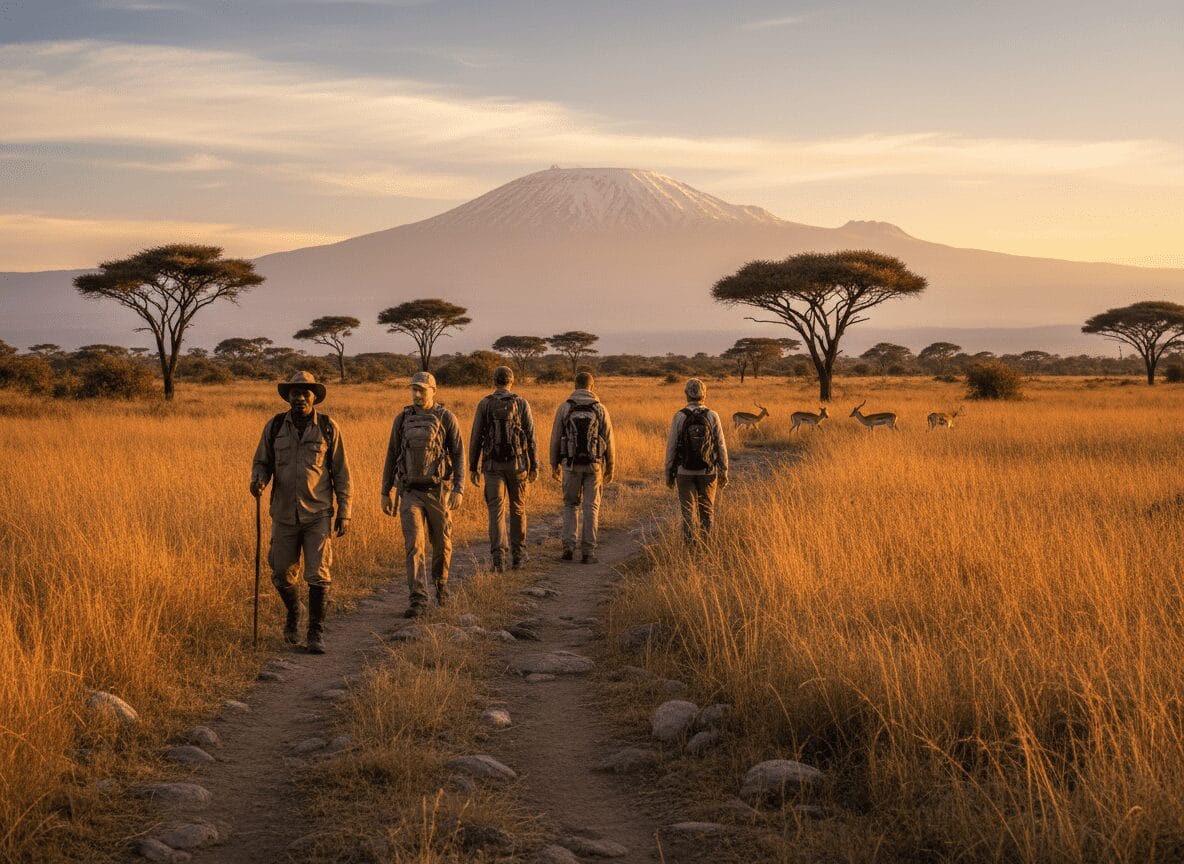
Cultural Connection: Immersive Encounters Beyond the Wildlife
Wildlife may take center stage, but no Kenya safari is complete without genuine interactions with the people who call these landscapes home. At Trunktrails Safaris, every itinerary builds cultural learning naturally into the journey – not as a sideshow, but as an essential thread.Your experience includes:- Guided explorations of key heritage sites, such as the Karen Blixen Museum, where the colonial history of “Out of Africa” tangles with modern Nairobi life beneath ancient jacaranda trees.
- Community visits led by local experts – the beating heart of any meaningful safari. Meet Maasai hosts whose knowledge of land, livestock, and conservation stretches back generations. Your guides don’t just point out wildlife; they unlock the stories and customs behind every landscape.
- A stop at artisan workshops where traditional skills fuel transformation – from beadwork that sustains generations of Kenyan women to cooperative collectives bringing income and agency to entire villages.
- Discovery at the National Museum of Kenya, where paleolithic treasures and vibrant contemporary art exist side-by-side, reflecting the continuity of heritage.
Conservation-Led Wildlife Tours: Safari With Purpose
The kenya wildlife experiences that stay with guests longest are the ones that carry meaning beyond the sighting. Trunktrails Safaris builds conservation education into every tour we operate.On a conservation safari kenya guests learn the real pressures on each species – not the sanitised version. They understand why elephant corridors matter, what ivory demand does to family structures, why rhino numbers are only recovering through armed conservancy protection, and how community land agreements determine whether wildlife survives or disappears on the boundaries of every national park.We partner exclusively with camps and conservancies that run measurable community benefit programmes. A portion of every Trunktrails booking supports community conservancy operations directly. This is not a marketing footnote – it is the operational model. To learn more about Kenya’s official conservation framework, visit the Kenya Wildlife Service.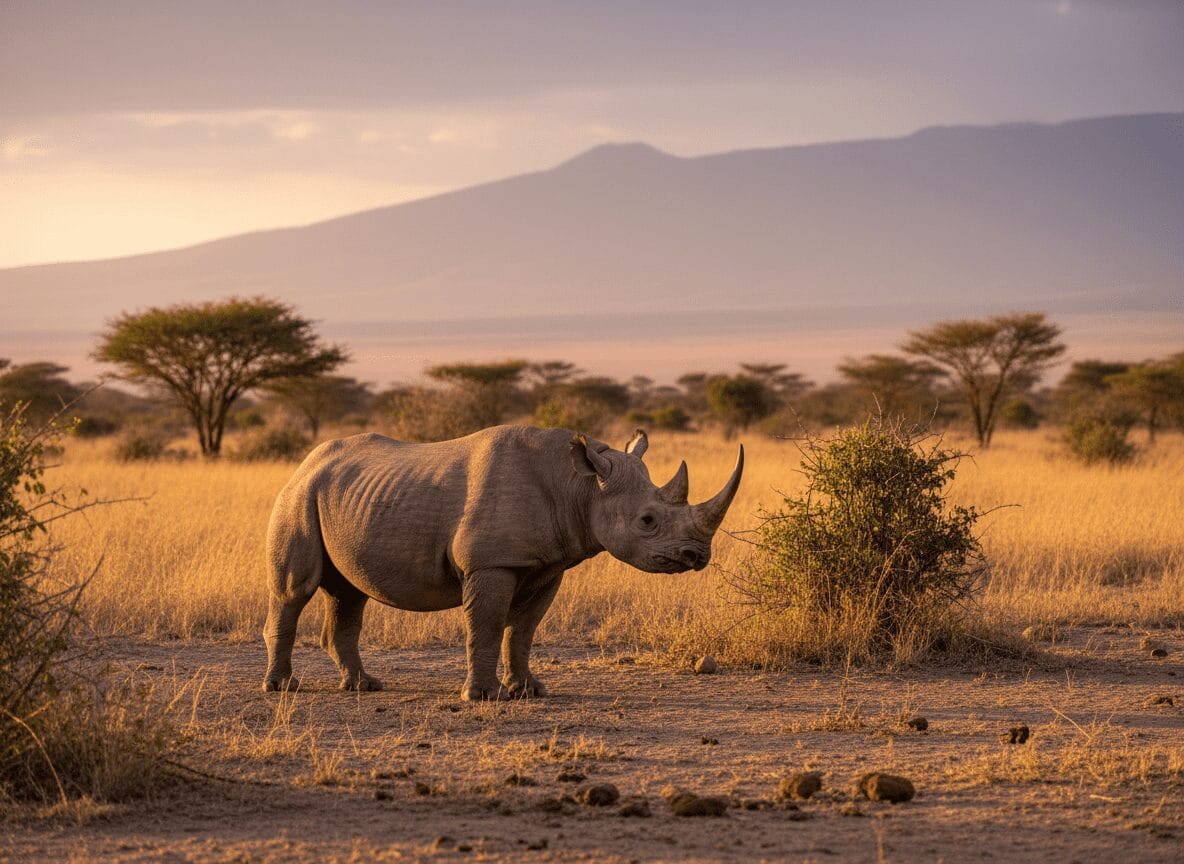
How to Choose the Right Wildlife Tour in Kenya
Not all wildlife tours in kenya deliver the same experience. Here is how to evaluate any operator before you book.Guide quality is everything. Ask whether guides are Kenya Wildlife Service-certified. Ask how many years they have worked the specific parks on your itinerary. A guide with 15 years in the Mara will find you a leopard. A generalist guide will show you the road.Vehicle configuration matters. Pop-top 4x4s with a maximum of six passengers per vehicle preserve the quality of every sighting. Minibuses with ten passengers and a fixed roof produce a fundamentally different experience.Walking safari availability. If an operator cannot offer a certified walking wildlife tour kenya option, they are limiting your access to Kenya’s most authentic wildlife experience.Conservation credentials. Ask which conservancies your stays support and what percentage of your accommodation fee goes directly to community benefit. The answer reveals the operator’s real values.Flexibility. The best wildlife sightings are rarely scheduled. An operator who can extend a game drive, change a route, or hold at a sighting has the operational freedom that produces extraordinary experiences.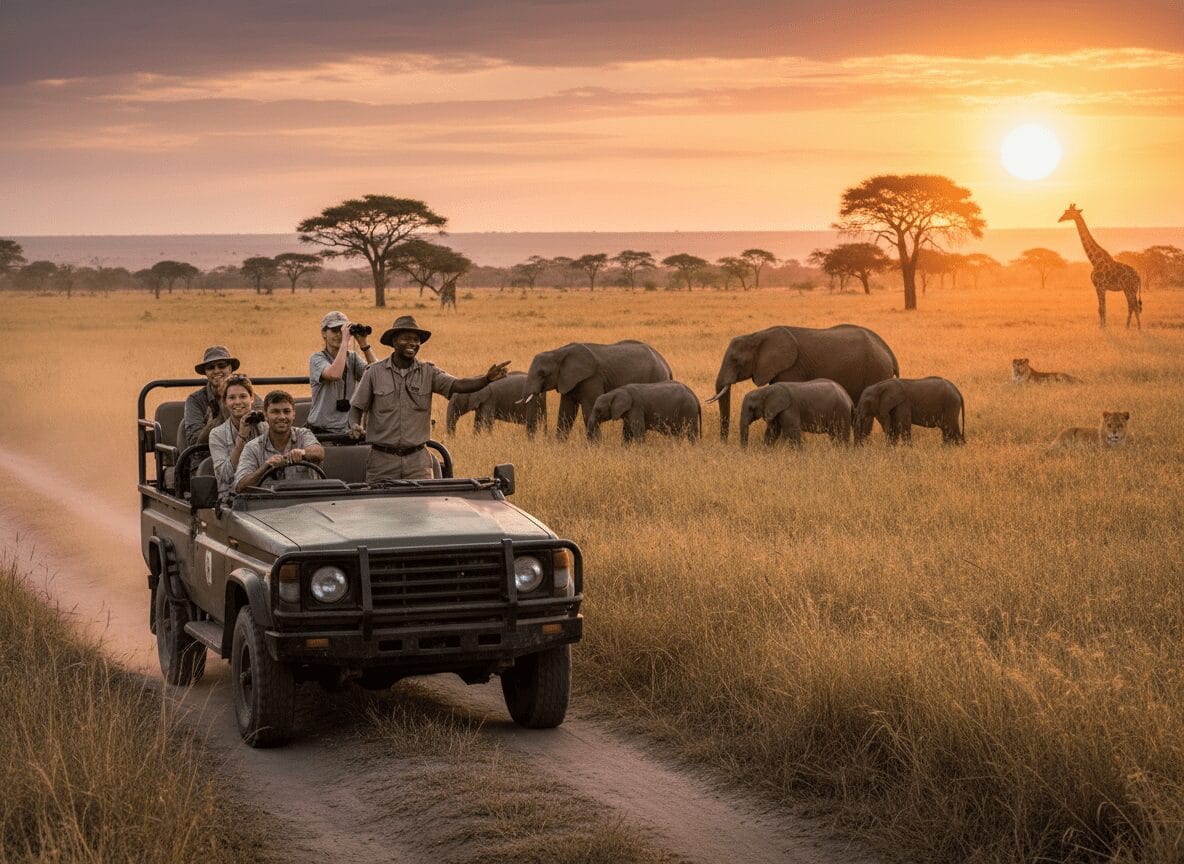
What’s Included in Your Wildlife Safari Tour
When you book a wildlife tour with Trunktrails Safaris, your experience is designed to be both seamless and immersive from start to finish. Here’s what you can expect as part of your package:- Accommodations: You’ll stay for 10 nights in a curated mix of safari lodges and boutique hotels – each selected for their comfort, distinct character, and proximity to key wildlife areas.
- Meals: All breakfasts are included, alongside most lunches and dinners, served with a selection of local beers and wines. Expect farm-to-table ingredients and menus that reflect the region’s flavors.
- Game Drives and Guided Activities: Your days include six expertly guided game drives in custom 4×4 vehicles, maximizing your chances of close wildlife encounters (yes, the classic “Big Five” and beyond). Additionally, you’ll enjoy guided visits to cultural sites, community conservancies, and conservation centers.
- Expert Team: Every tour is accompanied by a lead Tour Director – your anchor throughout the journey – as well as specialist local guides (including naturalists and Maasai hosts) who bring deep insight into Kenya’s wildlife and culture.
- Comfortable Transportation: Transfers between parks and reserves are handled in private safari vehicles, fully equipped for both comfort and the best viewing angles.
- Group Size: Groups are deliberately kept small (never more than 22 travelers) to ensure unobstructed wildlife sightings and a genuine sense of camaraderie on the road.
Optional Excursions & East Africa Extensions
For travellers seeking to deepen their wildlife immersion, Trunktrails Safaris offers optional extensions into neighbouring Tanzania. Experience the thundering migration on the endless savannahs of the Serengeti or descend into the lush, wildlife-rich caldera of Ngorongoro Crater – both world-renowned for their density and diversity of wildlife.Additional curated excursions within Kenya include specialized birdwatching walks with ornithologists, cultural exchanges with Maasai or Samburu communities, and guided night drives in private conservancies where elusive nocturnal species emerge. Each experience is crafted to add new dimensions and stories to your safari, ensuring that your journey is shaped by what fascinates you most.Support and Assistance Before and During Your Kenya Wildlife Tour
At Trunktrails Safaris, we know that seamless support transforms a good trip into an exceptional one. Our assistance begins the moment you book and extends until you board your flight home, ensuring each detail aligns with your travel style.Before Your Safari:- Get answers fast – whether you’re unsure what to pack, navigating visas, or want tips on currency and tipping etiquette, our team is on hand by phone or email for practical advice.
- Every guest is paired with a dedicated safari coordinator who manages your itinerary, special requests, and any custom arrangements, from early arrivals to extended stays or flexible departures.
- Upon landing in Kenya, you’ll be met by a Trunktrails representative, ready to guide you through arrivals and fast-track you to your accommodation.
- Your luggage is personally handled and tracked, minimizing airport hassle.
- Should plans shift – delayed flights, last-minute route changes, or an impromptu detour to catch a river crossing – our operations team is available 24/7, adapting quickly so your safari experience stays uninterrupted.
- Throughout your trip, our experts are only a call away for anything from medical assistance to advice on the best sundowner spot.
Group Bookings and Special Offers for Larger Parties
Traveling with family, friends, or a close-knit group? Trunktrails Safaris offers tailored options for group bookings, making it easy to create a private Kenya wildlife adventure for parties of six or more. Whether you’re celebrating a milestone birthday, reuniting with extended family, or finally bringing that long-awaited friends’ trip to life, we can arrange custom itineraries and exclusive experiences suited to your group’s interests.Benefits include:- Flexible accommodation options, with camps and lodges that cater specifically to group dynamics.
- Private vehicles and guides dedicated exclusively to your party.
- Special rates and value-added offers for larger groups, ensuring your planning effort is genuinely rewarded.
- Opportunities for bespoke activities, community visits, or conservation talks not usually available on standard tours.
How Are Guides and Tour Directors Rated by Past Travelers?
Guest feedback makes one thing clear: the quality of your guide or tour director defines your Kenya wildlife experience. Travelers regularly remark on the instinct, local insight, and fieldcraft that experienced Kenyan guides bring to every game drive – and how this turns a standard safari into a masterclass in animal behavior.Reviews describe guides as equal parts storyteller, tracker, and teacher. It’s not simply about ticking off the Big Five; it’s the way a veteran guide can anticipate where a pride of lions will emerge or pick out a rare bird call in the acacia thickets. Many guests recall a favorite moment – whether following fresh leopard tracks at dawn, pausing for a sundowner while watching migrating herds, or decoding the drama of a river crossing – with the guide’s expertise making it possible.Appreciation for guides often extends beyond skills in the field. Skilled tour directors are commended for their organizational ability, professionalism, and warmth, turning group trips into communal adventures. The bond that forms during days on safari is frequently cited as a highlight of the journey – proving that the human connection, as much as the wildlife, leaves a lasting impression.What Past Guests Say: Real Kenya Safari Reviews
The most enduring impressions from Trunktrails Safaris come from guests who recall those rare, unscripted moments – waking to the low rumble of elephants beyond their canvas wall, stumbling on a pride of lions napping undisturbed in the midday haze, or spotting an elusive leopard thanks to a guide who seems to read the land as easily as a map.Reviews from our travelers repeatedly highlight a few constants:- Guides who make the difference: Many guests mention not just the knowledge, but the sheer enthusiasm and sharp-eyed skill of their tour leaders and drivers. A guide who can decode tracks, anticipate animal behavior, and answer every question creates a trip that feels both personal and profound.
- Immersive wildlife moments: There is universal praise for the up-close wildlife encounters – the “Big Five” and far beyond. Guests often describe the thrill of watching wildlife at dawn, or the quiet wonder of seeing animals from the comfort of their own verandah as the sun rises.
- Authentic, comfortable stays: While Kenya’s backroads sometimes turn a drive into an adventure of its own, guests consistently appreciate thoughtful accommodation choices – lodges and camps placed at the edge of wild space, with every comfort accounted for, but none of the wildlife atmosphere diluted.
- Meaningful connections: The most memorable safaris are not just about lists of animals spotted, but the relationships formed along the way – with guides, with fellow travelers, and with the landscape itself.