Wilderness Mara Camp: What the New Wilderness Safaris Property in the Mara Triangle Delivers
The Mara Triangle — the western section of the Masai Mara ecosystem, managed by the Mara Conservancy on behalf of the Trans Mara County government — has long been the quieter, better-managed side of the Masai Mara. It accounts for roughly a third of the reserve’s area, receives a fraction of the vehicle traffic, and its riverine grasslands consistently produce some of the most dramatic predator and migration sightings in Kenya.
Wilderness Safaris, the Botswana-based conservation operator known for remote, low-volume camps in some of Africa’s most sensitive wilderness areas, entered the Mara Triangle in 2026 with two properties: Wilderness Mara and a second intimate camp designed for very small groups. Their entry into Kenya marks a significant moment for the country’s luxury safari market. 🦁
This guide covers what Wilderness Mara Camp is, what the experience involves, how it compares to other Mara Triangle options, and who it suits best.
What Is Wilderness Mara Camp?
Wilderness Mara Camp is a luxury tented safari camp situated in the Mara Triangle, the western section of the Masai Mara National Reserve managed by the Mara Conservancy. It opened in mid-2026 as part of Wilderness Safaris’ expansion into Kenya following its long-established presence in Botswana, Zimbabwe, Namibia, Rwanda, and Zambia.
The Wilderness Safaris model — which the company has refined over 40 years — centres on a specific philosophy: extremely low guest numbers, high guide-to-guest ratios, active conservation integration in camp operations, and a deliberately remote feel. Their camps are not luxury hotels in the bush. They are places where the wilderness is the primary experience and accommodation exists to support it, not to compete with it.
Camp specs (2026):
- 8 tents (maximum 16 guests)
- Mara Triangle location (west bank of Mara River)
- Conservation fee included in rate
- Full-board and activities all-inclusive
- Night game drives (Mara Conservancy permits applicable)
- Walking safaris with armed ranger
The camp’s position in the Mara Triangle rather than the main reserve (Narok County) means guests do not pay the USD 200 per person per day Narok park fee. The Mara Conservancy applies its own fee structure, which is built into camp rates.
Location: Why the Mara Triangle Matters
To understand why Wilderness Mara Camp’s location is significant, you need to understand the difference between the Mara Triangle and the main reserve.
The Masai Mara National Reserve is divided by the Mara River. The larger eastern section (roughly two-thirds by area) falls under Narok County management. This is the section most visitors see, where most camps are located, and where most of the vehicle congestion occurs during peak migration season.
The Mara Triangle — the western third, between the Mara River and the Tanzania border — is managed separately by the independent Mara Conservancy under a contract with Trans Mara County. The Mara Conservancy has been praised internationally for its anti-poaching programme, road maintenance, and strict vehicle management. Vehicle numbers in the Triangle are controlled more effectively than in the eastern section.
In practical terms: A guest staying in the Mara Triangle during peak migration (August-September) will typically see:
- Fewer vehicles per sighting (enforced by the Mara Conservancy)
- Better road conditions (the Triangle’s tracks are maintained to a higher standard)
- Excellent river crossing viewpoints (the Mara River forms the Triangle’s eastern boundary)
- The same wildlife density as the main reserve
For luxury solo travelers and experienced safari-goers who know what vehicle congestion does to a crossing sighting, the Mara Triangle location is a deliberate quality choice, not just a geographical detail.
The Wilderness Safaris Difference: What Sets This Camp Apart
Guide quality: Wilderness Safaris is known for its guide training programme — arguably the most rigorous in the African safari industry. Guides complete a multi-year certification pathway before leading guests independently. The guides at Wilderness Mara bring this institutional knowledge alongside specific Mara ecosystem expertise. A Wilderness Safaris guide is expected to brief guests on ecology and conservation at a level that goes beyond game identification.
Conservation integration: Wilderness Safaris operates a “Beyond Conservation” model — every camp is designed to contribute measurable conservation outcomes. At Wilderness Mara, this includes support for the Mara Conservancy’s anti-poaching unit, community benefit protocols, and wildlife monitoring that contributes to the broader Mara ecosystem research database.
Camp design: The 8-tent footprint follows the Wilderness aesthetic: tents built to blend with the landscape, natural materials, minimal lighting impact, and open-plan designs that prioritise the connection between guest and wilderness. Tent sizes at Wilderness Mara run to approximately 40-50 square metres including the ensuite bathroom and private deck.
Night game drives: The Mara Conservancy permits night game drives within the Triangle, unlike Narok County which prohibits them in the main reserve. Night drives at Wilderness Mara are guided and use specialized lighting to avoid disturbing nocturnal wildlife. They access different predators and behaviours than daytime drives — servals, genets, bat-eared foxes, and occasionally leopard on nocturnal hunts. 🐆
What the Wildlife Experience at Wilderness Mara Looks Like
The Mara Triangle’s wildlife follows the same patterns as the broader Mara ecosystem, with some location-specific characteristics.
Migration: The Mara River forms the Triangle’s eastern boundary. Wildebeest herds approaching the river from the Tanzania side (Serengeti) cross into the Triangle. The crossing viewpoints accessible from the Triangle’s west bank include some of the most dramatic positions in the entire ecosystem. Being on the west side of the river, looking east toward the herds massing on the Tanzania plains, is a different — and in many ways more dramatic — visual experience than watching from the eastern reserve.
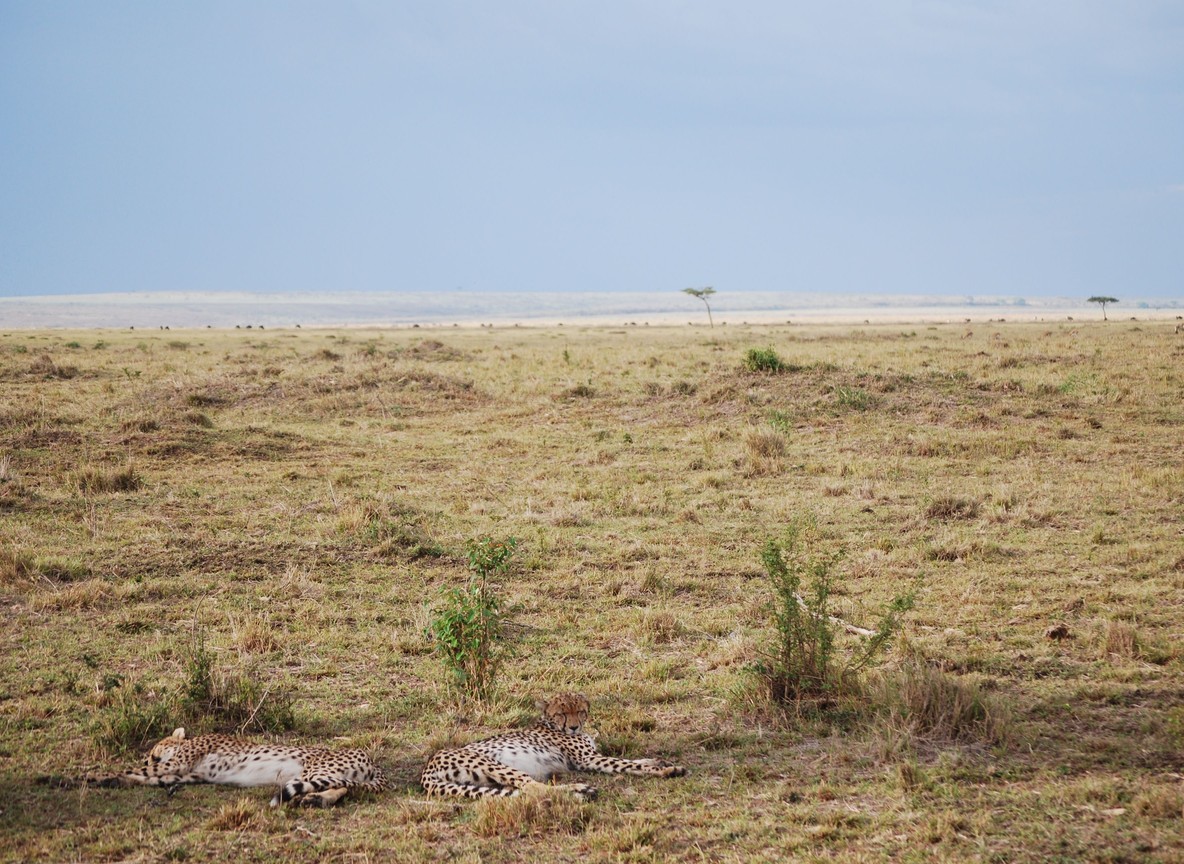
Big cats: The Mara Triangle’s managed vehicle limits translate directly to better big cat experiences. Lion prides and cheetah coalitions that have learned they can hunt without constant vehicle interruption are more relaxed, more natural, and more accessible. The Triangle has documented resident cheetah families and lion prides that guides track year-round.
Elephant and buffalo: Large herds move freely across the Triangle’s grasslands. The riverine corridors along the Mara River support consistent elephant sightings at all times of year.
Birding: The Mara Triangle’s variety of habitats — riverine forest, open grassland, rocky outcrops — supports over 450 bird species. For wildlife travelers who combine big game viewing with serious birding, this is one of Kenya’s richer sites.
How Does Wilderness Mara Compare to Other Mara Triangle Camps?
| Camp | Location | Tents | Price Range (pp/night) | Key Differentiator |
|---|---|---|---|---|
| Wilderness Mara | Mara Triangle | 8 | USD 800-1,400 | Wilderness Safaris model, conservation integration, guide quality |
| Mara Serena Safari Lodge | Mara Triangle | 74 rooms | USD 300-600 | Scale, established, good value |
| Angama Mara | Triangle escarpment | 30 suites | USD 1,000-1,600 | Cliff-top views, film Out of Africa location |
| Olumara Tented Camp | Mara Triangle | 12 | USD 500-900 | Good mid-luxury, family friendly |
Wilderness Mara sits at the premium end of the Triangle market — comparable in price to Angama Mara but with a very different aesthetic. Angama is architecturally spectacular and view-driven; Wilderness Mara is wilderness-immersive and guide-driven. For experienced safari travelers whose priority is wildlife quality and guide depth over design drama, Wilderness Mara is the more satisfying choice.
Who Is Wilderness Mara Camp For?
Best fit:
- Second or third safari travelers who know what they want and have experienced the main reserve
- luxury solo travelers seeking exclusivity and genuine wilderness
- Conservation-engaged guests who want to understand the Mara ecosystem rather than just observe it
- Couples who want the migration experience without peak-season vehicle congestion
- Travelers specifically interested in night game drives (not available in the main reserve)
Less suited for:
- First-time safari travelers who need a broader orientation (a larger camp with more varied programme structure may be better)
- Families with young children (the remote location and adult-focused conservation programme are better for 14+)
- Guests prioritising architectural drama over wilderness immersion
Rates and Booking for 2026
Wilderness Mara Camp opened mid-2026 and peak season availability (July-October) filled quickly. Rates for 2026 run approximately USD 800-1,400 per person per night all-inclusive. Given the camp’s small size (8 tents), advance booking is essential — 9-12 months ahead for peak migration season, 4-6 months for shoulder season.
Wilderness Safaris accepts bookings through The Safari Collection (its Kenya operating partner) and through specialist agents including Trunktrails Safaris.
The Trunktrails Advantage: Placing You in the Right Camp
Wilderness Mara Camp is an outstanding property. But it is not the right camp for every guest. The Mara ecosystem has 40+ camp options across the main reserve and conservancies, and the difference between a camp that is perfect for your specific priorities and one that merely sounds good online is significant.
Trunktrails Safaris’ role in a booking like this is not just securing availability — it is asking the right questions first. What is your priority: migration crossing access or big cat sightings? Do you want a facilitated conservation experience or pure wildlife observation? Do you want night drives or is that not relevant to you? The answers determine not just whether Wilderness Mara is right for you, but exactly which 3-5 nights of your Mara stay it should occupy.
We run tours and safaris across the Mara ecosystem and we know the camps from direct visits and long-term guide relationships — not from brochures. ✨
Book Wilderness Mara Camp or Build a Full Mara Itinerary
Contact Trunktrails Safaris to check Wilderness Mara Camp availability and discuss where it fits in your Kenya itinerary:
Further reading
More safari planning resources
- Wildebeest migration route map from Valley Safaris
- Mara River crossing guide on Touring Insights
- Great Migration safari collection on FindMySafari
- Luxury safari collection on FindMySafari
- WhatsApp: +254 113 208888
- Email: info@trunktrailssafaris.com
- Website: trunktrailssafaris.com
- | Nairobi-Based | Kenyan-Owned
Image credits: Photo by MC G’Zay on Pexels; Photo by Mechi Torralva on Pexels; Photo by Image Noise on Pexels; Photo by agastya ambadi on Pexels; Photo by Ken Mwaura on Pexels