
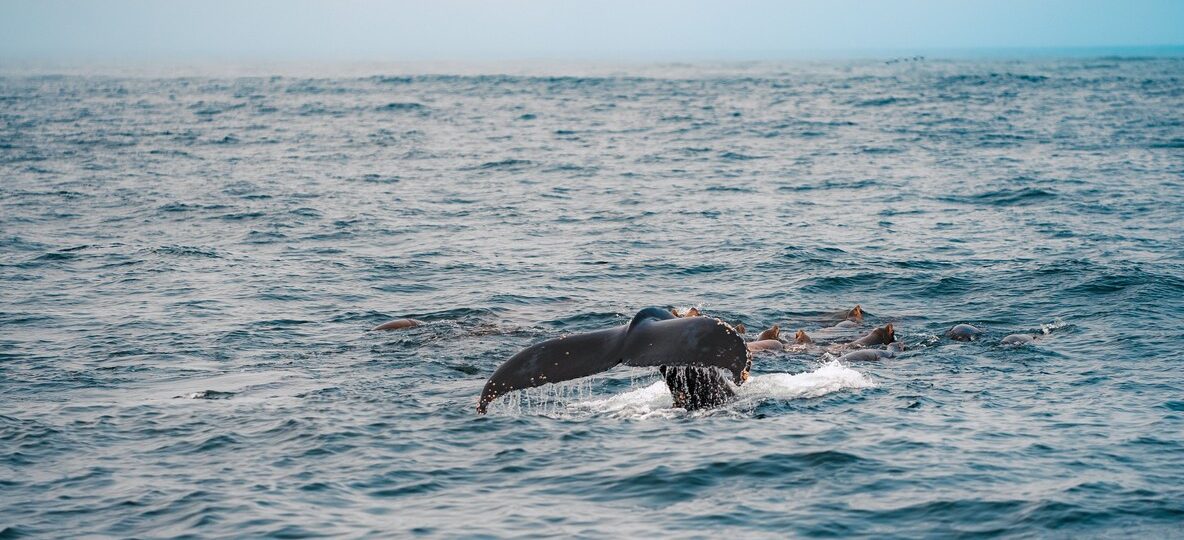
Whale Watching in Kenya: Your Complete Guide to Humpback Season on the Watamu Coast
Every year, without fail, the deep waters off Kenya’s northern coast turn into one of the Indian Ocean’s most dramatic stages. Between July and October, humpback whales cruise through the warm waters along the Watamu coastline, and whale watching in Kenya draws a growing community of wildlife photographers, marine biologists, and nature-first travellers who want something far beyond a standard game drive.
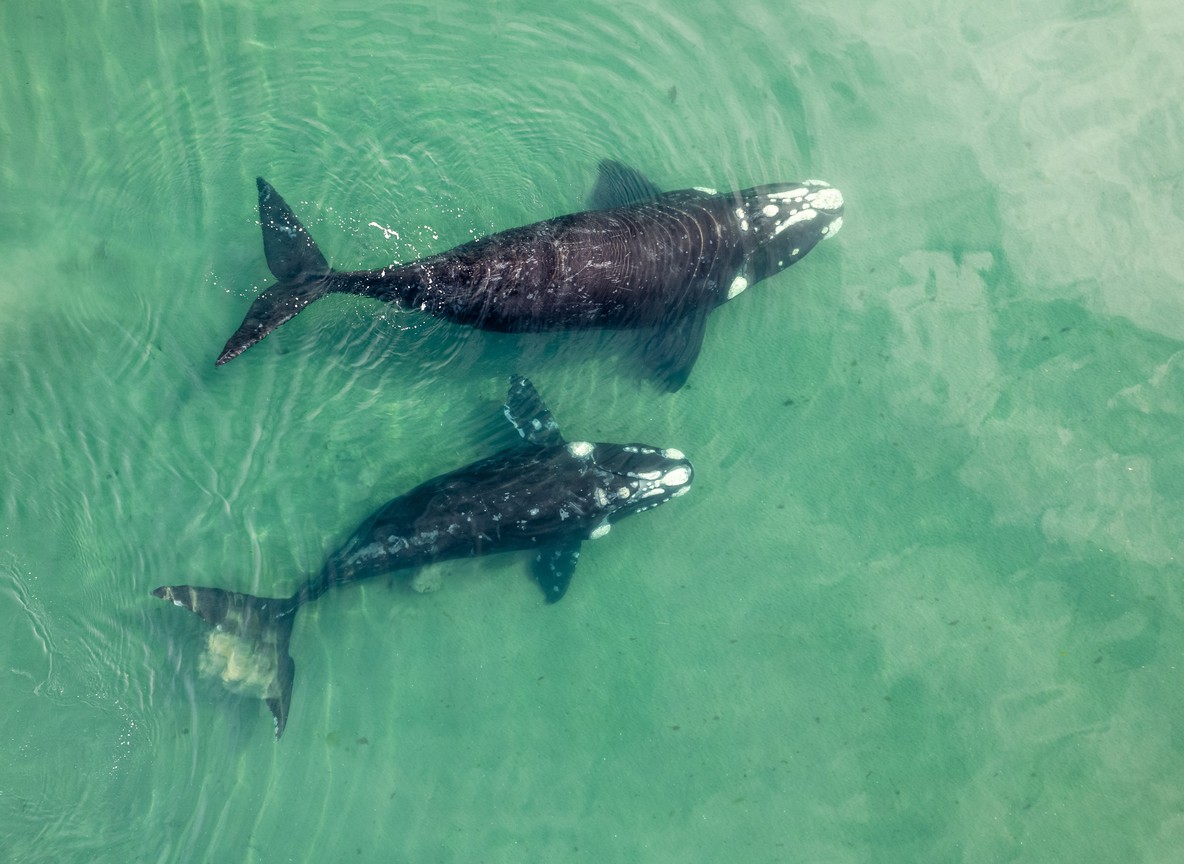
If you have been wondering whether whale watching in Kenya is worth the journey, the answer is an unqualified yes. This guide gives you everything you need: exactly when to go, where to position yourself, what the sea conditions are like, what the trip costs, and what else shares the water during peak whale season. Trunktrails Safaris has combined coastal itineraries with Indian Ocean wildlife encounters for years, and the Watamu coast is one of the clearest expressions of that philosophy. 🌍
When Do Humpback Whales Arrive in Kenya?
Humpback whales (Megaptera novaeangliae) complete one of the longest migrations of any mammal on earth. They spend austral summer (November to April) feeding on krill in Antarctic and sub-Antarctic waters, then travel north along the East African coast to breed and nurse calves in the warmer waters of the western Indian Ocean.
Kenya sits directly on this northward migration corridor. The Watamu Marine Association, which has been tracking cetacean sightings since 2010, logs the first confirmed humpback sightings off Watamu in early July most years. Numbers build steadily through August and September, which are the peak months, before the whales begin their southward return in October.
| Month | Humpback Activity | Sea Conditions | Notes |
|---|---|---|---|
| July | Arrival; first sightings | Moderate swell, occasional SE trade winds | Season opens; fewer crowds |
| August | Peak numbers | Generally calm, good visibility | Best month for photography |
| September | Peak numbers | Calm to light swell | Calves and mothers common |
| October | Departure phase | Slightly variable | Southward migration visible |
| November-June | No humpbacks | Variable | Whale sharks possible Mar-Jul |
That table matters because timing determines what you see. A September trip gives you the highest chance of watching a mother and calf pair rolling and breaching together within a few hundred metres of your boat. July arrivals are exciting in a different way: you are watching the first scouts of the season feel their way along a coastline your own ancestors would have walked.
Where Whale Watching in Kenya Actually Happens
Watamu is the operational hub for all serious whale watching on the Kenyan coast. The village sits 120 km north of Mombasa and 15 km south of Malindi, in Kilifi County. Boat trips depart from Watamu Beach and from moorings used by local operators near the entrance to Watamu Marine National Park.
Humpbacks are typically spotted between 2 km and 20 km offshore. The continental shelf drops away fairly steeply here, giving deep water access close to shore, which is why the whales come in relatively near the coast rather than staying in mid-ocean. Sightings are most common off the headlands known locally as Turtle Bay and Blue Lagoon Point, where warm currents converge.
Watamu Marine National Park itself covers 32 km² and was gazetted in 1968, making it the oldest marine protected area in Kenya and one of the oldest in Africa. The surrounding Watamu Marine National Reserve adds a further 268 km² of managed water, providing a broad protected corridor through which the whales move undisturbed by commercial fishing vessels. Kenya Wildlife Service (KWS) enforces strict no-take rules inside the national park.
Practical Whale Watching: Boats, Costs, and What to Expect
No dedicated whale watching industry existed in Watamu five years ago. What has grown up instead is a set of local boat operators, conservation groups, and a handful of lodges that offer guided whale watching as a specific excursion, often combining it with snorkelling on the reef at Turtle Bay.
| Trip Type | Duration | Indicative Cost (per person) | What’s Included |
|---|---|---|---|
| Shared speedboat tour | 3-4 hours | $35-$60 USD | Captain, snorkelling gear, park fees not always included |
| Private charter (2-4 people) | 3-4 hours | $150-$250 USD per boat | Flexible route, preferred for photography |
| Lodge-guided excursion (e.g. Hemingways Watamu) | Half day | $70-$100 USD | Briefing, experienced guide, beverages |
| Research boat (WMA partner slots) | 4-5 hours | Donation-based / $50 | Data collection; priority sighting areas |
Watamu Marine National Park non-resident entry fee is approximately $20 USD per adult; children under 16 pay approximately $10 USD. Confirm current KWS fees on arrival as these are updated periodically. Most shared-boat tours include the park fee in the quoted price, but ask before you book.
Bring a waterproof camera or phone case. Humpbacks breach and slap their enormous pectoral fins (up to 5 metres long) with minimal warning. The 20 minutes after a breach is often the most productive photography window, as whales tend to be socially active in bouts.
Getting to Watamu for Whale Season
From Nairobi, the fastest route is a one-hour flight to Malindi Airport (IATA: MYD), which sits 15 km north of Watamu. Safarilink and Airkenya both serve this route with connections to Wilson Airport. A 30-minute road transfer from Malindi Airport puts you at your lodge in Watamu for the same evening.
By road from Nairobi, the distance is approximately 490 km via the Mombasa Highway. Drive time is six to seven hours depending on traffic. By road from Mombasa, the journey is about 100 km and takes roughly two hours on the Malindi road. Many visitors combine a Watamu coast segment with a Tsavo East or Tsavo West game drive, using Malindi as the coastal base and Voi Gate as the inland entry point (Voi Gate to Watamu is approximately 230 km, around three hours).
Other Marine Wildlife in Season
The July to October window is not just about humpbacks. Kenya’s northern coast rewards patient observers with an entire marine cast that appears alongside the whale season.
Whale sharks overlap in the July window and typically peak between March and July, so the very start of humpback season coincides with the tail end of whale shark aggregations off Watamu. These are the world’s largest fish, not whales, but they create snorkelling encounters with animals up to 12 metres long.
Green sea turtles nest on Watamu’s beaches year-round but are most active at nesting and hatching during the July to November window. The Watamu Turtle Watch programme, run since 1997 by Local Ocean Conservation, rescues bycatch turtles daily and accepts volunteers during the season.
Spinner and bottlenose dolphins are present throughout the year, and whale season boat trips frequently encounter pods of 20 to 50 dolphins riding the bow wave of your boat. Spinner dolphins (Stenella longirostris) are particularly common off the outer reef edge.
Dugongs are rarely seen but genuinely present in the seagrass beds of Mida Creek, a UNESCO-recognised coastal wetland immediately south of Watamu, accessible by kayak.
The Trunktrails Advantage 🐘
Most Kenya tours and safaris treat the coast as an afterthought: three days tacked onto the end of a land safari to decompress on a sunlounger. Trunktrails Safaris does it differently.
Our Watamu whale season itineraries are built around the natural calendar, not a standard package template. We pair a morning whale watching boat trip with an afternoon walk through Arabuko-Sokoke Forest (the largest remaining patch of coastal forest in East Africa, home to Clarke’s weaver and the Sokoke scops owl) so that the day holds both ocean and forest in a single rhythm.
We work with vetted Watamu Marine Association-affiliated boat operators who maintain a minimum 100-metre approach distance from humpbacks, consistent with responsible whale watching guidelines. You are watching animals that are not performing for you. That distinction matters, and the experience is richer for it.
Trunktrails Safaris has created combined Kenya tours and safaris covering Tsavo East, Amboseli, or Masai Mara alongside the Watamu coast, so your inland game drive feeds into a coastal marine encounter without wasted travel days. Custom eight-, ten-, and fourteen-day itineraries are available.
Further reading
More safari planning resources
- Best time to visit Kenya month-by-month map from Valley Safaris
- Best time to visit Kenya on Touring Insights
- Diani Beach guide on FindMySafari
- Kenya national parks map from Valley Safaris
For tours and safaris on the Kenyan coast, we are reachable on WhatsApp at +254 113 208888 or by email at info@trunktrailssafaris.com. Humpback season books quickly, especially August and September slots on private charters and lodge-guided excursions. ✨
Plan Your Whale Watching Trip Now
July to October is a narrow window, and it is the kind of window that rewards those who plan two to three months ahead. The best private charter slots in August and September are typically reserved by May or June, and Watamu’s best-located lodges, particularly Hemingways Watamu and Temple Point Resort, fill during the peak weeks.
Trunktrails Safaris handles all logistics: flights, transfers, marine park permits, boat bookings, and integration with inland safari legs. We run tours and safaris across Kenya for clients from over 40 countries, and the Watamu coast is one of the experiences we are most proud to offer.
Reach us directly: WhatsApp +254 113 208888 | info@trunktrailssafaris.com | trunktrailssafaris.com
Book early. Humpbacks are not on a flexible schedule, and neither are the best cabins in Watamu. 📸
Image credits: Photo by Michal Vaško on Pexels; Photo by Ivan Stecko on Pexels; Photo by Mikhail Nilov on Pexels; Photo by Jules Clark on Pexels