
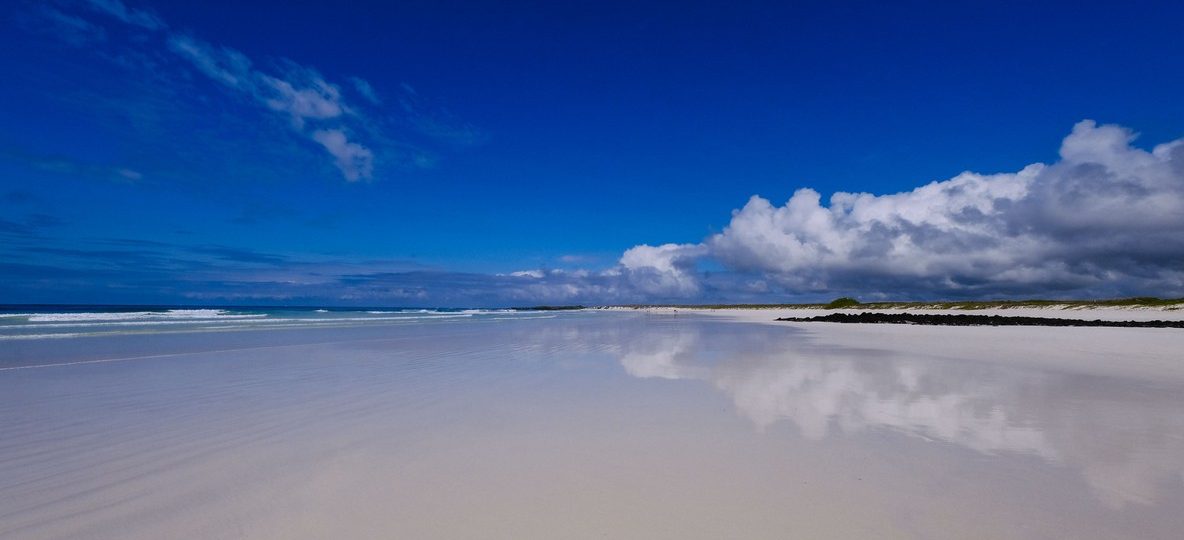
Watamu Marine Park: The Coral Reef Finale to a Kenya Safari and Beach Trip
A Kenya safari builds toward something. Days of dust, engine noise, and the thrill of a lion pride crossing the track ahead. Then the trip needs a landing point, a place to exhale before the flight home. Watamu Marine Park is that landing point. It is the coral reef finale that turns a good Kenya safari into a complete one, and it is one of the best-planned closing chapters in East African travel.
At Trunktrails Safaris, we build safari and beach itineraries that end here more often than anywhere else on the coast. Here is what you need to know before you add Watamu Marine Park to your trip, with real distances, fees, and lodge names so you can plan with confidence.
Why Watamu Marine Park Is the Right Way to End a Safari
Most travellers picture a Kenya safari and beach trip ending on generic white sand. Watamu Marine Park offers something more active. You go from tracking the Big Five on land to snorkeling over living coral within the same week. The contrast is the point.
Watamu Marine National Park and Reserve was gazetted in 1968, making it one of the oldest marine protected areas in Africa. It covers roughly 32 square kilometres of ocean off Kilifi County, and it sits inside a UNESCO Biosphere Reserve alongside Malindi Marine National Park just to the north. The reef starts close to shore, which means even non-swimmers can wade into rock pools at low tide and see starfish, octopus, and moray eels without a boat.
For families closing out an adventure safari, retirees pacing a trip of a lifetime, or couples wanting a quiet final stretch, tours and safaris that end at Watamu consistently rate higher than those that end on beach alone. The reef gives travellers one more genuine wildlife encounter before they fly home. 🐆🌊
Getting From Your Safari to Watamu Marine Park
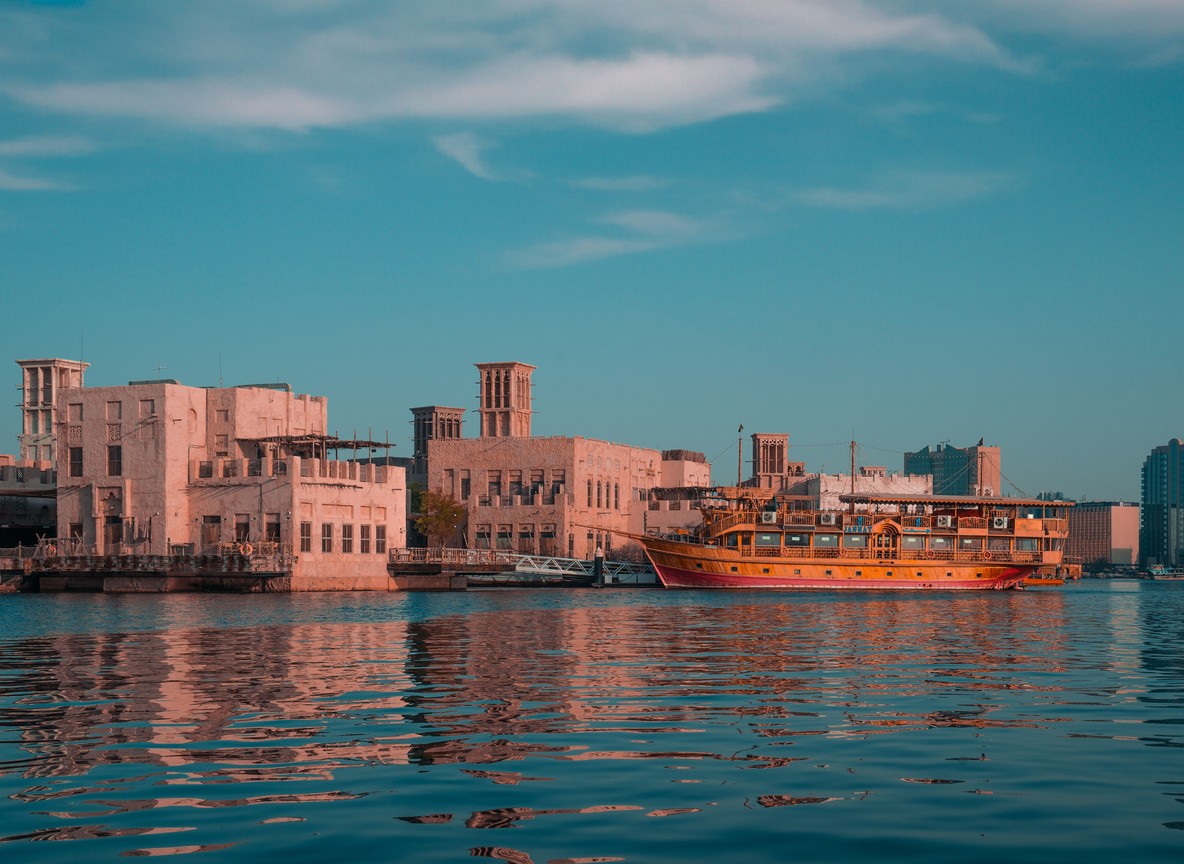
Route planning is where most safari and beach itineraries go wrong. The distances below are the real numbers our Trunktrails Safaris planning team uses when building a safari-to-coast route.
| Route | Distance | Typical Time | Notes |
|---|---|---|---|
| Tsavo East (Sala Gate) to Watamu | ~230 km | ~4 hours by road | Closest major park to the coast; the classic combo route |
| Nairobi to Watamu by road | ~520 km | 7-8 hours by road | Long; most travellers fly this leg instead |
| Nairobi to Malindi Airport by air | ~440 km | ~1 hour flight | Then a 25 km, 30-minute transfer to Watamu |
| Maasai Mara to Watamu | via Nairobi connection | ~3-4 hours door to door | Short bush flight plus onward Malindi flight |
| Malindi Airport to Watamu town | ~25 km | ~30 minutes drive | Tarmac road, easy transfer |
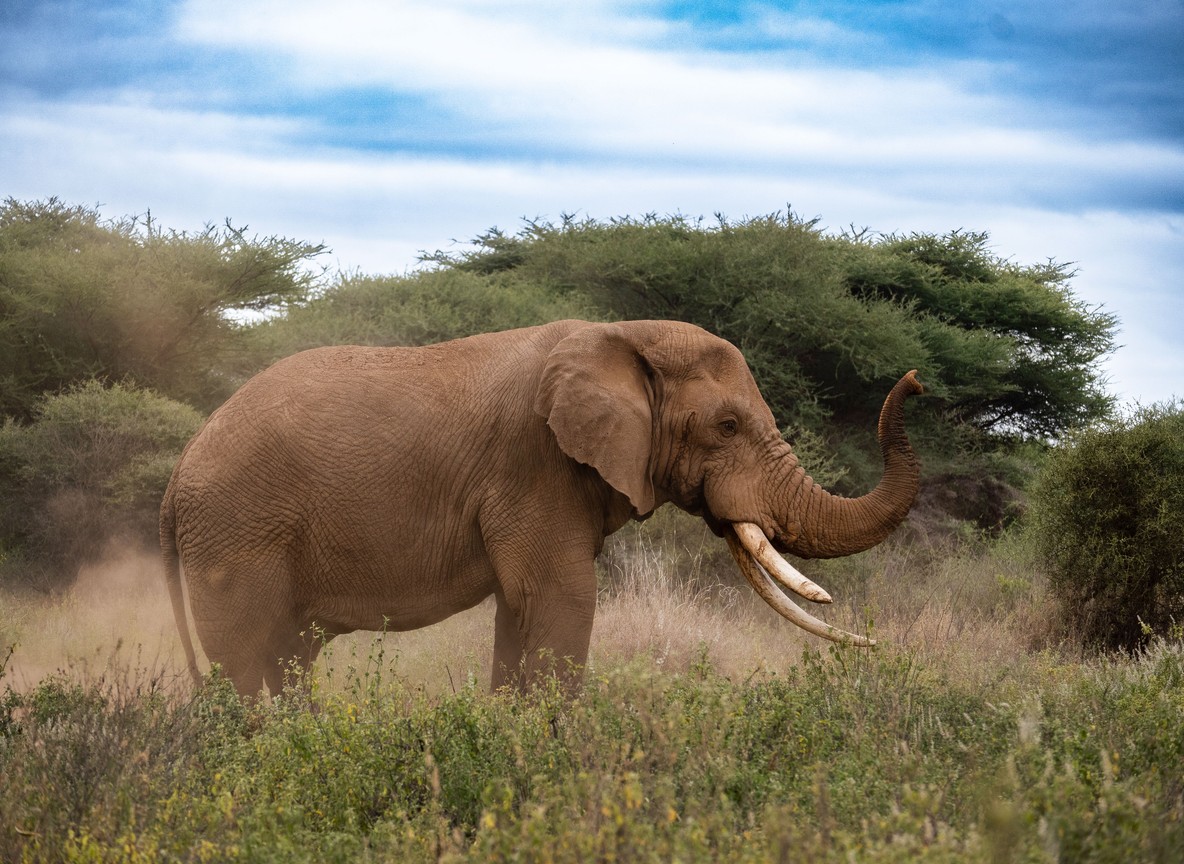
Tsavo East National Park, at 13,747 square kilometres, is Kenya’s largest park and its closest to the coast, which is exactly why so many Trunktrails Safaris itineraries pair Tsavo with Watamu. A safari that starts in the Maasai Mara or Amboseli works too, it just means one more short flight connection through Nairobi.
Inside Watamu Marine National Park: Reefs, Fish, and Turtles
The marine park is built around three distinct reef systems, and each suits a different kind of traveller.
The Blue Lagoon is the calmest entry point, sheltered and shallow, ideal for beginners, children, and anyone snorkeling for the first time. Turtle Bay reef has denser fish life and stronger coral health, a favourite for photographers. Whale Island reef, the deepest of the three, rewards experienced snorkelers and divers with better visibility and larger pelagic species.
Green turtles and hawksbill turtles use Watamu’s beaches and bay year-round, supported by more than three decades of work between local conservation groups and fishing communities. Local Ocean Conservation, based in Watamu, runs a sea turtle rescue centre worth visiting on a rest day. Just inland, Mida Creek’s mangrove boardwalk and the 15th-century Gede Ruins add two easy half-day excursions that pair naturally with a beach-and-reef schedule. Arabuko-Sokoke Forest, at roughly 420 square kilometres, is the largest remaining stretch of coastal forest in East Africa and sits within a short drive of Watamu town for anyone wanting a change of scene from the water. 🐘📸
Facts and Costs at a Glance
Prices below are indicative ranges only. Confirm current rates directly with Trunktrails Safaris or the Kenya Wildlife Service before booking, as marine park fees are revised periodically.
| Item | Indicative Figure |
|---|---|
| Watamu Marine National Park and Reserve size | ~32 km² |
| Year gazetted | 1968 |
| Distance from Mombasa | ~105 km north |
| Distance from Malindi town | ~15 km south |
| Non-resident adult park entry fee | indicative USD 20-25 |
| Non-resident child park entry fee | indicative USD 10-15 |
| Shared snorkeling boat trip | indicative USD 25-40 per person |
| Glass-bottom boat or dolphin-watching trip | indicative USD 30-45 per person |
| Mid-range beachfront hotel | indicative USD 90-180 per night |
| Luxury beachfront lodge | indicative USD 250-450 per night |
Best Time to Visit Watamu Marine Park
Visibility underwater is best from October to March, when the water is calmer and clearer, and again briefly in July. The long rains fall between April and June, and visibility drops during that window, so most Trunktrails Safaris coastal itineraries avoid scheduling the Watamu leg then. Whale sharks pass offshore from November through March, and humpback whales are seen further out from July through October, so the season you choose can add a second marine highlight on top of the reef itself.
Where to Stay Near Watamu Marine Park
Accommodation near the marine park spans the full range, from simple beachfront guesthouses to full luxury lodges, and nearly all of it sits within a short walk or drive of a snorkeling launch point.
Hemingways Watamu anchors the top end of the market, with direct beach access and its own dive centre. Turtle Bay Beach Club sits inside the marine park boundary itself, making early-morning reef trips simple. Ocean Sports Watamu is a long-standing, mid-range option popular with returning visitors and known for its relaxed, unpretentious feel. Budget travellers typically base themselves in Watamu village itself, a five-minute walk from the beach and the boat operators.
Watamu vs Diani: Which Coastal Finale Fits Your Safari?
Diani Beach is Kenya’s other major coastal finale, and it is worth comparing directly since travellers often ask which one to add to a safari and beach trip.
| Factor | Watamu Marine Park | Diani Beach |
|---|---|---|
| Nearest major park | Tsavo East, ~230 km | Shimba Hills National Reserve, ~33 km |
| Dedicated marine park on site | Yes, ~32 km² | No; nearest is Kisite-Mpunguti Marine Park, ~28 km², ~2 hours south |
| Distance from Mombasa | ~105 km north | ~30 km south |
| Vibe | Quiet village, reef-focused | Larger resort strip, more nightlife |
| Best paired with | Tsavo East, Amboseli | Shimba Hills, Tsavo West |
| Typical nightly cost (mid-range) | indicative USD 90-180 | indicative USD 100-200 |
Both work well as a finale. Watamu suits travellers who want the reef itself to be the main event and prefer a quieter town. Diani suits those who want more resort infrastructure and nightlife alongside the beach.
Sample 7-Day Kenya Safari and Watamu Beach Itinerary
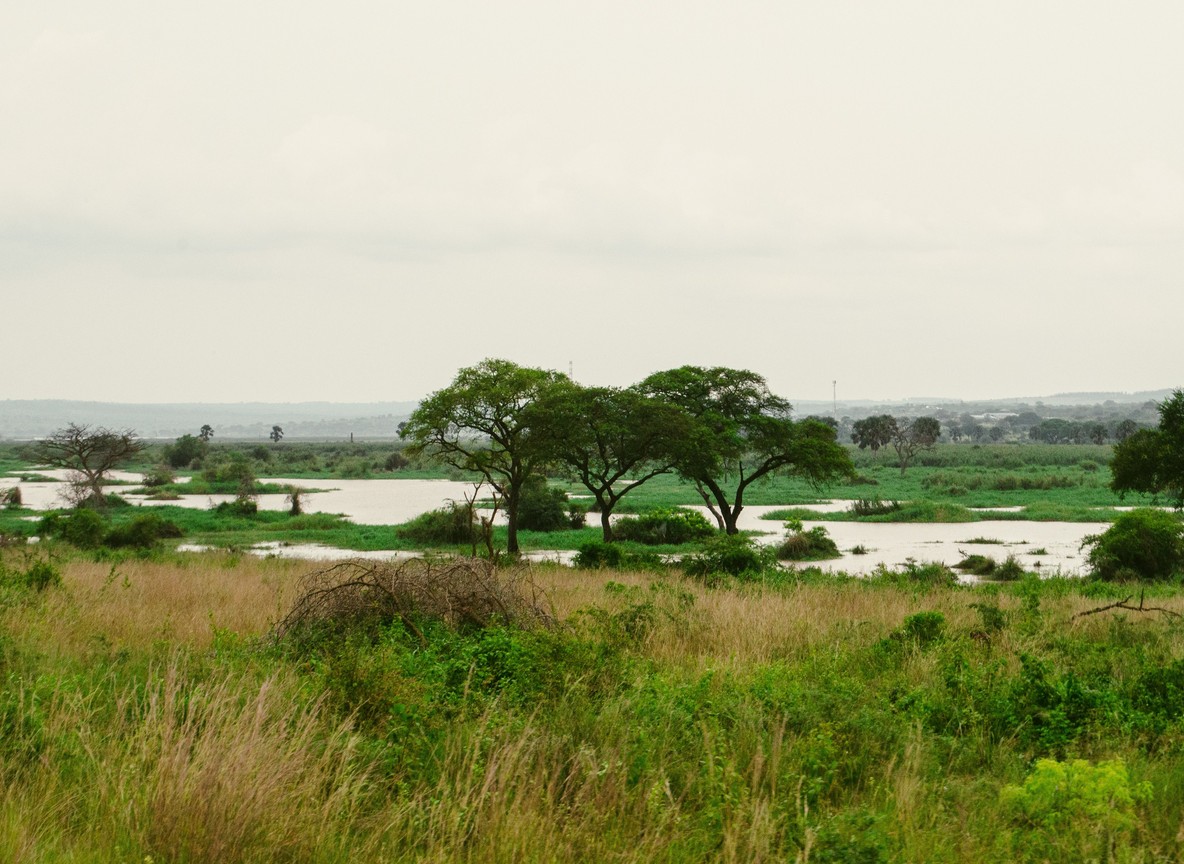
- Day 1-3: Game drives in Tsavo East National Park, staying near Sala Gate, with a stop at Lugard Falls on the Galana River.
- Day 4: Transfer to Watamu, roughly 4 hours by road, or connect via Malindi Airport.
- Day 5: Full-day snorkeling trip across the Blue Lagoon and Turtle Bay reef inside Watamu Marine Park.
- Day 6: Visit Mida Creek and the Gede Ruins in the morning, rest on the beach in the afternoon.
- Day 7: Optional dolphin or whale shark boat trip (seasonal), then transfer to Malindi Airport for departure.
Trunktrails Safaris builds this route, and variations on it, as one of our most requested combined tours and safaris packages. ✨
The Trunktrails Advantage
Planning a safari that ends well is harder than planning one that starts well. Transfer timing, marine park logistics, and matching the right reef season to the right safari dates all take local knowledge that most first-time planners do not have.
Trunktrails Safaris handles every leg of this route as one connected trip, not two separate bookings stitched together. Our team confirms marine park permits, boat operators, and lodge availability at Watamu before you leave home, and we build in the transfer buffer between Tsavo and the coast so nothing feels rushed. As a Kenyan-owned operator, we know which reef conditions actually match the season you are travelling in, not just what a brochure claims. That local grounding is what separates a Trunktrails Safaris itinerary from a generic tour package, and it is why so many of our tours and safaris clients return for a second coastal finale on their next trip.
Ready to Add the Reef to Your Safari?
A Kenya safari without a coastal finale is only half the trip. Watamu Marine Park gives you one more genuine wildlife encounter, on the water instead of the plains, before you head home.
Further reading
More safari planning resources
- Nairobi to Maasai Mara route guide from Valley Safaris
- Tsavo complete guide on Touring Insights
- Diani Beach guide on FindMySafari
- Map of Tsavo from Valley Safaris
Message Trunktrails Safaris on WhatsApp at +254 113 208888 or email info@trunktrailssafaris.com to build your safari and Watamu Marine Park itinerary. Tell us your safari dates and we will confirm the reef season, transfer times, and lodge options within 24 hours. Visit trunktrailssafaris.com to see our full range of tours and safaris across Kenya’s parks and coast. 🌅