
Walking Safaris in Tsavo: Kenya’s Best Park for Safari on Foot
Search “walking safaris in Kenya Tsavo” and you land on the one park where the terrain, the ranger infrastructure, and the wildlife density line up best. Kenya’s largest protected area gives you red-earth trails, permanent water at Mzima Springs, and the Ngulia foothills, all reachable on foot with an armed guide. This guide covers where to walk, what it costs, how to get there, and which camps build their entire experience around walking rather than driving. 🌍
Trunktrails Safaris has built walking-safari itineraries through Tsavo for travelers who want to feel the bush instead of watching it through a windscreen, as part of our wider portfolio of tours and safaris across southern Kenya. Below is the honest, numbers-first version of what that trip looks like.
Why Tsavo Is Kenya’s Best Park for Safari on Foot
Tsavo East and Tsavo West together cover roughly 22,000 km², making Tsavo the largest protected wilderness in Kenya, larger than the Masai Mara and Amboseli combined. That scale matters for walking because it means genuinely quiet trail sections far from vehicle traffic.
Three things set Tsavo apart for a safari on foot:
- Permanent water points. Mzima Springs sits inside Tsavo West and holds hippo and crocodile year-round, which means reliable walking-safari sightings even in dry months.
- Hill terrain. The Ngulia Hills rise to around 1,800 metres inside Tsavo West, giving walking routes real elevation change and viewpoints most flat savannah parks cannot offer.
- Ranger capacity. Kenya Wildlife Service maintains a standing team of armed rangers based at Kamboyo and Ngulia specifically to escort walking parties, which is not the case in every park.
Compare that to the Masai Mara, where walking is banned inside the reserve itself and only permitted in bordering conservancies. In Tsavo, walking is a built-in park activity.
Tsavo Walking Safari Basics: Rules, Rangers, and Age Limits
Every walking safari in Tsavo runs with a licensed Kenya Wildlife Service ranger carrying a rifle, plus your camp guide. Solo unguided walking is not permitted anywhere inside either park.
Most camps set a minimum age of 12 to 15 for walking safaris, since the activity requires the ability to stay quiet and follow instructions at close range to wildlife. Walks typically run 1 to 3 hours in the early morning, when temperatures are cooler and animal movement is highest.
Indicative pricing, always confirm current rates with your camp before booking:
- Short guided walk (1 to 2 hours) from a lodge: USD 20 to 40 per person
- Half-day walking excursion with vehicle support: USD 50 to 90 per person
- Multi-day walking safari package (3 to 5 days, adjacent conservancies): USD 400 to 900 per person per day, fully inclusive
Best Walking Safari Spots in Tsavo West: Ngulia Hills and Mzima Springs
Tsavo West is the stronger half of Tsavo for walking, largely because of two features.
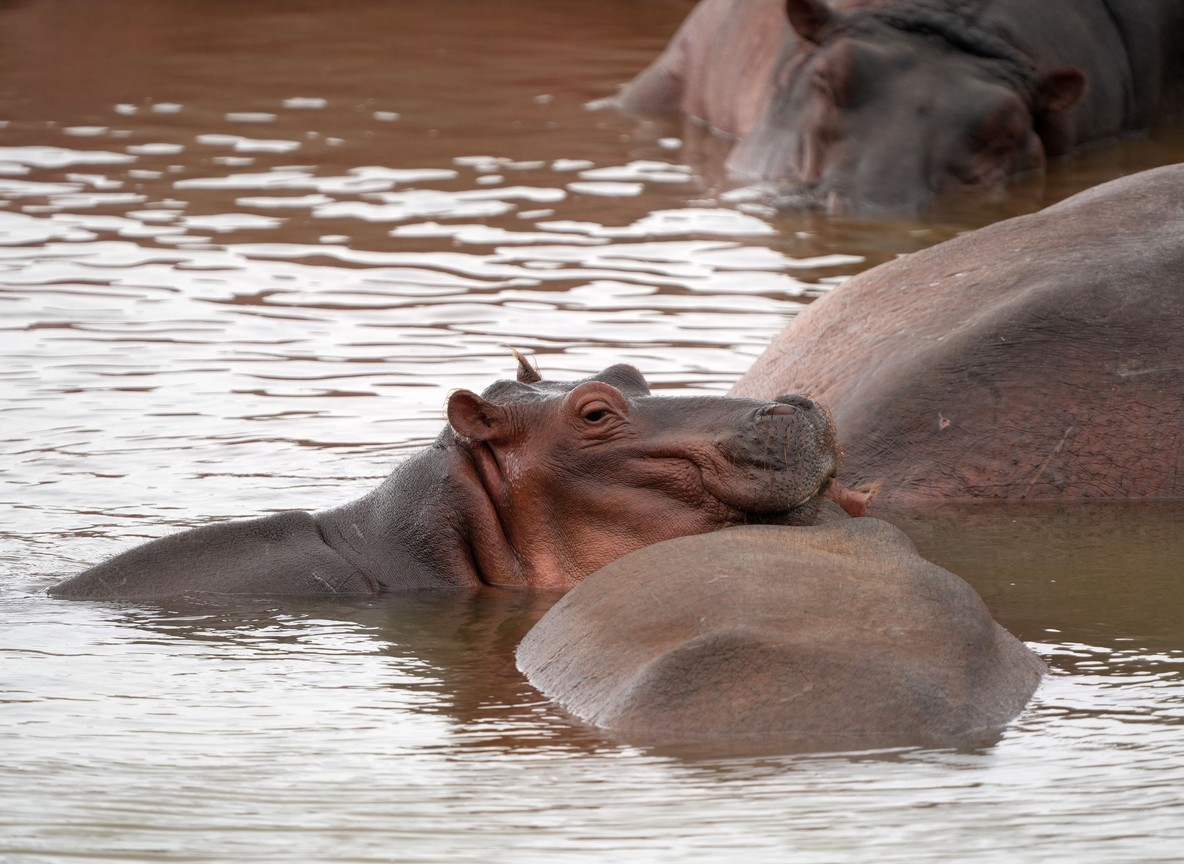
Mzima Springs produces an estimated 50 million gallons (roughly 227 million litres) of clear fresh water daily, filtered up through volcanic rock from the Chyulu Hills. A short, well-maintained walking trail leads to an underwater viewing chamber where you can watch hippo and crocodile below the surface. This is the single most accessible walking-safari experience in the park and it is included in standard park entry.
Ngulia Hills forms the western boundary of Tsavo West near Ngulia Safari Lodge. Guided walks here climb through rocky outcrops and dry forest, with black rhino sanctuary land nearby and views across the Tsavo plains that stretch to the Chyulu volcanic cones on a clear day.
Poacher’s Lookout, close to Kilaguni, is a short walkable rise that gives a 360-degree view over the Tsavo West plains and is a common stop for camps building half-day walking routes.
Walking Safaris in Tsavo East: What’s Possible on Foot
Tsavo East is flatter and covers more open ground, which means walking here is less about hill terrain and more about tracking on the red-oat grassland near the Voi and Galana rivers. Camps around Voi Gate and Aruba Dam offer shorter guided walks, generally 1 to 2 hours, focused on tracking, birdlife, and the red-dust elephant herds Tsavo East is known for.
Walking safaris are less standardized in Tsavo East than Tsavo West. If a full walking-safari itinerary is your priority, Tsavo West and the adjoining Chyulu Hills conservancies give you more route options.
Tsavo Walking Safari Camps and Lodges
| Camp / Lodge | Location | Walking Focus | Indicative Price Range (per person/night) |
|---|---|---|---|
| Finch Hattons Luxury Tented Camp | Tsavo West, near Mzima Springs | Guided bush walks, spring-fed forest trail | USD 450 to 750 |
| Ngulia Safari Lodge | Ngulia Hills, Tsavo West | Hill-terrain walks, rhino sanctuary access | USD 150 to 280 |
| Kilaguni Serena Safari Lodge | Central Tsavo West | Short guided walks near Poacher’s Lookout | USD 250 to 400 |
| Severin Safari Camp | Tsavo West, near Kamboyo | Ranger-led morning walks | USD 200 to 350 |
| Voyager Ziwani | Tsavo West, western boundary | Riverine walks along the Sante River | USD 300 to 480 |
| Ol Donyo Lodge (Chyulu Hills, adjacent) | Mbirikani Group Ranch, bordering Tsavo West | Multi-day walking safaris with Maasai guides | USD 900 to 1,400 |
Tsavo vs Other Kenya Parks for Walking Safaris
| Park / Reserve | Size | Walking Permitted | Best For |
|---|---|---|---|
| Tsavo (East + West) | ~22,000 km² | Yes, ranger-led, throughout both parks | Water-point walks, hill terrain, quiet trails |
| Masai Mara National Reserve | 1,510 km² | No inside the reserve, yes in bordering conservancies | Dense predator sightings from a vehicle |
| Amboseli National Park | 392 km² | Limited, mostly conservancy-based | Elephant herds against Kilimanjaro |
| Laikipia Plateau (conservancies) | Varies, 9,500 km² combined | Yes, extensively, including multi-day treks | Rhino tracking, horseback and walking combined |
Laikipia rivals Tsavo for pure walking-safari infrastructure, but Tsavo wins on scale and on having water points like Mzima Springs built into a single day route.
Getting to Tsavo: Distances, Gates, and Airstrips
| From Nairobi | Distance | Drive Time | Flight Time | Gate / Airstrip |
|---|---|---|---|---|
| Mtito Andei Gate (Tsavo West) | ~233 km | 3.5 to 4 hours | N/A | Main road gate off Mombasa Road (A109) |
| Kilaguni Airstrip (Tsavo West) | N/A | N/A | ~45 minutes | Serves central Tsavo West camps |
| Voi Gate (Tsavo East) | ~330 km | 4.5 to 5 hours | N/A | Main gate for southern Tsavo East |
| Voi Airstrip (Tsavo East) | N/A | N/A | ~1 hour | Serves Voi-area and Aruba camps |
Park entry fees are set by Kenya Wildlife Service and change periodically. As an indicative range, non-resident adult daily entry to Tsavo East or Tsavo West runs approximately USD 45 to 55, with lower rates for children and East African residents. Always confirm current published KWS rates before your trip, since walking-safari planning should build these into your daily budget alongside guide and ranger fees.
Best Time of Year for a Tsavo Walking Safari
The dry seasons, January to March and June to October, give firmer trail footing and better long-distance visibility across the Tsavo plains. Vegetation is lower, so tracking on foot is easier and water points like Mzima Springs pull in more wildlife as smaller seasonal pools dry up elsewhere. The long rains (March to May) turn red-earth trails to mud and are best avoided for a dedicated walking-safari trip.
The Trunktrails Advantage
Trunktrails Safaris designs walking-focused itineraries through Tsavo rather than bolting a single short walk onto a driving safari. Our tours and safaris pair Ngulia Hills routes with Mzima Springs mornings, matched to camps that keep permanent walking guides on staff rather than hiring rangers ad hoc.
We build in the KWS ranger booking, the age-appropriate route planning for families, and the drive-versus-fly decision from Nairobi based on your group size and budget. Every Trunktrails Safaris walking itinerary in Tsavo includes a written breakdown of park fees, guide fees, and camp rates before you commit, so there are no surprises once you land. That is the difference between booking tours and safaris from a generic operator and booking with a team that has walked these specific trails.
Ready to Walk Tsavo?
A walking safari in Tsavo puts you on the ground where the elephants, the rhino sanctuary, and Mzima Springs actually are, not viewed from a vehicle window. Trunktrails Safaris can build your Tsavo walking itinerary around Ngulia Hills, Mzima Springs, and the camp that fits your dates and budget. 📸
Further reading
More safari planning resources
- Map of Tsavo from Valley Safaris
- Tsavo complete guide on Touring Insights
- Tsavo destination guide on FindMySafari
- Big Five safari collection on FindMySafari
Message us on WhatsApp at +254 113 208888, email info@trunktrailssafaris.com, or visit trunktrailssafaris.com to start planning your walking safari in Tsavo this season. Spaces with the smaller walking-focused camps fill first in the July to October dry season, so reach out now to lock in your dates.

