
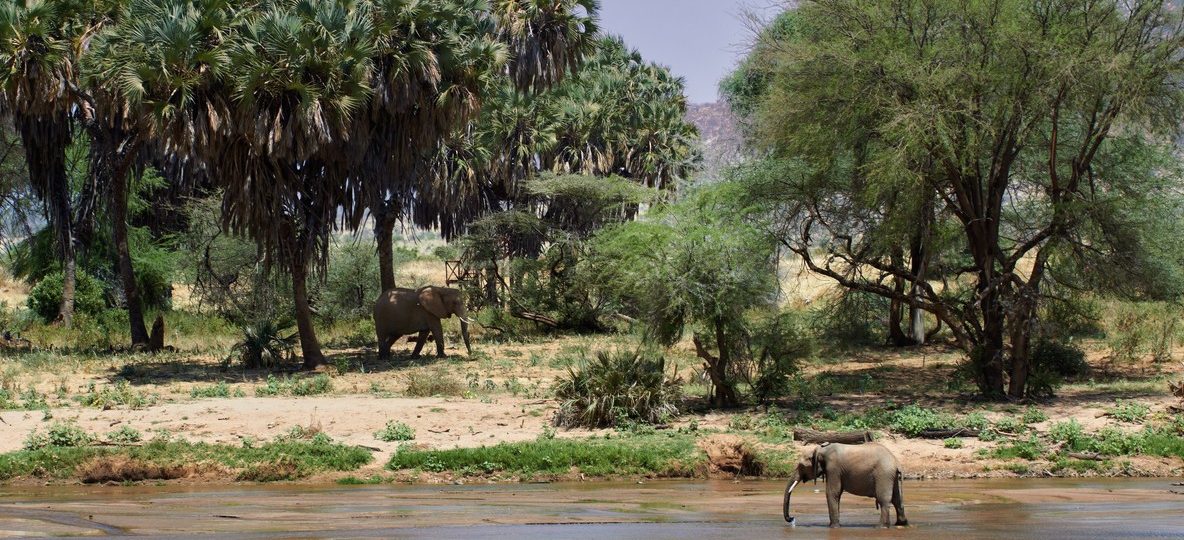
Tsavo West Safari Guide: Kenya’s Underrated Big Cat Country
Most first-time visitors book a tsavo west safari for the elephants. Then they leave talking about the lions. Tsavo West holds one of Kenya’s most distinctive big cat populations. Maneless lions with a strange, well-documented history share the park with leopards that use rocky kopjes most travelers never learn to look for. This guide covers where the cats actually are, what a trip costs, how to get there, and which camps put you closest to real sightings. 🦁
Trunktrails Safaris has guided travelers through Tsavo West for years, as part of our wider portfolio of tours and safaris across southern Kenya. This is the honest, numbers-first version of what a big cat focused trip looks like.
Why Tsavo West Is Kenya’s Underrated Big Cat Country
Tsavo West covers roughly 9,065 km². It forms part of the combined Tsavo ecosystem, which stretches to almost 22,000 km² once Tsavo East is included. That makes it larger than the Masai Mara and Amboseli put together, with far fewer vehicles per square kilometre on any given game drive.
The park’s lions carry a reputation that predates modern safari tourism. In 1898, two male lions killed an estimated 28 to 135 railway workers building the Uganda Railway bridge over the Tsavo River. That account comes from Lieutenant Colonel John Henry Patterson, who eventually shot both animals. Their remains are now held by the Field Museum in Chicago, and their story turned Tsavo into one of the most studied big cat landscapes on earth.
Researchers who followed up on that history found something else unusual. Tsavo’s male lions are frequently maneless or thin-maned. Scientists link the trait to the heat and the thorny vegetation that would otherwise catch on a full mane. The lions also tend to form smaller prides and looser male coalitions than lions in cooler, more open parks like the Mara. For a traveler, that means sightings feel different here, quieter and less crowded around each pride.
Meet the Big Cats: Lions, Leopards, and Cheetah in Tsavo West
Lions concentrate around the Rhino Valley plains, the Kilaguni waterholes, and the grassland near Mzima Springs. Prey density stays high there even in the dry season. Tsavo West is thick with volcanic rock, lava ridges, and rocky kopjes, so spotting a pride often means scanning boulders rather than open grass.
Leopards are the park’s specialty. Tsavo West’s mix of riverine forest, rocky outcrops, and dense woodland gives leopards far more cover than open savannah parks. Guides who know the Ngulia Hills and the Poacher’s Lookout area consistently find them draped over branches or rock ledges. Cheetah sightings are less frequent but do happen on the open plains near Kilaguni and Ziwani, where clear sightlines suit their hunting style.
Beyond the big three, Tsavo West protects a real population of spotted hyena. Inside the fenced Ngulia Rhino Sanctuary sits one of Kenya’s most important black rhino strongholds outside Lewa and Ol Pejeta.
Tsavo West Safari Facts at a Glance
| Fact | Figure |
|---|---|
| Park size | 9,065 km² |
| Combined Tsavo (East + West) | ~22,000 km² |
| Established | 1948 |
| Ngulia Rhino Sanctuary | ~90 km² fenced sanctuary, part of Tsavo West |
| Distance from Nairobi to Mtito Andei Gate | ~233 km |
| Drive time from Nairobi | 3.5 to 4 hours |
| Flight time from Nairobi to Kilaguni Airstrip | ~45 minutes |
| Non-resident daily park entry fee | USD 45 to 55 (indicative, confirm current KWS rate) |
| Main gates | Mtito Andei, Tsavo, Chyulu, Mbuyuni, Ziwani |
Park fees change periodically. Treat the entry fee figure as a planning range rather than a fixed number, and confirm the current published Kenya Wildlife Service rate before your trip.
Best Places to Spot Big Cats in Tsavo West
Rhino Valley, south of Kilaguni, is the single most reliable lion and rhino corridor in the park. Open grassland framed by volcanic rock keeps prey animals concentrated there. Roaring Rocks, a short walk from Kilaguni Serena Safari Lodge, gives a raised platform view over the same valley. It is worth a stop even without a vehicle.
The Ngulia Hills area rewards patience for leopard sightings, particularly along the rocky lower slopes near Ngulia Safari Lodge, where a floodlit waterhole draws cats after dark. Mzima Springs itself is better known for hippo and crocodile. Still, the surrounding grassland regularly holds lion prides that come to drink at dawn.
Tsavo West vs Other Kenya Parks for Big Cat Safaris
| Park / Reserve | Size | Lion Density | Leopard Sightings | Best For |
|---|---|---|---|---|
| Tsavo West | 9,065 km² | Moderate, spread over volcanic terrain | High, rocky cover favors leopards | Quiet sightings, leopard specialists |
| Masai Mara National Reserve | 1,510 km² | Highest in Kenya, dense prides | Moderate, more open terrain | Frequent, close-range predator action |
| Amboseli National Park | 392 km² | Lower, smaller resident prides | Low, mostly open plains | Elephants against Kilimanjaro, not cats |
| Samburu National Reserve | 165 km² | Moderate, notable leopard population | High, riverine forest cover | Leopard sightings, unique dry-country species |
Tsavo West will not out-crowd the Mara for sheer lion numbers. It does consistently beat better-known parks on leopard sightings, and it gives you those sightings without a dozen other vehicles at the same spot.
Best Camps for a Tsavo West Big Cat Safari
| Camp / Lodge | Location | Big Cat Highlight | Indicative Price (per person/night) |
|---|---|---|---|
| Kilaguni Serena Safari Lodge | Central Tsavo West, near Rhino Valley | Waterhole overlook, regular lion and leopard visits | USD 250 to 400 |
| Ngulia Safari Lodge | Ngulia Hills, Tsavo West | Floodlit waterhole, strong night leopard sightings | USD 150 to 280 |
| Finch Hattons Luxury Tented Camp | Tsavo West, near Mzima Springs | Lion prides on spring-fed grassland | USD 450 to 750 |
| Severin Safari Camp | Tsavo West, near Kamboyo | Rhino Valley game drives, ranger-led tracking | USD 200 to 350 |
| Voyager Ziwani | Tsavo West, western boundary | Leopard sightings along the Sante River forest | USD 300 to 480 |
Prices are indicative per-person, per-night rates and vary by season, so confirm current rates directly with each camp before booking.
Best Time of Year for a Tsavo West Safari
The dry seasons, January to March and June to October, bring the strongest big cat viewing. Thinning vegetation exposes lions and leopards that would otherwise stay hidden in thicker bush. Prey animals also cluster tighter around permanent water at Mzima Springs and the Rhino Valley waterholes, which pulls predators into predictable, visible ranges.
The long rains from March to May green up the landscape fast and scatter wildlife across a wider area. Cat sightings become less consistent then. If a big cat sighting is your main goal for a tsavo west safari, build your trip around the dry months.
Getting to Tsavo West: Gates and Airstrips
Most travelers drive from Nairobi via Mombasa Road to Mtito Andei Gate, roughly 233 km and 3.5 to 4 hours depending on traffic through Athi River and Konza. Flying in cuts that down to about 45 minutes into Kilaguni Airstrip, which serves the central camps around Kilaguni and Rhino Valley directly.
Travelers combining Tsavo West with the coast often enter or exit through Tsavo Gate or Chyulu Gate. Both connect toward Mombasa Road and the Chyulu Hills conservancies. Ziwani Gate on the western boundary suits itineraries that pair Tsavo West with Amboseli.
The Trunktrails Advantage
Trunktrails Safaris builds Tsavo West itineraries around where the big cats actually concentrate, not a generic loop through the park. Our tours and safaris pair Rhino Valley morning drives with a Ngulia Hills leopard search and time at Mzima Springs, sequenced to match dry-season predator movement rather than a fixed template.
We handle the KWS gate logistics, the drive-versus-fly decision from Nairobi, and camp selection based on which lodges are actually seeing cats that season, not just which ones have the best marketing. Every Trunktrails Safaris itinerary in Tsavo West comes with a written breakdown of park fees, camp rates, and transfer costs before you commit, so you know the real numbers behind your trip. That is what separates tours and safaris booked with a team that tracks Tsavo’s cats season by season from a generic itinerary booked online.
Plan Your Tsavo West Big Cat Safari
Tsavo West rewards travelers willing to look past the bigger-name parks. Maneless lions, a genuine leopard population, and rocky terrain keep every sighting feeling earned. 🐆 Trunktrails Safaris can build your Tsavo west safari around Rhino Valley, Ngulia Hills, and the camp that matches your dates and budget.
Further reading
More safari planning resources
- Tsavo East and West map from SafariPure
- Map of Tsavo from Valley Safaris
- Tsavo complete guide on Touring Insights
- Tsavo destination guide on FindMySafari
Message us on WhatsApp at +254 113 208888, email info@trunktrailssafaris.com, or visit trunktrailssafaris.com to start planning. Dry-season dates from June to October book out early with the smaller camps, so reach out now to hold your spot.