
Tsavo West National Park: Lava Flows, Man-Eating Lions and Mzima Springs
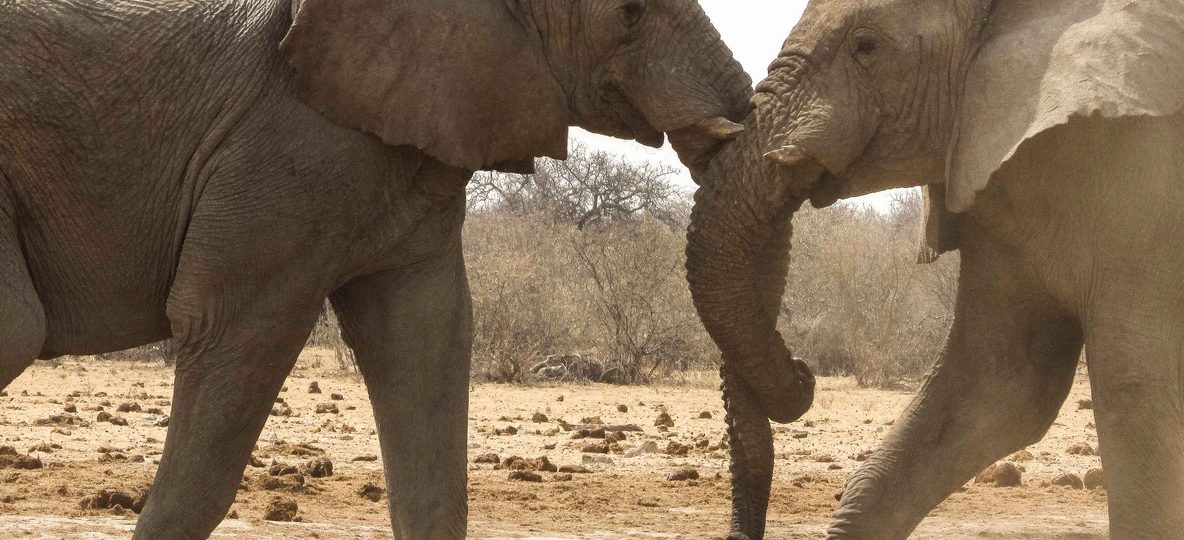
Tsavo West National Park is not a typical savannah park. Black volcanic rock breaks through red earth. A spring pours 50 million gallons of clear water out of solid lava every single day. And a pair of lions once stopped a railway by killing the men building it. Tsavo West national park packs more raw, strange history into one landscape than almost anywhere else in Kenya. Most travelers only hear about the elephants.
Trunktrails Safaris has guided visitors through this park for years. It is part of our wider tours and safaris across southern Kenya. The three features in this guide, the lava, the lions, and the springs, are the reasons we tell people to slow down here rather than rush through. 🌍
A Park Built on Fire: Chyulu Hills and the Shetani Lava Flow
Tsavo West sits at the southern edge of the Chyulu Hills. This is one of the youngest volcanic ranges on the planet. Geologists estimate parts of the range formed within the last few hundred years. That is almost nothing in geological time, and the volcanic history is still visible on the ground.
The Shetani lava flow is the clearest example. It is a field of black, jagged rock stretching across roughly 50 square kilometres near the Chyulu Gate side of the park. Local Kamba communities named it Shetani, which means devil in Swahili. Early observers assumed nothing but something evil could scorch the earth so completely. Walk to the edge of it and the ground genuinely looks burned, not eroded. Little vegetation has taken hold even now, centuries after the eruption.
Nearby, the Chaimu volcanic cone offers a short, steep climb. Most fit visitors manage it in twenty to thirty minutes. From the top, the view stretches across the lava field toward the Chyulu Hills and, on a clear day, Mount Kilimanjaro. This is one of the only spots in a Kenyan national park where visitors can walk freely outside a vehicle, with ranger permission. The terrain holds little cover for predators, which is why it is allowed.
The Man-Eaters of Tsavo: A History That Still Shapes the Park
No feature explains Tsavo West’s reputation better than its lions. In 1898, two male lions began killing the Indian and African laborers building the Uganda Railway bridge over the Tsavo River. Work stopped for weeks as terrified crews refused to continue. Lieutenant Colonel John Henry Patterson was the engineer in charge of the bridge. He eventually tracked and shot both lions after a nine-month ordeal. Estimates of the death toll range from 28, Patterson’s own published count, to as many as 135 in later accounts. The two lion skins were sold to the Field Museum in Chicago. The reconstructed man-eaters of Tsavo are still on display there today.
The story did more than create a legend. It drew scientists to ask why Tsavo’s lions behaved differently. The answer still shapes what visitors see on safari here. Tsavo’s male lions are frequently maneless or thin-maned. Researchers link the trait to the heat and the thorny bush that would otherwise tear at a full mane. They also tend to form smaller prides and looser male coalitions than lions in cooler, more open parks like the Masai Mara. A pride sighting in Tsavo West often feels quieter and more private than one in a busier reserve. There are simply fewer vehicles here, and the lions themselves spread out differently across this terrain.
Mzima Springs: Kenya’s Clearest Underwater Wildlife Show
Mzima Springs is the park’s other headline feature. It could not look more different from the lava fields. Rainwater falling on the Chyulu Hills filters down through porous volcanic rock for years before emerging here as crystal clear water. An estimated 50 million gallons flow out of the springs daily. That water has been piped to Mombasa since 1966, along a pipeline stretching roughly 220 kilometres. It still supplies part of the coastal city’s fresh water today.
For visitors, the draw is the underwater observation hide. This is a submerged glass chamber that lets you watch hippos and crocodiles from below the waterline. The water is so clear that this is one of the few places in East Africa where you can see a hippo’s full body underwater, not just eyes and ears above the surface. Fish, including large barbel, dart through the same view. The palm-lined pools above the springs are calm enough for a short guided walk. An armed ranger always leads the way, since hippos remain dangerous on land.
Tsavo West National Park at a Glance: Facts, Fees and Distances
| Fact | Detail |
|---|---|
| Park size | Approx. 9,065 km² |
| Combined Tsavo ecosystem (East + West) | Approx. 22,800 km² |
| Shetani lava flow | Approx. 50 km², near Chyulu Gate |
| Mzima Springs daily output | Approx. 50 million gallons (about 220 million litres) |
| Mzima-to-Mombasa pipeline | Built 1966, approx. 220 km |
| Ngulia Rhino Sanctuary | Approx. 90 km² fenced sanctuary within the park |
| Man-eaters of Tsavo incident | 1898, Uganda Railway, 28 to 135 estimated deaths |
| Distance, Nairobi to Mtito Andei Gate | Approx. 233 km |
| Drive time from Nairobi | 3.5 to 4 hours |
| Flight time, Nairobi to Kilaguni Airstrip | Approx. 45 minutes |
| Non-resident daily park entry fee | USD 45 to 55 (indicative, confirm current KWS rate) |
| Main gates | Mtito Andei, Tsavo, Chyulu, Mbuyuni, Ziwani |
Park fees and pipeline figures shift over time. Treat the numbers above as a planning range and confirm the current Kenya Wildlife Service rate before you travel.
Where to Stay: Camps Near the Lava Fields and the Springs
| Camp or Lodge | Location in Tsavo West | Best For | Indicative Rate (per person/night) |
|---|---|---|---|
| Kilaguni Serena Safari Lodge | Central Tsavo West, Rhino Valley | Waterhole views, Kilimanjaro backdrop | USD 250 to 400 |
| Finch Hattons Luxury Tented Camp | Near Mzima Springs | Spring-fed grassland, lion prides | USD 450 to 750 |
| Ngulia Safari Lodge | Ngulia Hills | Floodlit waterhole, night leopard sightings | USD 150 to 280 |
| Severin Safari Camp | Near Kamboyo, close to Chyulu Gate | Rhino Valley drives, walks near the lava field | USD 200 to 350 |
| Voyager Ziwani | Western boundary, Sante River | Quiet leopard territory, western gate access | USD 300 to 480 |
Tsavo West vs Tsavo East: Which Park Fits Your Safari
Travelers planning a Tsavo trip often ask whether to choose Tsavo West, Tsavo East, or both. The honest answer depends on what you want to see.
| Feature | Tsavo West | Tsavo East |
|---|---|---|
| Size | Approx. 9,065 km² | Approx. 13,747 km² |
| Terrain | Volcanic hills, lava flows, springs | Open, flat savannah, Yatta Plateau |
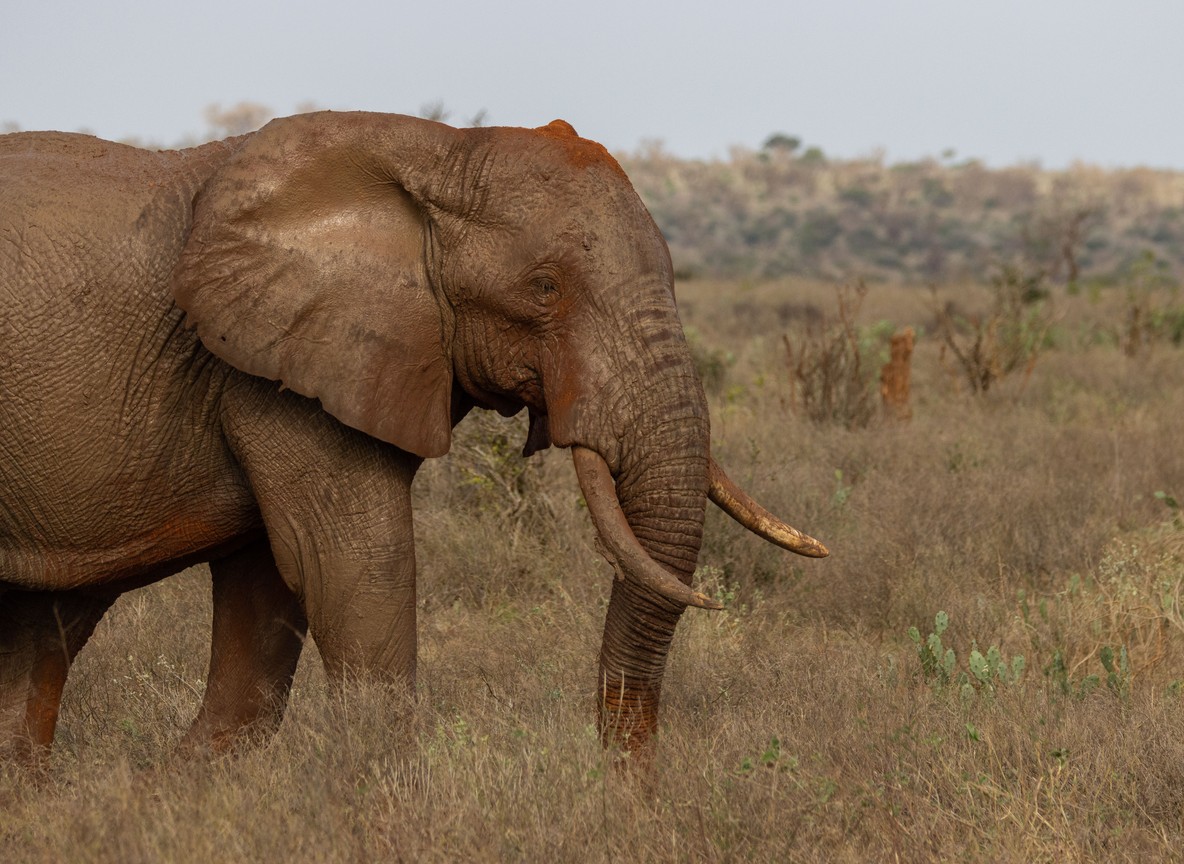
| Signature feature | Mzima Springs underwater hide | Red elephants, Aruba Dam |
| Best for | Scenery, geology, quieter cat sightings | Wide-open game drives, larger herds |
| Access from Nairobi | Mtito Andei Gate, approx. 233 km | Bachuma or Voi Gate, similar distance |
Many Trunktrails Safaris tours and safaris combine both parks over three to four days. They share the same access road from Nairobi, and the contrast between the two landscapes is part of the appeal.
Getting to Tsavo West: Gates and Airstrips
Most visitors drive from Nairobi along Mombasa Road to Mtito Andei Gate. It is a journey of roughly 233 km that takes 3.5 to 4 hours, depending on traffic through Athi River and Konza. Flying cuts that down to about 45 minutes into Kilaguni Airstrip. That airstrip sits close to the central camps around Rhino Valley and Mzima Springs.
Travelers heading toward the coast typically exit through Tsavo Gate or Chyulu Gate. Both connect back to Mombasa Road. Ziwani Gate on the western edge works well for itineraries pairing Tsavo West with Amboseli National Park.
The Trunktrails Advantage
Planning a trip around lava fields, a 128-year-old man-eater story, and an underwater spring takes more than a generic game-drive template. Trunktrails Safaris builds every Tsavo West national park itinerary around the actual sequence that makes sense on the ground. That means a morning at Mzima Springs before the heat, a Chaimu Crater walk while the light is soft, and Rhino Valley drives timed to when predators move.
We handle the KWS gate logistics and the drive-versus-fly decision from Nairobi. Camp selection is based on current wildlife activity, not which lodge pays for the best marketing photos. Every Trunktrails Safaris itinerary comes with a written breakdown of park fees, camp rates, and transfer costs before you commit. We are a Kenyan-owned, TRA-licensed tour and safari operator, Licence No. TRA1/22/C01/92750. Our tours and safaris are run by teams who know this specific park, not a call center reading from a script.
Tsavo West rewards travelers who want more than a checklist. The lava, the lions, and the springs are not separate attractions here, they are one continuous story written into the ground. 🐘
Further reading
More safari planning resources
- Tsavo East and West map from SafariPure
- Map of Tsavo from Valley Safaris
- Tsavo complete guide on Touring Insights
- Tsavo destination guide on FindMySafari
Ready to see it for yourself? WhatsApp the Trunktrails Safaris team at +254 113 208888 or email info@trunktrailssafaris.com. We will build a Tsavo West itinerary around Mzima Springs, the Shetani lava flow, and the camps with the best current sightings. Spaces for peak dry-season months fill early, so reach out now to lock in your dates with Trunktrails Safaris.