Tsavo National Park Elephant Orphanage: From Rescue to the Wild 🐘
Every elephant calf that grows up in the tsavo national park elephant orphanage network started somewhere else entirely. It began at a small nursery in Nairobi, hundreds of kilometers away. The David Sheldrick Wildlife Trust has been rescuing orphaned elephants since 1977. Keepers raise them through infancy in Nairobi, then walk them slowly back toward independence in Tsavo East National Park. It is one of the longest-running wildlife rescue stories in Africa. And it plays out almost entirely inside the park that Trunktrails Safaris guests visit every week.
This is not a zoo exhibit or a roadside attraction. It is a working conservation pipeline. Over nearly five decades, it has helped return several hundred orphaned elephants to wild herds, using two dedicated reintegration units inside Tsavo East. Understanding how that pipeline works changes how you experience a Tsavo safari. It is exactly the kind of story Trunktrails Safaris tours and safaris are built to explain on the ground.
Quick Facts: The Rescue-to-Wild Journey
| Detail | Figure |
|---|---|
| Organization | David Sheldrick Wildlife Trust (DSWT), founded 1977 |
| Nairobi Nursery location | Inside Nairobi National Park, roughly 10 km from Nairobi city center |
| Nursery public visiting hours | 11:00 am to 12:00 pm daily, entry by donation (from around 10 USD, indicative) |
| Reintegration units in Tsavo East | Voi (established 1960s-70s) and Ithumba (established 2004) |
| Distance Nairobi to Voi Gate area | Approximately 330 km, 5 to 6 hr drive, or 45 min flight to Voi Airstrip |
| Distance Nairobi to Ithumba area | Approximately 360 km, 6 to 7 hr drive on rougher roads, or fly to Ithumba airstrip |
| Time from rescue to wild release | Typically 8 to 10 years per elephant, milk-dependent for the first 2 to 3 |
| Tsavo East National Park size | 13,747 km2, Kenya’s largest national park |
Prices above are indicative only and vary by season and provider, so always confirm current rates before booking.
The Journey Begins at the Nairobi Nursery
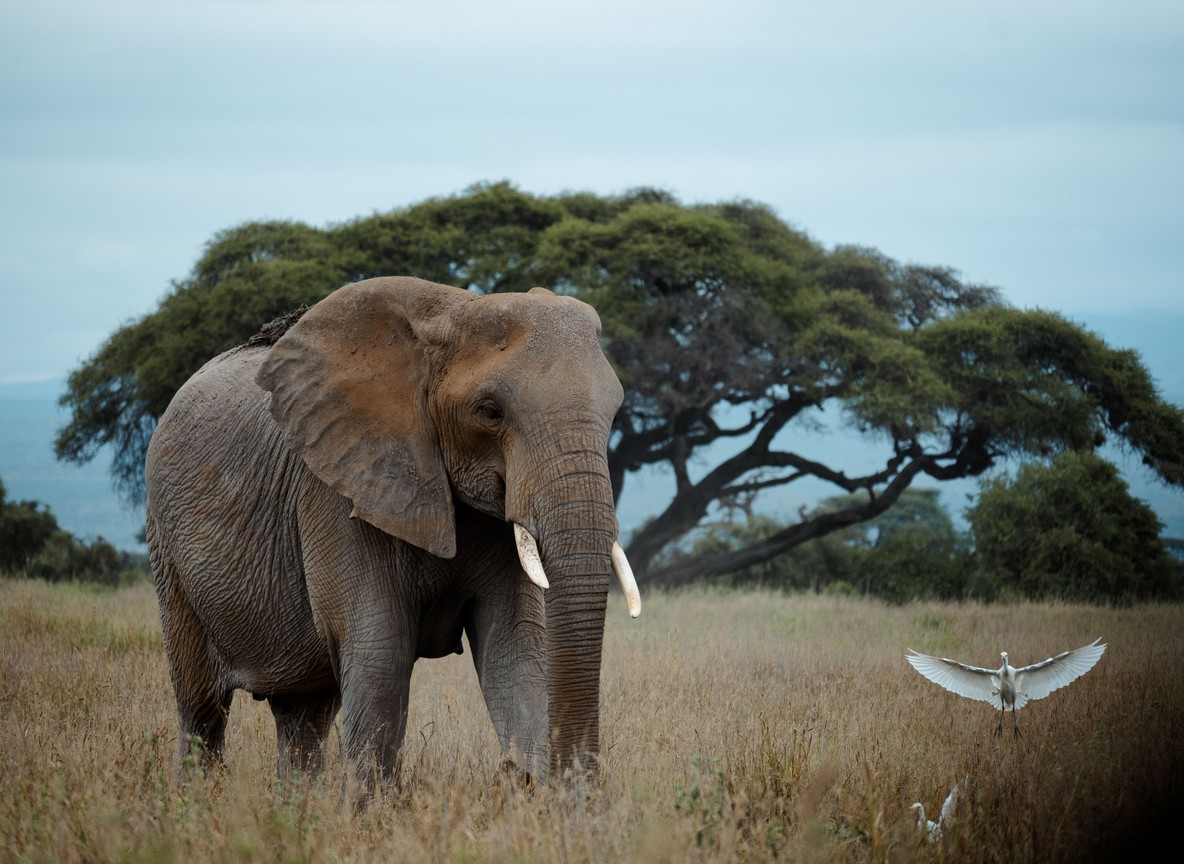
Most orphaned elephants arrive at the DSWT Nairobi Nursery as very young calves. Many are found after their mothers were killed by poachers, drought, or human-wildlife conflict. Some calves arrive after simply falling into a well or getting separated from a migrating herd. Keepers work in rotating shifts around the clock. A milk-dependent calf cannot be left alone the way it would be with its mother in the wild.
The nursery sits inside Nairobi National Park. That means visitors flying into Nairobi can meet these elephants before ever setting foot in Tsavo. It is a deliberate design. Seeing a three-month-old calf learning to use its trunk at the nursery, then later watching a fully wild adult herd move through Tsavo East, connects the two halves of the same story for travelers on a longer Kenya itinerary.
Nairobi to Tsavo East National Park: How the Orphans Travel Home
Once a calf is weaned off milk dependency, usually around age two to three, it graduates from Nairobi. It then travels south to one of the Tsavo reintegration units. The route from Nairobi to Tsavo East National Park runs along the same Mombasa Road corridor that safari travelers use. It covers roughly 330 km to the Voi area gate, and slightly further to reach Ithumba in the park’s quieter northern section.
Elephants make this trip by specially fitted transport crate, always at night when temperatures are cooler and traffic is lighter. The move itself is the last time a young elephant needs close human transport assistance. From that point forward, every stage of its rehabilitation happens on foot, in the bush, alongside keepers who live at the reintegration stockades full time.
Voi and Ithumba: Tsavo’s Reintegration Units Explained
Tsavo East holds two distinct reintegration units, and they serve slightly different roles in the orphanage’s history.
The Voi unit is the older of the two. It traces back to the era when David Sheldrick himself served as Tsavo East’s founding warden. The site sits close to Voi Gate, in an area with a longer history of human presence. This was where the earliest hand-reared elephants were walked back into the wild.
Ithumba, opened in 2004, sits deep in the remote northern section of Tsavo East, away from the main tourist circuit. Its isolation was intentional. Keepers wanted a release site with minimal human traffic. That gives graduating orphans a better chance to bond with genuinely wild herds that roam that part of the park. Ithumba later added its own dedicated nursery stockades in 2013. Very young calves rescued from northern Kenya no longer needed the long journey all the way to Nairobi first.
Both units follow the same basic model: daily supervised bush walks, milk supplementation until an elephant no longer needs it, and a slow, elephant-led timeline toward full independence. Some graduate in a handful of years. Others take a decade or longer. A portion choose to keep visiting their keepers at the stockades even after joining wild herds permanently, sometimes returning years later to introduce their own wild-born calves.
Tsavo National Park Animals: What the Orphans Rejoin
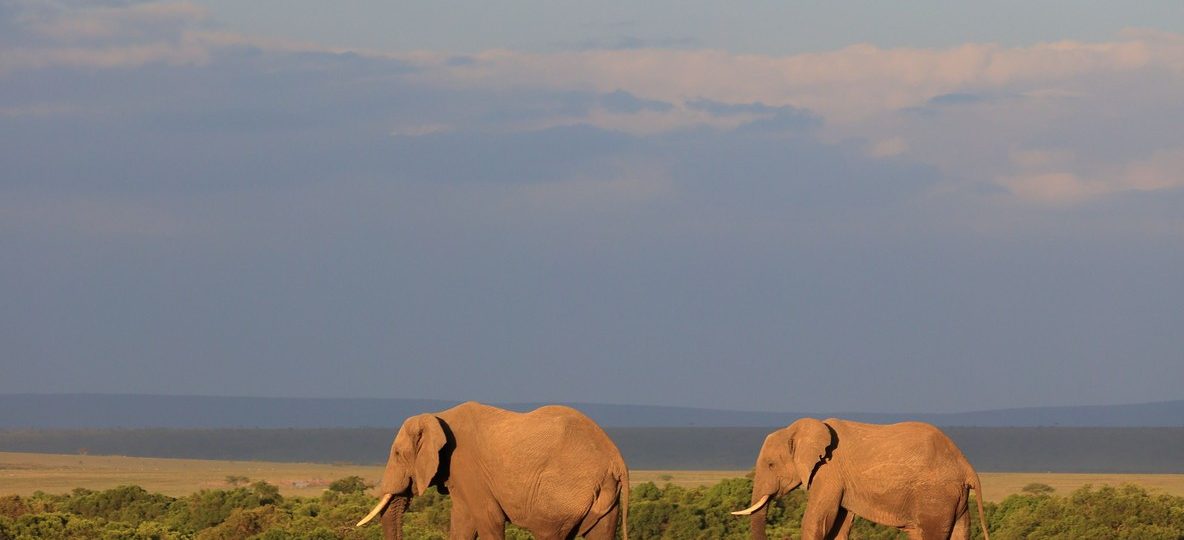
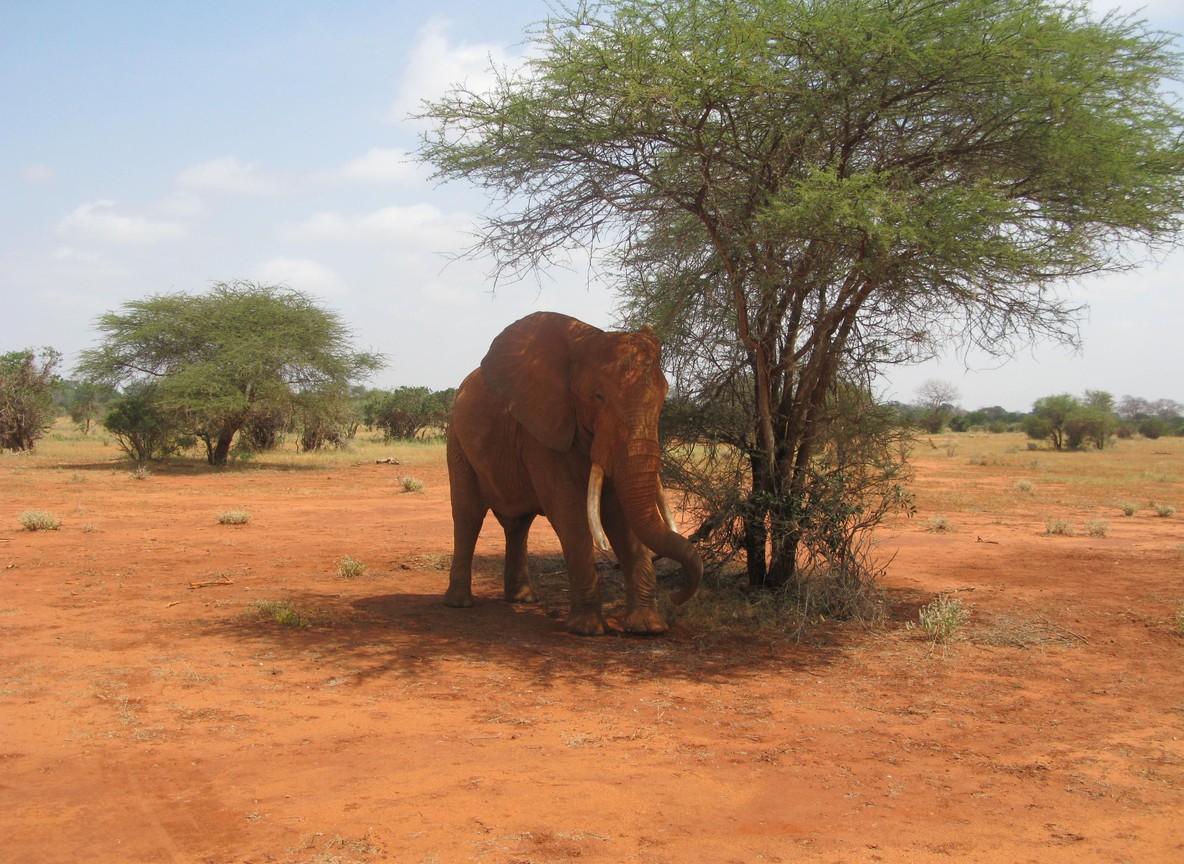
Tsavo East is home to one of Kenya’s largest wild elephant populations, with close to 15,000 elephants moving across Tsavo East and Tsavo West combined. That scale matters for reintegration, because a graduating orphan has genuine wild herds to bond with rather than a thin, isolated population.
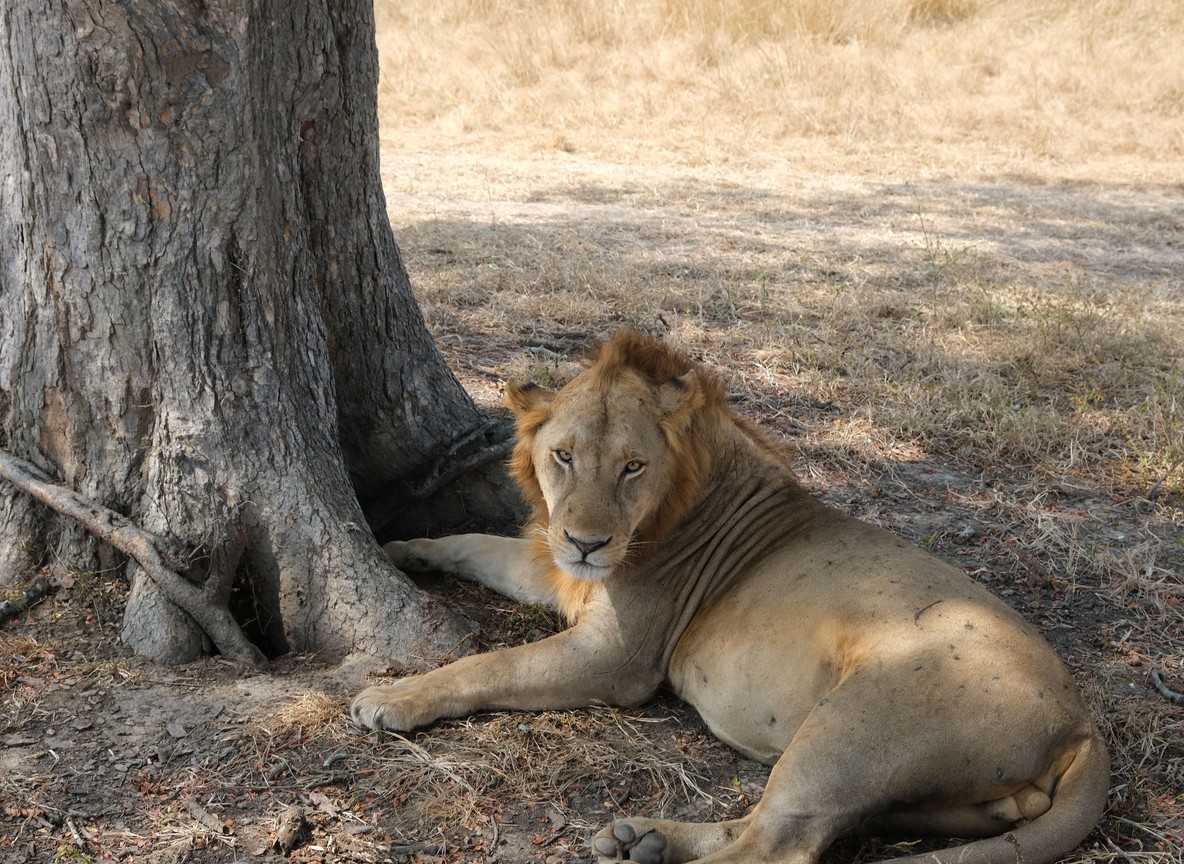
Alongside elephants, the same landscape supports lions, giraffes, zebras, and the region’s famously reddish-tinted buffalo herds. The wider Tsavo Conservation Area also holds more than 500 recorded bird species. For visitors, this means a game drive built around the reintegration units is never a single-species outing. Watching a semi-wild orphan herd near Ithumba often means spotting buffalo, giraffe, and dik-dik in the same morning.
When Is It Best to Visit Tsavo National Park for This Story
The Voi unit welcomes day visitors during a short public visiting window in the late afternoon, when keepers bring the current orphan herd back to the stockades for their evening milk feed. Ithumba runs a similar but more exclusive viewing model, often limited to guests staying at specific partner camps nearby, reflecting its quieter, less-trafficked design.
The dry seasons, from late June to October and again from January to February, are generally the best time to visit Tsavo National Park for this experience. Vegetation thins out. Wildlife, including the semi-wild orphan herds, concentrates more predictably near water and stockade routes, and road access across the park is easier. The green seasons bring dramatic scenery and fewer crowds. But denser bush can make spotting herds on their bush walks harder.
How Big Is Tsavo National Park, and Why Size Matters for Elephant Freedom
Tsavo’s scale is central to why this orphanage model works at all. Combined, Tsavo East and Tsavo West cover more than 22,800 km2, making the Tsavo Conservation Area larger than some entire countries. Below is how the two halves compare for a traveler planning around the orphanage story.
| Park / Site | Size or Location | Distance from Nairobi | Indicative Entry Fee (USD) |
|---|---|---|---|
| Tsavo East National Park | 13,747 km2 | 330 km, 5 to 6 hr drive, or 45 min flight to Voi Airstrip | 52 per day (non-resident adult) |
| Tsavo West National Park | 9,065 km2 | 233 km, 3.5 to 4 hr drive, or 40 min flight to Kilaguni Airstrip | 52 per day (non-resident adult) |
| Voi Reintegration Unit | Near Voi Gate, Tsavo East | Within Tsavo East entry | Public afternoon viewing, small donation |
| Ithumba Reintegration Unit | Northern Tsavo East, remote | Within Tsavo East entry, further inland | Limited to nearby partner camp guests |
| Nairobi Nursery | Inside Nairobi National Park | 10 km from Nairobi CBD | From around 10 (indicative), by donation |
Prices above are indicative ranges only and vary by season, so always confirm current rates before booking.
That much open space is exactly why an elephant can graduate from hand-reared orphan to fully wild adult. It never has to leave the ecosystem it was born to belong to.
Tours in Tsavo National Park That Follow the Orphanage Story
A growing number of tours in Tsavo National Park now build a full day, or even a multi-day stay, around the reintegration units rather than treating them as a quick stop. A typical version starts with an early flight or drive into Voi Gate. Guests spend a full day on game drives across Tsavo East’s red-dust plains, then position near the Voi stockades for the keepers’ evening return with the current orphan herd.
For travelers who want the quieter northern experience, camps near Ithumba offer private access to the reintegration unit that the general public rarely sees. This pairs with game drives through some of Tsavo’s least-visited terrain. Either route pairs naturally with a Nairobi Nursery visit at the start or end of a Kenya trip, closing the loop on the same elephants’ story from infancy to independence.
The Trunktrails Advantage
Trunktrails Safaris is a Kenyan-owned tour and safari operator, and our Tsavo itineraries are built to show guests the full arc of this rescue story, not just a single photo stop.
| What We Provide | What It Means for You |
|---|---|
| Local, Kenyan-owned guiding team | Deep knowledge of Voi and Ithumba visiting windows and access rules |
| Itineraries linking Nairobi Nursery and Tsavo units | See the same conservation story from infancy to reintegration |
| Licensed, TRA-registered operations | Confidence you are booking with a verified tour and safari operator |
| Flexible pacing around Voi or Ithumba | Choose the accessible public unit or the quieter northern experience |
| Transparent, indicative pricing | No hidden costs added once you are already committed |
Trunktrails Safaris holds TRA Licence No. TRA1/22/C01/92750 as a Class C Tour and Safari Operator. Every Tsavo booking channels park fees directly toward the rangers and conservation teams who keep this reintegration program running. Our guides do not just point at elephants. They explain which unit each herd came from and what its journey back to the wild actually looked like. ✨
Meet the Elephants Making This Journey
Tsavo’s elephant orphanage story is still being written every single week, one rescued calf at a time. Trunktrails Safaris can build your Kenya itinerary around it. Start with a morning among the youngest orphans at the Nairobi Nursery, then close with an afternoon watching a semi-wild herd return to the Voi or Ithumba stockades in Tsavo East.
Further reading
More safari planning resources
- Tsavo East and West map from SafariPure
- Map of Tsavo from Valley Safaris
- Tsavo complete guide on Touring Insights
- Tsavo destination guide on FindMySafari
Message Trunktrails Safaris on WhatsApp at +254 113 208888, email info@trunktrailssafaris.com, or visit trunktrailssafaris.com to start planning tours and safaris that follow this story from rescue to the wild. 🌍