
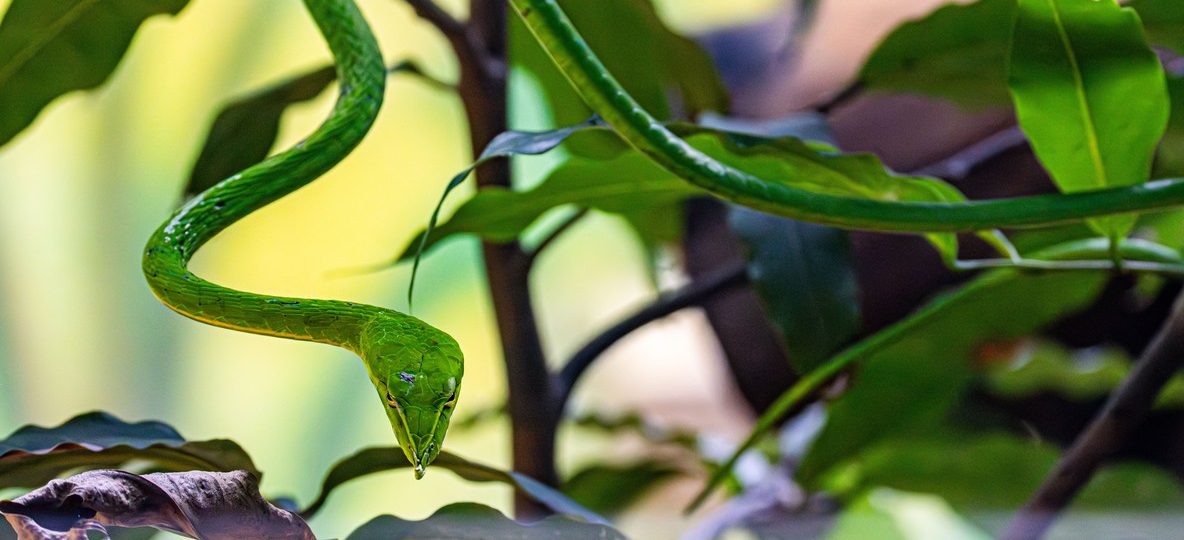
Snakes on Safari: A Traveler’s Guide to Kenya’s Snakes and How Camps Keep You Safe
If you are searching for a snakes in Kenya safari guide, you are probably picturing one thing: stepping out of your tent at night and meeting a black mamba. It is a fair worry. But it is also one of the most overblown fears in safari travel. This guide covers the real snakes you might see in Kenya’s parks and how often bites actually happen. It also shows exactly how camps and guides on tours and safaris keep guests safe from dusk to dawn.
We run tours and safaris across the Masai Mara, Amboseli, Tsavo, and Samburu at Trunktrails Safaris. Snake questions come up on nearly every pre-trip call. 🦒 The short answer is that snake bites on safari are rare. Camps take specific, practical steps to keep it that way. Here is what you actually need to know.
How Common Are Snake Encounters on a Kenya Safari?
Very uncommon, and bites are rarer still. Snakes are shy by nature. They feel vehicle engines and footsteps through ground vibration long before you see them, and their instinct is to move away, not toward you. Most safari guests who spend a week in the bush never see a snake at all. Those who do usually spot one from a vehicle, at a safe distance, moving through grass.
Kenya Wildlife Service rangers and licensed guides report that most snake bites in the country happen to farmers and herders working barefoot in rural fields. Safari travelers in vehicles or on guided walks are rarely affected. On a guided tours and safaris itinerary, your exposure to snakes is deliberately minimized. Vehicles keep you off the ground during game drives, and any walking safari is led by an armed ranger trained to scan the path ahead.
Which Snakes Will You Actually See in Kenya’s Parks?
Kenya has more than 130 snake species. Only a handful are venomous enough to be medically significant, and fewer still are commonly seen on safari routes.
| Snake | Where You Might See It | Venom Risk | Behavior |
|---|---|---|---|
| Black mamba | Rocky outcrops, Laikipia, Samburu | High, but rare contact | Fast-moving, avoids humans, active by day |
| Puff adder | Grasslands across most parks | High, most bites in East Africa | Slow, relies on camouflage, does not flee quickly |
| African rock python | Near rivers, Mara River, Ewaso Nyiro | Non-venomous, constrictor | Shy, mostly nocturnal, avoids humans |
| Egyptian cobra | Amboseli, Tsavo, dry bush country | High | Alert, will flee if given space |
| Boomslang | Trees and thickets, Mara, Laikipia | High, rear-fanged, rarely bites | Arboreal, extremely shy |
| Green mamba | Coastal forest, rarely inland parks | High | Arboreal, avoids open ground |
The puff adder is the one guides mention most often. It relies on stillness and camouflage rather than fleeing. That is exactly why walking safaris always follow single file behind an armed ranger who checks the ground ahead.
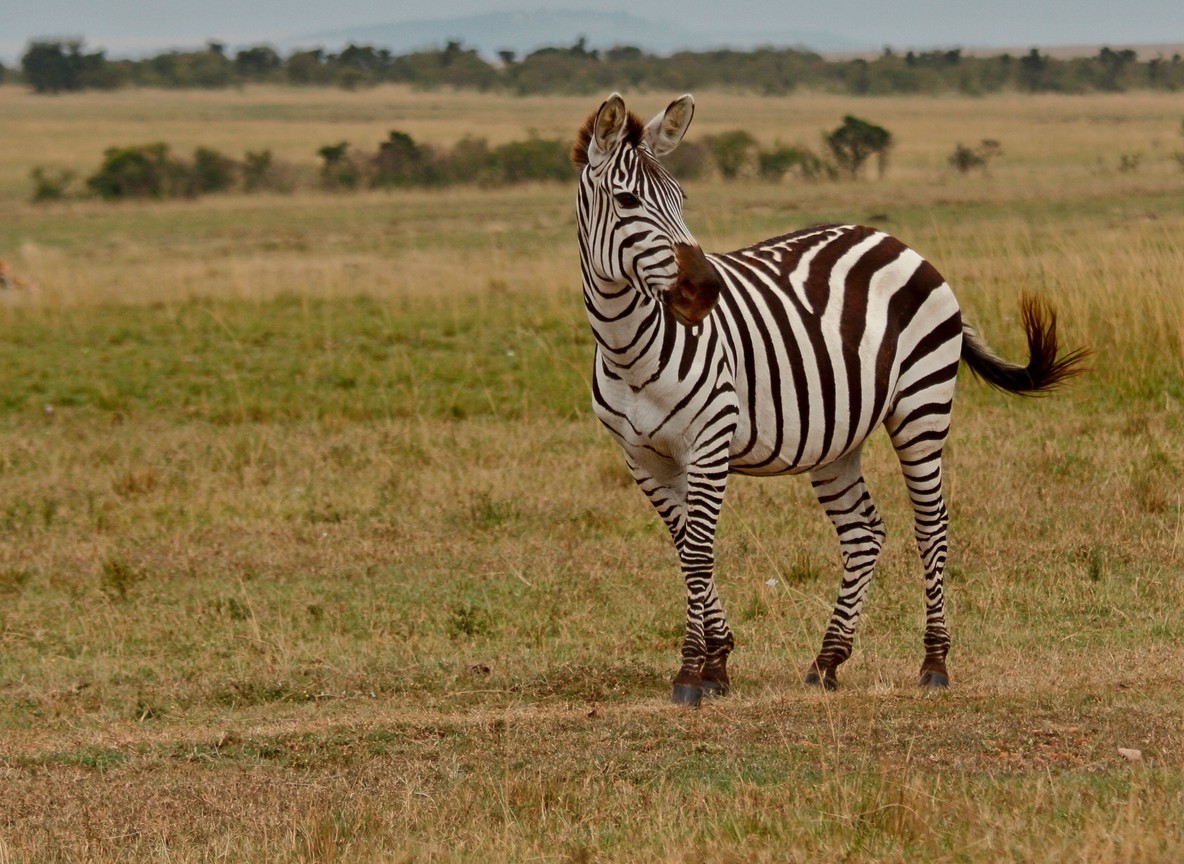
Kenya’s Safari Parks and Snake Habitat: The Real Numbers
Snake activity varies by park, terrain, and season. Here are the facts that matter for trip planning, using real park sizes, distances, and current park fees.
| Park or Reserve | Size (km2) | Distance from Nairobi | Travel Time | Non-Resident Park Fee (USD/day) |
|---|---|---|---|---|
| Masai Mara National Reserve | 1,510 | 270 km | 5-6 hrs drive or 45 min flight | 200 |
| Amboseli National Park | 392 | 240 km | 4 hrs drive or 35 min flight | 52 |
| Tsavo East National Park | 13,747 | 330 km | 4.5 hrs drive or 40 min flight | 52 |
| Samburu National Reserve | 165 | 345 km | 6 hrs drive or 50 min flight | 70 |
| Laikipia (private conservancies) | 9,500 (region) | 200 km | 3.5 hrs drive or 30 min flight | Included in camp rate |
Drier, rockier terrain in Samburu and Laikipia suits the black mamba and cobra species, which prefer rock crevices and termite mounds. The denser riverine bush along the Mara River and Ewaso Nyiro River is better python habitat. Camps in all five areas brief guests on local species during check-in. This is part of the standard safety routine on any tours and safaris booking.
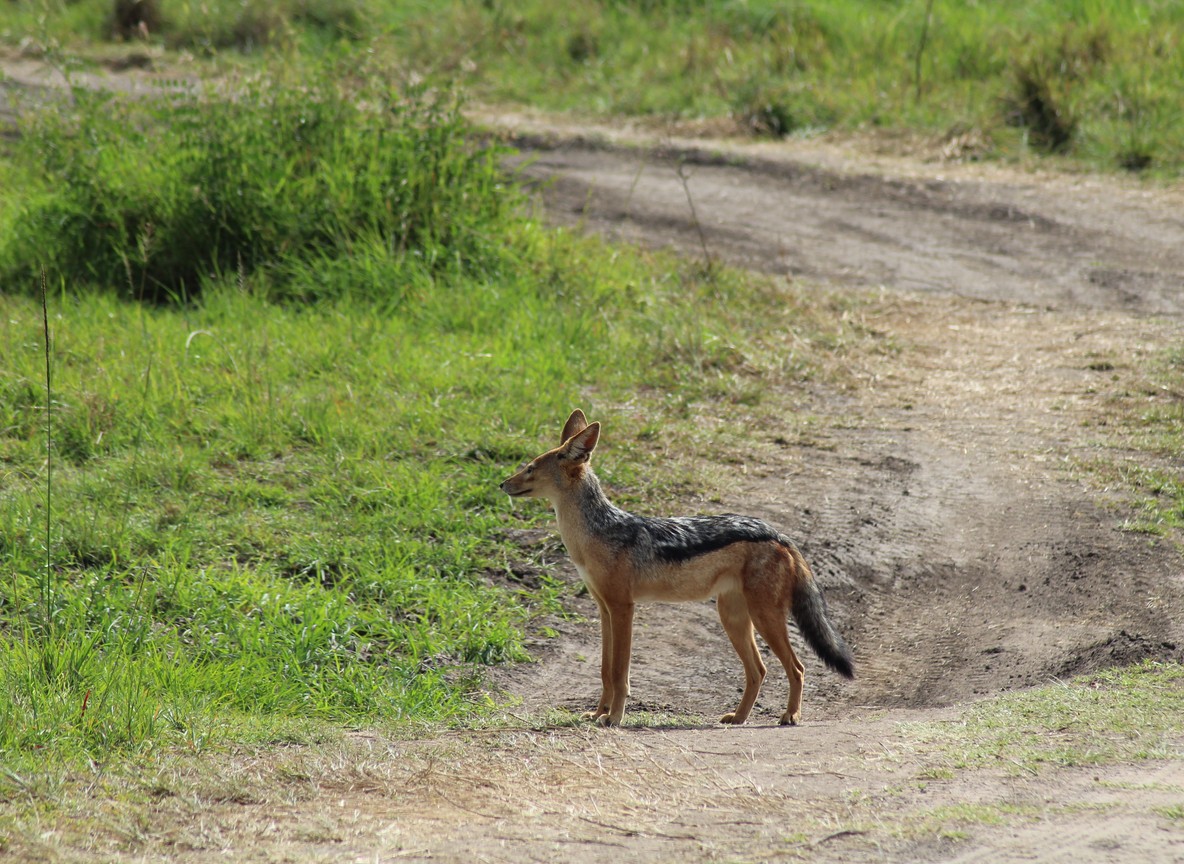
How Safari Camps Keep Guests Safe From Snakes
Camps across Kenya’s parks and conservancies use the same core safety protocol, refined over decades of hosting guests in the bush.
- Askari escorts at night. Every reputable camp assigns a night guard, called an askari, to walk guests between the mess tent and their room after dark with a torch. Snakes avoid light and vibration, so this alone prevents nearly all after-dark encounters.
- Raised tent platforms and sealed entrances. Most permanent tented camps sit on raised wooden decking with zip-sealed doors and mesh windows, which keeps ground-level wildlife, including snakes, out of sleeping areas.
- Grounds maintenance. Camp staff keep grass trimmed short around walkways and tents, removing the cover snakes rely on to stay hidden.
- Guide training. Every licensed Kenyan guide completes wildlife safety training that includes snake identification and first-response procedure.
- Medical evacuation on standby. Camps in remote areas maintain accounts with AMREF Flying Doctors or similar air ambulance services. A serious bite anywhere in the Mara, Tsavo, or Samburu can reach a Nairobi hospital within hours, not days.
None of this is designed to be dramatic. It is quiet, routine housekeeping that most guests never notice because it works. 🌅
What To Do If You See a Snake on Safari
Stay calm and stay still. Snakes strike when they feel cornered or startled, not because they are hunting a person. Back away slowly, keep your eyes on it, and tell your guide immediately. Never try to move it, photograph it up close, or corner it for a better look. If you are in a vehicle, simply stay seated. If you are on a walking safari, let the armed ranger take the lead in redirecting the group’s path.
If a bite does occur, camps are trained to keep the patient still, since movement speeds venom spread. Staff immobilize the limb and begin evacuation immediately, rather than attempting to identify or catch the snake.
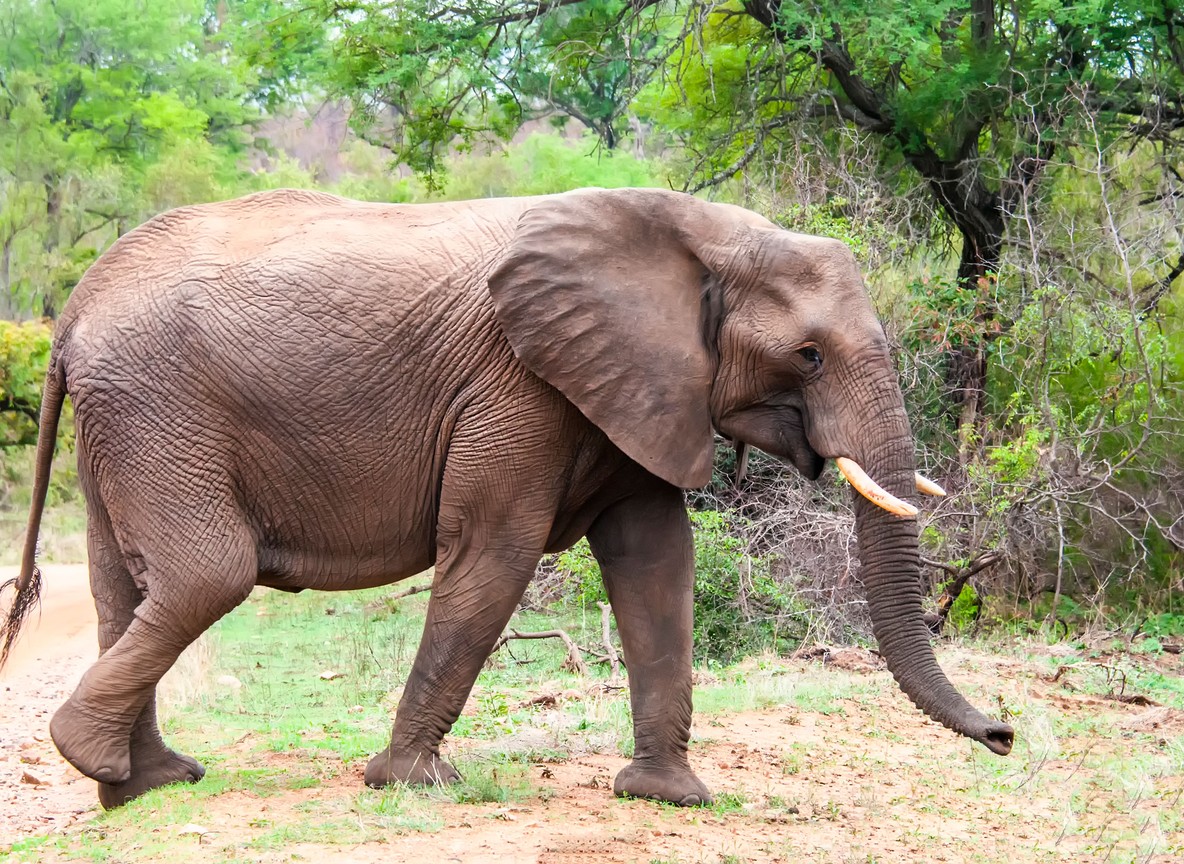
Snake Myths vs Facts: Kenya Safari Edition
| Myth | Fact |
|---|---|
| Snakes chase people on safari | Snakes flee from vibration and noise; chasing is extremely rare and usually defensive, not predatory |
| All Kenyan snakes are deadly | Most of Kenya’s 130+ species are harmless; only a handful are medically significant |
| Camps are full of snakes at night | Raised platforms, sealed tents, and askari patrols make snake entry into rooms uncommon |
| You should try to kill or catch a snake you see | Guides are trained to redirect guests away; leave the snake alone and it will leave |
| Snake bites are common on safari | Bites on safari travelers are rare; most bites in Kenya happen to rural workers in open fields |
Bio-Ken Snake Farm: Kenya’s Antivenom Research Hub
For travelers who want to see Kenya’s snakes safely rather than hope to spot one in the wild, Bio-Ken Snake Farm in Watamu, on the Kenyan coast, is worth the visit. It is a real research center that studies venom and breeds antivenom-producing snakes. Guided education sessions let you see a black mamba, puff adder, and rock python up close behind glass, with an expert explaining behavior and bite treatment. It is not part of a typical Mara or Amboseli itinerary. But travelers combining a coastal extension with their tours and safaris often add it as a half-day stop.
The Trunktrails Advantage
Snake safety is one small part of a much bigger safety picture on any Kenya trip, and it is one we take seriously at every camp we book. Trunktrails Safaris only works with properties that maintain raised sleeping platforms, trained night staff, and active medical evacuation cover. Guest safety should never be left to chance. Our guides brief every group on local wildlife, including snakes, before the first game drive, so nobody is caught off guard.
We are a Kenyan-owned operator based in Nairobi. We build tours and safaris for every type of traveler, from first-time visitors nervous about wildlife encounters to seasoned safari-goers who want deeper access to Kenya’s parks. Trunktrails Safaris handles the logistics so you can focus on the experience, not the what-ifs.
Plan a Safe, Well-Guided Kenya Safari
Snakes should not be the reason you skip the trip of a lifetime. Tell us your dates and the parks you want to see, and Trunktrails Safaris will match you with camps that take safety as seriously as you do.
Contact Trunktrails Safaris:
Further reading
More safari planning resources
- Nairobi to Maasai Mara route guide from Valley Safaris
- Is Kenya safe to visit? on Touring Insights
- Samburu destination guide on FindMySafari
- Map of Samburu from Valley Safaris
- WhatsApp: +254 113 208888
- Email: info@trunktrailssafaris.com
- Website: trunktrailssafaris.com
- Kenyan-Owned | Nairobi-Based 🌍