
Shimba Hills National Park: The Rare Sable Antelope Reserve Most Safari-Goers Skip 🌍
Shimba Hills National Park sits less than an hour from Diani Beach. It holds Kenya’s only wild population of sable antelope, yet it still gets left off almost every safari itinerary. Most visitors fly straight to the Masai Mara or Amboseli and never learn this coastal reserve exists. At Trunktrails Safaris, we think that is a mistake. Shimba Hills offers something the crowded parks cannot: a rare antelope species, a hidden waterfall, and forest trails without another vehicle in sight. This guide lays out the real numbers, named camps, and a clear plan for adding Shimba Hills to your Kenya tours and safaris.
Shimba Hills National Park at a Glance: The Facts
Shimba Hills National Park covers about 300 square kilometres of forested ridges, grassland, and woodland in Kwale County, on Kenya’s south coast. Pengo Hill, its highest point, rises to roughly 450 metres, which keeps the air noticeably cooler than the humid coastline just below. The Kenya Wildlife Service manages the park, which protects one of the last large blocks of coastal rainforest left in East Africa.
The park sits about 33 km southwest of Mombasa and roughly 30 km inland from Diani Beach. From Diani, the drive to the Kwale Main Gate takes around 1 hour. From Mombasa, allow 1.5 to 2 hours, since the route crosses or loops around the Likoni ferry crossing. The nearest airstrip is at Ukunda, close to Diani, while Moi International Airport in Mombasa handles larger scheduled flights.
| Shimba Hills fact | Detail |
|---|---|
| Park size | About 300 km2 |
| Highest point | Pengo Hill, around 450 metres |
| Distance from Diani Beach | About 30 km, roughly 1 hour |
| Distance from Mombasa | About 33 km, 1.5 to 2 hours via Likoni |
| Nearest airstrip | Ukunda (Diani) |
| Main gate | Kwale Main Gate |
| Non-resident fee (indicative) | Around 25 to 30 USD per adult, per day |
Always confirm current Kenya Wildlife Service rates before you travel, since park fees are reviewed periodically. The figures above are indicative planning ranges, not fixed quotes.
Why Most Safari-Goers Skip Shimba Hills National Park (and Why That Is a Mistake)
The honest answer is marketing, not merit. The Masai Mara has the wildebeest migration in its name recognition, and Amboseli has Kilimanjaro as a backdrop. Tour operators build standard circuits around those two parks and rarely mention the coast’s own reserve. Shimba Hills also has no lions or rhino, so it never makes a classic Big Five checklist. Travellers chasing that list book elsewhere without a second look.
That gap is exactly what makes Shimba Hills valuable to a different kind of traveller. Because so few tour vehicles detour here, you often have the sable glades and forest trails to yourself. A reserve most safari-goers skip is a reserve where a dawn drive feels like discovery rather than a queue. For anyone who has already ticked off lion and elephant on a Mara trip, this coastal park delivers something genuinely different. It fits neatly into a short drive from any beach holiday.
Sable Antelope Kenya: The Species You Cannot See Anywhere Else
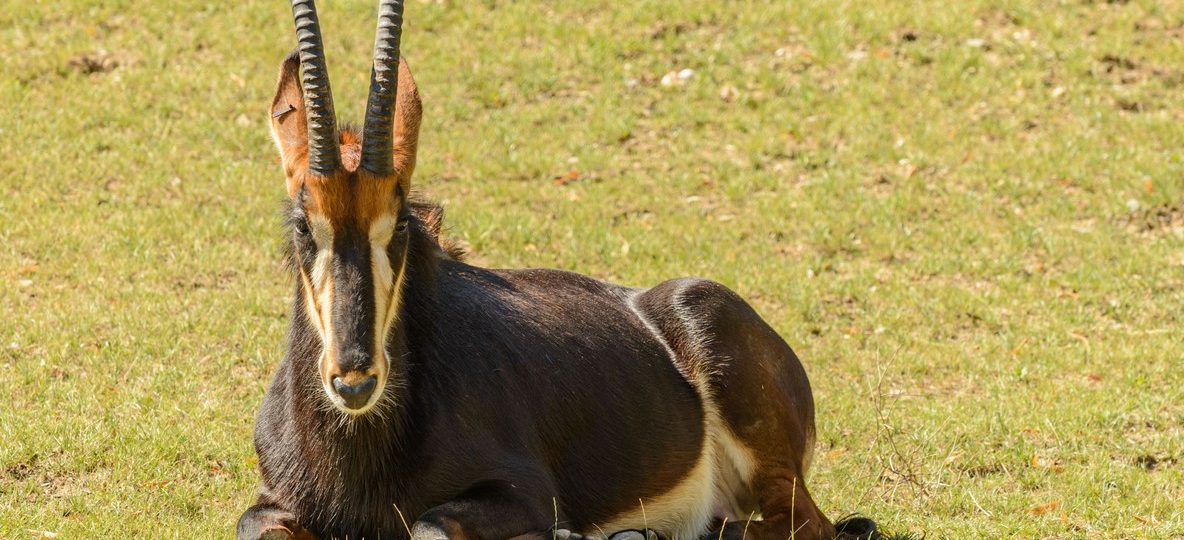
The reason to make the detour is the sable antelope. Shimba Hills National Park is the only protected area in Kenya where a wild sable antelope lives. That makes this park a one-species pilgrimage for serious wildlife watchers. A mature sable bull is striking, jet black with a white belly and long, backward-curving horns shaped like scimitars. The population here is small, estimated in the low hundreds. Every confirmed sighting carries real weight.
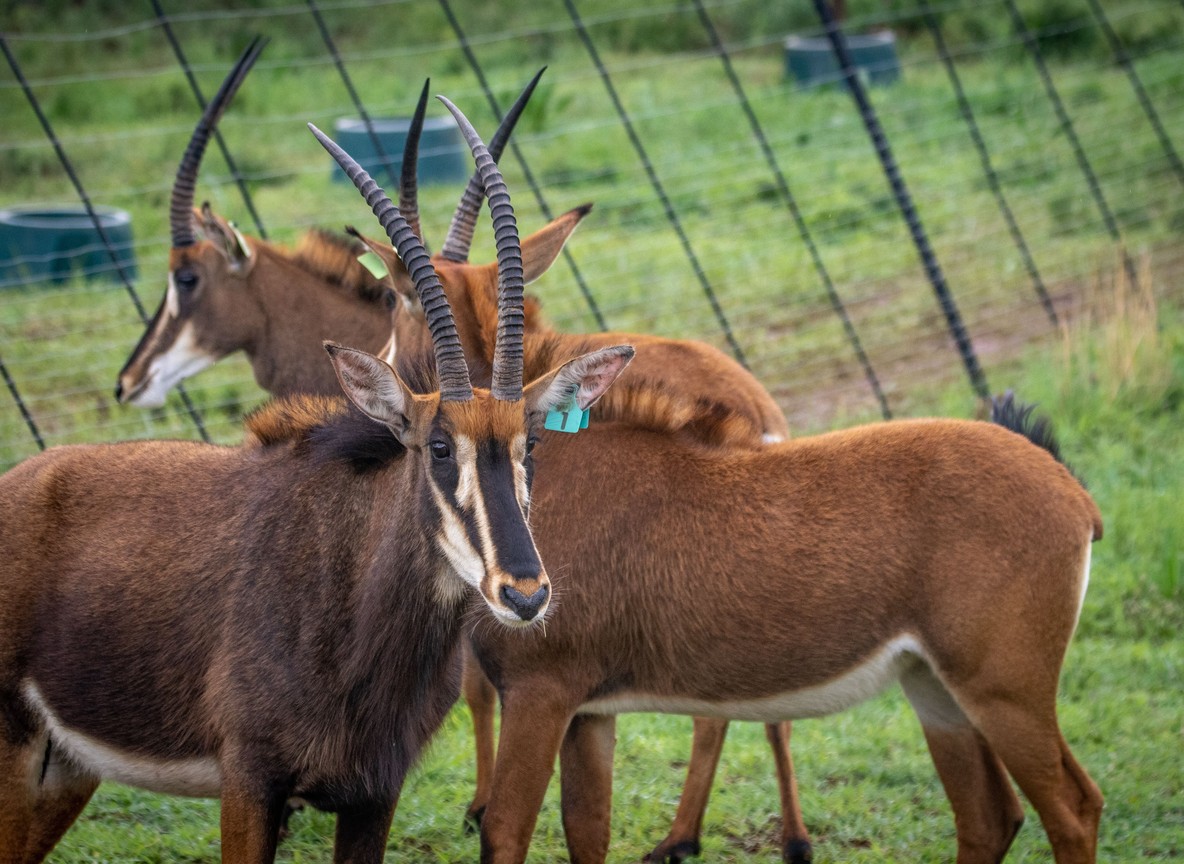
Sable favour the open glades and grassy ridges between forest blocks, so a slow morning drive along the plateau gives the best odds. Our guides at Trunktrails Safaris know the specific clearings where herds feed at first light. We time drives to arrive before the morning mist burns off. This is one of the few places on the entire coast where tours and safaris genuinely centre on one rare animal. Travellers who make the trip rarely regret it.
Sheldrick Falls: A Waterfall Most Tourists Never See
Beyond the wildlife, Shimba Hills National Park holds Sheldrick Falls, a slender 21-metre waterfall named after David Sheldrick, the conservationist who helped establish the reserve. Reaching it means a guided walk of about 30 to 45 minutes each way through cool, shaded forest. An armed KWS ranger comes along, since elephants move through the same area.
The path winds beneath tall trees loud with birdsong before opening onto the falls, where a clear, cold pool invites a swim. Very few Kenya safari circuits let you leave the vehicle and walk through wild forest on foot. That shift changes the entire feel of the day. Sturdy shoes and a swimsuit are worth packing for this stop alone.
Shimba Hills vs the Big-Name Parks: How It Compares
Travellers often ask how a small coastal reserve stacks up against Kenya’s household names. The honest comparison is not about size or lion counts. It is about crowd levels, rare species, and how the park fits around a coast holiday.
| Feature | Shimba Hills National Park | Masai Mara National Reserve | Amboseli National Park |
|---|---|---|---|
| Approx. size | 300 km2 | 1,510 km2 | 392 km2 |
| Signature species | Sable antelope (Kenya’s only wild population) | Lion, wildebeest migration | Elephant, Kilimanjaro views |
| Non-resident fee (indicative) | 25 to 30 USD/day | 70 to 100 USD/day | 60 to 80 USD/day |
| Typical drive time | 1 hour from Diani | 5 to 6 hours from Nairobi | 3.5 to 4 hours from Nairobi |
| Crowd levels | Low, few vehicles | High in peak season | High in peak season |
| Best paired with | Diani or Mombasa beach stay | Multi-day safari circuit | Multi-day safari circuit |
Shimba Hills will never replace a Mara migration safari, and it is not trying to. It works as a short, affordable, low-crowd add-on for anyone already on the coast. That is exactly why it belongs on more itineraries than it currently gets.
Mwaluganje Elephant Sanctuary: The Community Neighbour
Right beside the park lies the Mwaluganje Elephant Sanctuary, a community-owned conservancy that shares its elephant herds with Shimba Hills. Local landowners set aside farmland to create a wildlife corridor. Entry fees now support the same families who once lost crops to elephants passing through. It stands as one of Kenya’s earliest and most successful community conservation models.
A drive through Mwaluganje adds dramatic scenery, with steep valleys, baobab-studded slopes, and close elephant encounters along the track. Pairing the sanctuary with the park makes for a full, varied day. When you book with Trunktrails Safaris, we route you through both. Your fees then support conservation on community land as well as inside the national park.
Best Time to Visit Shimba Hills National Park
The best time to visit Shimba Hills is during the drier months, when forest tracks stay firm and the walk to Sheldrick Falls is at its easiest. Because this is coastal rainforest, light rain can fall in any month. Pack a compact waterproof regardless of your travel dates.
| Period | Season | What to expect |
|---|---|---|
| January to February | Warm and dry | Firm tracks, good sable viewing, clear falls walk |
| March to May | Long rains | Lush and green, muddy paths, fewer visitors, lower rates |
| June to September | Cool and dry | Best all-round conditions, pleasant hikes, prime months |
| October | Warm, drying out | Green forest, good access, quieter than peak |
| November to December | Short rains | Fresh growth, occasional showers, festive coastal crowds |
The June to September window pairs neatly with the coast’s cooler, breezy season. Many travellers combine Shimba Hills with beach time at Diani during these months. The green season still rewards birders and photographers who do not mind an afternoon shower.
Where to Stay Near Shimba Hills National Park
You can visit Shimba Hills as a day trip from Diani, or stay closer for early access to the sable glades. Inside the park, the historic Shimba Hills Lodge is the only forest tree lodge on the Kenyan coast, built on stilts above a waterhole. Around Diani and Kwale, a wide range of beach and bush options fill out the rest of your stay.
| Lodge or base | Location | Style | Good to know |
|---|---|---|---|
| Shimba Hills Lodge | Inside the park | Forest tree lodge | Waterhole views, elephants at night, confirm current status before booking |
| Kutazama Lodge | Near Mwaluganje | Boutique bush | Valley views, close to the elephant sanctuary |
| Leopard Beach Resort | Diani Beach | Upper beach resort | Strong day-trip base, easy 1-hour transfer |
| Baobab Beach Resort | Diani Beach | All-inclusive resort | Family friendly, wide range of rooms |
| Diani Reef Beach Resort | Diani Beach | Luxury beach resort | Good spa and dining, comfortable coast base |
Basing yourself at Diani and running a full-day park trip is the most popular pattern. It lets you enjoy both beach and forest without changing hotels. Travellers who want the sable glades to themselves at dawn should arrange a night inside the park.
The Trunktrails Advantage
At Trunktrails Safaris, Shimba Hills National Park is not an afterthought bolted onto a beach holiday. As a Kenyan-owned operator with deep coast roots, we treat it as a genuine safari in its own right, not a rushed detour. Our guides know the park’s rhythms. They know which glade the sable feed in at first light, when the mist lifts off Pengo Hill, and how to time the Sheldrick Falls walk so you swim in sunlight rather than shade.
We handle the details that trip up self-drivers, from Likoni ferry timing to the KWS ranger booking required for the waterfall trek. Every Trunktrails Safaris vehicle is a proper 4×4, kept ready for the park’s forest tracks after rain. We link the sable plateau, the falls, and the Mwaluganje sanctuary into one logical loop. That way you see the most while your fees support both national and community conservation. Book tours and safaris with us and you gain a local partner who answers the phone and meets you at your hotel. That partner stands behind every mile of the trip. ✨
Add the Reserve Most Safari-Goers Skip to Your Coast Trip
Shimba Hills National Park offers what no beach chair can: a wild sable antelope found nowhere else in Kenya, a cool rainforest canopy, a secret waterfall, and forest elephants. All of it sits within an hour of Diani. Choose June to September for the firmest trails and easiest hiking, or the green season for lush forest, rich birdlife, and lower rates. Either way, this quiet park rewards travellers willing to look past the household names. 🐘
Further reading
More safari planning resources
- Kenya national parks map from Valley Safaris
- Best time to visit Kenya on Touring Insights
- Diani Beach guide on FindMySafari
- Big Five safari collection on FindMySafari
Let Trunktrails Safaris build that day around your coast holiday. Message us on WhatsApp at +254 113 208888, email info@trunktrailssafaris.com, or visit trunktrailssafaris.com to start planning. Tell us your beach dates, and we will show you the sable, the falls, and the forest most visitors never get to see.