Self-drive and guided safari kenya may happen in the same landscape, but they reward very different kinds of traveller. One favors patience, detail, or specialist interest. The other suits a broader safari rhythm. That is the self-drive vs guided safari kenya choice.This is where Trunktrails Safaris helps clients avoid the wrong fit. We are Nairobi-based and Kenyan-owned. Our guides know when a specialist activity genuinely adds depth and when it is just a glossy add-on. That matters if you want the safari to feel right, not merely busy.Here is the honest self-drive vs guided safari kenya comparison, with the strengths, limits, and best-fit traveller for each side.
Quick Comparison: Self-Drive vs Guided Safari Kenya
| Factor | Self-Drive Safari | Guided Safari |
| Available In | Amboseli, Tsavo, Lake Nakuru (mainly) | All Kenya parks and conservancies |
| Masai Mara | Restricted: guide required in most zones | Full access with professional guide |
| Wildlife Knowledge | Your own knowledge and field guides | Expert local wildlife knowledge |
| Animal Behavior Reading | Limited unless experienced | Guides read tracks, posture, behavior cues |
| Navigation | Maps, apps, self-routing | Guide knows every track and current wildlife locations |
| Cost | Vehicle hire + park fees (no guide fee) | Vehicle + park fees + guide fees ($150 to $300/day) |
| Safety | Self-responsible in remote wilderness | Guide carries first aid knowledge and communication |
| Language | English-only interaction | Multilingual guides; Swahili and Maasai community access |
| Flexibility | High: your own pace and timing | High: private guides adapt to your interests |
| Photography | Good; you control stopping | Better: guide positions for light and behavior |
Where Self-Drive Is Possible in Kenya
Parks That Allow Self-Drive
Self-drive is permitted in several of Kenya’s national parks:
- Amboseli National Park: Self-drive is allowed and relatively straightforward. The park is compact (392 km²) with clearly marked circuits. Wildlife concentrates around the swamp areas and is relatively easy to locate without a guide
- Tsavo East National Park: Self-drive is permitted but challenging given the park’s enormous size (11,747 km²). Getting genuinely lost on unmarked tracks is a real risk. Recommended only for very experienced bush travelers
- Tsavo West National Park: Similarly vast; self-drive permitted but complex terrain
- Lake Nakuru National Park: Self-drive possible and manageable given the compact size; flamingos and rhinos are reliable finds
- Hell’s Gate National Park: Specifically designed for self-drive (and even cycling): gorges, geothermal activity, and easily navigated circuit roads
Wildlife Viewing on a Kenyan Road Trip
A Kenyan road trip opens up a remarkable spectrum of wildlife experiences, whether you lean self-drive or guided. Each day on the road brings new landscapes and fresh animal encounters, tailored by your route and mode of exploration.- In Lake Nakuru National Park, self-drivers reliably find rhinos, flamingos massed along soda lakes, and resident leopards if fortune (and patience) align.
- Heading south, Amboseli’s open plains showcase vast elephant herds beneath the snowy cap of Kilimanjaro—one of Africa’s signature scenes, easily accessed by those confident behind the wheel.
- Tsavo East and West reward seasoned bush navigators with classic big game—elephants and “red-dusted” buffalo—I’ve had giraffes materialize almost out of nowhere along the endless tracks.
- Laikipia and Ol Pejeta Conservancy step up the diversity: here lion, Grevy’s zebra, and even wild dog await, and the terrain transitions from savanna to dense acacia forest.
- The adventurous can cycle through Hell’s Gate National Park, weaving past grazing zebras and impala—a rarity on the continent.
- If you’re all about showstoppers, the Masai Mara (with a guide) delivers epic game drives: big cats, massive wildebeest herds, and drama at every bend.
Each region offers something unique—and the blend of self-drive freedom with occasional guided depth means your wildlife checklist fills up fast, customized by your curiosity and comfort behind the wheel.How to Rent a 4×4 for Self-Drive in Kenya
If you’re plotting your own course through Kenya’s parks, you’ll need a sturdy, reliable 4×4—and happily, the process is more straightforward than you’d think.Several Nairobi-based rental companies—such as Sunworld Safaris, Central Rent-A-Car, and Kenya Vehicle Rentals—specialize in safari-ready vehicles. They typically offer Toyota Land Cruisers and Land Rovers, both excellent on Kenya’s corrugated and occasionally unruly roads. Most come with pop-up roofs for easier wildlife viewing and generous ground clearance for those mud-season surprises.What to look for:- Pop-up roof or open hatch for perfect camera angles.
- Comprehensive insurance and 24/7 roadside support—never skip this, especially for the more remote parks.
- High clearance and all-terrain tires (some routes turn challenging, especially in Tsavo and Tsavo West).
- Quality road map or GPS unit—though the classic glovebox paper map still beats Google when you’re out of signal.
- Optional camping gear: Many companies offer vehicles kitted out with rooftop tents or ground tents. If you’re keen to wake to the sounds of the bush (and brew your own sunrise coffee), request a vehicle with a full camping set: mattresses, chairs, table, stove, utensils—the works.
Booking tips:- Book in advance, especially July–October (Migration season).
- Check the fine print on mileage limits, cross-border policies, and inclusions like spare tires or recovery equipment.
- Upon pickup, inspect the vehicle—document any dings or scratches before driving off.
Once you’ve sorted your chosen kilimani chariot, all that’s left is to plot your route, cue up your playlist, and set your sights on the game circuit of your dreams.Where Self-Drive Is Restricted: Masai Mara

The Masai Mara National Reserve requires visitors to be accompanied by a licensed guide in official game drive vehicles. Independent private cars are generally not permitted for game drives inside the reserve. Some exceptions exist for specific entry scenarios, but for practical purposes, the Masai Mara is a guided-only destination.Private conservancies adjacent to the Masai Mara (Olare Motorogi, Naboisho, Mara North) are exclusively guided: they are private land requiring booked camp stays and guided activities.
How Accommodations Work for Self-Drive Safaris in Kenya
When planning a self-drive safari in Kenya, your choices for where to stay are as varied as the landscapes you’ll traverse. Whether you crave a cozy lodge or the thrill of wild camping, the process is entirely in your hands—but with plenty of support if you want it.Booking Lodges, Tented Camps, and Campsites- Lodges and Tented Camps: Most parks, including Amboseli, Tsavo, and Lake Nakuru, offer a range of accommodation options from rustic tented camps to luxury lodges. Brands like Serena, Sopa, and Sarova manage properties you can book directly or via platforms like Booking.com.
- Camping: Prefer open skies? Public campsites are available in many parks (KWS campsites are common), and some private conservancies and community-run areas also allow camping with prior arrangement.
- Arranging Accommodation: You can book in advance online, through tour operators, or by contacting the lodge or campsite directly. During peak migration season in the Masai Mara (July–October), early reservations are strongly recommended.
Flexibility and Considerations- Flexibility: Self-drive means you decide your route and where to stop for the night. If you want to change plans mid-trip (and it’s not high season), many camps and lodges are happy to accommodate walk-ins or last-minute bookings.
- Park Requirements: Note that in Masai Mara conservancies and some private reserves, staying inside the park or reserve is mandatory if you’re on a self-drive, and pre-booking is often required.
- Amenities and Security: Most established lodges and campsites offer secure parking, meals (or self-catering kitchens), and hot showers—a far cry from the “roughing it” stereotype.
Whether you dream of waking to the trumpeting of elephants or prefer a solid roof after a day dodging Tsavo elephants, Kenya’s accommodation options have you covered. Plan, reserve, and be ready for a few surprises—flexibility is part of the adventure.
Typical Road Trip Itineraries in Kenya: Duration and Destinations
If you’re mapping out a Kenyan road trip, expect itineraries ranging anywhere from a quick 8 days to a sprawling 20-day adventure—just enough time to feel the dust of the savannah and the salt of the Indian Ocean.- 8-Day Itinerary: Perfect for first-timers, these trips usually concentrate on core safari highlights with manageable daily drives. Think wildlife viewing in Lake Nakuru and the Masai Mara, cruising the vibrant shores of Lake Naivasha, and exploring Hell’s Gate National Park. There’s often time for an authentic Maasai camp experience—wake up to the sounds of the bush and traditional songs by the campfire.
- 13-Day Journey: For those wanting both safari drama and the relaxation of Kenya’s coastline, a two-week route tends to loop through the Masai Mara, Lake Naivasha, and Amboseli National Park, before picking up the Madaraka Express railway (yes, spotting elephants right from your window is entirely possible) all the way to Mombasa and the warm, white-sand beaches beyond.
- 16-Day Expedition: This itinerary dives deeper into Kenya’s lesser-visited northern and central reaches. You’ll track elephants in Laikipia, explore rhino sanctuaries at Ol Pejeta, venture to Meru National Park, and wander forest canopies in Ngare Ndare. Along the way, encounters with the Samburu community, cycling among zebras in Hell’s Gate, and water adventures in Sagana (think rafting or ziplining) break up the drive.
- 20-Day Grand Tour: For the widest lens on Kenya, the three-week circuit covers everything above (from classic game parks like Amboseli, Tsavo, and the Masai Mara, right through to Laikipia and Lake Nakuru), but also gives you time to unwind fully on the beaches of Watamu or Diani. There’s ample room for cultural stops, river adventures, and evenings spent in Maasai village camps.
You can pick and mix—from quick wildlife loops to an epic Nairobi-to-coast journey. Whether you’re seeking classic safari encounters, deep dives into remote parks, or a blend of bush and beach, there’s an itinerary length and route to suit every appetite.Suggested Self-Drive Road Trip Itineraries in Kenya
If you’re ready to explore Kenya at your own pace, there are several rewarding road trip routes to consider—whether you’re short on time or have weeks to wander. Here are some flexible itineraries, ranging from quick safaris to epic, coast-to-coast journeys.Sample 8-Day Safari Circuit
This itinerary is a great introduction for those who want to maximize wildlife viewing without long daily drives.- Begin in Nairobi and make your way to Lake Nakuru for its iconic flamingos and rhinos.
- Continue to the legendary Masai Mara for world-class game drives—especially rewarding during the migration season.
- Stop at Lake Naivasha for walking safaris, boating, or cycling among zebras in Hell’s Gate National Park.
- Unwind at a Maasai-run camp for a taste of local hospitality.
13 Days: Wildlife, Rails, and Coast
Ideal for those wanting a classic safari-and-beach experience, this route lets you savor the bush and relax by the Indian Ocean.- Explore the Masai Mara and Amboseli National Park, home to great herds of elephants against a Kilimanjaro backdrop.
- Traverse Lake Naivasha’s scenic shores.
- Take the Madaraka Express train from Emali to Mombasa—it threads through Tsavo National Park, offering unique wildlife viewing from your seat.
- End your adventure on Kenya’s stunning southern beaches—think Diani or Watamu.
16 Days: Off the Beaten Path
For travelers craving adventure beyond the tourist trail, this route dives into Kenya’s lesser-known natural wonders.- Roam the wild landscapes of Laikipia, Ol Pejeta Conservancy, and Meru National Park for rare species and private safari experiences.
- Engage with the Samburu community to learn about their traditional lifestyle.
- Hike among waterfalls and walk through the canopy in Ngare Ndare Forest.
- Test your nerves whitewater rafting, kayaking, or ziplining in Sagana.
- Pedal by wildlife in Hell’s Gate’s open grasslands.
20 Days: The Grand Safari—Bush to Beach
If you want it all, this classic cross-country trip has you covered.- Start with game drives in Masai Mara, Lake Nakuru, Laikipia, Amboseli, and Tsavo—encountering everything from big cats to elephants and rhinos.
- Immerse yourself in local Maasai culture with a night or two at a traditional camp.
- Cap it all off on the white-sand beaches of Watamu or the Swahili Coast, swapping binoculars for a snorkel mask.
Whichever route you choose, Kenya’s self-drive safaris serve up a heady mix of wildlife encounters, scenic wonders, and cultural experiences. Just remember: some areas require guides or more advanced navigation skills, so pick your route according to your comfort level and sense of adventure!What You Gain with a Professional Guide
Wildlife Knowledge
A professional Kenyan safari guide brings years of training in wildlife behavior, ecology, and animal identification. The difference between a trained guide and a self-drive tourist is the difference between watching an animal and understanding what it is doing and why.A guide reads the lion’s ear position and body angle to predict a charge or a relaxed posture. A guide hears a particular bird call that indicates a leopard is nearby and the bush is alarmed. A guide follows tracks in the dust to find a cheetah that has moved into a new area since morning. This layered intelligence is simply not replicable from a field guide or a wildlife app.
Navigation
The Masai Mara is a complex terrain of seasonal tracks, flooded crossings, and camp-specific routes. Guides know which tracks flood in the rains, which sections have been recently active with lions, and the quickest route to the Mara River for a crossing report. Self-drive tourists in large parks frequently get lost, stuck in mud, or miss wildlife entirely because they do not know where to look.
Safety
Kenya’s national parks contain dangerous wildlife. While attacks on tourists are rare, they do occur: particularly during walking activities or in the event of a vehicle breakdown near big game. A professional guide knows emergency protocols, has communication equipment, and carries the knowledge to manage a range of bush scenarios.
Cultural and Community Access
A local Kenyan guide opens doors to cultural interactions, Maasai community encounters, and the human story of the landscape that no self-driving tourist ever accesses. The connection a guide has to the land they grew up in or trained in adds an irreplaceable dimension to the safari experience.
Cost Comparison
Self-Drive Costs
- Vehicle hire: $80 to $200 per day for a 4×4 vehicle (ensure the vehicle has good clearance and a working spare)
- Park fees: Same as any visitor: $80 per adult per day at Masai Mara Reserve; $40 to $70 at Amboseli
- No guide fee: The daily guide cost ($150 to $300) is eliminated
- Fuel: Approximately $50 to $100 per day depending on driving distance
Camping Gear and Rooftop Tent Options
For travelers seeking self-drive independence, outfitting your 4×4 vehicle with camping gear is not only possible—it’s a popular choice. Many rental agencies in Kenya cater specifically to adventurous visitors by offering fully equipped Land Cruisers and Hiluxes fitted with rooftop tents or traditional ground tents.A typical rental setup will include:- A rooftop tent (Eezi-Awn and Alu-Cab are common, well-regarded brands), already installed on your vehicle, or ground tent options if you prefer camping at ground level
- Camping essentials: mattresses, sleeping bags, cooking utensils, gas stove, table, chairs, and even a fridge or cooler for perishables
- Comprehensive road maps and navigation aids
This means you can set up your own mobile bush camp wherever permitted, enjoying the flexibility to stay at public campsites within parks or at private conservancies (where self-camping is allowed). The rental packages are usually designed so you step off the plane, collect your vehicle, and have everything you need to begin your journey—no gear sourcing headaches or last-minute supermarket runs.Why Book Directly With a Vehicle Owner?
Booking your safari 4×4 directly from a vehicle owner, rather than through an agency or aggregator, offers several tangible benefits for independent travelers:- Transparent Pricing: Without layers of commission or third-party markups, the price you see is the price you pay. This generally translates to better value overall—what you negotiate is what you get.
- No Hidden Fees: Vehicle owners can be upfront about what’s included, so you avoid unwelcome surprises such as “administration” or “processing” charges that often appear when booking through middlemen.
- Fleet Knowledge and Maintenance: Owners know the exact condition and service history of their vehicles (usually Toyotas or Land Cruisers are the workhorses in Kenya), so you’re less likely to get a vehicle with undisclosed quirks or intermittent faults.
- Direct Support and Accountability: If you break down on a remote track in Tsavo or need a replacement tire near Lake Nakuru, you’re speaking to the people who actually run and maintain the fleet—not a call center employee three time zones away.
- Personalized Service: Many owners provide route tips, share up-to-date road conditions, or even stock the vehicle with extra gear or a custom road map—details that get lost in translation via agencies.
Put simply: working directly with a vehicle owner ensures you’re not just another rental contract. The arrangement is cleaner, often more flexible, and—especially for demanding routes or multi-day itineraries—gives you a direct line to the person who knows their vehicles and Kenya’s roads inside-out.Guided Safari Costs
- Guide fee: $100 to $300 per day depending on whether the guide is included in a camp package or hired independently
- Vehicle: Usually included in camp package or hired with guide
- Park fees: Same
The cost saving of self-drive is real but may not be as significant as it appears. When a guide is included in a camp’s all-inclusive rate (as is common at quality safari camps), the effective cost of the guide is already built into what you pay.
Practical Reality in Kenya’s Parks
| Park | Self-Drive Practical Assessment |
| Amboseli | Manageable: compact park, clear circuits, reliable wildlife at swamps |
| Lake Nakuru | Easy: small, fenced park; flamingos and rhinos straightforward to find |
| Hell’s Gate | Excellent for self-drive and cycling: specifically designed for it |
| Tsavo East | Challenging: vast, easy to get lost; bring detailed offline maps and recovery gear |
| Masai Mara | Effectively guided-only for practical and regulatory reasons |
| Samburu | Possible but complex terrain; guide knowledge adds enormous value |
What Travelers Say About Self-Drive Safaris in Kenya
Independent Travel with a Sense of Adventure
Those who have ventured on self-drive safaris in Kenya often rave about the freedom and adventure embedded in the experience. Many seasoned safari-goers from the UK, Europe, and North America describe the joys of planning their route, setting their own pace, and lingering at a waterhole without anyone hurrying them along. For repeat visitors, the hands-on aspect—navigating unfamiliar terrain, reading animal tracks, and making spontaneous detours—becomes a highlight, adding a rich layer of satisfaction to spotting wildlife.Memories Made on the Open Road
Travelers frequently mention the thrill of driving a sturdy 4×4 across Kenya’s legendary landscapes, from the elephant herds in Amboseli to the shimmering flamingo flocks at Lake Nakuru. Camping atop the vehicle within the national parks stands out as a favorite memory—effortless to set up, the rooftop tents bring a sense of adventure without sacrificing comfort. Many consider falling asleep to the distant roar of lions or waking to sunrise over the savannah as moments they would not trade for anything.Camaraderie and Connection
For some, hiring a local driver-guide bridges the gap between independence and expertise. Guests often recall these guides not simply as knowledgeable naturalists but as new friends—sharing stories, culture, and even a few unforgettable jokes along the way. The camaraderie that develops on the road, whether with travel companions or with new acquaintances, becomes a cherished part of the safari narrative.Practical Impressions
Feedback consistently highlights the reliability of robust vehicles and the supportiveness of local staff—quick communication, practical advice, and a reassuring presence should anything arise. The ability to handle minor mechanical hiccups or re-orient after a wrong turn becomes, for many, all part of the adventure.In short, travelers describe self-drive safaris in Kenya as immersive, rewarding, and distinctly memorable—an experience shaped by a blend of personal initiative, wild landscapes, and the simple magic of the open road.Which Should You Choose?
Choose Self-Drive If You:
- Are an experienced bush traveler or have done multiple African safaris
- Are visiting compact, clearly signposted parks like Amboseli or Lake Nakuru
- Have a specific interest in independent exploration and navigation
- Are on a tight budget and want to eliminate guide costs
- Are visiting Hell’s Gate for hiking and cycling (specifically designed for self-exploration)
Choose a Guided Safari If You:
- Are visiting the Masai Mara (guide required)
- Want the maximum wildlife sighting quality and behavior interpretation
- Are visiting a large or complex park where navigation is genuinely challenging
- Are on your first or second African safari
- Value cultural interaction and local guide knowledge
- Are traveling with family members or children who benefit from expert interpretation
For most Kenya safari destinations: and especially the Masai Mara: a professional guide transforms a good wildlife experience into an extraordinary one.
Ready to Plan Your Kenya Safari? Talk to Trunktrails Safaris
Trunktrails Safaris designs tailor-made tours and safaris for every traveller and every budget. From green-season adventures to private luxury camps, our tours and safaris are built by a Nairobi-based team that speaks to you directly, not through a call centre. Most WhatsApp enquiries about our Kenya tours and safaris get a reply from Trunktrails Safaris within the hour.WhatsApp: +254 113 208888Email: info@trunktrailssafaris.comWebsite: https://trunktrailssafaris.com | Native Kenyan Owned | Conservation First | 24/7 Support
Book Your Safari
Tell us which parks you want to visit and whether you are considering self-drive options: and we will give you honest, ground-level advice on what works best for your trip.
Further reading
More safari planning resources


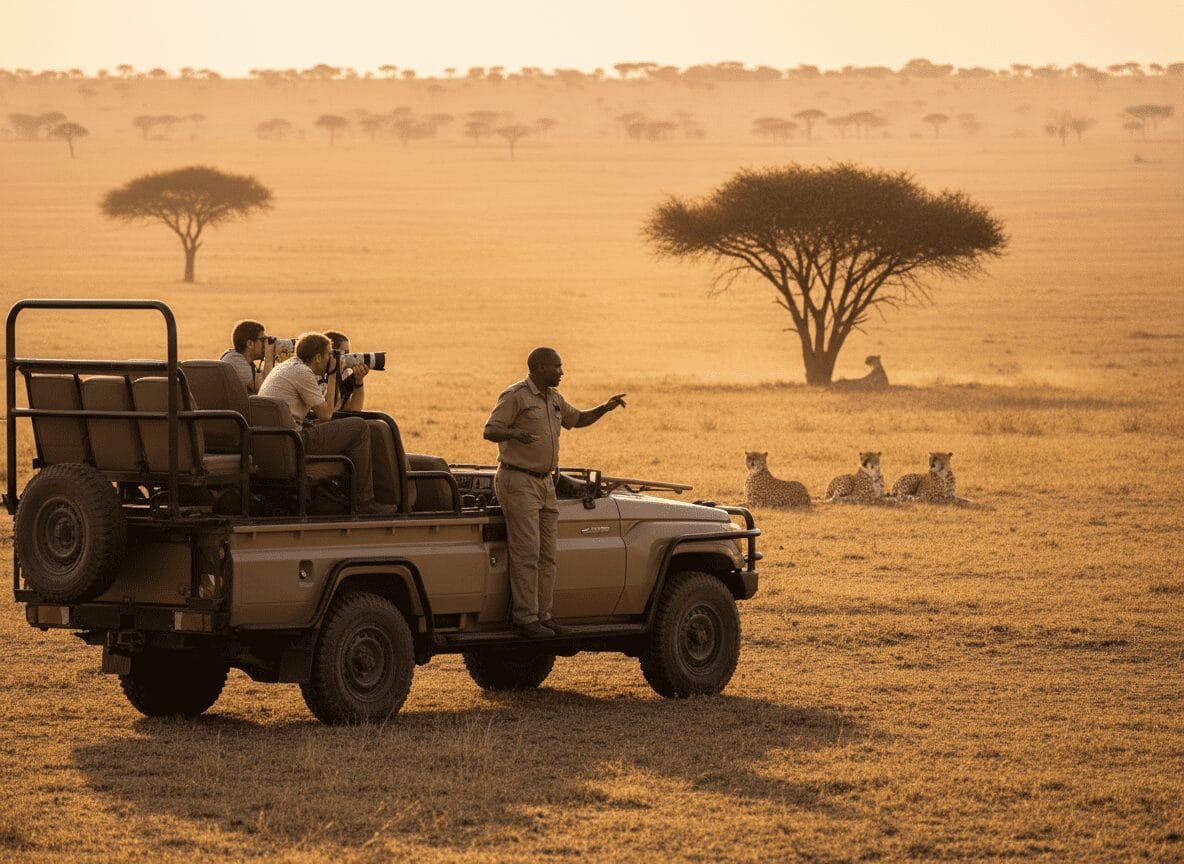 The Masai Mara National Reserve requires visitors to be accompanied by a licensed guide in official game drive vehicles. Independent private cars are generally not permitted for game drives inside the reserve. Some exceptions exist for specific entry scenarios, but for practical purposes, the Masai Mara is a guided-only destination.Private conservancies adjacent to the Masai Mara (Olare Motorogi, Naboisho, Mara North) are exclusively guided: they are private land requiring booked camp stays and guided activities.
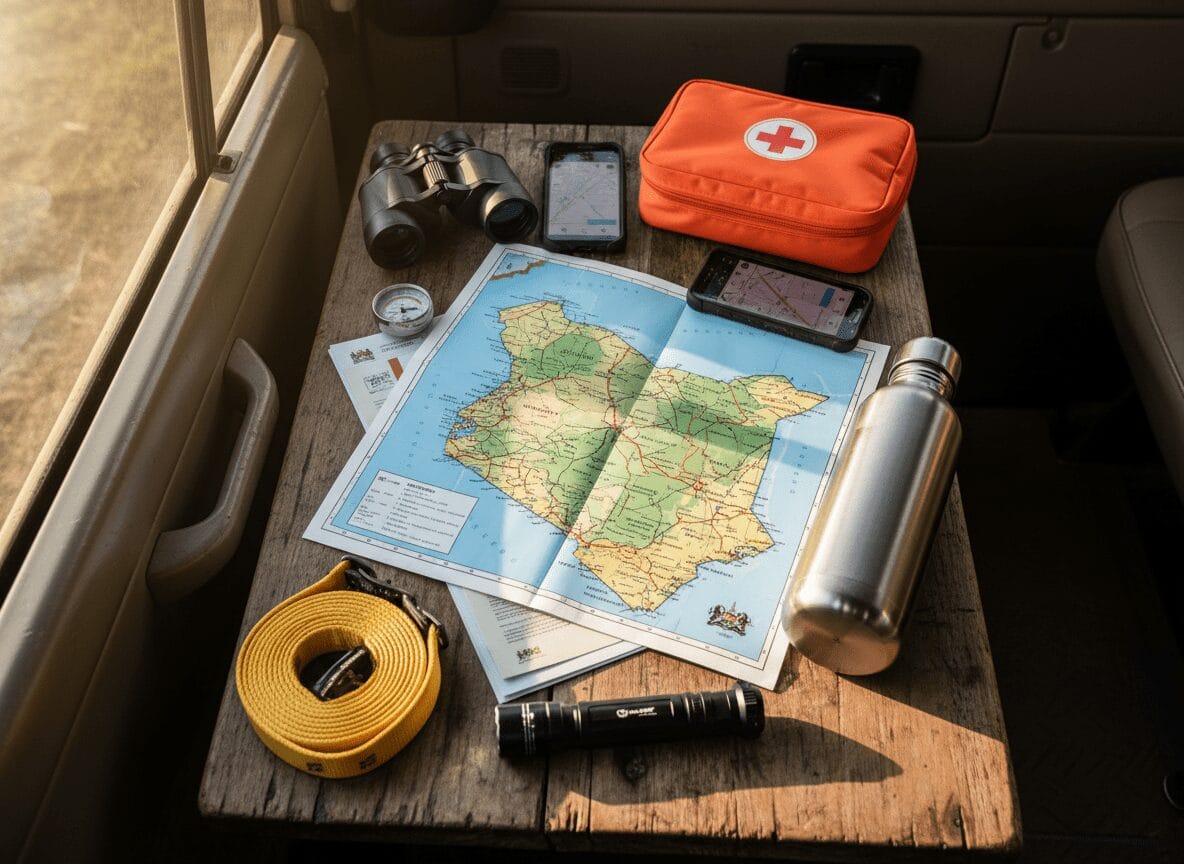 The Masai Mara is a complex terrain of seasonal tracks, flooded crossings, and camp-specific routes. Guides know which tracks flood in the rains, which sections have been recently active with lions, and the quickest route to the Mara River for a crossing report. Self-drive tourists in large parks frequently get lost, stuck in mud, or miss wildlife entirely because they do not know where to look.