
Safari Food & Dining: What’s on the Menu in 2026?
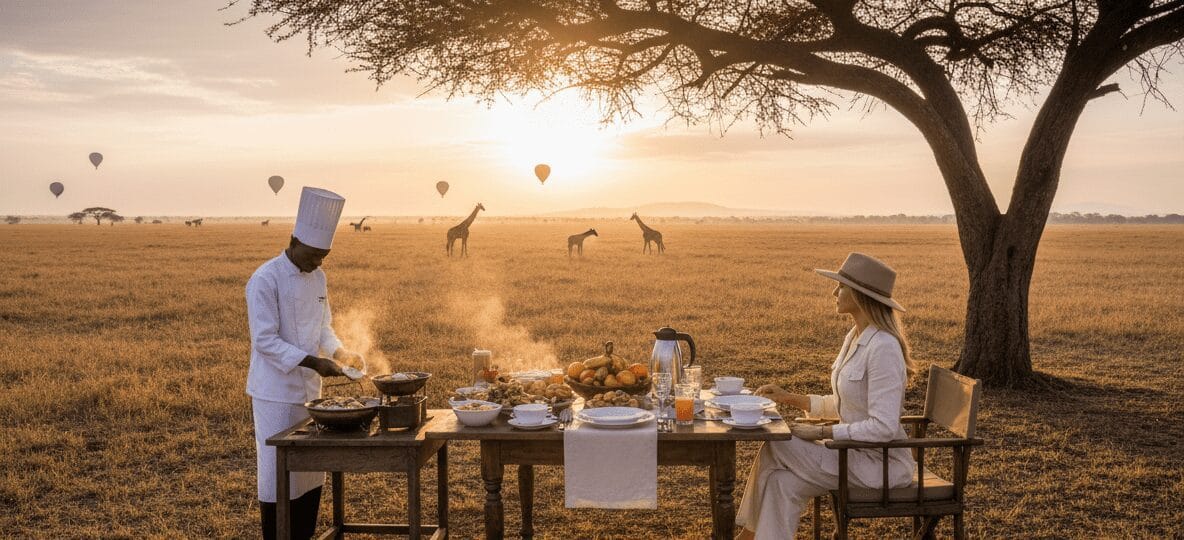
Forget the old idea that safari food is basic. In Kenya, some of the most memorable meals happen in the wild. You might sip fresh Kenyan coffee as the sun rises over the plains, enjoy a bush breakfast under an acacia tree, or end the day with dinner under a sky full of stars. With Trunktrails Safaris, food is part of the journey, not just a stop between game drives. Our tours and safaris are designed to feed your sense of wonder as much as your appetite. ✨📸Many travelers ask us what they will actually eat on safari. The answer is simple. You can expect fresh ingredients, thoughtful preparation, and plenty of variety. Trunktrails Safaris works with trusted camps and lodges to make sure every meal feels special. Whether you prefer hearty comfort food, lighter healthy plates, or have strict dietary needs, our tours and safaris are built to make dining easy, enjoyable, and memorable. Lunch on safari can be light and refreshing or rich and satisfying, depending on the day’s plan. Many lodges now focus on farm-to-table cooking, using fresh produce from Kenya’s fertile regions.Common lunch options include:One of the most loved safari traditions is the sundowner. After an afternoon game drive, you pause in a scenic spot to watch the sun go down with a drink and light snacks.Dinner is often the grand finale of the day. Many camps and lodges serve multi-course meals in elegant dining spaces, outdoor decks, or lantern-lit bush settings.Dinner may feature:
Start the Day with a Pre-Dawn Safari Ritual
Early morning game drives often begin before sunrise. That first quiet hour in the bush calls for something warm and energizing.What you can expect:- Freshly brewed Kenyan coffee or tea
- Homemade biscuits or mandazi
- Dried fruits, nuts, or light snacks
- A peaceful sunrise setting before the drive begins
The Magic of a Bush Breakfast
A bush breakfast is one of the classic safari pleasures. After a morning of wildlife sightings, your guide finds a safe scenic spot and breakfast is served in the middle of nature.You may enjoy:- Eggs cooked to order
- Bacon, sausages, and toast
- Fresh fruit and juices
- Cereals and yogurt
- Smoothie bowls with local superfoods
Fresh Lunches with Local Flavor
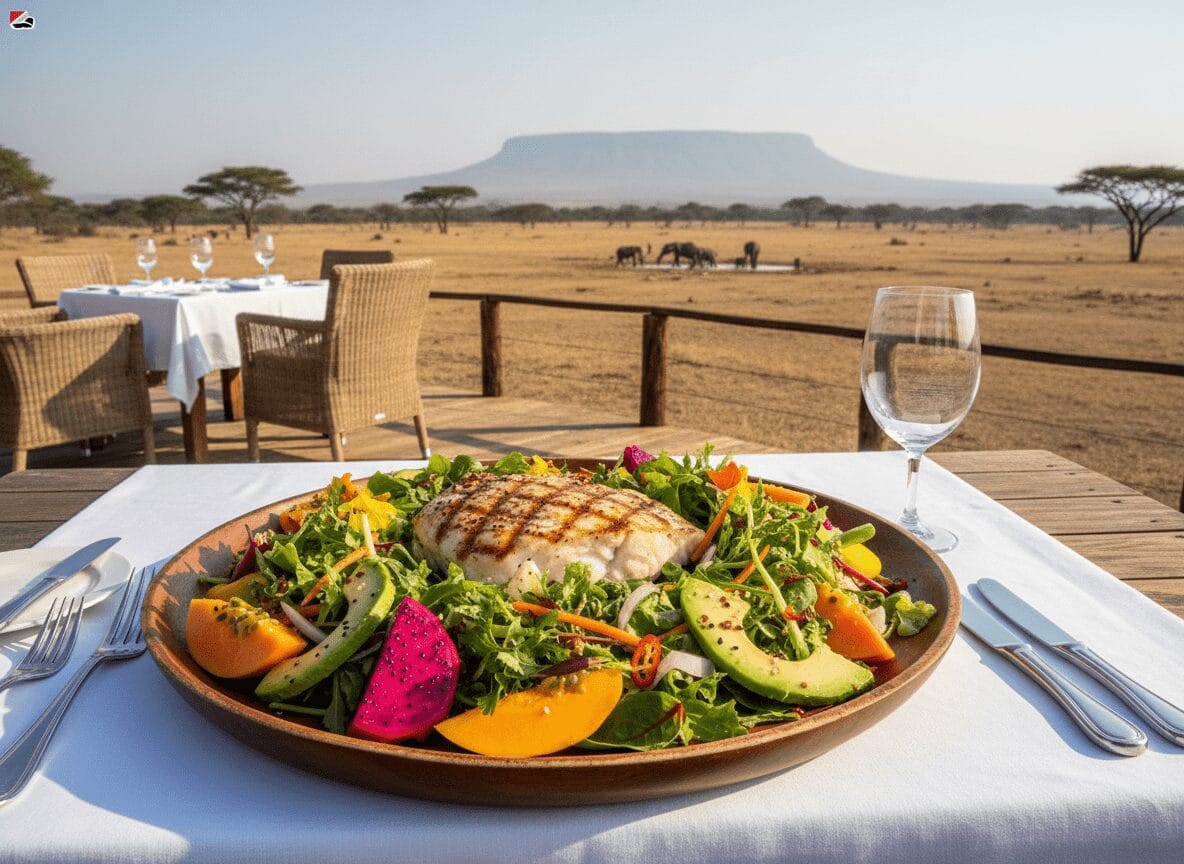 Lunch on safari can be light and refreshing or rich and satisfying, depending on the day’s plan. Many lodges now focus on farm-to-table cooking, using fresh produce from Kenya’s fertile regions.Common lunch options include:
- Grilled meats or fish
- Crisp salads with avocado and tropical fruit
- Rice, potatoes, or chapati
- Vegetarian dishes with beans, lentils, or seasonal vegetables
- Fresh juices and chilled drinks
Sundowners and Safari Snacks
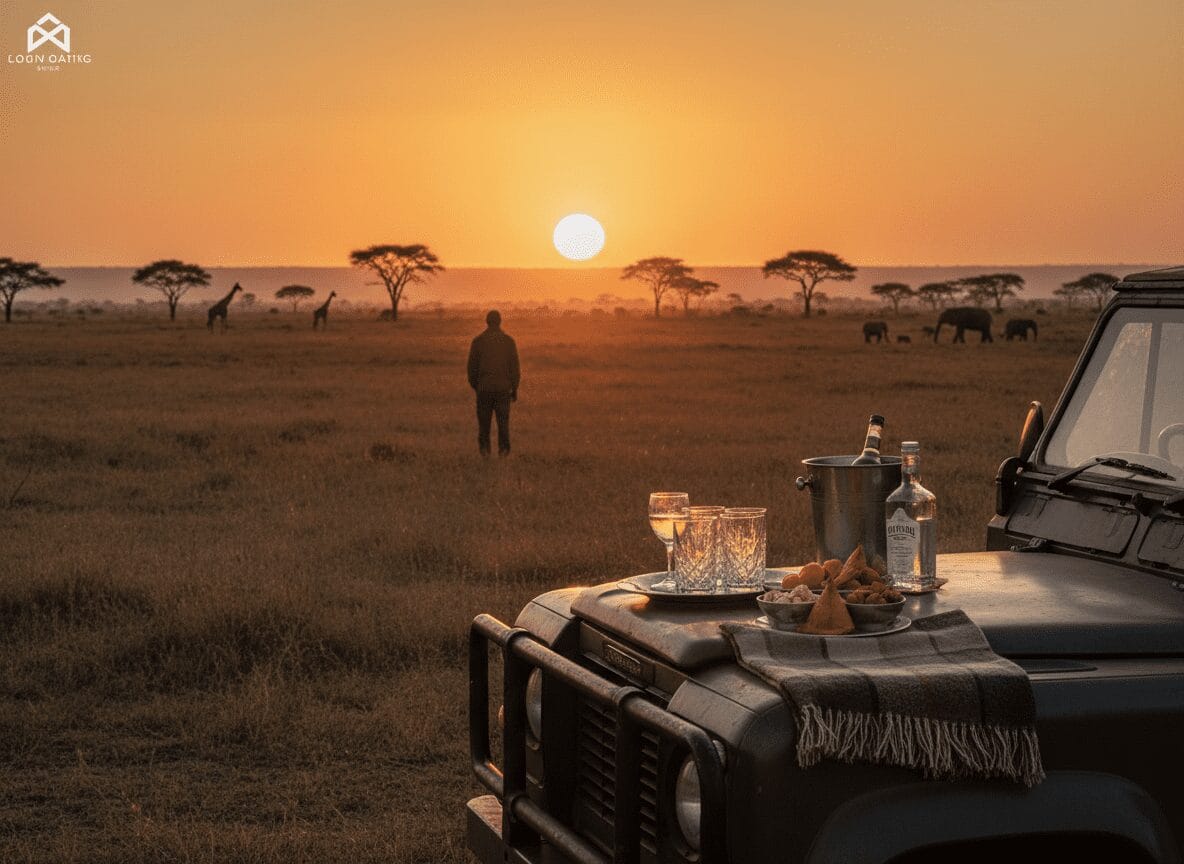 One of the most loved safari traditions is the sundowner. After an afternoon game drive, you pause in a scenic spot to watch the sun go down with a drink and light snacks.
Choosing the Perfect Sundowner Spot
Safari guides are experts at finding just the right place to pause for sundowners. They look for a location with sweeping views—think golden grasslands, waterholes where elephants might wander by, or hilltops offering panoramic sunsets. Safety always comes first, so guides check for clear surroundings and make sure the area is free from wildlife disturbances. The aim is an unforgettable atmosphere: peace, beauty, and a front-row seat to nature’s evening show. And just like everything else with Trunktrails Safaris, this moment is carefully curated to add a little magic to your journey.The Story Behind the Sundowner
Like many traditions in safari culture, the sundowner has roots that go back over a century. Its origins trace to the days of British colonial Africa, where the classic gin and tonic wasn’t just a stylish refreshment, but a clever solution to a serious problem: malaria. British officers and adventurers would mix quinine-rich tonic water (which helped ward off the disease) with gin, lime, and sugar to create a palatable drink at the end of a long, hot day in the bush.But what began as a practical necessity soon evolved into an evening ritual, a moment to pause and soak in the beauty of the African landscape. Over time, the focus shifted from health to hospitality—the sundowner became a chance to gather, share stories, and reflect on the day’s sightings, all with a glass in hand and the sunset as your backdrop.Today, the sundowner isn’t about colonial cures or strict recipes. It’s about celebrating the magic hour in the wild: friends laugh over gin and tonics, chilled Tusker beers, or even fresh mango juice for those skipping spirits. The tradition lives on, but the meaning has changed. Now, sundowners are about connection, relaxation, and embracing the rhythm of the bush—one golden moment at a time.The Story Behind the Sundowner
Ever wonder why a gin and tonic tastes so right at sunset on safari? The sundowner is more than just a refreshing ritual—it has surprisingly practical roots. The tradition dates back to the days of British colonial explorers in Africa who, faced with the risk of malaria, turned to quinine as prevention. Quinine’s bitter edge was tempered by mixing it with gin, lime, and a touch of sugar—creating the classic gin and tonic.What began as a medicinal solution soon turned into a moment of camaraderie at the end of a long, hot day. As the sun dipped below the horizon, travelers would gather, drinks in hand, to celebrate another day well spent in the wild. Over time, the sundowner evolved from practical necessity to beloved ritual.Now, whether you prefer a cool soft drink or a classic G&T, the sundowner marks a pause: a time to take in the colors of the sky, share stories, and simply savor the magic of the African evening.The Surprising Origins of the Sundowner
The sundowner owes its roots to a rather practical solution: malaria prevention. In the early 18th century, quinine—an extract from South American cinchona bark—was discovered to help ward off malaria. Its naturally bitter taste, however, left much to be desired. British colonists traveling through tropical regions began mixing quinine-rich tonic water with gin, sugar, and lime to make it more palatable—and so, the classic gin and tonic was born.As the British Empire expanded into Africa, this refreshing remedy came along for the ride. Over time, the gin and tonic transitioned from a medicine to an evening ritual. Soon, sipping a cool drink while watching the savanna sunset became a cherished safari tradition. The sundowner isn’t just about the cocktail; it’s a beautiful pause in the wild, blending a slice of history with one of safari’s most atmospheric moments.Why the Sundowner Thrives on Safari
But why has the sundowner become such an enduring tradition on modern African safaris? It started out as a practical habit, when early explorers and colonial travelers mixed gin and tonic to ward off malaria—the quinine in tonic water was the “medicine,” and the ritual became a way to end a day in the wild. Over time, the purely medicinal reason faded, but the custom of raising a glass as the sun slips below the horizon stuck around. Today, the sundowner is less about necessity and all about the experience. There’s something timeless about pausing at the golden hour, surrounded by the sounds and sights of the bush, with a cool drink in hand. The ritual signals a gentle shift—the day’s adventures winding down, anticipation for the night building up. It’s popular because it captures the spirit of safari: slowing down, savoring a spectacular view, swapping stories from the day, and feeling connected to the landscape. Whether you’re enjoying a classic gin and tonic (still a favorite!), a crisp glass of wine, or a cold soda, the sundowner is about soaking up the magic of the moment.A typical sundowner may include:- Wine, beer, gin and tonic, or soft drinks
- Nuts, crisps, or savory bites
- Fresh fruit or simple canapés
- A golden sunset over the plains
Why Gin and Tonic? The Story Behind the Classic Sundowner
Ever wonder why gin and tonic is the drink of choice for a safari sundowner? The answer lies in a mix of history, necessity, and British ingenuity. Back in colonial times, British explorers and soldiers in malaria-prone regions needed to take quinine, a bitter-tasting medicine made from the bark of the cinchona tree. To make it more palatable, they mixed quinine-laced tonic water with gin, a splash of lime, and a hint of sugar. What started as a daily health ritual soon became a beloved social tradition. As the British Empire expanded into East Africa, the practice went along for the ride—transforming this medicinal concoction into a refreshing late-afternoon ritual. Today, the gin and tonic’s storied past lives on in every safari sundowner. When you raise your glass at sunset on the savanna, you’re not just tasting a crisp cocktail; you’re sipping a bit of history that links explorers, adventurers, and safari-goers across generations.It is not just about the drink. It is about the feeling. The air cools, the sky changes color, and the whole bush seems to slow down. Trunktrails Safaris believes tours and safaris should include these quiet, beautiful pauses that stay with you long after the trip ends. 🐘✨Dinner Under the Stars
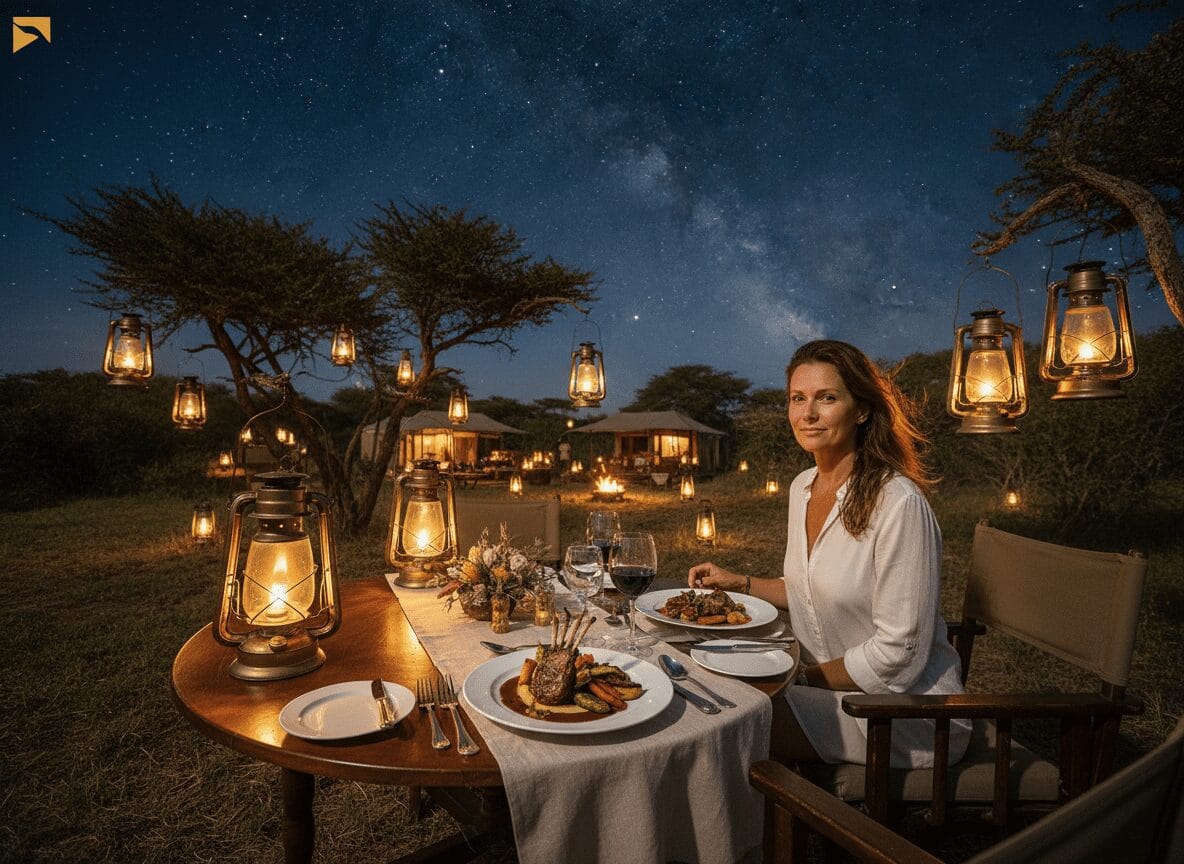 Dinner is often the grand finale of the day. Many camps and lodges serve multi-course meals in elegant dining spaces, outdoor decks, or lantern-lit bush settings.Dinner may feature:
- Soups and fresh bread
- Grilled meats, fish, or vegetarian mains
- Seasonal vegetables and local sides
- Decadent desserts
- Fine wine or after-dinner tea and coffee
Dietary Needs Are Easy to Handle
A common concern for travelers is whether safari camps can handle special diets. In most cases, yes. Many lodges cater well for:- Vegetarian diets
- Vegan diets
- Gluten-free needs
- Dairy-free needs
- Food allergies and sensitivities
Why Food Matters on Safari
Food shapes how a journey feels. It adds comfort to early starts, joy to midday breaks, and warmth to evenings in the wild. Great dining also reflects the care behind the whole trip. When meals are thoughtful, fresh, and well prepared, you feel looked after.That is the Trunktrails Safaris difference. We believe tours and safaris should connect you to Kenya through every sense. Wildlife may be the headline, but the meals, the coffee, the sunsets, and the shared table moments are often what travelers remember most.The Trunktrails Advantage
Why travelers choose Trunktrails Safaris:- Native Kenyan expertise and local insight
- Tailor-made tours and safaris for every budget
- Trusted lodge and camp partners
- Support for dietary needs and special requests
- Warm, personal service from planning to return home
- Honest guidance and 24/7 support