
One Ton Tusk: What Amboseli’s Second Super Tusker Loss in 2026 Means
Kenya has lost another giant. One Ton Tusk, the Amboseli super tusker elephant, has died of natural causes. He is the second great tusker the park has lost in 2026, after the bull Craig died in January. For a population of maybe a few dozen animals left on the entire continent, two losses in one year is a heavy blow. This guide explains who One Ton Tusk was, what his death means for Amboseli, and real facts for planning a respectful visit. It also shows why every trip booked with a conservation-minded operator now matters more than ever. 🐘
For travellers who dream of standing on the Amboseli plains with Mount Kilimanjaro overhead and a genuine giant in the foreground, this is not just sad news. It is a reminder that the window to see these bulls is closing. Tours and safaris built around ethical viewing are the only kind worth taking.
Who Was One Ton Tusk
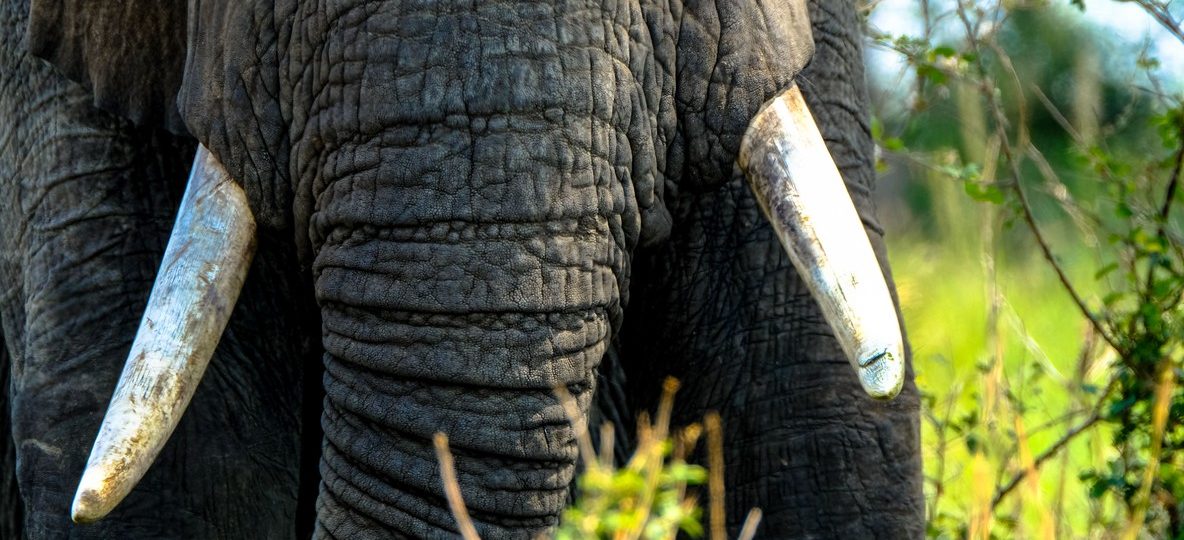
A super tusker is a bull elephant whose tusks each weigh more than 100 pounds, or roughly 45 kilograms. That genetic trait has become vanishingly rare after a century of ivory poaching. One Ton Tusk carried that name for a reason. He was one of the heaviest-tusked bulls still walking free in Kenya, part of the small, closely monitored population that Amboseli has protected for more than fifty years.
He spent his life moving between the park’s central swamps and the surrounding community and conservancy land. This is the same open country that has made Amboseli the most reliable place on earth to see a genuine big tusker. Researchers and guides who tracked him described a familiar figure, an old bull recognised on sight by the shape of his ivory long before his face came into view.
His death was reported as natural, consistent with old age rather than poaching. Researchers call that a quiet victory even as it hurts. He survived the era that killed most of his generation. That he lived long enough to die naturally is itself the point.
A Second Loss in One Year: One Ton Tusk and Craig
Losing one super tusker in a year is rare enough to make headlines. Losing two, in the same ecosystem, within months of each other, is almost unheard of. The table below compares the two bulls Amboseli has lost in 2026.
| Detail | Craig | One Ton Tusk |
|---|---|---|
| Died | January 2026 | 2026, reported by Xinhua Africa in July |
| Cause | Natural causes, old age | Natural causes, old age |
| Known for | Among the largest, oldest tuskers in Africa | Exceptionally heavy paired ivory |
| Home range | Amboseli National Park and surrounding conservancies | Amboseli National Park and surrounding conservancies |
| Monitored by | Amboseli Trust for Elephants | Amboseli Trust for Elephants |
| Super tuskers remaining after his death | Roughly 10 across Africa | Roughly 9 across Africa |
Figures on remaining super tuskers are estimates drawn from long-term researcher counts. Treat them as indicative, since exact numbers shift as young bulls mature into the category and older bulls are lost.
Why Amboseli Still Grows the World’s Biggest Tuskers
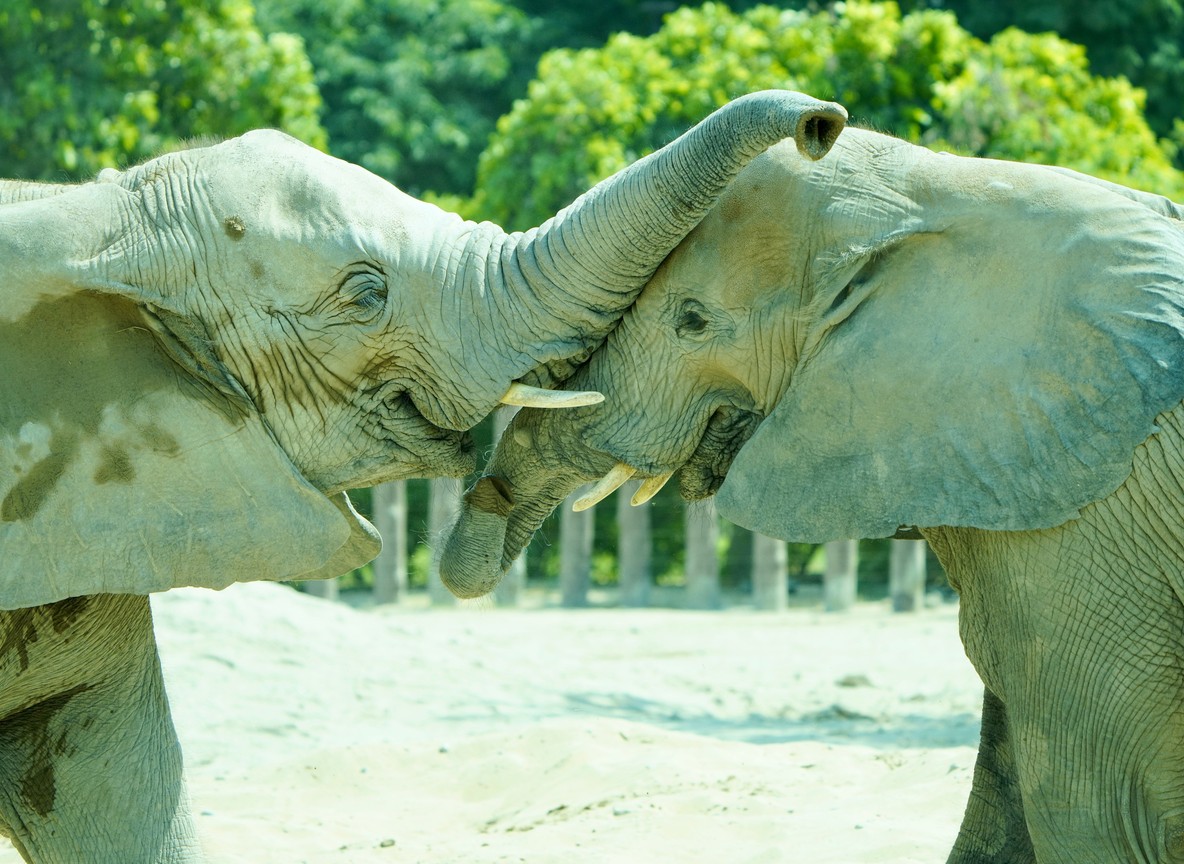
Amboseli’s reputation as the last great tusker stronghold is not an accident. The park sits on volcanic soils fed by underground springs from Kilimanjaro, so its central swamps stay green even through the dry season. That steady nutrition, sustained across a long life, is what allows ivory to grow to record weights in the bulls that carry the right genes.
The bigger reason is protection. The Amboseli Trust for Elephants, founded by Cynthia Moss in 1972, runs the longest continuous study of a wild elephant population anywhere in the world. Every elephant in the ecosystem is individually known, named, and tracked across generations. That means rangers and researchers notice quickly when a specific bull goes missing or falls ill. That level of attention, paired with community scouts and conservancy patrols, is why Amboseli’s tuskers have had a real chance to reach old age. 🌍
One Ton Tusk and Craig both grew old inside that system. Their deaths were losses, but they were also proof that the model works. Neither bull fell to a snare or a bullet.
Amboseli National Park at a Glance
Use this quick-reference table if a visit to the home range of Amboseli’s super tuskers is on your list.
| Feature | Detail |
|---|---|
| Location | Kajiado County, southern Kenya, on the Tanzania border |
| Park size | Roughly 392 km2 (about 151 square miles) |
| Landmark | Mount Kilimanjaro, Africa’s highest peak, just across the border |
| Distance from Nairobi | Roughly 240 km, about 4 to 5 hours by road |
| Main gates | Meshanani, Kimana, and Iremito |
| Airstrip | Amboseli airstrip, served by daily light aircraft from Wilson Airport |
| Elephant research | Amboseli Trust for Elephants, continuous since 1972 |
| Known for | Big tuskers, large elephant herds, and Kilimanjaro backdrops |
Figures are for planning only and should be confirmed at the time of booking.
Getting to Amboseli’s Elephant Country
Amboseli remains one of the most accessible of Kenya’s great parks. That is part of why it draws so many travellers hoping to see a real super tusker. The table below sets out the two main routes from Nairobi.
| Route from Nairobi | How it works | Time | Indicative cost |
|---|---|---|---|
| Drive south | Tarmac via Emali to the Meshanani gate, then park tracks | Roughly 240 km, about 4 to 5 hours | 4×4 hire and fuel vary by operator |
| Fly in | Light aircraft from Wilson Airport to Amboseli airstrip, then a short transfer to camp | Flight roughly 45 minutes to 1 hour | Return flights indicatively USD 250 to 400 per person |
| Park entry | Non-resident conservation fee, paid per adult per day | Payable on arrival or through your operator | Indicatively USD 60 to 100 per adult per day (2026) |
Named camps and lodges in the ecosystem include Ol Tukai Lodge and Amboseli Serena Safari Lodge inside the park, plus Tortilis Camp and camps around Kimana Sanctuary on the edges. No operator can guarantee a sighting of a specific bull, since the remaining tuskers roam widely.
How Many Super Tuskers Are Left
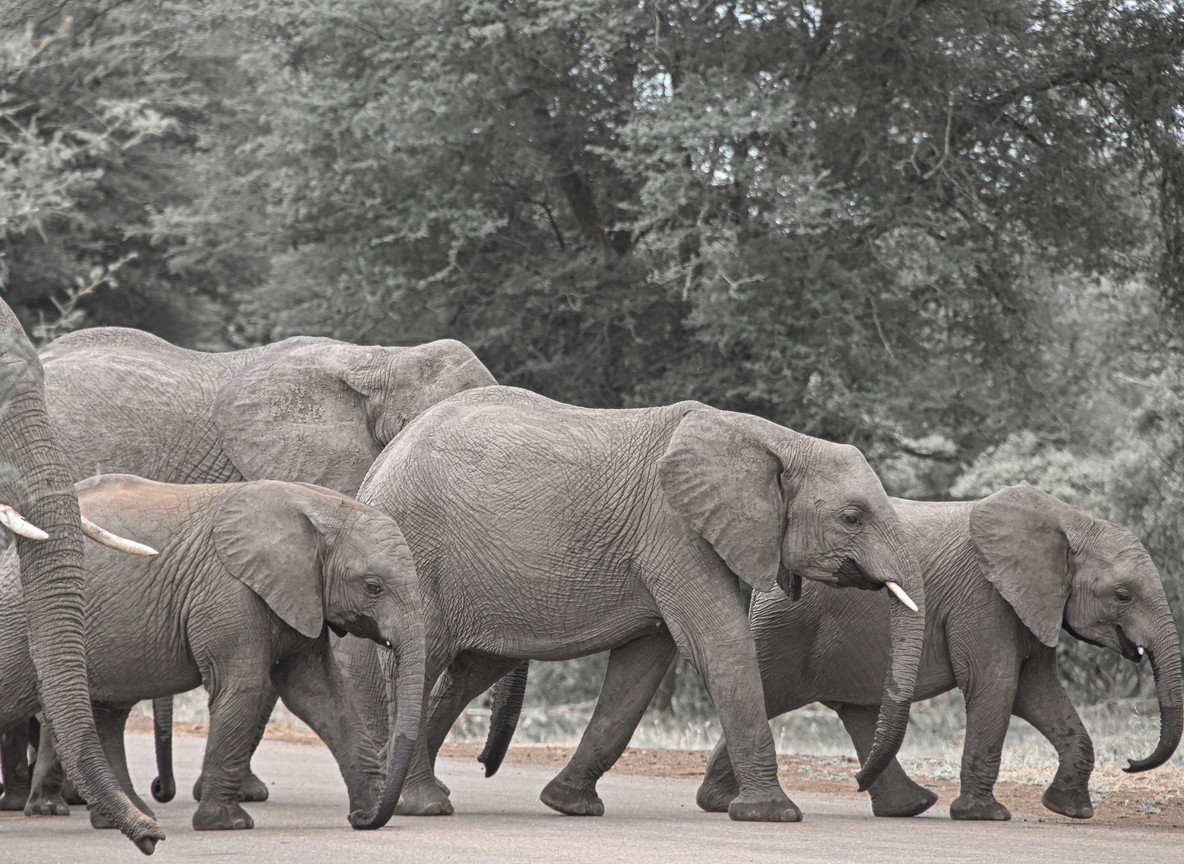
The number most researchers cite for the whole of Africa is fewer than three dozen true super tuskers. These are bulls whose tusks each weigh more than 100 pounds. After Craig’s death in January and One Ton Tusk’s death in mid-2026, the working estimate for the entire continent sits at roughly nine.
That is not a typo. Nine bulls, spread across Amboseli, Tsavo, and a handful of other strongholds, now carry the genetics that once defined African elephants. A century of ivory hunting stripped that trait from most populations. Every one of these bulls is individually named and monitored, because losing track of even one is a real risk to the trait itself.
The younger bulls coming up behind them, some already showing promising ivory in Amboseli and Tsavo, will need decades of protection to reach the same size. Whether they get that time depends on rangers, researchers, and community conservancies. It also depends on the revenue that responsible tours and safaris bring into the system.
What This Means for Your Safari
Seeing a super tusker was never guaranteed even before these losses, and it is rarer still now. That should change how a sighting feels, not put anyone off visiting. These bulls are individuals, not photo props, and a responsible guide will never chase, crowd, or block one for a better angle.
For photographers and wildlife lovers, Amboseli still offers something few parks can match. It has open plains for clean sightlines, some of the largest and calmest elephant herds in Africa, and Kilimanjaro as a backdrop for every frame. Early morning and late afternoon light remain the best windows, when the big bulls are often out feeding along the swamp edges. 📸
The dry seasons, from June to October and again from December to March, give the firmest roads. They also give the best odds of elephants concentrated near permanent water. Whatever month you travel, treat any tusker sighting as a privilege that fewer visitors will get to share each year.
The Trunktrails Advantage
Trunktrails Safaris is a Kenyan-owned operator, and Amboseli is one of our core parks, not an occasional add-on. We work with guides who read these plains every season. We also work with camps on both the park side and the surrounding conservancies, so your days are planned around where the herds and the remaining big bulls are actually moving.
We put ethical elephant viewing first on every game drive. Our guides keep a respectful distance from any tusker encountered, and they follow guidance from the research teams on the ground. They never pressure an animal for a closer shot. Because we run tours and safaris through Amboseli in every season, our advice reflects current gate fees and current road conditions, not a generic brochure description.
Most importantly, we build trips that give something back. A share of every Amboseli journey booked with Trunktrails Safaris supports the rangers and community programmes protecting the nine super tuskers left, plus the young bulls who may one day join them. That mix of local ownership, honest ground reporting, and conservation-first planning is why wildlife-focused travellers choose Trunktrails Safaris for their elephant trips. Every booking through our tours and safaris helps fund the protection these giants depend on.
Plan Your Amboseli Elephant Safari
Nine super tuskers remain on the entire continent, and Amboseli is home to more of them than anywhere else on earth. Every respectful visit helps fund the rangers and researchers working to keep it that way. Seeing one of these last giants against the shadow of Kilimanjaro is a memory worth chasing before it becomes impossible. Let Trunktrails Safaris build that journey around the herds, the light, and the bulls still walking free. ✨
Contact Trunktrails Safaris:
Further reading
More safari planning resources
- Map of Amboseli from Valley Safaris
- Amboseli National Park guide on Touring Insights
- Amboseli destination guide on FindMySafari
- Big Five safari collection on FindMySafari
- WhatsApp: +254 113 208888
- Email: info@trunktrailssafaris.com
- Website: trunktrailssafaris.com
- Kenyan-Owned | Nairobi-Based | Amboseli and Elephant Conservation Specialists