
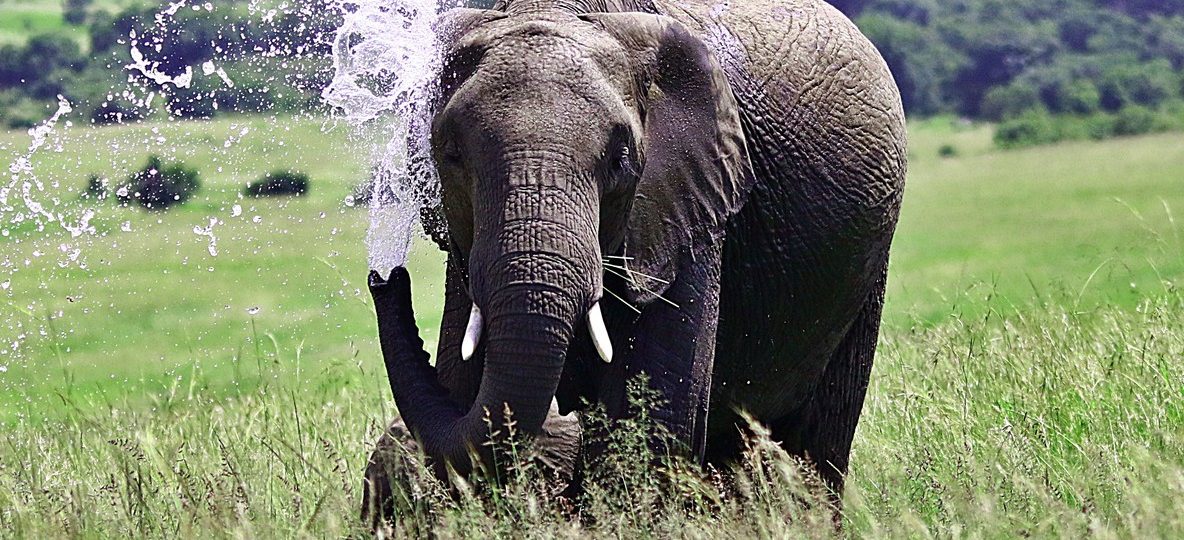
The New Big Five Safari Kenya Trend: From Trophy to Photography
A new big five safari Kenya trend is rewriting what “success” means on a game drive. For most of the twentieth century, the Big Five meant lion, leopard, rhino, elephant and Cape buffalo, five animals ranked by how dangerous they were to hunt on foot. Today, a growing number of travelers arrive in Kenya chasing a different kind of trophy: the photograph. Trunktrails Safaris has watched this shift happen in real time, in the questions guests ask before they book and in the gear they pack for tours and safaris across the country. 📸
Where the Original Big Five Name Came From
The term “Big Five” was never about beauty or rarity. Big-game hunters coined it in the early 1900s to describe the five African animals considered the hardest, and most dangerous, to hunt on foot: lion, leopard, rhino, elephant and Cape buffalo. A wounded buffalo or a cornered leopard could turn on a hunter in seconds, and that risk is what earned the name. Killing one of the five was the marker of a serious hunting career, not a conservation achievement.
Kenya carried that hunting economy for decades before choosing a different path. In 1977, Kenya banned all sport and trophy hunting nationwide under the Wildlife (Conservation and Management) Act, one of the earliest and most complete hunting bans on the continent. From that point on, the country’s wildlife economy had to find a new reason for travelers to come look at lions, elephants and rhinos instead of shooting them. Photography tourism became that reason, decades before “new big five” became a phrase anyone used.
The New Big Five: A 2020 Photography Movement
The actual New Big Five campaign began in 2020, when wildlife photographer Graeme Green organized a global public vote asking wildlife lovers, photographers and conservationists to choose five species that best represented a shift from shooting animals with a rifle to shooting them with a camera. Tens of thousands of people from around the world took part. The results, announced in 2021, named elephant, lion, gorilla, tiger and polar bear as the New Big Five of photography.
Only two of those five, elephant and lion, live in Kenya. Gorillas belong to Uganda and Rwanda’s forests, tigers to Asia, and polar bears to the Arctic. So the “new big five safari Kenya” idea is not a literal checklist of five species inside one park. It is a mindset. Kenya’s safari industry, and the millions of images it produces every year, already embodies the values the New Big Five movement was built around: watch, document, protect, and leave every animal exactly as you found it. 🌍
Kenya’s Original Five, Reframed for the Camera Era
Kenya still markets its classic Big Five, lion, leopard, rhino, elephant and buffalo, because travelers recognize the name and each species remains genuinely difficult to photograph well. The difference now is what a good outcome looks like. A hunter needed one clean shot. A photographer needs the right light, the right distance, and patience, sometimes across several game drives, before a sighting turns into a frame worth keeping.
Trunktrails Safaris builds our tours and safaris itineraries around this reality. We do not just drive guests to a park and hope for a sighting. We plan around dawn and dusk light, position vehicles for unobstructed angles, and brief guides on which parks give each of the five species its best chance in front of a lens.
| Species | Best Kenya Park for Photography | Park Size | Entry Fee (indicative, non-resident/day) | Distance from Nairobi |
|---|---|---|---|---|
| Lion | Masai Mara National Reserve | ~1,510 km² | $80 to $100 | ~270 km, 5 to 6 hr drive or ~45 min flight |
| Elephant | Amboseli National Park | ~392 km² | $60 to $70 | ~240 km, 4 to 5 hr drive or ~45 min flight |
| Leopard | Samburu National Reserve | ~165 km² | ~$70 | ~345 km, 5 to 6 hr drive or ~40 min flight |
| Cape Buffalo | Lake Nakuru National Park | ~188 km² | ~$60 | ~160 km, 2.5 to 3 hr drive |
| Rhino (black and white) | Ol Pejeta Conservancy | ~364 km² | $90 to $100 | ~200 km, 3 to 3.5 hr drive |
Fees move with park authority and conservancy pricing decisions, so treat the figures above as indicative ranges and confirm current rates when Trunktrails Safaris books your permits.
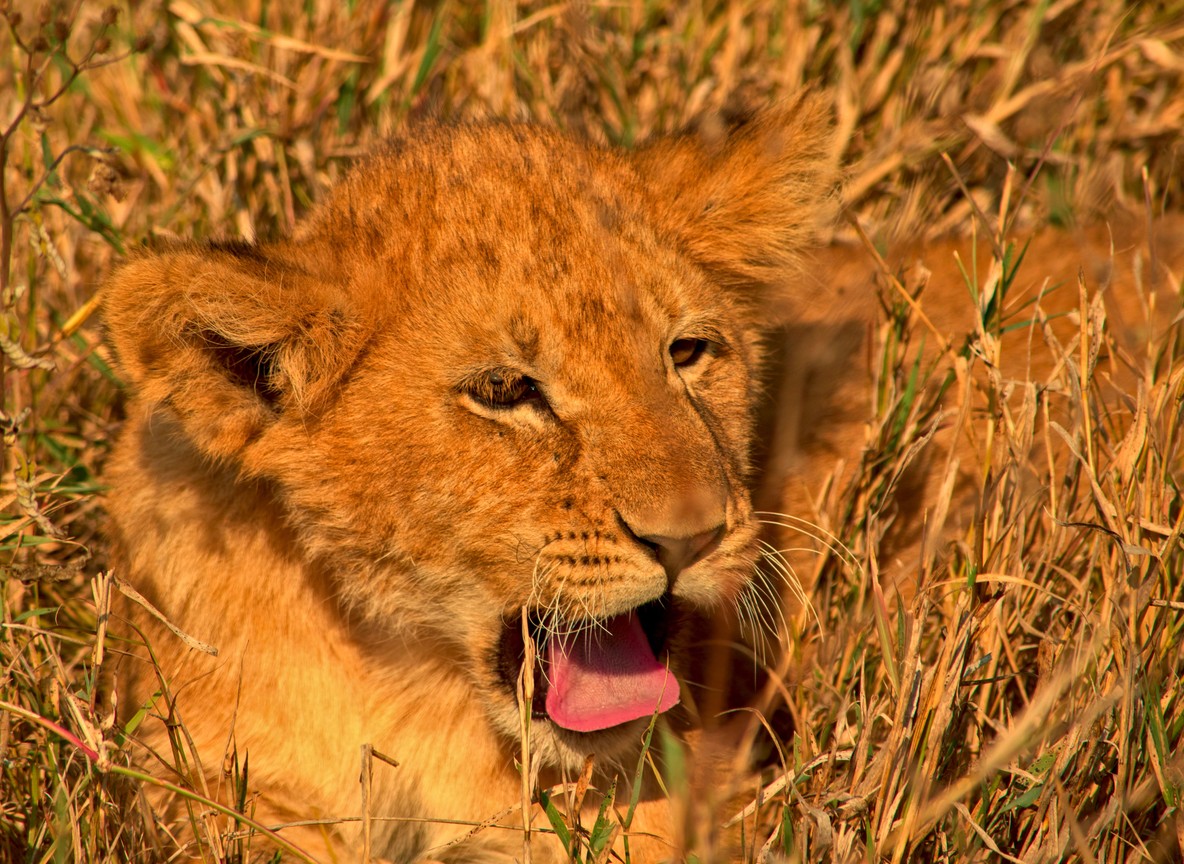
Old Big Five Hunting vs New Big Five Photography
Laying the two eras side by side shows how much has actually changed, not just in language but in what a Kenya safari is designed to produce.
| Aspect | Old “Big Five” (Hunting Era) | New Big Five (Photography Era) |
|---|---|---|
| Origin | Coined by big-game hunters, early 1900s | Coined by a 2020 global public vote among photographers and conservationists |
| Ranking basis | Danger to the hunter when tracked on foot | Conservation urgency and public affection for the species |
| Species (global New Five) | Lion, leopard, rhino, elephant, Cape buffalo | Elephant, lion, gorilla, tiger, polar bear |
| Guest’s tool | Rifle | Telephoto lens, often 300mm to 600mm |
| Measure of a successful trip | An animal taken as a trophy | An image that captures behavior without disturbing it |
| Kenya’s legal status | Legal sport hunting until the 1977 ban | Photography and eco-tourism are now the primary economic case for protecting wildlife |
The shift is not sentimental. It is economic. A single elephant can generate tourism revenue across an entire lifespan, drawing repeat travelers, guide fees and park entry income year after year, in a way no one-time trophy ever could.
Kenya’s private conservancies make this economic case even clearer. Land-lease conservancies bordering the Masai Mara, including Mara Naboisho and Olare Motorogi, pay Maasai landowners a monthly fee to keep their land open for wildlife instead of fencing it for livestock or farming. That income depends entirely on photographers and travelers showing up, camera in hand, year after year. Remove the tourists and the conservation model collapses along with the habitat. It is one more way Kenya’s new big five safari Kenya shift is written into land contracts, not just marketing copy.
Planning a Photography-First Kenya Safari
Guests chasing the new big five safari Kenya experience usually ask us the same three questions before booking their tours and safaris: which parks give the cleanest sightings, what gear to bring, and when the light is best.
Timing. Early morning and late afternoon game drives produce the strongest photography, when low sun angles soften shadows on an animal’s face and coat. Most camps run drives from roughly 6:30 AM and again from 4:00 PM, timed around these windows rather than around guest convenience alone.
Gear. A body capable of fast autofocus and a zoom in the 100 to 400mm range covers most Big Five encounters. Serious photographers traveling with Trunktrails Safaris often add a second body with a wider lens for habitat shots, since a lion alone tells less of a story than a lion against the Mara’s open grassland.
Vehicle setup. Photography-focused game drives work best in a vehicle with no more than four to five guests, so every seat has a clear window angle. We arrange this directly for photography-led tours and safaris, rather than filling a standard shared vehicle.
Patience over volume. A photographer who spends ninety minutes with one leopard usually leaves with a better set of images than one who chases five different sightings in an afternoon. Guides briefed on this goal will hold position on a good sighting instead of rushing to the next radio call.
The Trunktrails Advantage
Trunktrails Safaris was built by a Kenyan-owned team that understands both sides of this history, the hunting-era Big Five name and the photography-era mindset that has replaced it. We do not sell trophy experiences. We sell access, timing and positioning, the three things that actually determine whether a guest goes home with a genuinely good photograph or a blurry silhouette.
Every one of our tours and safaris itineraries is built around light, not just location. We know which side of Amboseli catches Kilimanjaro clean of cloud in the early morning, which Mara Triangle tracks put a vehicle downwind and low against the sun for a clean lion portrait, and which conservancies near Ol Pejeta allow off-road positioning for rhino photography that the open reserves restrict. Guests booking with Trunktrails Safaris also get honest guidance on realistic expectations. A great Big Five photograph rarely happens on the first drive, and our guides plan multi-day sequences accordingly instead of overselling a single afternoon.
Conservation sits underneath all of it. Every park fee we book funnels directly into the ranger salaries, anti-poaching patrols and community conservancy income that keep these five species alive for the next traveler’s camera. Choosing Trunktrails Safaris for tours and safaris in Kenya means choosing an operator that treats the new big five safari Kenya shift as more than marketing language. It is the actual business model. 🦁
Bring Home the New Big Five, Not a Trophy
Further reading
More safari planning resources
- Nairobi to Maasai Mara route guide from Valley Safaris
- Big Five safari parks guide on Touring Insights
- Big Five safari collection on FindMySafari
- Kenya national parks map from Valley Safaris
If you are ready to trade the old hunting-era checklist for a photography-led Kenya itinerary, Trunktrails Safaris can build it around your gear, your timing and the parks that give each species its best light. Message us on WhatsApp at +254 113 208888 or email info@trunktrailssafaris.com to start planning. Visit trunktrailssafaris.com to see how we sequence tours and safaris for photographers who want the shot, not the kill. ✨

