Nairobi Railway Museum: Steam Engines and the Story of the Lunatic Express
The Nairobi Railway Museum sits a short walk from Nairobi Railway Station, and it holds one of the strangest true stories in East Africa. A British-built railway line, mocked in its own parliament as “the Lunatic Express,” created the city of Nairobi almost by accident. Today rusted steam engines and old passenger carriages sit quietly in this small museum yard. One very famous railway coach waits there too, ready to tell that story to anyone who stops in. ✨
At Trunktrails Safaris, we route many guests through Nairobi before or after their tours and safaris in the Masai Mara, Amboseli, or Tsavo. The Nairobi railway museum is one of our favorite half-day additions to that stopover. It explains why the safari routes you are about to travel exist in the first place. This guide covers the steam engines on display, the Lunatic Express history behind them, current entrance fees, and how the museum compares to other things to do in Nairobi.
Things to Do in Nairobi: Why This Museum Makes the List
Nairobi has dozens of attractions competing for a traveler’s limited hours. Most visitors default to the Nairobi National Museum or a stop at the Giraffe Centre. The railway museum rarely makes the first draft of anyone’s itinerary, and that is exactly why it is worth adding.
It is small, it takes about 60 to 90 minutes to see properly, and it sits close to downtown Nairobi. More importantly, it connects directly to the story of your safari. The same railway that built Nairobi also opened up Tsavo, Nakuru, and Kisumu to trade and travel. Seeing the steam engines that made those journeys possible adds real weight to the game drives that follow.
The Lunatic Express: How a Railway Built a Nation
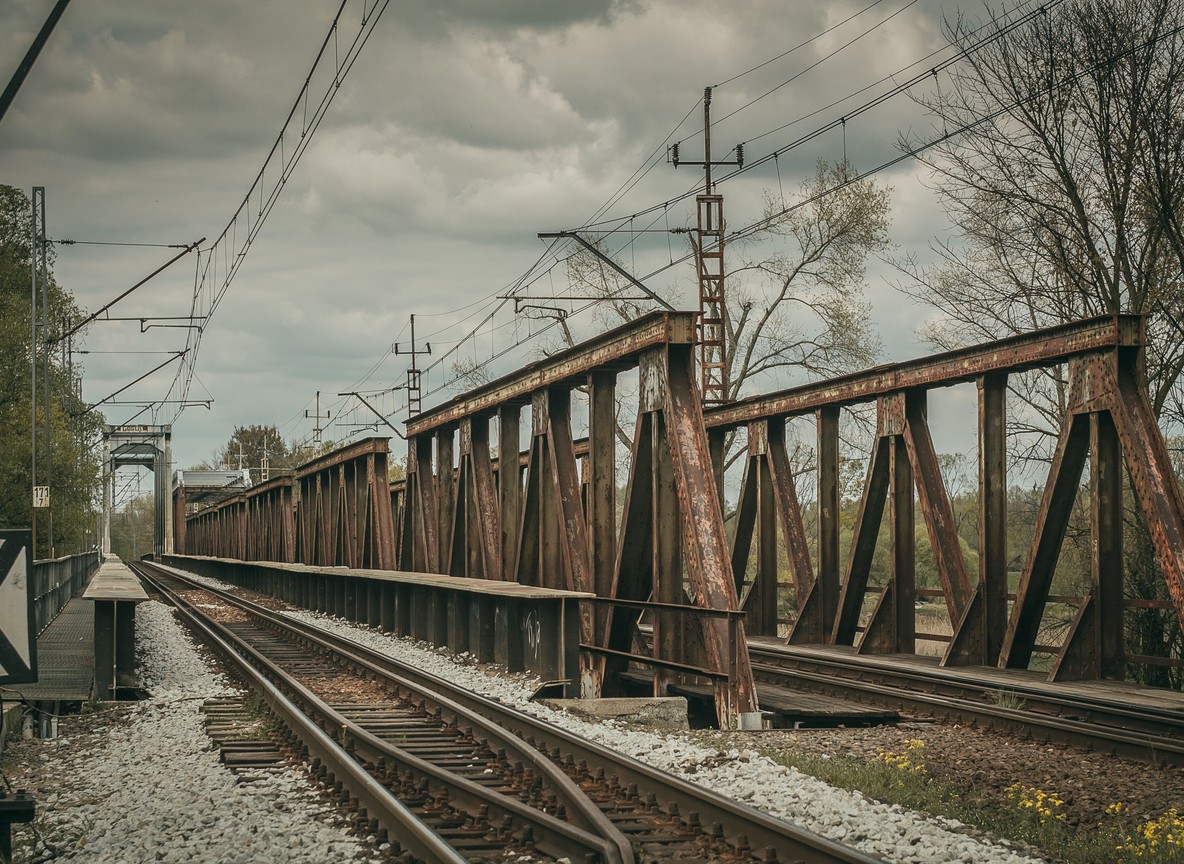
In 1896, the British colonial government began building a rail line from the port of Mombasa inland to Lake Victoria. Members of the British Parliament ridiculed the project as a waste of money, since it crossed harsh, unmapped bush with no obvious economic return. The nickname “Lunatic Express” stuck, and it has followed the railway ever since.
Construction crews, most of them around 32,000 indentured laborers brought from British India, laid track through some of the most difficult terrain in East Africa. The line eventually ran roughly 1,060 kilometers (about 660 miles) from Mombasa to Kisumu, known then as Port Florence, on the shore of Lake Victoria. The final cost climbed past £5.5 million, well above the original £3 million estimate that Parliament had already complained about.
Nairobi did not exist before this railway. In 1899, engineers chose a swampy, mosquito-heavy spot roughly halfway along the route as a supply depot and rest stop for construction crews. That depot grew into the capital city that now anchors nearly every Kenya safari itinerary. Without the Lunatic Express, there is no Nairobi, and the modern gateway to tours and safaris across Kenya would sit somewhere else entirely.
Steam Engines and Exhibits at the Nairobi Railway Museum
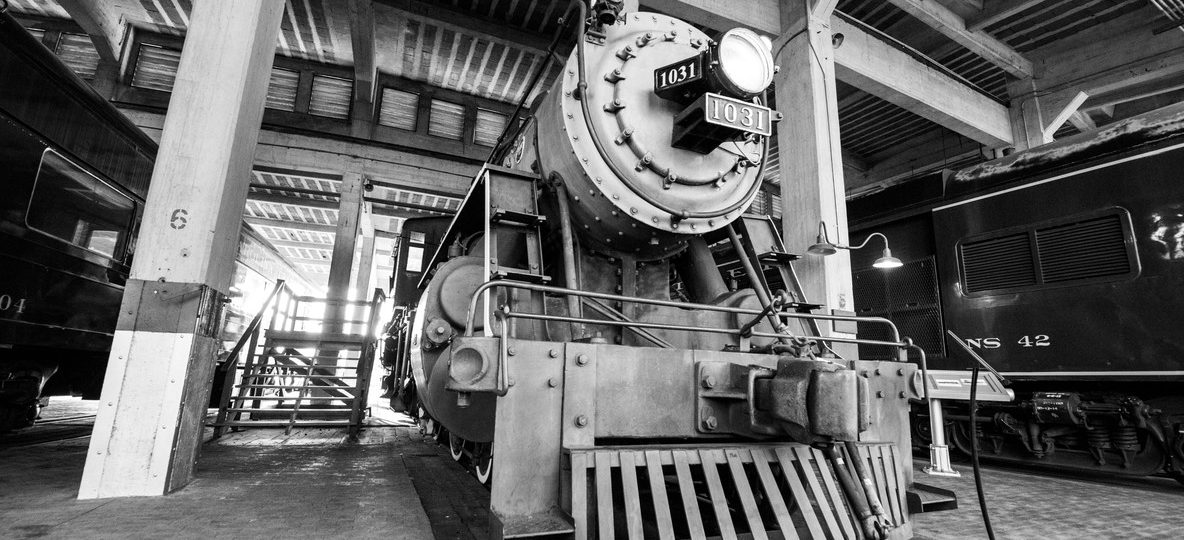
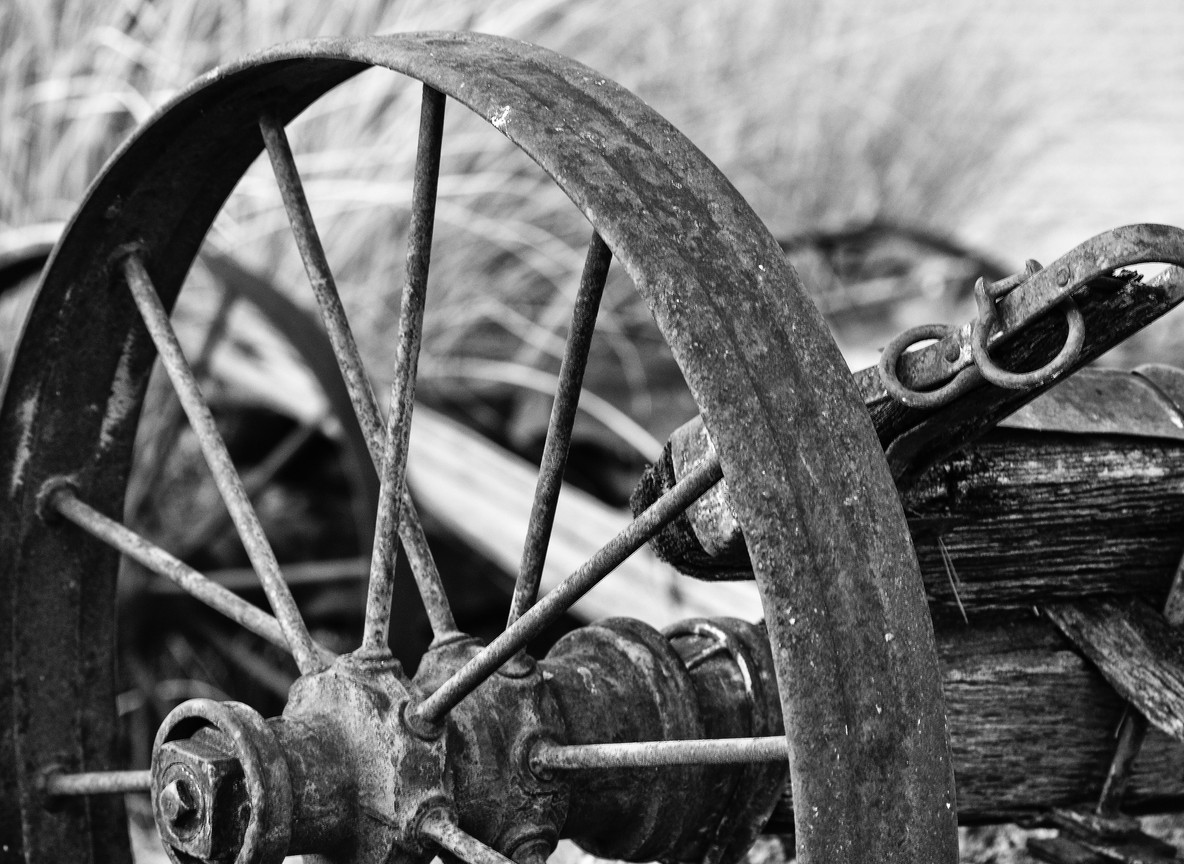
The museum yard holds a working collection of steam locomotives from the early 20th century, alongside static passenger and cargo cars once used on the Uganda Railway line. Several engines still carry their original builder’s plates from British and Indian workshops. Museum staff can usually point out which locomotives ran the Mombasa to Nairobi leg, and which served the harder Rift Valley climb toward Nakuru.
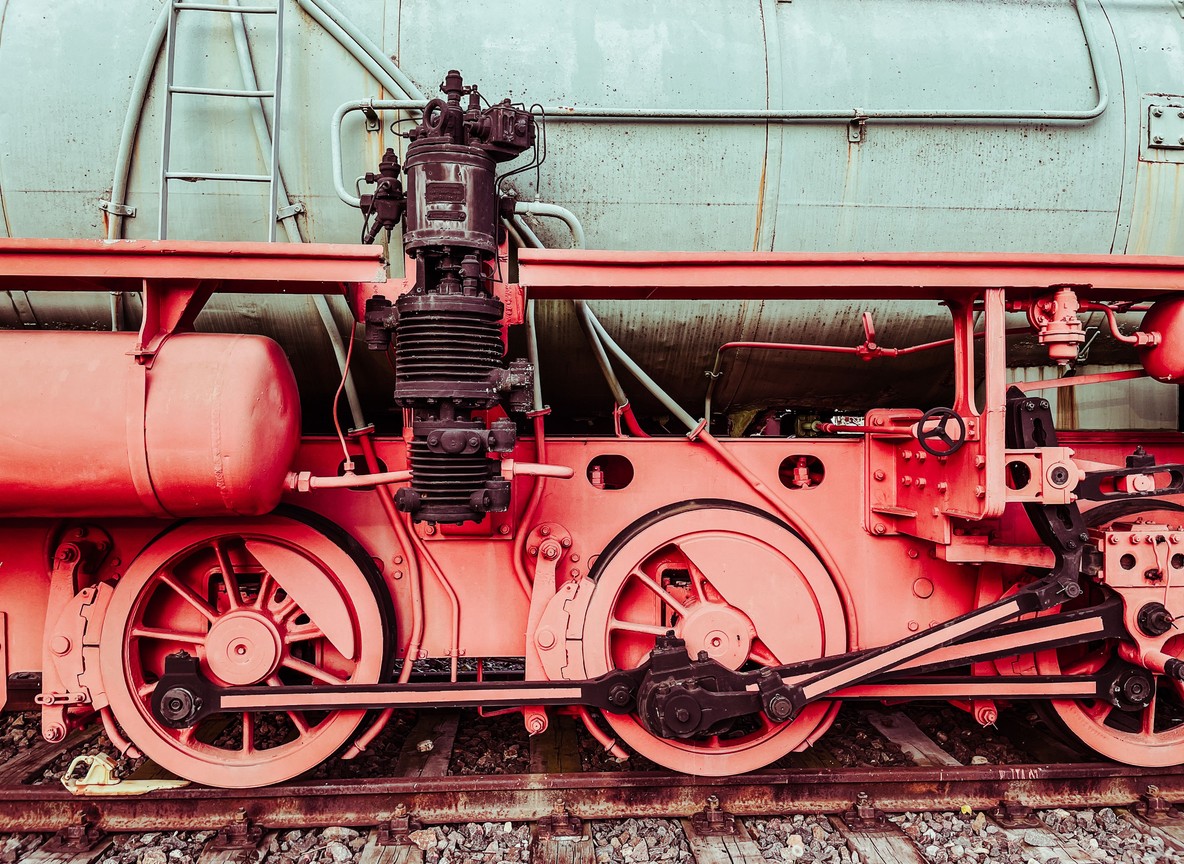
Indoor exhibits cover the human side of construction: photographs of the labor camps, timetables from the early 1900s, ticket stock, and personal items recovered from the rail corridor. A scale model of the original survey route helps visitors understand just how much unmapped ground the engineers were working with. For rail enthusiasts and history-minded travelers alike, this is one of the few places in Kenya where the physical hardware of that era survives intact. 📸
The Man-Eaters of Tsavo and the Carriage That Made Headlines
No account of the Lunatic Express is complete without the Tsavo lions. In 1898, while crews built a bridge over the Tsavo River, two male lions began attacking workers at night, dragging them from tents into the bush. Construction stalled for months as terrified laborers refused to work after dark. Historical estimates of the death toll vary widely. Railway company records cite around 28 workers, while other contemporary accounts claim up to 135, and historians still debate the true number today.
The museum also preserves the story, and in some displays the actual carriage class, connected to the death of railway official Charles Ryall. In 1900, near the station at Kima, a lion boarded Ryall’s stationary railway carriage at night and killed him inside it. The event shocked colonial Kenya and added fresh fuel to the railway’s already fearsome reputation. Standing next to that carriage class today, with the story laid out beside it, is a genuinely unsettling five minutes inside Kenya’s railway history.
Nairobi Railway Museum Entrance Fee, Hours, and Getting There
The museum sits on Station Road, directly behind Nairobi Railway Station, about 1.5 kilometers from the city center. It is walkable from most CBD hotels in 15 to 20 minutes, or a five-minute taxi ride during Nairobi traffic.
| Detail | Information |
|---|---|
| Location | Station Road, behind Nairobi Railway Station, Nairobi CBD |
| Distance from CBD | About 1.5 km (15-20 min walk) |
| Typical opening hours | 8:00 am – 5:00 pm daily (confirm before visiting) |
| Indicative entrance fee | Roughly KES 200-1,500 depending on residency status (rates vary; confirm at the gate) |
| Recommended visit time | 60-90 minutes |
| Best paired with | Nairobi National Museum, a Nairobi CBD walking tour, or a Wilson Airport transfer day |
Because published rates change and differ for citizens, residents, and international visitors, treat the fee above as an indicative range rather than a fixed price. Our Trunktrails Safaris coordinators confirm current entrance fees for guests before adding the museum to a Nairobi itinerary.
Nairobi Railway Museum vs Other Nairobi Attractions
Travelers with one free morning in Nairobi often ask how the railway museum stacks up against the city’s better-known sites. Here is how the main options compare on distance, time, and cost.
| Attraction | Distance from CBD | Typical visit time | Indicative entrance fee |
|---|---|---|---|
| Nairobi Railway Museum | 1.5 km | 60-90 minutes | KES 200-1,500 (indicative) |
| Nairobi National Museum | 3 km | 2-3 hours | KES 500-1,500 (indicative) |
| Karen Blixen Museum | 10 km | 1-1.5 hours | KES 500-1,200 (indicative) |
| Nairobi National Park | 7 km to Main Gate | Half day (3-4 hours) | USD 43-52 per adult (indicative, non-resident) |
The railway museum is the fastest of the four to see properly, and it pairs naturally with a Nairobi National Museum visit since both sit within a short drive of each other. Travelers on a tight layover can realistically combine the two in a single morning.
Best Time to Visit and How Long to Set Aside
Early morning, right after the museum opens at 8:00 am, is the best window. The yard has little shade, and Nairobi’s midday sun makes walking between the outdoor locomotives less comfortable by late morning. Weekday visits are quieter than weekends, when local school groups sometimes book tours in advance.
Set aside 60 to 90 minutes for the museum itself, plus travel time from your hotel. If you are flying out of Wilson Airport for a bush flight to the Masai Mara or Amboseli, the railway museum works well as a short stop on the way. Wilson sits roughly 20 to 25 minutes away by road, depending on traffic.
The Trunktrails Advantage
Trunktrails Safaris is a Kenyan-owned tour operator, licensed under TRA Licence No. TRA1/22/C01/92750, and we build Nairobi stopovers around what actually adds value to a trip, not just what fills a schedule. Our guides know the difference between a rushed drive-by stop and a properly timed museum visit. Only the second one leaves you with a real understanding of the country you are about to explore.
When we route a guest through the Nairobi railway museum, we confirm current opening hours and entrance fees in advance. We arrange transport that accounts for Nairobi traffic, and we pair the visit with a nearby stop so the morning is not wasted. That same attention to logistics carries through every leg of your tours and safaris with Trunktrails Safaris, from your Nairobi arrival day through your final game drive.
Plan Your Nairobi Stopover With Trunktrails Safaris
A morning at the Nairobi railway museum changes how the rest of your Kenya trip feels. Once you have stood next to the engines that built this railway, the story stays with you. Hearing how a mocked “Lunatic Express” created an entire capital city changes how you see the landscapes you cross on your way to the Mara or Tsavo.
Further reading
More safari planning resources
- Kenya safari packages from SafariPure
- Kenya tour packages from Valley Safaris
- Tsavo complete guide on Touring Insights
- Compare Kenya safari packages on FindMySafari
Trunktrails Safaris can build this stop into any Nairobi itinerary, whether you have a few hours before a bush flight or a full free day before your safari begins. Message us on WhatsApp at +254 113 208888, email info@trunktrailssafaris.com, or visit trunktrailssafaris.com to add the Nairobi railway museum to your tours and safaris plan today. 🌍