Nairobi National Museum: Turkana Boy, Kenyan History and What to See in Half a Day 🌍
Most safari trips to Kenya start or end with a night in Nairobi. Instead of losing that time to a hotel room, spend half a day at the Nairobi National Museum, the single best place in the city to understand the wildlife, history and cultures you are about to see (or just saw) in the field.
This museum holds the fossil that changed how the world understands human origins, alongside galleries covering Kenya’s mammals, birds, art and 40-plus ethnic communities. Trunktrails Safaris routes this stop into arrival days, layovers and departure mornings for tours and safaris across the country. Here is exactly what to see and how to fit it into half a day.
Why the Nairobi National Museum Belongs on Your Itinerary
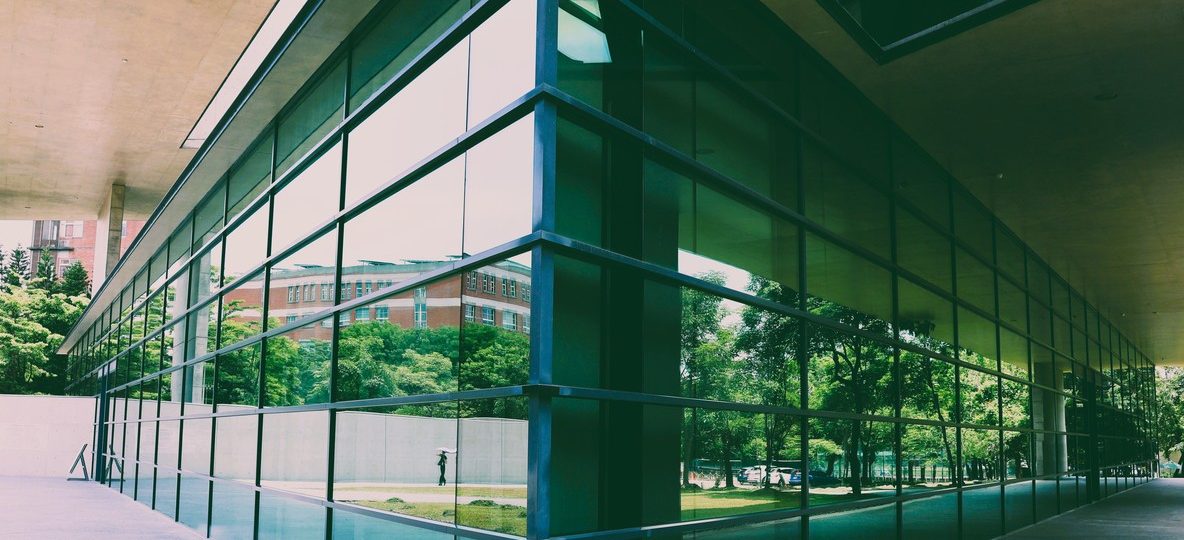
The Nairobi National Museum is run by the National Museums of Kenya and sits on Museum Hill, just off Uhuru Highway, about 4 kilometres from the city centre. It is the flagship museum of the National Museums of Kenya network and the most complete single-stop introduction to Kenya’s natural and human history anywhere in the country.
For visitors booking tours and safaris to the Masai Mara, Amboseli or Tsavo, the museum answers a question that guides often do not have time to cover in the field: where does all of this fit together? Geology, fossil evidence, wildlife taxonomy and the cultural map of Kenya’s communities are all here, explained in one visit.
What makes it worth the half day:
- The Turkana Boy fossil and the wider Cycles of Life human origins gallery
- The Great Hall of Mammals, covering nearly every large species you will see on safari
- The Birds of East Africa gallery, useful preparation before any birding-focused safari
- Cultural galleries representing Kenya’s ethnic communities, from the Maasai to the Swahili coast
- Adjoining grounds: the Nairobi Snake Park and the Nairobi Botanic Garden
Turkana Boy: The Fossil That Rewrote Human History
The centrepiece of any nairobi national museum visit is the turkana boy fossil, displayed in the Cycles of Life gallery. In August 1984, Kenyan fossil hunter Kamoya Kimeu spotted a small piece of skull on the western shore of Lake Turkana, at a site called Nariokotome. What followed was one of the most complete early human skeletons ever found: roughly 1.6 million years old, belonging to a boy who died around the age of eight to nine, classified as Homo erectus.
Before this discovery, most early human fossils were fragments. Turkana Boy gave scientists something close to a full skeleton, and with it, real evidence of how tall, how mobile and how physically modern our ancestors already were nearly two million years before recorded history. The display explains the discovery, the Turkana Basin’s importance to paleontology, and how the find reshaped timelines of human evolution that are still taught worldwide.
Give this gallery real time. Most visitors rush past a display case in thirty seconds and miss the context that makes it matter. Twenty to thirty minutes here is worth more than an hour anywhere else in the building.
The Great Hall of Mammals and Birds of East Africa
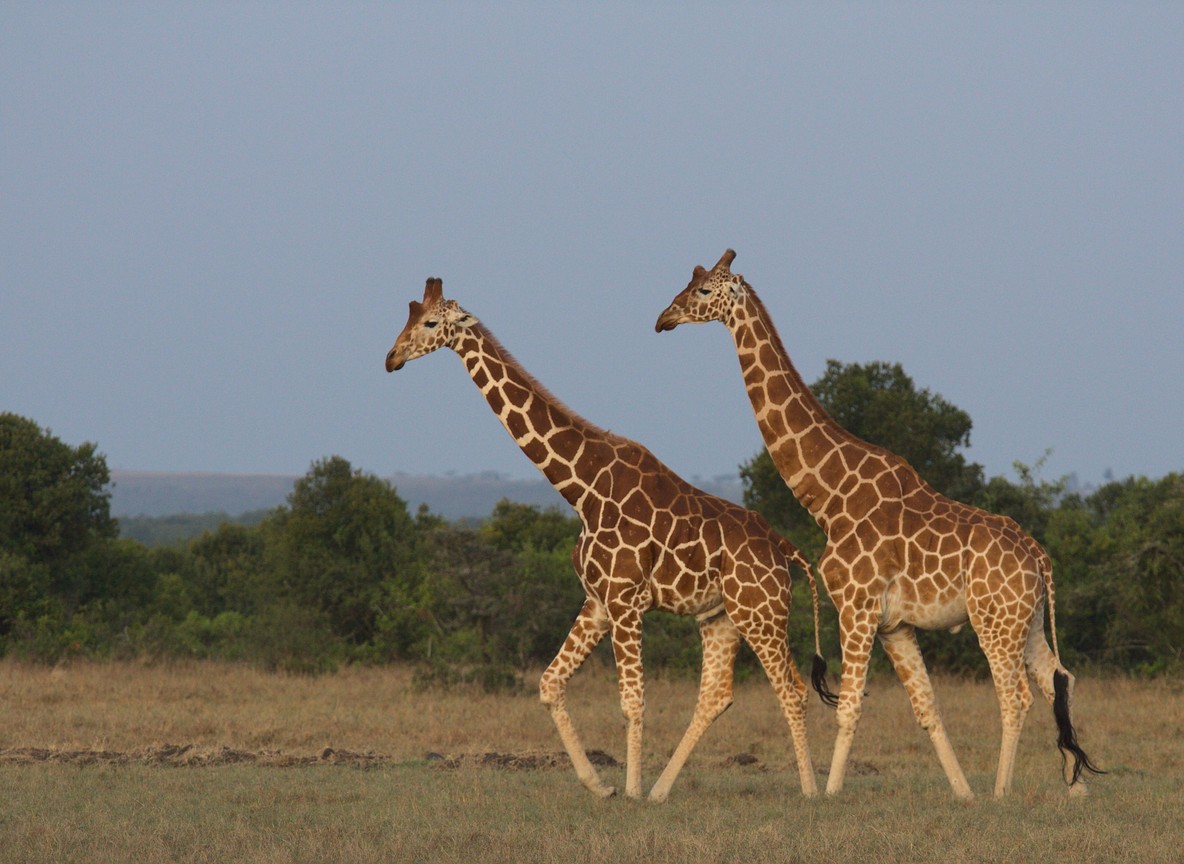
If Turkana Boy explains where we came from, the Great Hall of Mammals explains what shares the landscape with us today. Full mounted specimens of lion, elephant, buffalo, giraffe and dozens of antelope species are arranged by habitat, with clear identification panels. For anyone heading into the field after this stop, it is the fastest way to learn to tell a Grant’s gazelle from a Thomson’s gazelle before a guide has to explain it at 60 kilometres an hour on a game drive.
The Birds of East Africa gallery next door holds one of the most complete bird collections on the continent, cataloguing well over 900 species recorded in the region. Kenya’s birding circuit, from Lake Nakuru’s flamingos to Kakamega Forest’s turacos, is easier to appreciate once you have seen this collection laid out by family and habitat.
Culture, Geology and Art Galleries
Beyond natural history, the museum’s cultural galleries map Kenya’s more than 40 ethnic communities, their material culture, and the coastal Swahili civilisation that shaped East Africa’s trade history for over a thousand years. A dedicated geology gallery traces the Rift Valley’s formation, the same tectonic activity responsible for the volcanic soils and lake systems found across the Masai Mara, Amboseli and the Great Rift Valley floor. The Nairobi Gallery wing (housed separately in the old PC’s office building nearby) rotates contemporary Kenyan art and historical exhibitions.
Together, these galleries give first-time visitors to Kenya the cultural and geological context that turns a safari from “seeing animals” into understanding an entire ecosystem and the people who have lived alongside it for millennia.
Nairobi Snake Park and Botanic Garden
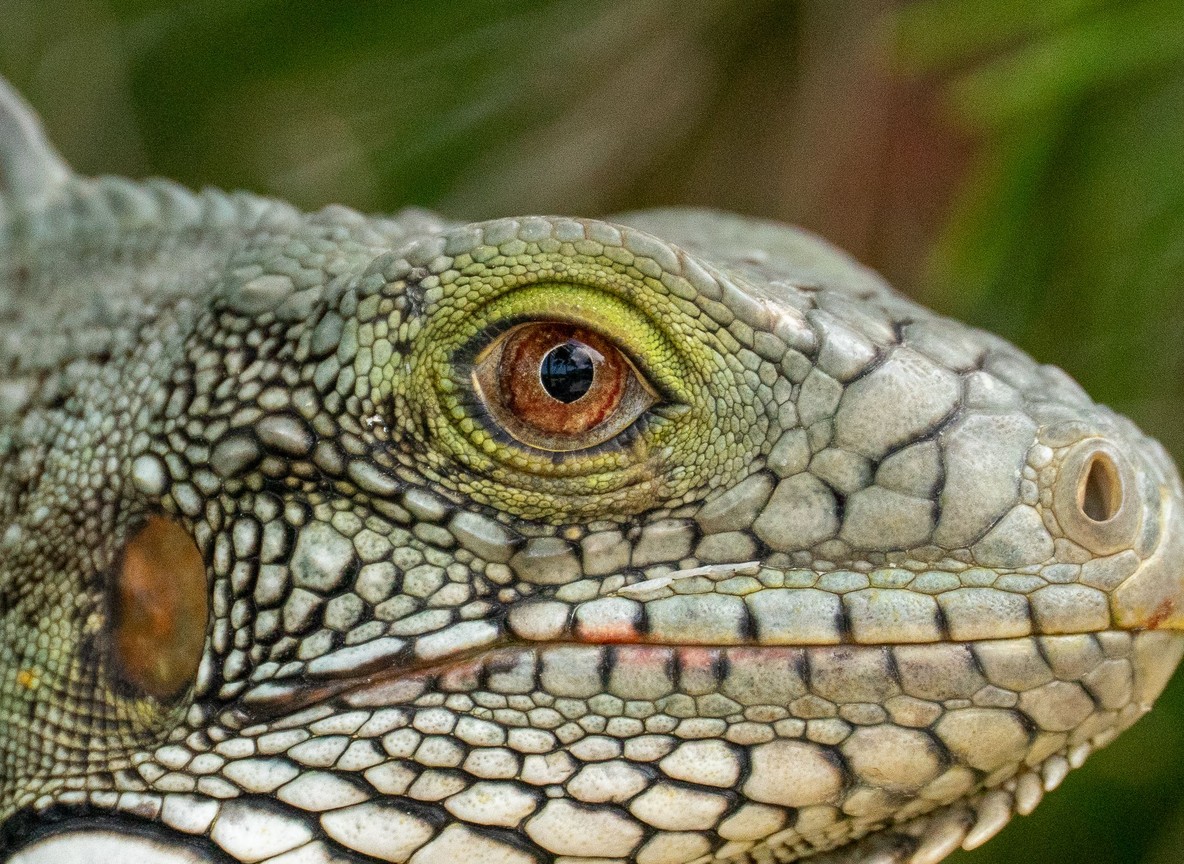
The Nairobi Snake Park sits on the same grounds as the museum, a short walk from the main entrance. It houses Kenya’s native snake species (including puff adder, black mamba and various cobras), Nile crocodiles, and a tortoise enclosure, all useful if you want to identify a snake safely after a bush walk rather than during one.
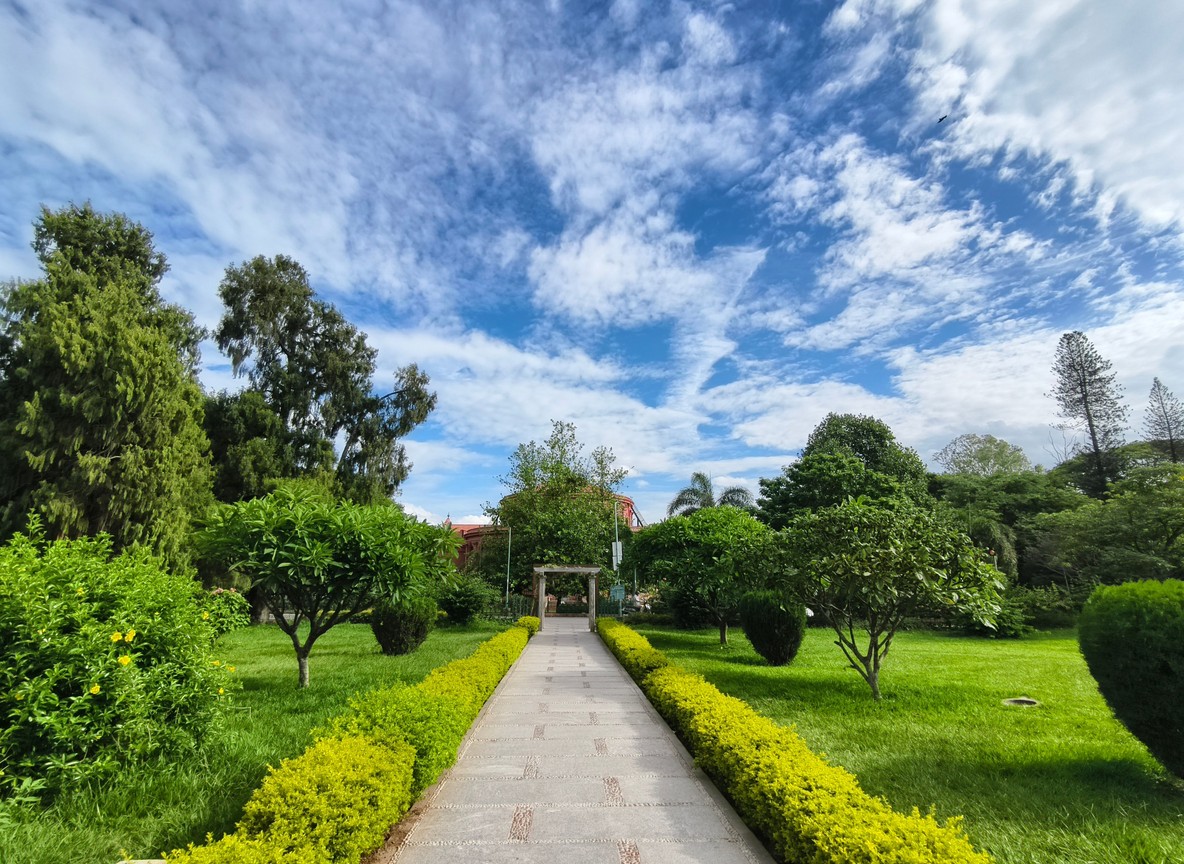
The Nairobi Botanic Garden, also part of the same grounds, offers a quiet 30 to 45-minute walk through indigenous plant collections and is a pleasant way to close out the visit before lunch.
Half-Day Itinerary: How to See It All in Under 4 Hours
Trunktrails Safaris builds this sequence into arrival-day and layover itineraries because it fits comfortably into a single morning without feeling rushed.
| Time Block | Activity |
|---|---|
| 8:30 AM – 9:00 AM | Arrival, tickets, orientation at the main hall |
| 9:00 AM – 9:35 AM | Cycles of Life gallery: Turkana Boy and human origins |
| 9:35 AM – 10:10 AM | Great Hall of Mammals |
| 10:10 AM – 10:35 AM | Birds of East Africa gallery |
| 10:35 AM – 11:00 AM | Cultural and geology galleries |
| 11:00 AM – 11:45 AM | Nairobi Snake Park (adjacent grounds) |
| 11:45 AM – 12:15 PM | Botanic Garden walk and exit |
This schedule leaves the afternoon free for a city lunch, an airport transfer, or the start of a longer Nairobi day that includes the Karen Blixen Museum or the Giraffe Centre.
Nairobi National Museum: Key Facts
| Detail | Figure |
|---|---|
| Location | Museum Hill, off Museum Hill Road, near Uhuru Highway, Nairobi |
| Distance from Nairobi CBD | About 4 km |
| Distance from Jomo Kenyatta International Airport (JKIA) | About 19 km |
| Drive time from CBD | 15-20 minutes, traffic dependent |
| Drive time from JKIA | 35-45 minutes, traffic dependent |
| Opening hours | 8:30 AM – 5:30 PM daily, including public holidays |
| Managing body | National Museums of Kenya |
| Turkana Boy discovery year | 1984, by Kamoya Kimeu |
| Turkana Boy discovery site | Nariokotome, West Turkana, near Lake Turkana |
| Turkana Boy estimated age | About 1.6 million years old |
| Non-resident adult entry (indicative) | $10-12 USD |
| Non-resident child entry (indicative) | $5-7 USD |
| Recommended visit length | 2-3 hours for the museum, up to half a day with grounds |
Prices above are indicative ranges only. Trunktrails Safaris confirms exact current rates and books tickets as part of any Nairobi city add-on.
Nairobi National Museum vs Other Nairobi Half-Day Stops
Travellers combining a museum visit with other Nairobi attractions often ask what fits best around it. Here is how the main options compare.
| Attraction | Distance from Museum | Time Needed | Best For |
|---|---|---|---|
| Nairobi Snake Park | Same grounds | 30-45 minutes | Reptiles, families with kids |
| Karen Blixen Museum | About 10 km | 1-1.5 hours | Colonial history, Out of Africa fans |
| Giraffe Centre | About 12 km | 1 hour | Giraffe feeding, families |
| Nairobi National Park | About 10 km to Main Gate | Half day to full day | Wildlife game drive inside city limits |
| Bomas of Kenya | About 13 km | 2 hours | Traditional dance, cultural villages |
A common Trunktrails Safaris pairing is the museum in the morning and Nairobi National Park in the afternoon, giving guests both the historical context and a real game drive on the same day, without leaving the city.
The Trunktrails Advantage
Trunktrails Safaris is a native Kenyan-owned operator, and Nairobi city knowledge is part of what separates a locally run team from an international booking platform.
What we provide for a Nairobi National Museum visit:
- Private vehicle transfer to Museum Hill, timed around your flight or safari schedule
- A guide who connects the museum’s galleries directly to the parks on your itinerary
- Combined half-day and full-day Nairobi city packages with Nairobi National Park, the Giraffe Centre or the Karen Blixen Museum
- Ticket handling for the museum, Snake Park and Botanic Garden in one booking
- Airport-friendly scheduling for layover guests arriving or departing via JKIA
When you book tours and safaris with Trunktrails Safaris, the Nairobi city portion of your trip gets the same field-level attention as your days in the Masai Mara or Amboseli. It is never treated as filler between flights.
Frequently Asked Questions
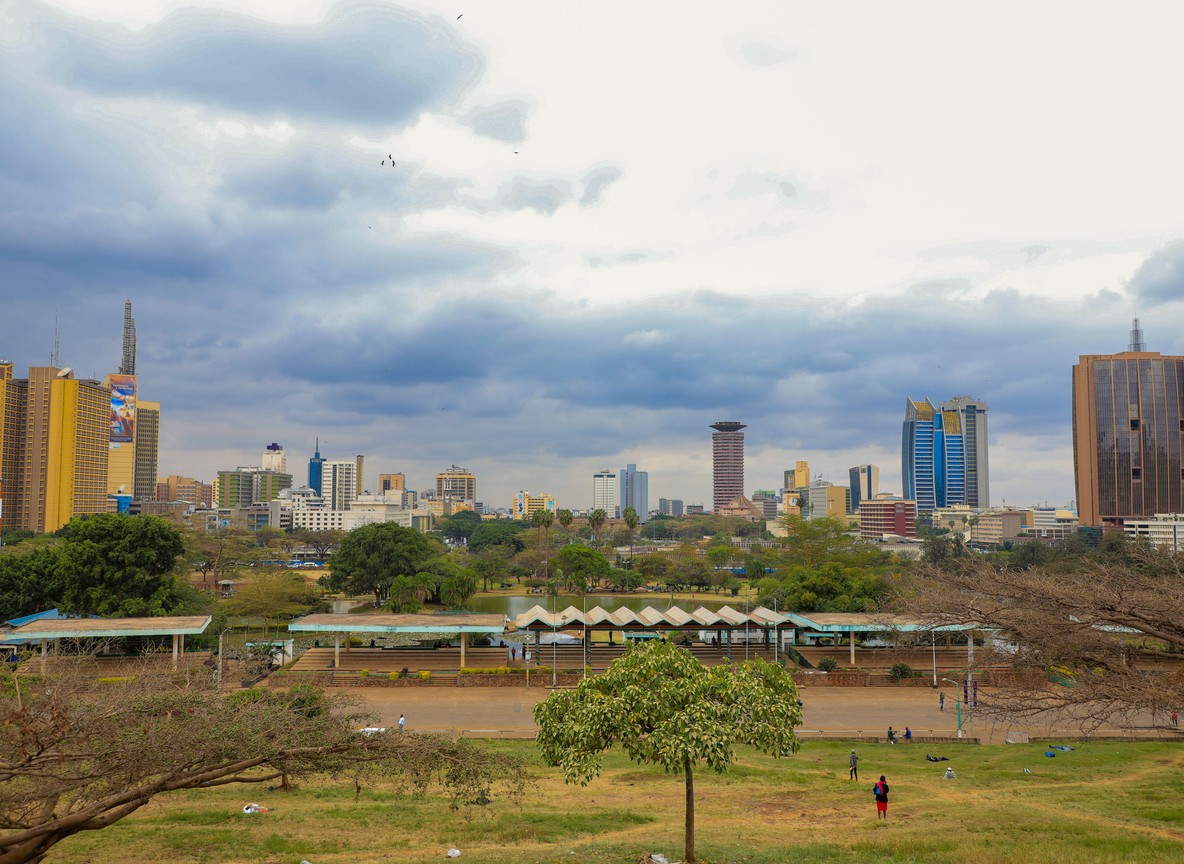
Is the Nairobi National Museum worth visiting before a safari? Yes. Seeing the Great Hall of Mammals and Birds of East Africa gallery before entering the field helps travellers identify species faster and understand the ecosystems they are about to enter. Many Trunktrails Safaris clients build it into their arrival day for exactly this reason.
How long does the Nairobi National Museum take to visit? Budget 2 to 3 hours for the museum galleries alone. Add the Snake Park and Botanic Garden, and a full half-day visit (around 3.5 to 4 hours) covers everything comfortably.
Can I combine the museum with an airport layover? Yes. At roughly 35-45 minutes from JKIA, the museum fits into a layover of 6 hours or longer with time to spare for lunch or a second stop.
Plan Your Nairobi Half-Day with Trunktrails Safaris ✨
The Nairobi National Museum turns a transit day into the most useful two to three hours of your entire Kenya trip. See Turkana Boy, walk the Great Hall of Mammals, and step out already knowing more about the country you are exploring than most travellers do on day five.
Trunktrails Safaris builds this stop into arrival mornings, layovers and city days across every tours and safaris itinerary we run. Tell us your flight times or your safari dates, and we will fit Museum Hill in without costing you a single hour of field time.
WhatsApp Micah to add this to your Nairobi itinerary:
Further reading
More safari planning resources
- Kenya safari packages from SafariPure
- Nairobi to Maasai Mara route guide from Valley Safaris
- Maasai Mara National Reserve guide on Touring Insights
- Compare Kenya safari packages on FindMySafari
📞 WhatsApp: +254 113 208888 📧 Email: info@trunktrailssafaris.com 🌐 Website: https://trunktrailssafaris.com
Trunktrails Safaris: TRA Licensed, Kenyan-owned, ready before you land.