Masai Mara Wildlife: A First-Timer’s Guide to What You’ll See
If this is your first trip to Kenya, masai mara wildlife is probably the reason you booked the flight. The Masai Mara National Reserve packs one of the highest concentrations of large mammals on earth into roughly 1,510 square kilometers of open savanna. No amount of documentary footage prepares you for seeing it in person. Trunktrails Safaris has guided first-time visitors through this reserve for years. This guide breaks down exactly what you can expect to see, when to see it, and how to plan tours and safaris that actually deliver.
Masai Mara Wildlife at a Glance: The Facts First-Timers Ask About
Before you book, here are the numbers that matter most for planning.
| Fact | Detail |
|---|---|
| Reserve size | Approx. 1,510 km2 |
| Distance from Nairobi | Approx. 270 km by road |
| Drive time from Nairobi | 5-6 hours via Narok town |
| Flight time from Wilson Airport | Approx. 45 minutes to Keekorok, Musiara, or Ol Kiombo airstrips |
| Main entry gates | Sekenani, Oloolaimutia, Talek, Musiara |
| Key river | Mara River, site of the Great Migration crossings |
| Entry fee (indicative, non-resident) | Roughly USD 80-100 per person per 24 hours |
| Resident large mammal species | Over 95 recorded, including all Big Five |
| Great Migration window | Approx. July to October |
Fee figures are indicative ranges only, based on current published rates from reserve authorities. Confirm exact figures with Trunktrails Safaris at the time of booking, since rates are revised periodically.
The Big Five in Masai Mara
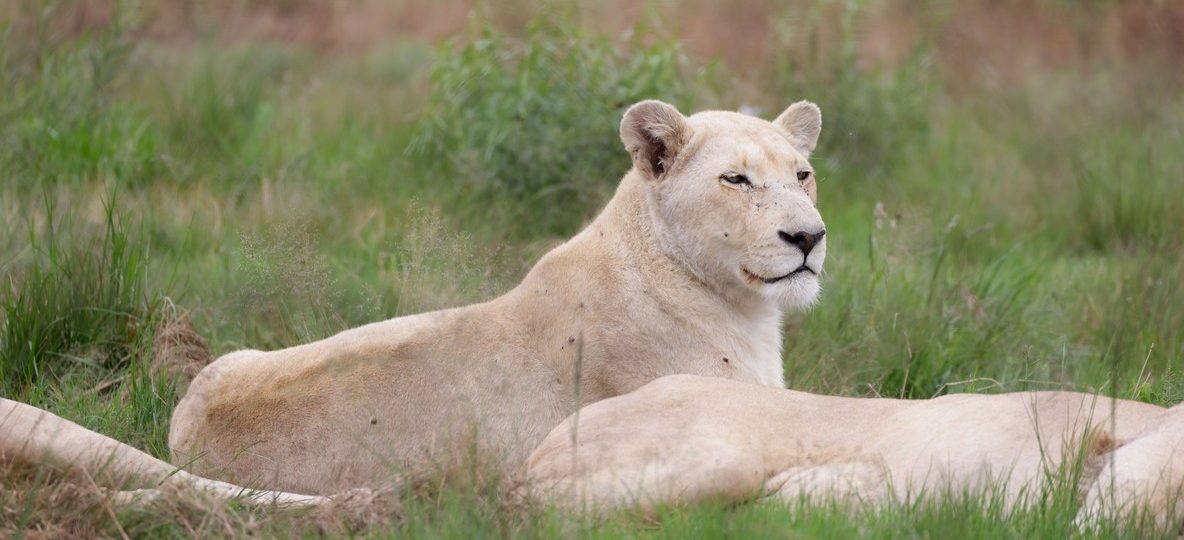
Every first-timer wants the Big Five. The Masai Mara delivers better odds than almost anywhere else in Kenya. Lions live here in large, visible prides. They often rest in open grass near the Mara Triangle or along the Talek River in the mornings. Leopards are shyer but common along the riverine forest that lines the Mara and Talek Rivers, where their spotted coats blend into dappled shade.
African elephants move through the reserve in family herds, especially near the Oloololo Escarpment and around Musiara Marsh. Cape buffalo gather in herds that can number in the hundreds, grazing the open plains alongside the migration herds. Black rhino are the rarest of the five here, with a small, closely monitored population. A sighting is genuinely special rather than guaranteed.
Beyond the Big Five: Other Iconic Masai Mara Animals
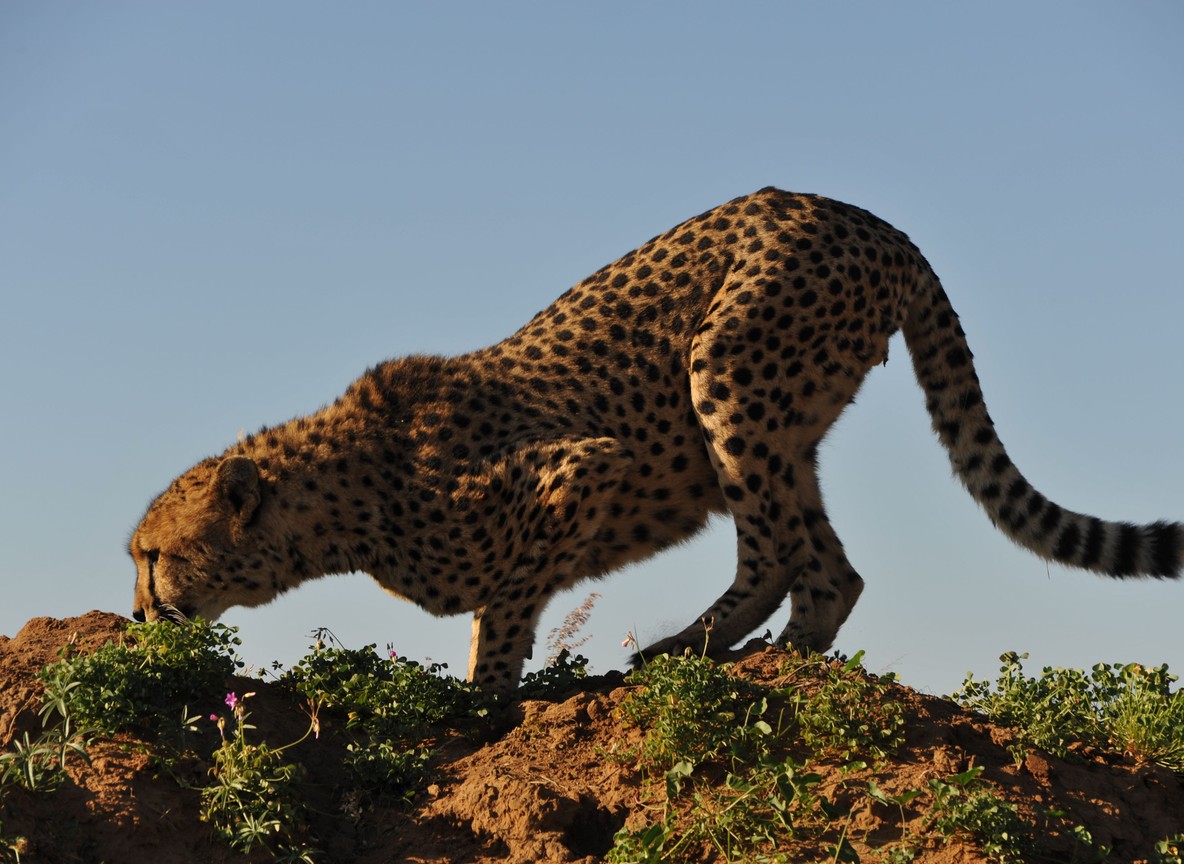
The Big Five gets the headlines, but masai mara wildlife runs much deeper. Cheetahs hunt in the open plains, using their speed on the flat terrain in a way that dense bush elsewhere in Kenya does not allow. Spotted hyenas run large, well-organized clans and are active hunters, not just scavengers, especially at dawn and dusk.
Giraffes, both Maasai and reticulated in nearby areas, browse the acacia trees that dot the landscape. Hippos and Nile crocodiles pack the Mara River itself. The crocodiles famously wait at the crossing points during migration season. Add in topi, impala, Thomson’s gazelle, elephant, and warthog, plus over 470 recorded bird species. A single game drive can turn up more wildlife diversity than most travelers see in a lifetime of nature documentaries.
The Great Migration: Masai Mara’s Signature Wildlife Event
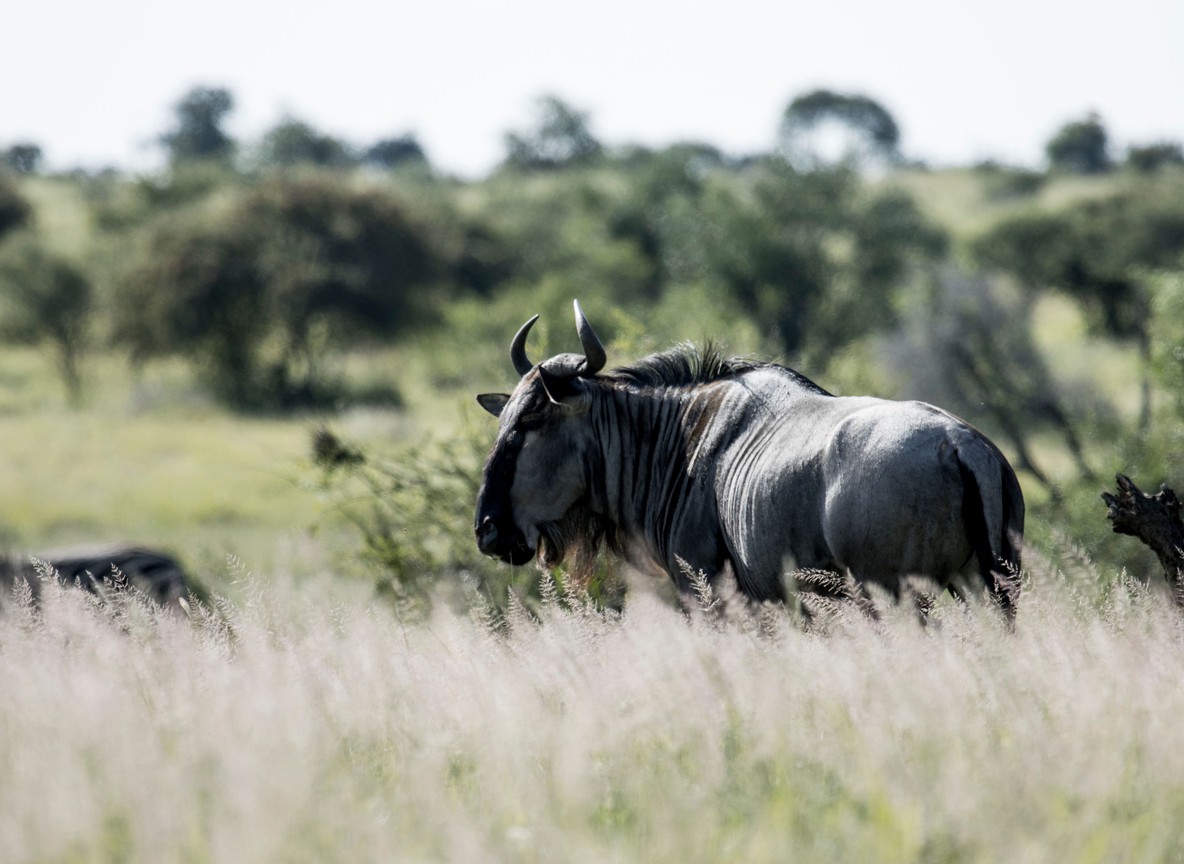
No conversation about masai mara wildlife is complete without the Great Migration. Between roughly July and October, more than 1.5 million wildebeest and hundreds of thousands of zebra cross from Tanzania’s Serengeti into the Masai Mara. They are chasing fresh grass after the rains. The most dramatic moments happen at the Mara River crossings, where herds bunch up on the bank before plunging in. Crocodiles often wait below while predators watch from the grass on the far side.
Timing a trip around the migration takes some planning, since the herds move based on rainfall, not a fixed calendar. Trunktrails Safaris tracks migration movement through camp networks on the ground. We adjust itineraries so guests are based near the current action, rather than guessing. It is one of the most requested add-ons across our tours and safaris. A well-timed river crossing is the single image most first-timers hope to bring home.
Best Time to See Masai Mara Wildlife
Wildlife viewing in the Masai Mara is strong year-round, but different months favor different experiences.
| Months | What You’ll See | Conditions |
|---|---|---|
| July – October | Peak Great Migration, river crossings | Dry, dusty, busiest camps and roads |
| November – December | Short rains, migration herds dispersing | Green landscape, fewer crowds |
| January – March | Resident wildlife, calving season for many species | Warm, dry, good predator action |
| April – June | Long rains, lush scenery | Lower rates, occasional muddy roads |
For first-timers who want the highest odds of the river crossing spectacle, July through September is the classic window. Travelers who prioritize fewer vehicles per sighting and lower rates should look at the shoulder months instead. Those months still offer excellent masai mara wildlife viewing without the peak-season crowds.
Reserve or Conservancy: Where You’ll See the Wildlife
The Masai Mara National Reserve itself borders more than a dozen private conservancies, including Mara North, Naboisho, and Olare Motorogi. It holds the highest concentration of animals, particularly during migration season. That density also draws the most vehicles per sighting. Conservancies cap visitor numbers and permit night drives and walking safaris, trading some density for a quieter, more personal encounter with the same wildlife.
Many of the itineraries Trunktrails Safaris builds combine both. Guests spend a few nights in the reserve for peak density. Then they add a few more nights in a conservancy for pace and access to activities the reserve does not allow.
What a First-Timer’s Game Drive Actually Looks Like
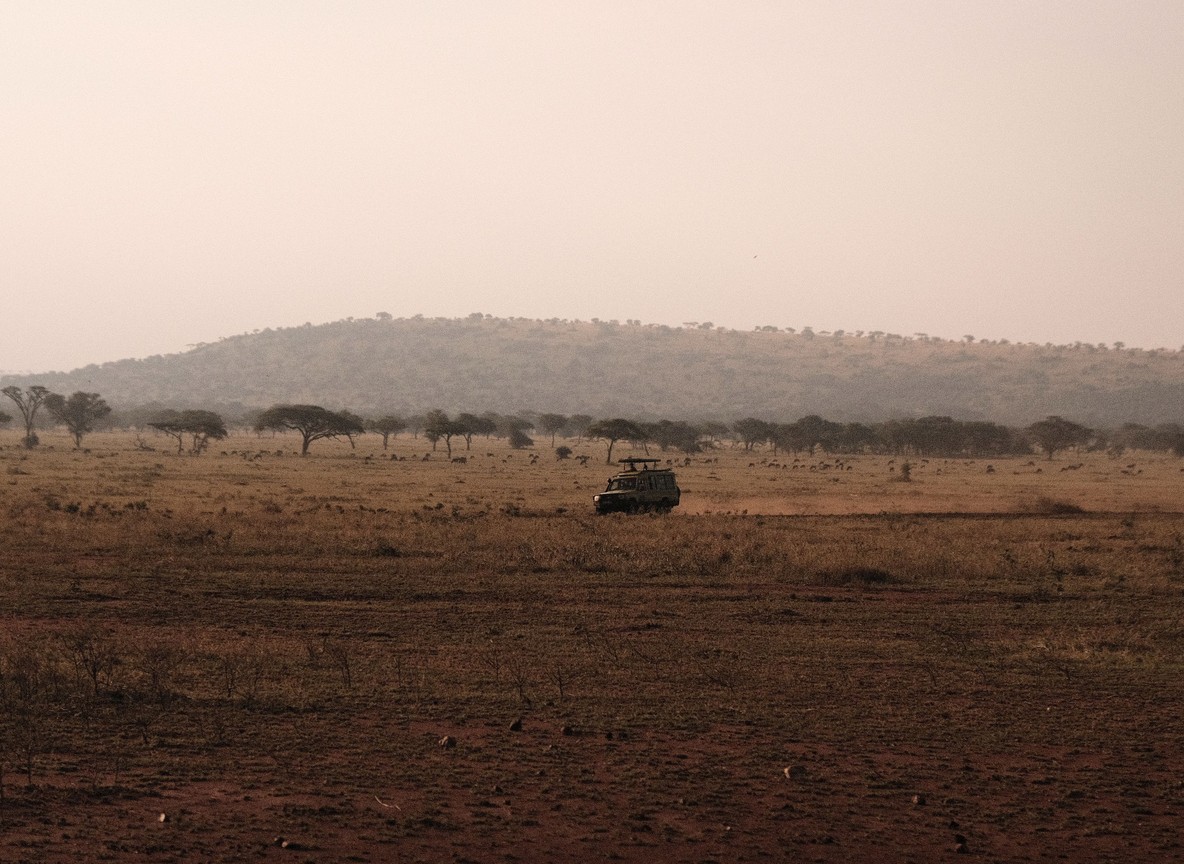
Most game drives run at dawn and again in the late afternoon. Temperatures are cooler then, and animals are more active. Your guide reads tracks and radios other vehicles about sightings. They position the vehicle for a clear, respectful view rather than crowding the animal. A typical morning drive covers anywhere from 20 to 40 kilometers of reserve or conservancy tracks over three to four hours.
First-timers are often surprised by how close predators allow vehicles to get, since the animals treat safari vehicles as a neutral, non-threatening shape rather than a person on foot. Patience matters more than speed. Some of the best masai mara wildlife sightings happen after ten quiet minutes parked near a waterhole, not from racing between reported locations.
Wildlife Photography Tips for First-Timers
You do not need professional gear to bring home strong photos of masai mara wildlife. A few habits make a real difference. Shoot during the first and last two hours of daylight. The low sun gives animals warm light instead of the harsh overhead glare of midday. Keep your camera or phone braced against the vehicle frame rather than holding it free. The extra stability sharpens images taken from a moving or idling vehicle.
Pack a zoom lens or a phone with strong digital zoom if you can. Guides keep a respectful distance from predators, so you will often photograph lions or leopards from 20 to 40 meters away. Bring a dust cover or a simple plastic bag for gear, because Masai Mara tracks are dry and dusty for most of the year outside the long rains. Finally, resist the urge to photograph every sighting from the same angle. Ask your guide to reposition the vehicle for better light or a cleaner background. A small shift often turns an average shot into a memorable one.
The Trunktrails Advantage
Trunktrails Safaris is a Kenyan-owned operator with guides who know the Masai Mara’s terrain, seasonal wildlife movement, and camp network firsthand. That local knowledge means your itinerary gets built around where the animals actually are that week. It is not a generic template copied across every trip.
Our team maintains direct relationships with camps across both the national reserve and the surrounding conservancies. That matters most during migration season, when the best beds sell out early. Every itinerary from Trunktrails Safaris includes current entry fees and camp rates confirmed ahead of time. First-timers know exactly what they are paying for before committing to their tours and safaris.
Ready to See Masai Mara Wildlife for Yourself?
You do not need prior safari experience to plan this trip well. Tell Trunktrails Safaris your travel dates, group size, and whether the Great Migration or a quieter conservancy pace matters more to you. We will build a first-timer itinerary around the masai mara wildlife you actually want to see.
Further reading
More safari planning resources
- Interactive Maasai Mara map from Valley Safaris
- Maasai Mara National Reserve guide on Touring Insights
- Masai Mara destination guide on FindMySafari
- Wildebeest migration route map from Valley Safaris
Message us on WhatsApp at +254 113 208888, email info@trunktrailssafaris.com, or visit trunktrailssafaris.com to start planning your Masai Mara safari today. 🦁🌍📸