
Masai Mara in June: Green Plains, Early Herds and the Calm Before the Migration 🦁
The Masai Mara in June is one of Kenya’s best-kept secrets. The long rains have just faded, the plains glow a deep green, and the first wildebeest herds start to drift up from the south. Crowds are still thin, prices sit below peak, and the light is soft and clean for photos. Many travellers rush to book July and August, yet June rewards those who arrive early with space, calm, and superb resident wildlife.
At Trunktrails Safaris, we plan tours and safaris that read the season with care. This guide gives you real numbers on weather, fees, drive times, and game viewing, so you can decide with confidence. Whether you are a wildlife lover, a honeymooner, or a family chasing lions, June offers a quieter, greener Mara before the great crush of the migration season. 🐘
What Makes the Masai Mara in June Special?
June sits in a sweet spot on the Mara calendar. The heavy long rains of April and May have ended, so the roads dry out and the tracks open up again. Yet the land still holds the lush look of the wet season. Grass is green, rivers run full, and the whole reserve feels fresh and alive.
This is the calm before the storm. The famous wildebeest columns have not yet flooded the plains in full force. That means you share sightings with far fewer vehicles. A pride of lions on a kill may be yours alone at dawn. For photographers and quiet-minded travellers, this space is priceless. The Mara in June feels wild and personal in a way that peak season rarely allows.
Masai Mara Weather in June: What to Expect
June marks the start of Kenya’s cool dry season. Days are pleasant and skies clear steadily as the month moves on. Nights and early mornings turn crisp, so a warm layer matters on game drives. Rain still falls at times, usually as short showers, but the long soaking rains are over.
| June weather detail | Typical range |
|---|---|
| Daytime high | About 25 to 27 C |
| Night-time low | About 11 to 13 C |
| Rainfall | Low, occasional short showers |
| Humidity | Moderate, falling through the month |
| Best game-drive light | Early morning and late afternoon |
Pack layers for June. A fleece or light jacket handles the chilly dawn starts, while a hat and sunscreen cover the warm midday hours. The cool air keeps animals active longer through the morning, which is good news for your sightings.
June Game Viewing: Early Herds and Resident Giants
The Mara is one of Africa’s richest wildlife stages, and June proves it. Even before the migration builds, the reserve teems with resident game. The Big Five all live here, and the green plains push them into the open where you can find them.
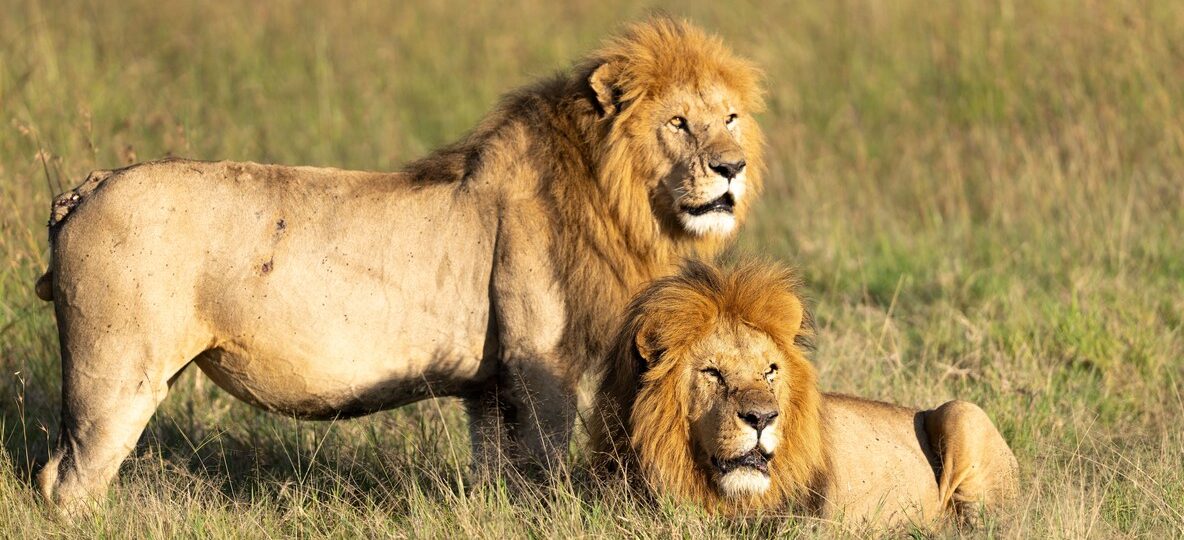
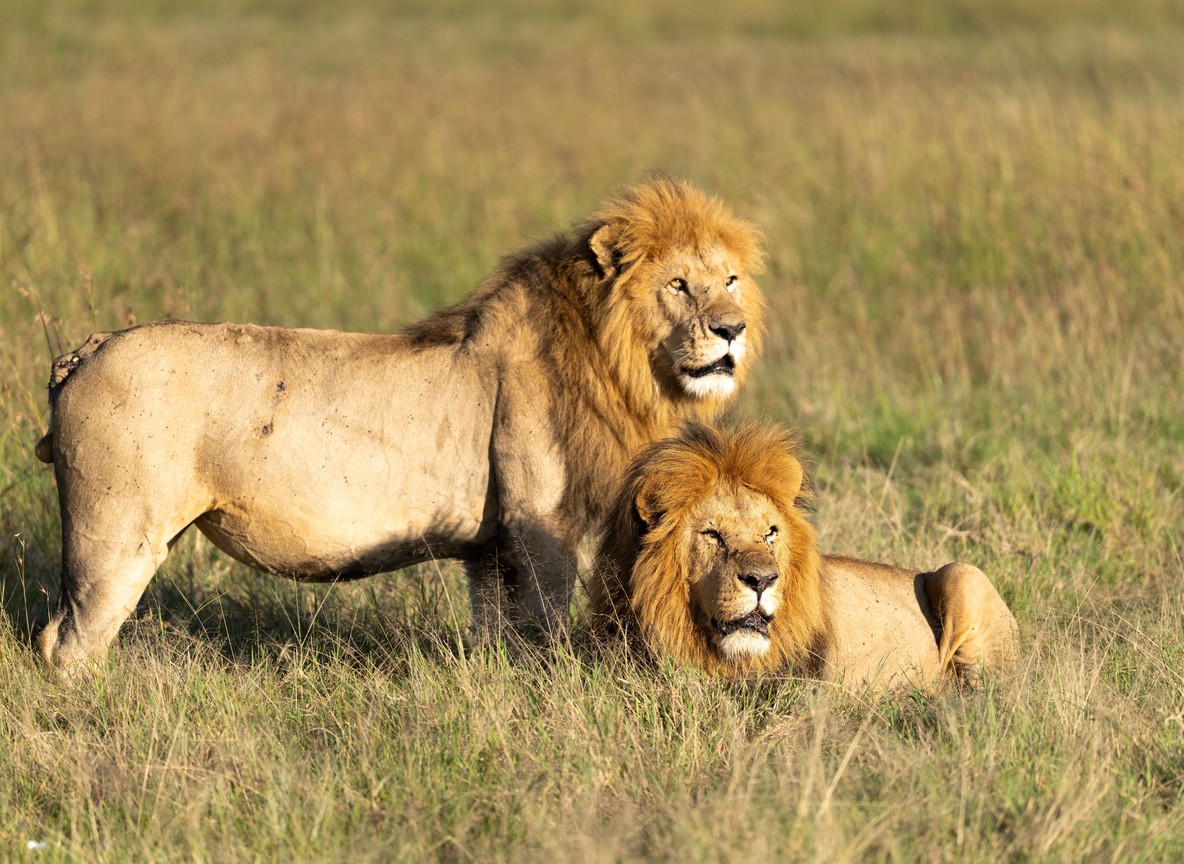
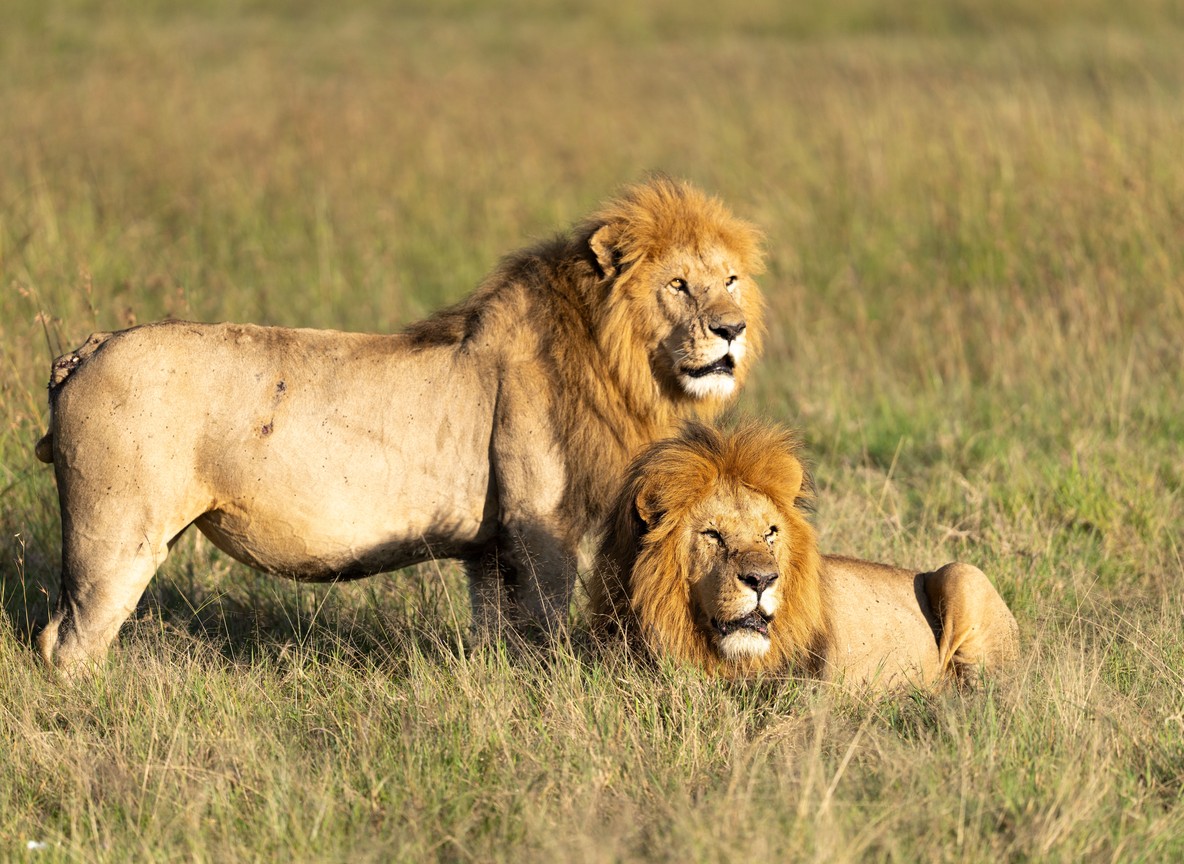
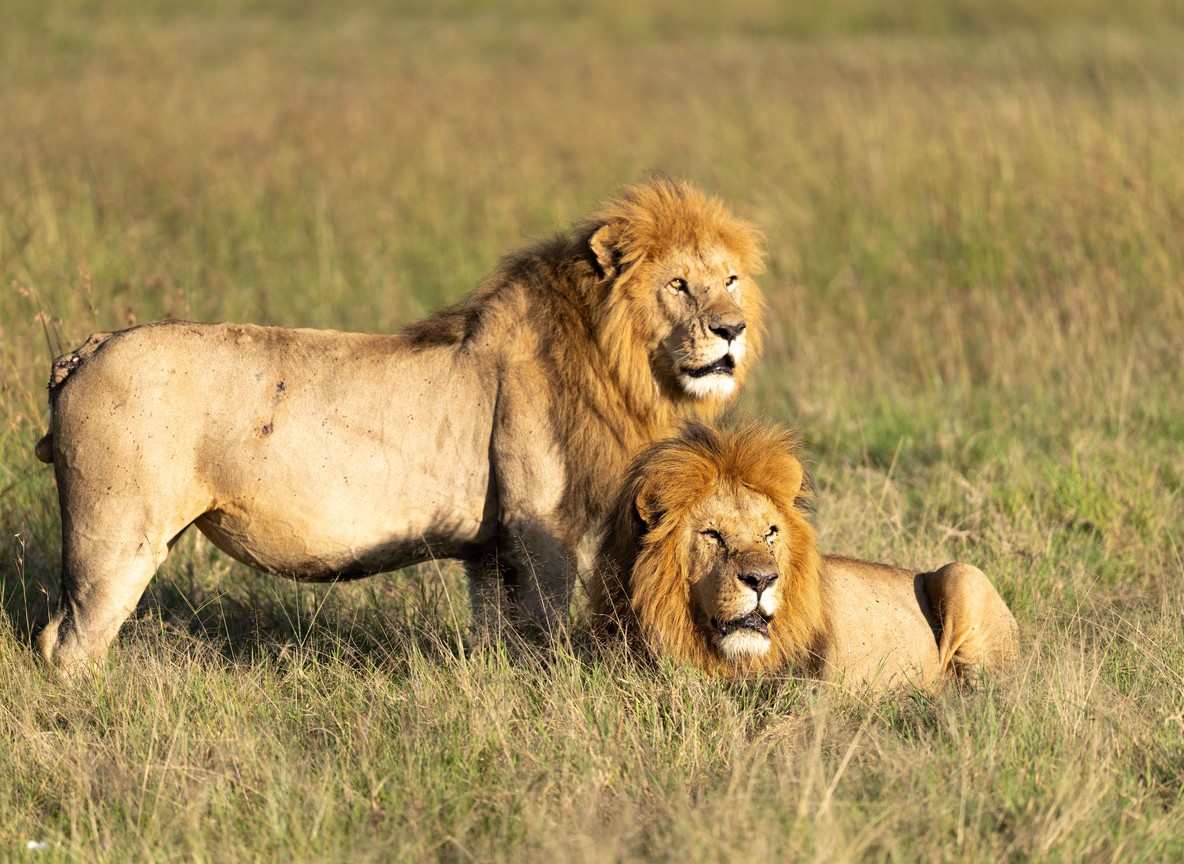
Lions are the stars of the Mara, with several large prides holding territory near the Talek and Mara rivers. Cheetahs hunt the open grassland, and leopards haunt the riverine forest along the water. Elephant families move through the marshes at Musiara, while buffalo herds graze the flats. Early wildebeest and zebra begin to gather, a taste of the spectacle to come.
The green season also brings newborns. Many antelope drop their young after the rains, so June fills the plains with wobbly-legged calves. That in turn draws predators into the open, which lifts your chance of seeing a hunt. Birdlife peaks too, as migrant species linger and resident birds show breeding colours.
Great Migration in June: Has It Started?
The great wildebeest migration is the Mara’s headline act, and June is when the story truly begins. The herds spend the early year in Tanzania’s Serengeti. As the southern plains dry out, more than a million wildebeest, joined by zebra and gazelle, march north toward the Mara’s greener grass.
By late June, the leading columns often reach the southern Mara, near the Sand River and the Mara Triangle. The first dramatic river crossings can begin in the final days of the month, though they build in force through July and August. So June gives you a real chance at early crossings without the peak-season crowds. It is a gamble that often pays off, and even a quiet June delivers vast resident herds and building numbers.
Masai Mara in June: Fees, Distances and Access
Planning a June safari means knowing the real costs and logistics. The Masai Mara National Reserve charges a daily park fee, and the private conservancies around it set their own rates. These conservancies, such as Mara North, Naboisho, and Olare Motorogi, offer quieter game viewing and off-road access that the main reserve does not. Fees change over time, so treat the figures below as indicative and confirm before you travel.
| Detail | Indicative figure |
|---|---|
| Masai Mara reserve size | About 1,510 km2 |
| Reserve park fee (non-resident adult) | About USD 100 per day |
| Conservancy fee (non-resident adult) | About USD 100 to USD 130 per day |
| Nairobi to Mara road distance | About 270 km |
| Road transfer time | About 5 to 6 hours |
| Flight from Wilson Airport | About 45 minutes |
| Main reserve gates | Sekenani, Talek, Oloololo, Musiara, Sand River |
| Key airstrips | Keekorok, Ol Kiombo, Musiara, Mara Serena |
| Main rivers | Mara River and Talek River |
You can reach the Mara by road or by air. The drive from Nairobi runs through the Great Rift Valley and Narok town, a scenic haul of about five to six hours. The last stretch to the gates is rough, so a sturdy 4×4 helps. If time is short, a light aircraft from Nairobi’s Wilson Airport lands you at a Mara airstrip in about 45 minutes. Trunktrails Safaris arranges both, matching your budget and pace.
Where to Stay: June Lodges and Camps
June sits just before the high-season rate jump, so your money stretches further. Camps and lodges across the Mara ecosystem open the full range, from budget tented camps near Sekenani Gate to luxury conservancy retreats. Staying inside a conservancy such as Naboisho or Mara North gives you night drives, guided walks, and fewer vehicles at sightings.
Book early even in June, since the best camps fill fast once travellers realise how good the value is. A mix of reserve and conservancy nights often gives the richest experience. You get the classic crossing-country of the main reserve plus the exclusive, low-traffic feel of private land. Our team pairs the right camp to your travel style so nothing feels rushed on tours and safaris. 📸
Masai Mara in June vs July: Which Should You Choose?
Many travellers weigh June against July. The honest answer depends on what you want. July brings bigger herds and more frequent river crossings, but also higher prices and busier tracks. June trades a little migration drama for green scenery, lower cost, and a calmer reserve.
| Factor | June | July |
|---|---|---|
| Crowds | Low | High |
| Prices | Below peak | Peak |
| Migration herds | Early arrivals, first crossings possible | Large herds, frequent crossings |
| Scenery | Lush and green | Drying, golden |
| Newborn animals | Many calves | Fewer |
If your heart is set on guaranteed mass crossings, aim for late July or August. If you want value, space, and beautiful green light with a real shot at early herds, June is a smart, rewarding choice.
The Trunktrails Advantage
Reading the Mara season takes local knowledge, and that is where Trunktrails Safaris stands apart. As a native Kenyan-owned operator, we live and breathe this ecosystem. We know when the first herds usually cross the Sand River, which conservancy holds the strongest lion prides, and which camps give the best value in June.
We handle every detail as one smooth package. That means your park and conservancy fees, road or air transfers, expert Maasai guides, and the right camp for your style. Our guides track daily wildlife movements, so your game drives target the action rather than chasing it. We plan tours and safaris around your pace, whether you seek quiet photography mornings or a full Big Five hunt for lions and leopards.
With us, June stops being a guessing game and becomes a confident, well-timed adventure. That local care runs through every trip we run, and it is why our guests trust us with their once-in-a-lifetime Mara journey. 🌍
Ready for a Green-Season Mara? Let’s Plan It 🌅
The Masai Mara in June is waiting, green and calm, with the first herds already on the move. Do not wait for the crowds of peak season when you could have the plains almost to yourself. Let our team build you a June safari that catches the Mara at its freshest.
Further reading
More safari planning resources
- Best time to visit Kenya month-by-month map from Valley Safaris
- Best time to visit Kenya on Touring Insights
- Great Migration safari collection on FindMySafari
- Wildebeest migration route map from Valley Safaris
Message Trunktrails Safaris today on WhatsApp at +254 113 208888, email us at info@trunktrailssafaris.com, or visit trunktrailssafaris.com to start planning. Tell us your dates, and we will craft a route that blends resident giants, early migration herds, and quiet conservancy nights. Your green-season Mara adventure is closer than you think. ✨