
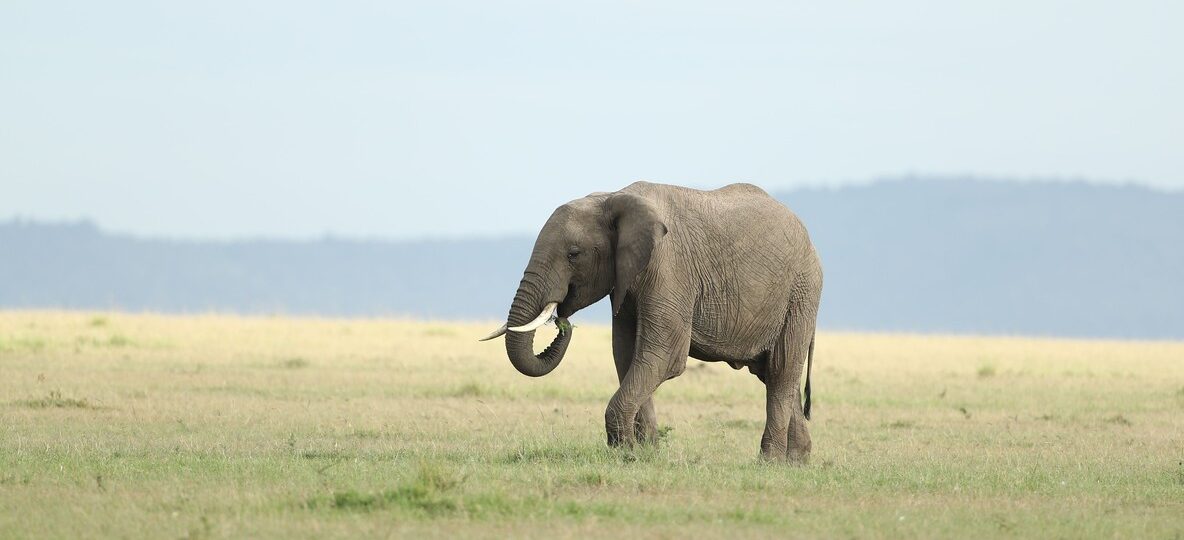
Masai Mara in February: Calving Season, Big Cats and the Quietest Month to Visit
Most travelers picture the Masai Mara in one season only, the July to October chaos of the wildebeest crossing the Mara River. Yet the Masai Mara in February tells a quieter, and in many ways richer, story. The great herds are gone south, the crowds have thinned, and the plains turn a deep, clean green. What stays behind is the thing serious wildlife lovers travel for. Resident big cats, out in the open, hunting on short grass with almost nobody watching. 🐆
February sits inside the short dry spell between Kenya’s two rainy seasons. The grass is fresh, the light is soft, and the roads stay firm enough for full days in the field. Just across the border, the southern Serengeti fills with newborn wildebeest, so the whole ecosystem hums with young prey and busy predators. At Trunktrails Safaris, we plan tours and safaris around exactly this kind of insider timing, matching the month to the experience you actually want.
Why February Is the Mara’s Best-Kept Secret
Ask most people about the best time to visit Masai Mara and they will say July to October, no hesitation. That window is spectacular, but it is also expensive, crowded, and booked out a year ahead. February flips almost every one of those problems.
Vehicle numbers at the famous sightings drop hard once the migration leaves. Where a July leopard might draw fifteen vans, a February leopard often draws one or two. Camp rates fall into green season territory. And because the short rains of November and December have passed, the country looks its best, washed green with skies that photograph beautifully.
The trade-off is simple and honest. You will not see a million wildebeest pouring across the Mara River. What you get instead is space, value, and a front-row seat to the resident wildlife that lives here all year round. For the traveler who cares about animals over headlines, that is a fair swap.
Masai Mara February Weather at a Glance
February is one of the driest, most stable months in the Mara calendar. Days are warm and bright, mornings are cool enough for a jacket on the game drive, and rainfall stays low. Short afternoon showers can appear, but they rarely stop a safari and often clear the light into something magic.
| Factor | Masai Mara in February | What it means for you |
|---|---|---|
| Daytime high | Around 27 to 28 degrees C | Warm, comfortable game drives |
| Night and dawn low | Around 12 to 14 degrees C | Pack a fleece for early starts |
| Rainfall | Roughly 50 to 80 mm, mostly brief | Firm roads, easy access |
| Grass height | Short and green | Cats visible, easy spotting |
| Crowds | Low season, few vehicles | Private sightings, calm plains |
| Daylight | Roughly 06:40 sunrise to 18:50 sunset | Long, productive field days |
Because the ground stays firm, February suits both fly-in guests and road travelers. This is not the heavy mud of April and May, when the long rains turn the black-cotton soil into a challenge. February gives you green scenery with dry season access, a rare and useful combination.
Calving Season: What Is Really Happening in February
Here is the detail that confuses a lot of first-time planners. The famous calving season happens in the southern Serengeti in Tanzania, not inside the Masai Mara itself. From late January through March, hundreds of thousands of wildebeest gather on the Ndutu short-grass plains and drop their young, with the peak seeing many thousands of calves born in a single day.
That birthing frenzy sits a few hours south of the Mara. The herds will not walk back north into Kenya until roughly July. So February in the Mara is not about watching the calving directly. It is about everything the season sets in motion. The southern ecosystem is thick with vulnerable newborns, which keeps predator activity high right across the wider Mara-Serengeti landscape.
This is why many wildlife travelers pair the two. A few days on the Kenyan side for the Mara’s resident lion prides and leopards, then a hop south to the Ndutu region for the calving drama itself. Trunktrails Safaris builds cross-border trips like this often, and we handle the logistics so the border and the flights never become your problem.
Big Cats: The Real February Headline
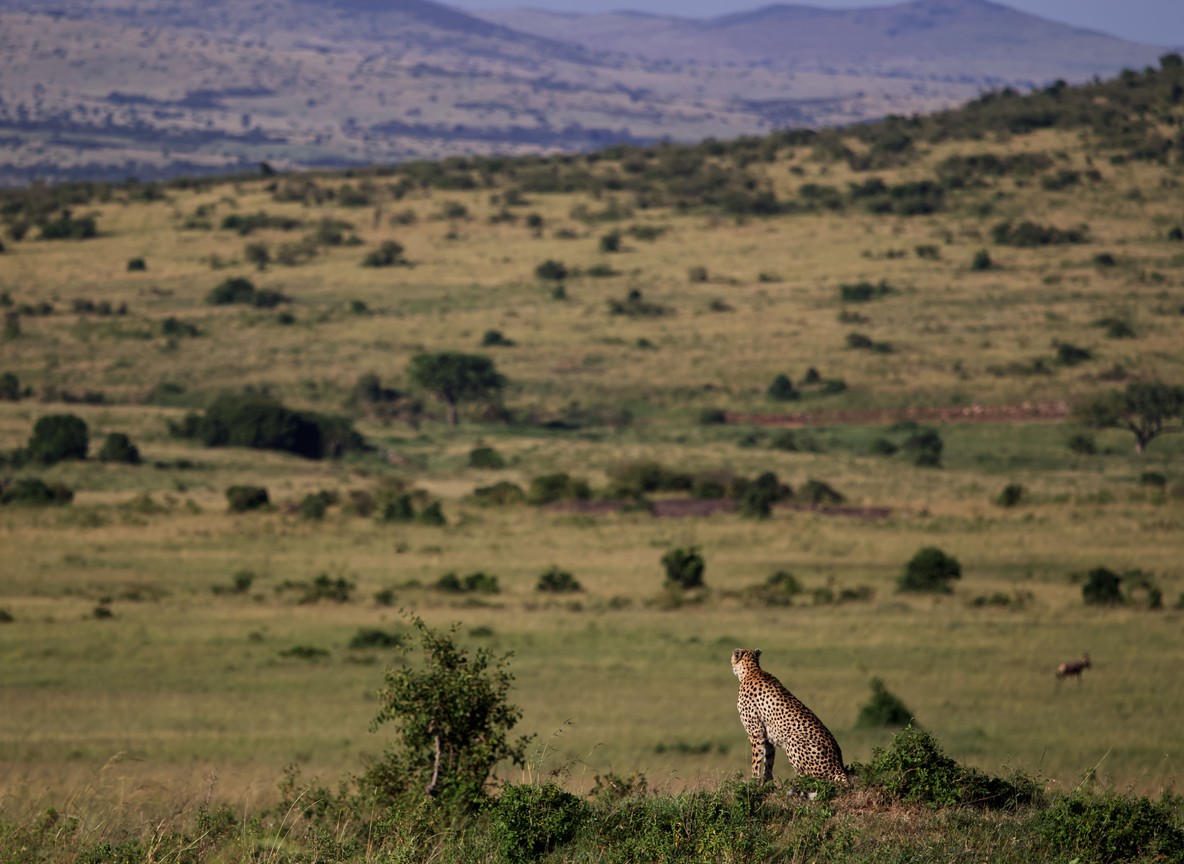
The Masai Mara holds one of the densest lion populations on Earth, and those prides do not migrate. In February they stay put, hunting the resident zebra, topi, warthog, and Thomson’s gazelle that never leave. With short grass and thin crowds, February is one of the finest months of the year to watch big cats work.
The Mara’s famous prides, along with the leopards of the riverine forest and the cheetahs of the open plains, are all active. Cheetahs in particular favour the short-grass conditions February delivers, because they hunt by speed and sight and need open ground. Photographers love the month for its clean backgrounds and soft, uncrowded light.
- Lions: Large resident prides across the reserve and conservancies, active on cool mornings.
- Cheetahs: Favoured by short grass and open plains, often with cubs this time of year.
- Leopards: Reliable along the Mara and Talek River forest belts.
- Spotted hyena, jackal, serval: Busy alongside the big three predators.
Getting to the Masai Mara in February
February is low season, so flights and camps have space, but the good guides and best-value camps still move fast. Here are the real numbers to plan around.
| Route or fee | Detail | Indicative cost (non-resident) |
|---|---|---|
| Fly Wilson Airport to Mara | 45 min to 1 hr; airstrips at Keekorok, Ol Kiombo, Musiara, Mara Serena | USD 200 to 350 return |
| Drive Nairobi to Sekenani Gate | About 270 km, 5 to 6 hours | USD 150 to 250 per vehicle transfer |
| Mara Reserve entry (Narok County) | Per adult, per 24 hours | Around USD 100 low season |
| Private conservancy fee | Mara North, Naboisho, Olare Motorogi and others | USD 100 to 130 per person per night |
| Park size | Reserve about 1,510 km2; greater ecosystem about 2,500 km2 | n/a |
Flying is the easy choice for most guests. A light-aircraft flip from Nairobi’s Wilson Airport reaches the Mara in under an hour and drops you at an airstrip near your camp. The main gates for road travelers are Sekenani, Talek, Oloololo, and Sand River, with the Mara, Talek, and Sand rivers threading through the reserve.
Where to Stay: February Camps and Value
Low season pricing is one of February’s quiet gifts. Camps that sell out at premium rates in high season open up, and you can book a class of lodge that might sit outside your budget in August. Options span the reserve itself and the private conservancies that ring it.
| Camp or lodge | Location | Style | Indicative Feb rate (pppn) |
|---|---|---|---|
| Keekorok Lodge | Inside the reserve | Classic lodge | USD 250 to 400 |
| Mara Serena Safari Lodge | Central reserve, river bend | Mid to upper lodge | USD 300 to 500 |
| Governors’ Camp | Musiara Marsh area | Luxury tented | USD 600 to 900 |
| Mara North conservancy camps | Mara North Conservancy | Exclusive tented | USD 500 to 900 |
| Angama Mara | Oloololo Escarpment | High-end lodge | USD 900 and up |
The conservancies deserve special mention for February travelers. They cap vehicle numbers, allow off-road driving and night drives that the main reserve does not, and hand you the low-crowd experience the month is famous for, only more so. For a wildlife enthusiast or a couple wanting seclusion, a conservancy stay in February is hard to beat.
The Trunktrails Advantage
Trunktrails Safaris is a native Kenyan-owned operator, and we plan every February trip around real ground truth rather than a brochure promise. We know which prides hold territory near which camp, which guides read cat behaviour best, and how to balance a reserve stay against a quieter conservancy so you get both value and privacy. We handle your Wilson Airport flights, your gate and conservancy fees, and your transfers so nothing surprises you on arrival.
We also understand the calving question better than most, because we run the cross-border trips that connect the Mara’s resident predators with the Serengeti calving to the south. If you want to see newborn wildebeest and the hunts they trigger, we time the itinerary and manage the border so it feels seamless. Our tours and safaris are built so the planning weight sits with us, not with you.
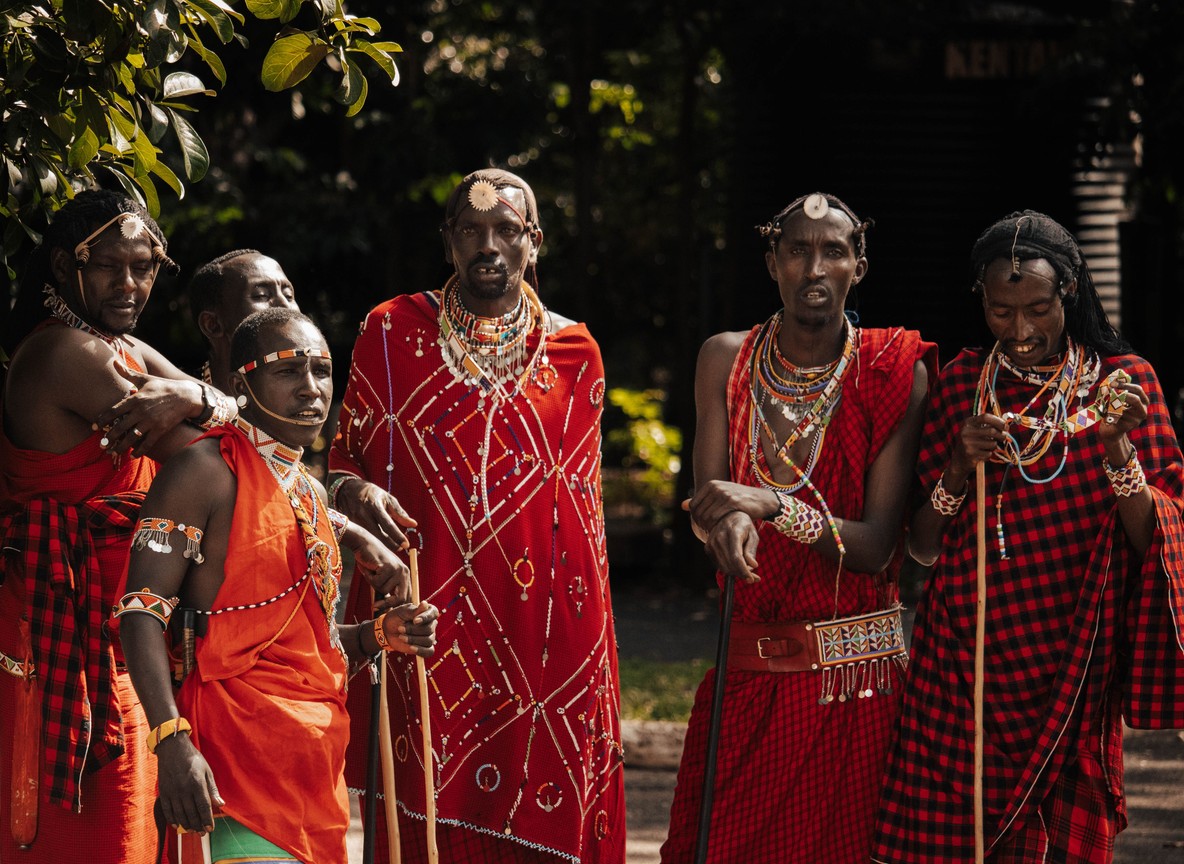
And because February is low season, we make sure your money still works hard. Conservancy fees channel income to the Maasai landowners who keep these plains wild, so a February safari with us is both a better-value trip and a genuine contribution to the ecosystem you came to see. 🌍
February vs Peak Season: An Honest Comparison
| Question | Masai Mara in February | Masai Mara July to October |
|---|---|---|
| River crossings | No, herds are in Serengeti | Yes, peak crossing season |
| Big cat viewing | Excellent, short grass, few vehicles | Excellent, but crowded sightings |
| Crowds | Very low | Very high |
| Camp rates | Green and low season value | Premium, often sold out |
| Scenery | Lush, green, dramatic skies | Golden, dusty, dry |
| Calving nearby | Yes, in southern Serengeti | No |
Neither season is wrong. They are simply built for different travelers. If a wall of wildebeest at the river is your one dream shot, come in the dry high season and accept the crowds and the price. If you want cats, calm, colour, and value, the Masai Mara in February is the smarter choice, and far fewer people know it. Our tours and safaris are shaped around whichever of those trips is truly yours. ✨
Plan Your February Masai Mara Safari
The Masai Mara in February is the month for people who care more about the animals than the headline. Green plains, resident lions and cheetahs on open ground, thin crowds, kinder prices, and a calving drama unfolding just across the border. It is one of the best-value, most rewarding windows in the whole Kenyan safari calendar, and it stays a secret only because the migration gets all the attention.
Let us build your February journey, timed to the resident cats, matched to the right reserve or conservancy camp, and paired with the Serengeti calving if you want the full story. Reach out to Trunktrails Safaris today and travel the Mara the way the people who live there would.
🌍 Ready to see the Mara at its quiet best?
Further reading
More safari planning resources
- Best time to visit Kenya month-by-month map from Valley Safaris
- Best time to visit Kenya on Touring Insights
- Masai Mara destination guide on FindMySafari
- Interactive Maasai Mara map from Valley Safaris
- 💬 WhatsApp: +254 113 208888
- 📧 Email: info@trunktrailssafaris.com
- 🌐 Web: trunktrailssafaris.com
Talk to our team now, and let us hold your February dates and the best low-season camps before they fill.

