Masai Mara Great Migration Safari: What First-Timers Should Expect
A masai mara great migration safari is the single most requested trip on our desk, and for good reason. Nowhere else on earth do you see over a million wildebeest, hundreds of thousands of zebra, and predators lined up along a single river, all within one game drive. But first-timers often arrive with the wrong month booked, the wrong camp chosen, or no idea what the entry fees actually cost. This guide fixes that. Trunktrails Safaris built this brief from real park data, not guesswork, so you can plan tours and safaris to the Mara with confidence instead of surprises.
What the Great Migration Actually Is
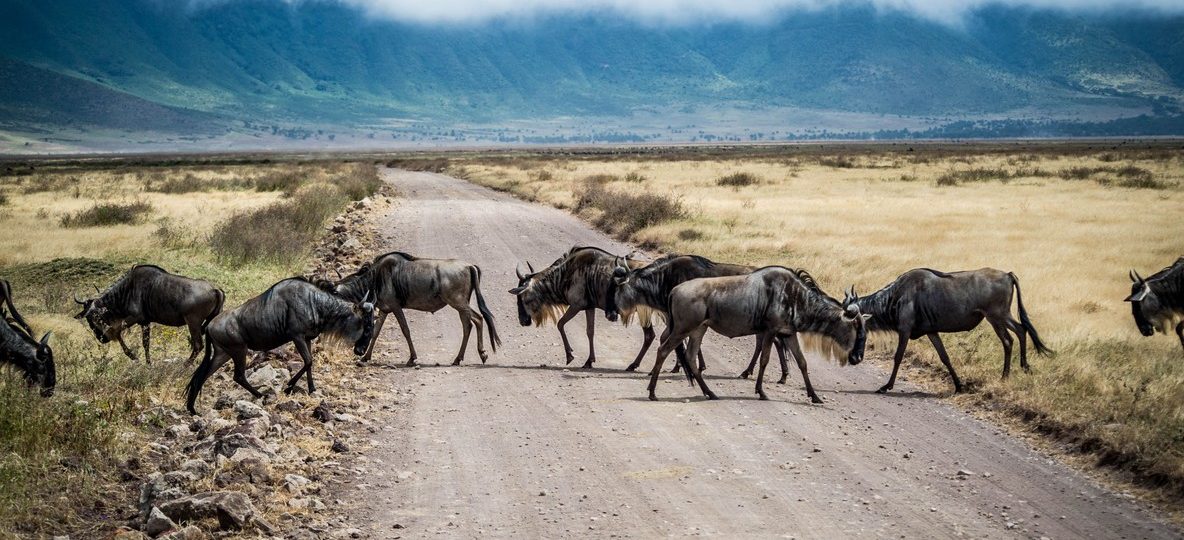
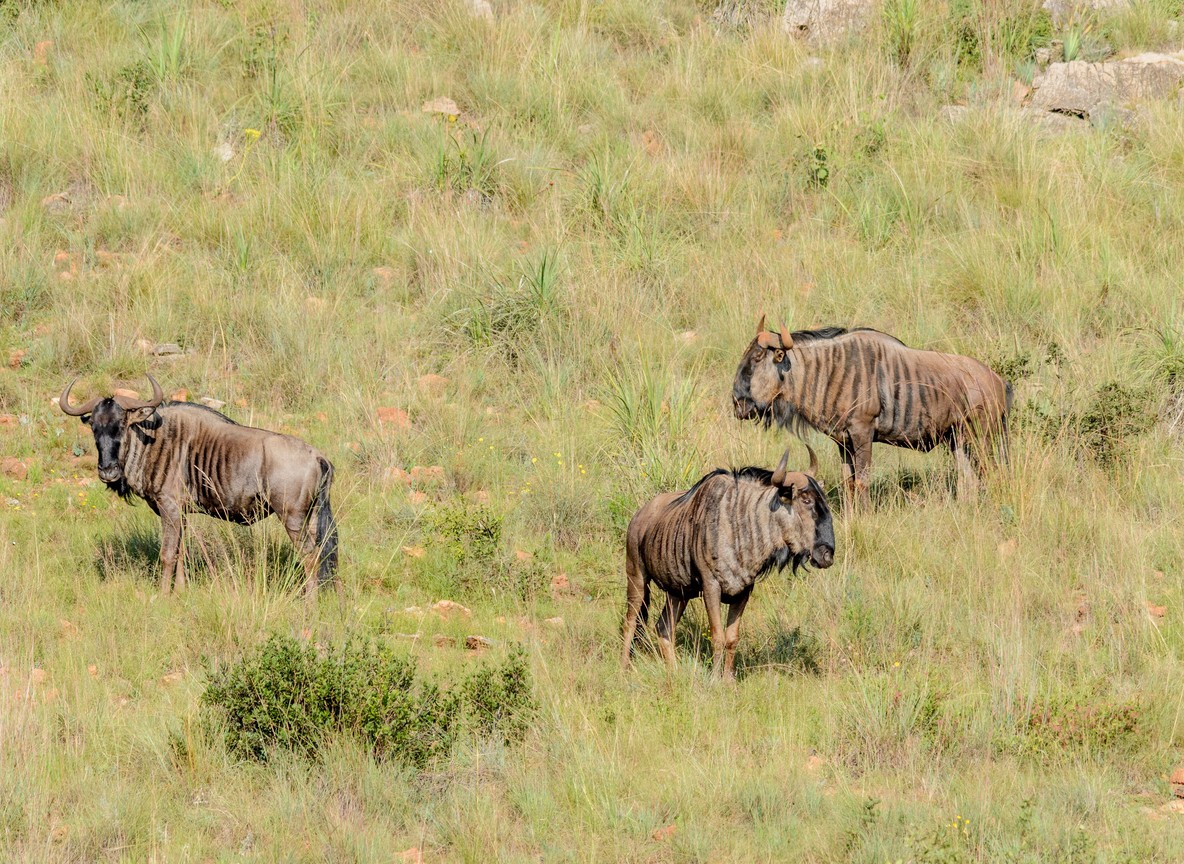
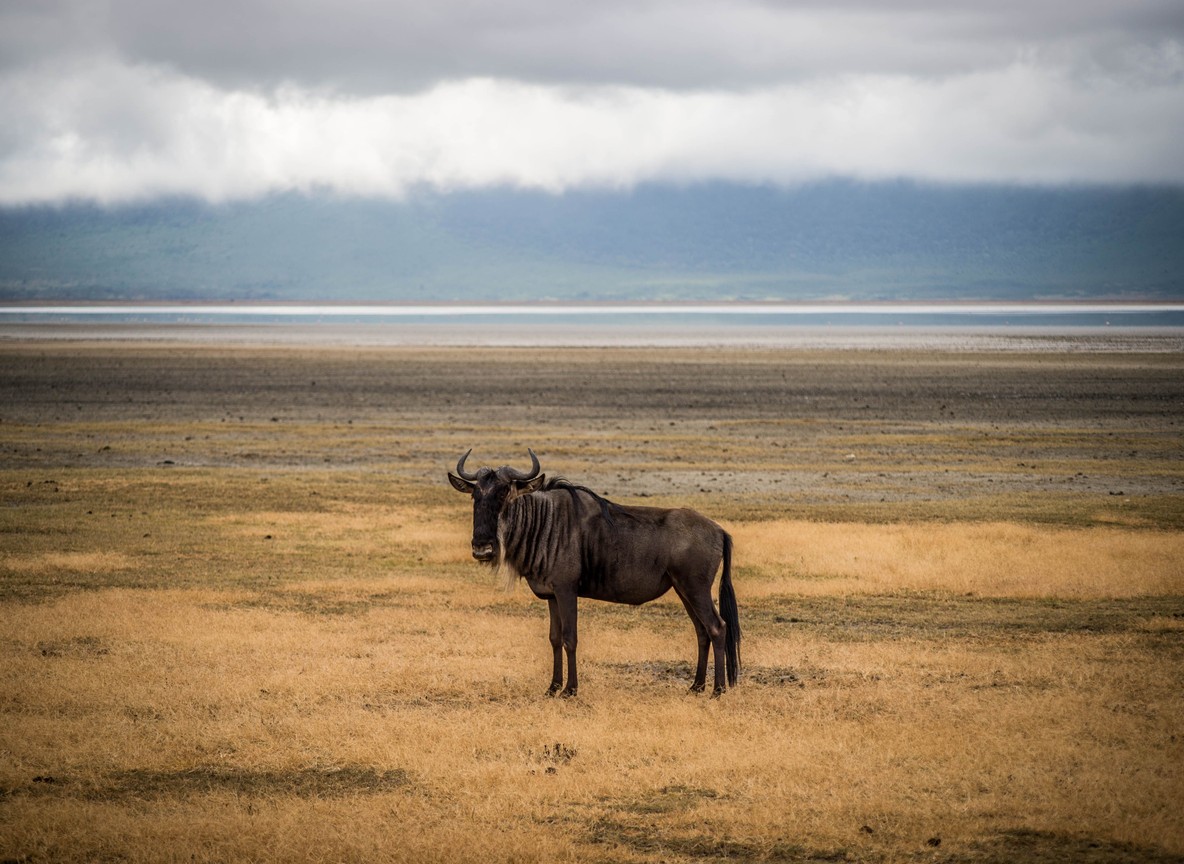
The Great Migration is not a single event. It is a year-round loop of roughly 1.5 million wildebeest and 300,000 zebra moving between the Serengeti in Tanzania and the Masai Mara in Kenya, chasing rain-fed grass. The herds enter Kenya from the Serengeti’s Mara region and cross the Mara River, often more than once, as they search for fresh grazing. For first-timers, the part everyone wants to witness is the river crossing: thousands of animals plunging into crocodile-filled water within a few frantic minutes.
Best Time for a Great Migration Safari
Timing is the single biggest factor in how satisfying your trip feels, and it is where most first-timers go wrong by booking based on general “safari season” advice instead of migration-specific timing.
- July to October: Herds are typically in the Masai Mara, and this is peak crossing season at the Mara River.
- August and September: Widely considered the strongest window for river crossings, with the highest concentration of animals near the river.
- November to December: Herds begin moving south back toward the Serengeti as short rains start.
- January to March: Herds calve on the southern Serengeti plains, not in the Mara, so this is a poor window if the crossing is your priority.
- April to June: Long rains, herds moving north through the Serengeti toward the Mara.
Because crossings depend on rainfall and grass, not a fixed calendar date, no operator can promise an exact crossing day. Trunktrails Safaris builds in 3 to 4 night stays during peak months specifically to raise your odds of seeing one.
Where the Crossings Happen
The Mara River is the main stage, but it is not the only river involved. First-timers should know the key landmarks:
- Mara River: The primary and most dramatic crossing point, with well-known viewing spots near Lookout Hill and Paradise Plain.
- Sand River: Marks the Kenya-Tanzania border in the reserve’s south, and sees an earlier, smaller crossing before the main Mara River event.
- Talek River: A smaller tributary near the Talek Gate area, used by herds moving between conservancies and the main reserve.
Guides from camps such as Governors Camp, Mara Serena Safari Lodge, and Angama Mara track herd movement daily and reposition game drives toward active crossing points, which is one reason camp choice matters as much as timing.
Masai Mara Great Migration Safari Facts at a Glance
| Fact | Detail |
|---|---|
| Reserve size | Approximately 1,510 km² (Masai Mara National Reserve) |
| Distance from Nairobi | Approximately 270 km by road via Narok |
| Road drive time | 5 to 6 hours from Nairobi, depending on the route and road conditions |
| Flight time | Approximately 45 minutes from Nairobi Wilson Airport to Mara airstrips (Musiara, Ol Kiombo, Keekorok) |
| Non-resident park fee | Indicative USD 200 per person per day (Narok County gate rate, 12-hour validity) |
| Main entry gates | Sekenani Gate, Oloolaimutia Gate, Musiara Gate, Talek Gate |
| Peak crossing months | August and September |
| Private conservancy fees | Indicative USD 70 to 100 per person per day, on top of camp rates |
| Adjacent conservancies | Mara North, Naboisho, Olare Motorogi |
Prices above are indicative ranges only. Trunktrails Safaris confirms exact, current gate and conservancy fees at the time of booking, since county rates change without notice.
Getting to the Masai Mara
You have two realistic options from Nairobi. Road transfer takes 5 to 6 hours and covers roughly 270 km, mostly via Narok town, with the last stretch on rougher reserve roads. Flying takes about 45 minutes from Wilson Airport on scheduled light-aircraft services, landing at one of several airstrips inside or near the reserve, including Musiara, Ol Kiombo, and Keekorok. First-timers with limited vacation days should fly. Families or budget travelers with more time often prefer the road transfer, since it doubles as a scenic drive through the Great Rift Valley.
What a Typical Day Looks Like for First-Timers
Most camps run two game drives a day: an early morning drive starting around 6:00 AM to catch predators before the heat, and an afternoon drive from roughly 4:00 PM to sunset. During peak migration months, many camps also offer full-day drives with a packed lunch so guests can wait near likely crossing points, since herds can take hours to build the courage to cross. Expect early wake-up calls, dusty open-sided vehicles, and long stretches of waiting rewarded by a few minutes of genuine chaos at the riverbank.
Reserve vs Private Conservancy: Where Should First-Timers Stay
| Factor | Masai Mara National Reserve | Private Conservancy (Mara North, Naboisho, Olare Motorogi) |
|---|---|---|
| Vehicle density at sightings | Higher, especially near popular crossing points | Lower, limited vehicle numbers per sighting |
| Off-road driving | Not permitted | Usually permitted, closer wildlife access |
| Night drives and walking safaris | Not permitted | Often permitted |
| Cost | Lower gate fee, indicative USD 200/day | Gate fee plus conservancy fee, indicative USD 270 to 300/day combined |
| Best for | First-timers focused purely on migration volume | First-timers wanting a quieter, more flexible experience |
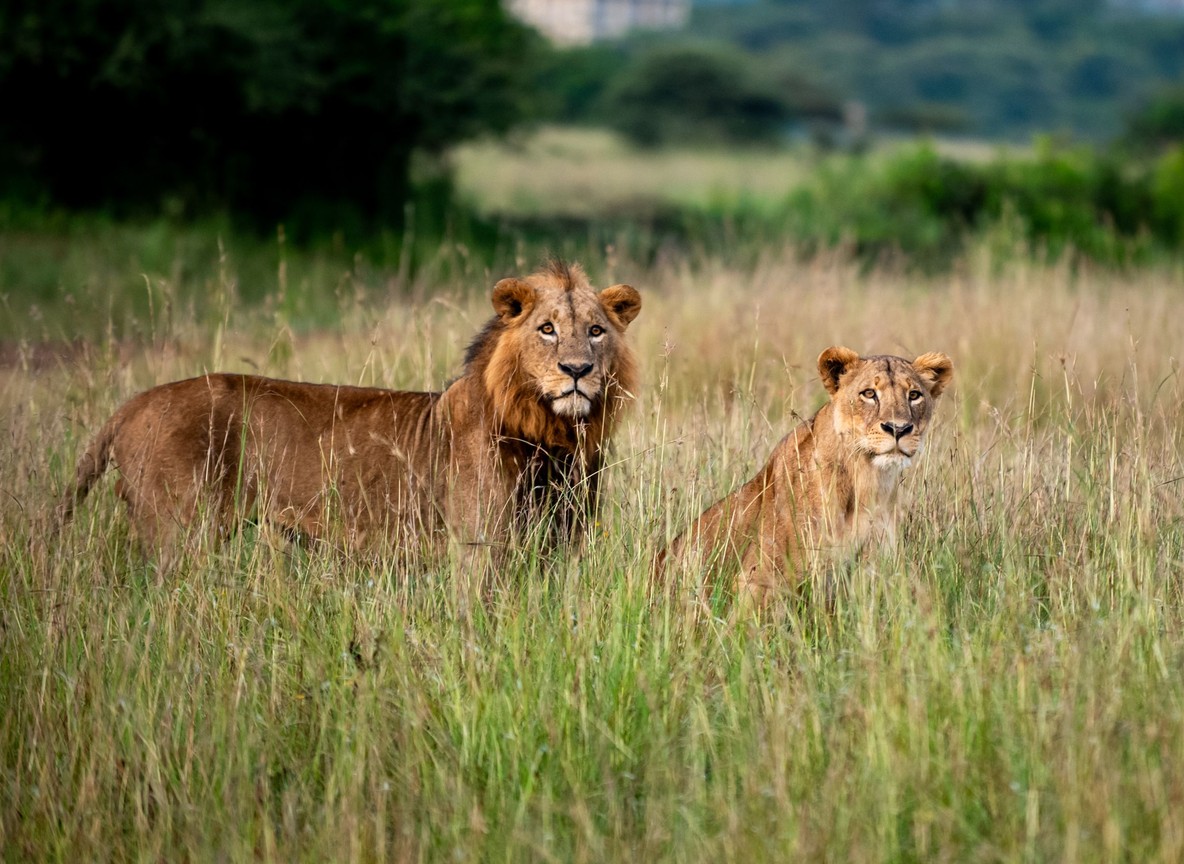
Neither option is wrong. Trunktrails Safaris often recommends splitting a stay, spending nights in the reserve for migration volume and a conservancy stay for quieter game viewing and sundowners.
Packing and Practical Tips for First-Time Safari Travelers
Pack neutral-colored clothing, a wide-brim hat, sunscreen, and a light jacket for cool early mornings, since temperatures can swing from under 15°C at dawn to over 28°C by midday. Bring a zoom lens or binoculars, since crossing points are often 50 to 100 meters from viewing areas for safety. Cash in small USD notes is useful for tips, and a yellow fever certificate may be requested at entry depending on your prior travel history. Malaria prophylaxis is strongly recommended for the Mara region.
Common First-Timer Mistakes to Avoid
Most migration disappointments trace back to a handful of avoidable mistakes rather than bad luck. Booking only one night in the Mara during peak season is the most common error, since a single game drive rarely lines up with an active crossing. Choosing a camp far from the Mara River area and expecting quick access to crossing points is another, since some lodges sit 45 minutes or more from the main river. Skipping travel insurance that covers flight delays is a third mistake, since light-aircraft schedules can shift with weather. First-timers who work with an experienced operator for their tours and safaris avoid these traps because the itinerary accounts for driving distances, camp positioning, and realistic crossing odds from the start.
Photography and Viewing Tips at the River
Arrive at a likely crossing point early and be patient, since herds can gather at the riverbank for hours before committing to cross. A 300mm lens or longer captures the action from the required safety distance, while a wider lens is useful for the surrounding drama of vehicles, crocodiles, and dust. Morning light between 6:30 AM and 8:30 AM tends to give the softest color for photographs, while midday crossings can still happen but under harsher, flatter light. Guides who track herd movement daily, such as those working out of Ol Kiombo and Musiara-area camps, are often the best resource for knowing which bank the herd is massing on before a crossing begins.
The Trunktrails Advantage
Booking a masai mara great migration safari through a native Kenyan-owned operator changes the experience in ways first-timers rarely expect until they compare notes with other travelers. Trunktrails Safaris builds each migration itinerary around actual herd movement reports from guides on the ground that week, not a generic template. We combine reserve nights for crossing odds with conservancy nights for a calmer, closer wildlife experience, and we handle every gate fee, transfer, and camp booking as one coordinated package. Our tours and safaris are priced with clear, upfront ranges, so first-timers never face surprise charges at the gate. Because we are a Kenyan-owned company, our guides bring firsthand knowledge of the Mara’s rivers, gates, and conservancies that generic international brochures simply cannot match.
Plan Your First Great Migration Safari Now
Further reading
- Maasai Mara Wildlife Conservancies Association
- Magical Kenya (Kenya Tourism Board)
- African Wildlife Foundation
More safari planning resources
- Wildebeest migration map from SafariPure
- Wildebeest migration route map from Valley Safaris
- Mara River crossing guide on Touring Insights
- Great Migration safari collection on FindMySafari
If you are ready to see the wildebeest cross the Mara River in person, the next step is simple. Reach out to Trunktrails Safaris on WhatsApp at +254 113 208888 or email info@trunktrailssafaris.com, and tell us your travel window. We will confirm the current migration position, recommend the right mix of reserve and conservancy nights, and build a masai mara great migration safari itinerary around your dates before the best camps for August and September fill up. 🦁🌍