
Malindi Marine National Park: Underwater Photography Guide to Kenya’s Oldest Marine Reserve
Malindi Marine National Park was gazetted in 1968, making it the first marine national park in Kenya and one of the first in Africa. Nearly six decades later, its coral gardens still draw photographers who want clear, shallow water and reef fish that pose close to the lens. This guide covers real distances, fees and light conditions so you can plan a shoot here as part of a wider Kenya tours and safaris itinerary with Trunktrails Safaris.
Malindi sits on the coast north of Mombasa, and the marine park itself is a short boat ride from Malindi town. Underwater photography works best here because the lagoon is shallow, sheltered by an offshore reef, and calm for most of the year. That combination of shallow water and protected shoreline is rare on the East African coast, and it is the main reason serious photographers keep returning to Malindi Marine National Park rather than diving further offshore.
A Quick History of Malindi Marine National Park
The park was established under the Kenya Wildlife Service (then Kenya National Parks) in 1968 to protect the coral gardens south of Malindi town. It was later paired with the larger Malindi Marine Reserve, a buffer zone that allows regulated fishing and boat traffic around the fully protected core. Together with the neighboring Watamu Marine National Park, the two reserves form part of the Malindi-Watamu UNESCO Biosphere Reserve, recognized for the density of coral species packed into a small stretch of coastline.
For photographers, the history matters because it explains why the reef here is so accessible. Decades of no-take protection in the core zone mean coral cover has recovered in places that would otherwise have been stripped by anchor damage and overfishing. Shallow patch reefs sit within easy swimming distance of the beach at Casuarina Point, so you do not need deep-water diving certification to get strong images.
Getting There: Distances, Flights and Drive Times
Most visitors combine Malindi Marine National Park with an inland safari, flying or driving in from Nairobi or Mombasa. Here are the real numbers for planning.
| Route | Distance | Typical Travel Time |
|---|---|---|
| Nairobi (Jomo Kenyatta Intl, NBO) to Malindi Airport (MYD) | approx. 490 km by air | approx. 1 hr 10 min flight |
| Mombasa (Moi Intl, MBA) to Malindi | approx. 120 km by road | approx. 2 to 2.5 hr drive |
| Malindi town to Malindi Marine National Park gate (Casuarina Point) | approx. 5 km | approx. 15 min drive |
| Malindi Marine Park to Watamu Marine Park | approx. 20 km | approx. 30 min drive |
| Malindi to Kisite-Mpunguti Marine Park (near Wasini Island) | approx. 480 km by road | approx. 7 to 8 hr drive (or fly via Mombasa) |
Glass-bottom boats and snorkel trips leave from Casuarina Point and Silversands beach on the edge of Malindi town, and most lodges can arrange a boat transfer directly to the reef.
Entry Fees and Practical Facts
Kenya Wildlife Service sets park fees and reviews them periodically, so treat the figures below as an indicative range to budget against, and confirm the current rate with Trunktrails Safaris or KWS before you travel.
| Item | Indicative Range (USD) | Notes |
|---|---|---|
| Non-resident adult entry | $20 to $25 | Paid at the KWS gate or through your tour operator |
| Non-resident child entry | $10 to $15 | Ages typically 3 to 17 |
| Glass-bottom boat or snorkel trip | $25 to $40 per person | Includes boat, guide and snorkel gear rental |
| Mask, snorkel and fin rental (if not included) | $5 to $10 | Bring your own if you have a preferred fit |
| Underwater camera housing rental (where available) | $15 to $30 per day | Limited availability, book ahead through your lodge |
The core national park zone covers a compact stretch of reef close to shore, while the surrounding Malindi Marine Reserve extends further out and allows licensed fishing boats to operate, which is why your guide will steer you specifically toward the no-take zone for the healthiest coral and the most fish life.
Best Sites and Conditions for Underwater Photography
Visibility in Malindi Marine National Park is generally best at low tide on a calm morning, when sediment has had all night to settle and the sun sits high enough to light the coral without heavy glare. Afternoon trips can work too, but afternoon sea breezes often stir up the shallows.
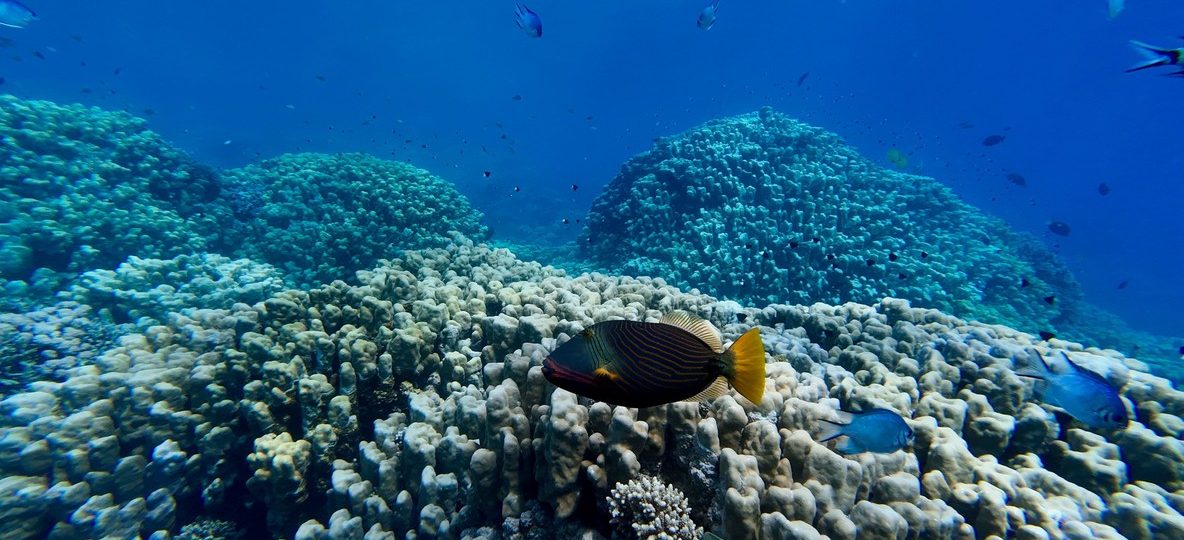
Coral gardens near Casuarina Point are the most reliable spot for macro shots of anemonefish, parrotfish and butterflyfish, since the reef sits in water shallow enough that natural light reaches the bottom without a strobe. Patch reefs further from shore hold larger schools of fusiliers and the occasional green turtle, which makes them worth the extra boat time if you are after wide-angle reef scenes rather than close-up detail.
Gear and Settings for Underwater Photography Beginners
You do not need professional dive gear to get good images at Malindi Marine National Park, since most of the productive reef sits in less than five meters of water and is accessible from a snorkel mask alone.
A simple waterproof case for a phone or compact camera, a fast shutter speed to freeze fish movement, and a mid-morning start for the best light are the three things that make the biggest difference. Polarizing filters help cut surface glare if you are shooting from the boat before you get in the water, and a wide-angle lens attachment suits the shallow coral gardens better than a zoom.
Malindi Marine Park vs Watamu vs Kisite-Mpunguti
Kenya has three main marine parks, and each suits a slightly different kind of trip. Here is how they compare for a photography-focused visit.
| Feature | Malindi Marine National Park | Watamu Marine National Park | Kisite-Mpunguti Marine Park |
|---|---|---|---|
| Established | 1968 (Kenya’s first) | 1968 (same gazettement, paired reserve) | 1978 |
| Distance from Mombasa | approx. 140 km | approx. 115 km | approx. 75 km (via Wasini Island) |
| Best known for | Shallow coral gardens, easy snorkeling | Coral diversity, deeper reef walls | Dolphin sightings, clear offshore water |
| Access | Boat from Casuarina Point / Silversands | Boat from Watamu village | Boat from Shimoni jetty |
| Photography style suited | Macro and shallow reef shots | Wide-angle reef and wall diving | Open-water and dolphin photography |
If your priority is easy, shallow-water photography without a long boat transfer, Malindi Marine National Park is the more practical stop on a coastal itinerary. Trunktrails Safaris typically pairs it with Watamu when time allows, since the two reefs are only about 20 km apart.
Best Time of Year to Visit for Clear Water
The clearest water at Malindi Marine National Park usually falls between the cooler, drier months, when wind and rain contribute less sediment to the lagoon. The wetter months bring more river runoff from the Sabaki River mouth just north of Malindi, which can cloud the water for several days after heavy rain. Checking the tide tables and choosing a low-tide morning slot will do more for your photos than chasing a specific month, but a dry-season trip stacks the odds in your favor.
Where to Stay Near Malindi Marine Park
Several beach properties sit within a short drive of the park gate and can arrange boat transfers directly to the reef.
| Property | Approx. Distance to Park | Style |
|---|---|---|
| DoubleTree Resort by Hilton Malindi | approx. 6 km | Beachfront, full-service resort |
| Driftwood Beach Club | approx. 5 km | Boutique, casual beach lodge |
| Scorpio Villas | approx. 7 km | Self-catering villas |
Reef Etiquette While You Shoot
Good underwater photography and reef protection go together at Malindi Marine National Park. Keep at least a fin-length of distance from live coral, since a single careless kick can snap branching coral that took decades to grow. Avoid standing on the reef flat to steady a shot, and skip sunscreen that is not reef-safe before you get in the water, since some chemical filters bleach coral tissue over repeated exposure. Guides at the KWS gate can point out the marked swim lanes that keep boat traffic away from the densest coral patches, which also happen to be the calmest water for a steady shot.
The Trunktrails Advantage
Trunktrails Safaris builds coastal add-ons around the same care we put into inland game drives. Our guides know the tide tables at Malindi Marine National Park, work with licensed boat operators who respect the no-take zone, and time each trip for the clearest water of the day. As a Kenyan-owned operator, we combine the marine park with nearby lodges and reef access in a single itinerary, so you spend less time coordinating transfers and more time in the water. Every marine excursion we arrange sits inside a wider tours and safaris package, giving you one point of contact from the savanna to the coast.
We also brief every guest on reef etiquette before the boat leaves the jetty, since the health of this coral is what makes the photography possible in the first place, and Trunktrails Safaris treats that protection as part of the job, not an afterthought.
Ready to Photograph the Reef
Picture the moment your mask breaks the surface and a school of fusiliers scatters across a coral garden lit gold by the morning sun. That is what a well-timed morning at Malindi Marine National Park looks like, and Trunktrails Safaris can build the rest of your coastal tours and safaris itinerary around it. 🐠
Further reading
More safari planning resources
- Kenya national parks map from Valley Safaris
- Best time to visit Kenya on Touring Insights
- Diani Beach guide on FindMySafari
- Nairobi to Maasai Mara route guide from Valley Safaris
Reach out on WhatsApp at +254 113 208888, email info@trunktrailssafaris.com, or visit trunktrailssafaris.com to start planning your Malindi Marine National Park photography add-on.