Lake Nakuru National Park Safari: Complete Visitor Guide
Planning a lake nakuru national park safari means answering a handful of practical questions before the wildlife questions even come up. How far is it from Nairobi? Which gate do you use? What does entry actually cost? Can you do it in a day, or do you need a night inside the park? This guide answers all of that with real numbers, not vague estimates, so you can plan the trip with confidence.
At Trunktrails Safaris, Lake Nakuru is one of our most frequently booked parks for tours and safaris because it delivers big wildlife results, rhino, lion, flamingo, and giraffe, inside a compact, well-fenced sanctuary that is easy to reach from the capital. Whether you are adding a single day to a Nairobi stopover or building a full Rift Valley circuit, here is what you need to know before you go. 🦒
Where Lake Nakuru National Park Is and How Big It Is
Lake Nakuru National Park sits inside the Great Rift Valley, roughly 140 to 160 kilometres northwest of Nairobi depending on the route taken. The park itself covers 188 square kilometres, which makes it one of the smaller parks in Kenya’s protected area network, and that compactness is exactly what makes a lake nakuru national park safari efficient. Unlike the Masai Mara or Tsavo, where wildlife-dense zones can be hours apart, Lake Nakuru’s viewpoints, lake shore, and woodland sectors sit close enough together to cover in a single morning or afternoon game drive.
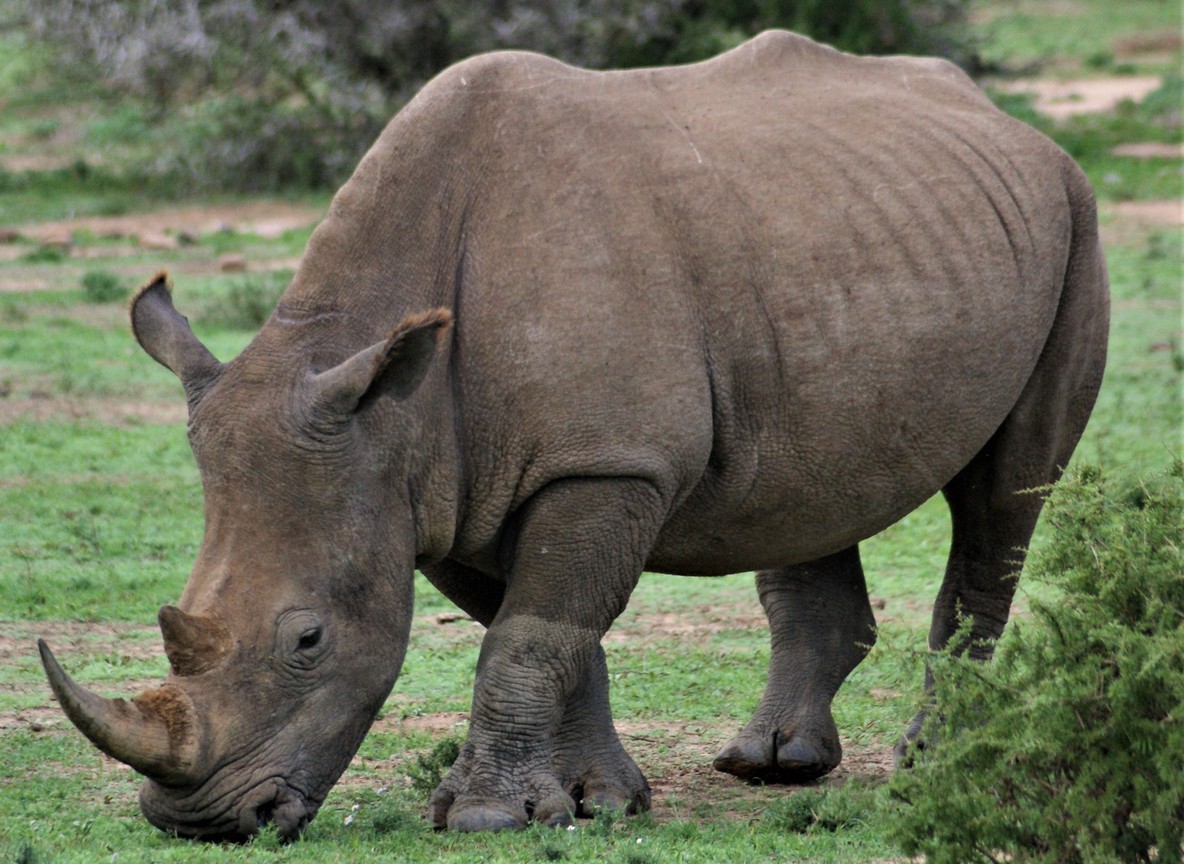
The park has been fully electric-fenced since 2002, a conservation decision that protects its resident population of both black and white rhino from poachers and allows near-guaranteed rhino sightings, something few other Kenyan parks can promise.
Key Facts at a Glance
| Detail | Figure |
|---|---|
| Park size | 188 km² |
| Distance from Nairobi (road) | 140-160 km |
| Drive time from Nairobi | 2.5 to 3 hours via the A104 highway |
| Charter flight time (Wilson Airport to Nakuru airstrip) | Under 1 hour |
| Nakuru town to Main Gate | Approximately 4 km |
| Main access points | Main Gate (Nakuru town side), Lanet Gate, Nderit Gate (south) |
| Key rivers feeding the lake | Njoro, Makalia, and Enderit rivers |
| Park entry fee, non-resident adult (indicative) | USD 60-65 per 24 hours |
| Park entry fee, non-resident child (indicative) | USD 35-40 per 24 hours |
| Elevation | Approximately 1,754 metres above sea level |
Fees and access rules shift with park management updates, so treat the figures above as planning ranges. Trunktrails Safaris confirms current gate fees before every booking.
Getting There: Road, Air, and Which Gate to Use
By road from Nairobi: The standard route runs 2.5 to 3 hours along the A104 highway via Naivasha, dropping down through the Rift Valley escarpment before climbing back up to Nakuru. The road is tarmac and in good condition for most of the drive, and it is the route Trunktrails Safaris uses for the large majority of Lake Nakuru itineraries.
By air: Charter flights from Wilson Airport in Nairobi to the Nakuru airstrip cut travel time to under an hour. This option suits travelers with limited days who still want two or three game drives inside the park.
Choosing a gate: Most visitors enter through the Main Gate, about 4 km from Nakuru town and the closest access point if you are staying at a lodge on the eastern or northern side of the park. Lanet Gate offers a faster approach if you are coming directly off the highway without detouring into town, and Nderit Gate on the southern edge is useful if your route continues toward Lake Naivasha or the Mara afterward. Once inside the fence, the internal murram tracks link all three gates, so the choice mainly affects your entry time, not your game drive options.
Roads inside the park are murram track rather than tarmac, and the loop around the lake shore can turn slick after heavy rain. This is why Trunktrails Safaris runs every Lake Nakuru game drive in a 4×4 safari vehicle with a pop-up roof hatch rather than a standard sedan.
Best Time to Visit
Lake Nakuru is a year-round destination because its resident wildlife, rhino, lion, giraffe, and buffalo, do not migrate. That said, timing still shapes the experience:
- June to September (dry season): Best game visibility, thinner vegetation, easiest driving conditions. Peak season for lodge bookings.
- December to February (short dry spell): Good visibility, warmer days, popular with holiday travelers.
- March to May and October to November (rainy seasons): Fewer crowds, lusher scenery, but muddier tracks and a higher chance of a delayed morning drive.
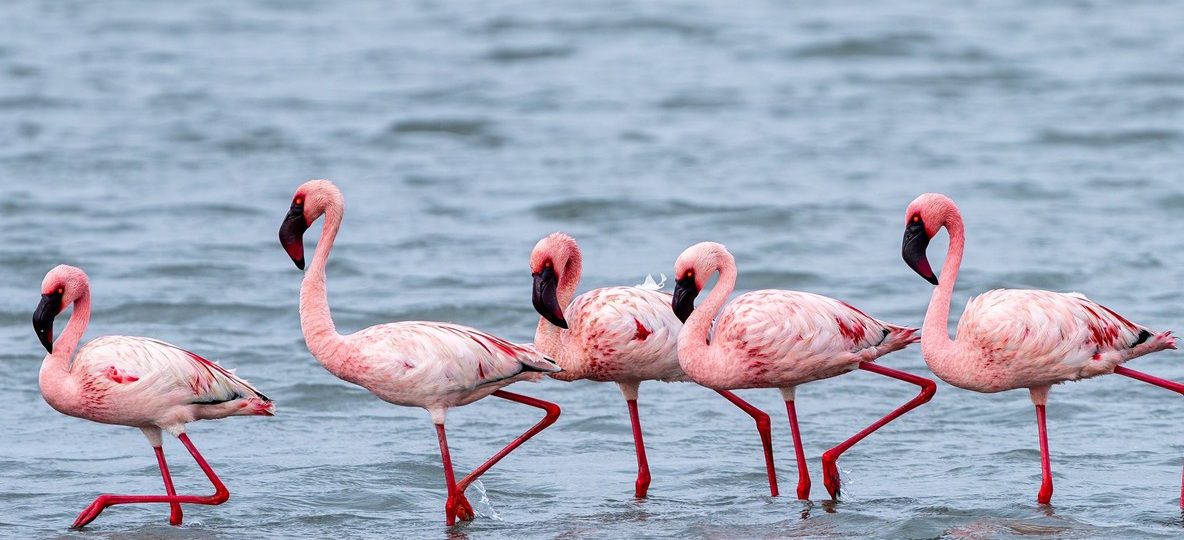
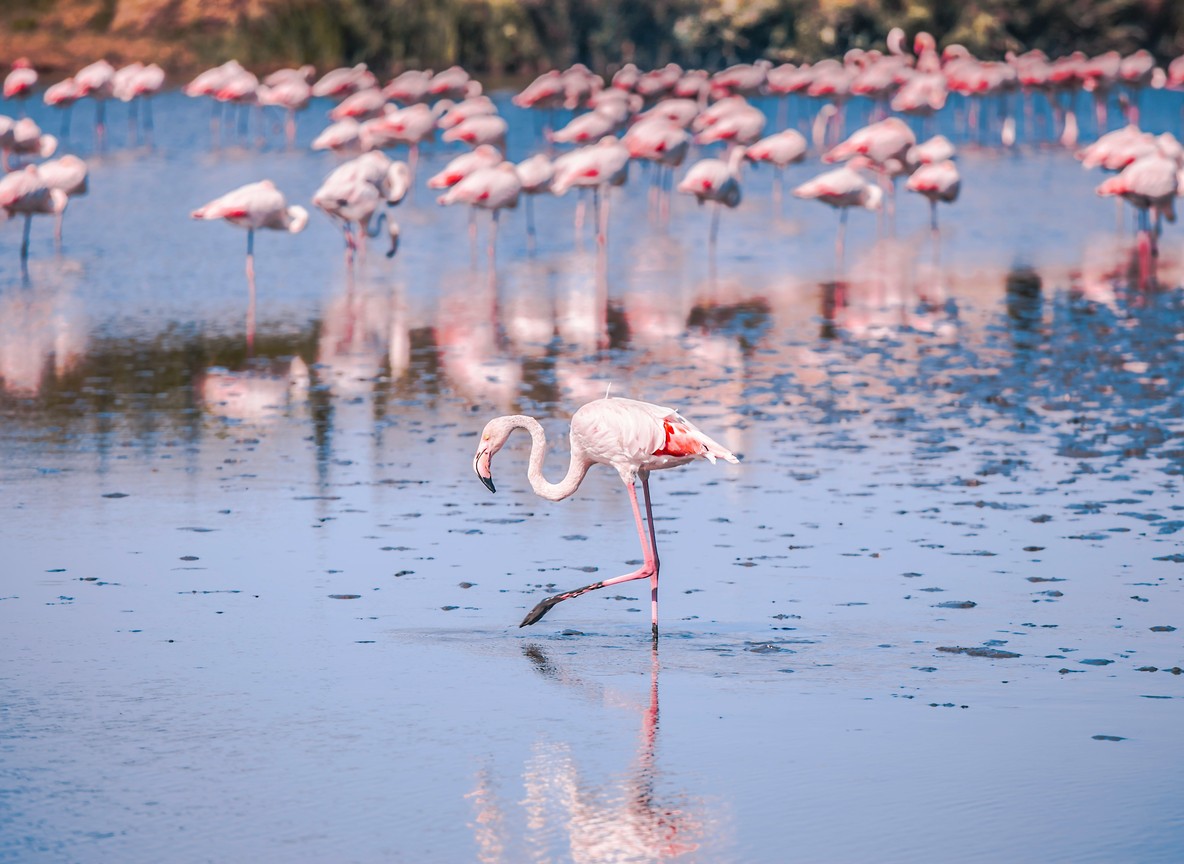
Flamingo numbers at Lake Nakuru fluctuate with the lake’s water levels and algae bloom cycles, so a guaranteed pink shoreline is never something Trunktrails Safaris promises. Some years bring tens of thousands of birds; other years the flocks shift toward Lake Bogoria. We check current sightings before every departure so guests know what to expect.
What You Will See Inside the Park
A lake nakuru national park safari typically covers this wildlife checklist:
- Black and white rhino grazing on open grassland, the park’s signature sighting thanks to the perimeter fence
- Lions, often resting in the acacia groves near Lion Hill
- Rothschild’s giraffe, introduced to the park as part of a national conservation programme
- Flamingos and pelicans along the lake shore, numbers dependent on water and algae conditions
- Buffalo, waterbuck, and warthog across the grassland sectors
- Leopard, present but elusive in the fever tree forest near the lake’s edge
Two standout viewpoints round out most itineraries: Baboon Cliff and the Out of Africa lookout, both offering panoramic views over the lake, and the drive south toward Makalia Falls along the Njoro and Makalia rivers.
Where to Stay: Lodges and Camps Compared
| Lodge or Camp | Location Inside Park | Style | Approx. Distance to Main Gate | Indicative Price Band (per person, per night, full board) |
|---|---|---|---|---|
| Sarova Lion Hill Game Lodge | Lion Hill, above the lake | Thatched hillside chalets, pool, spa | ~5 km | USD 250-450 |
| Lake Nakuru Sopa Lodge | Southern sector, garden setting | Spacious suites, larger grounds | ~10 km | USD 200-380 |
| Flamingo Hill Tented Camp | Near the lake shore, eastern side | Eco-focused tented camp | ~6 km | USD 150-280 |
| Chui Lodge | Interior, elevated position | Mid-range to upper mid-range lodge | ~8 km | USD 200-280 |
| Naishi Guest House (KWS) | Inside the park | Self-catering, budget | Varies | USD 40-70 |
| Mbweha Camp | Just outside, Soysambu Conservancy side | Luxury tented | ~12 km | USD 250-380 |
Staying inside the park fence means you can run morning and evening game drives at the best wildlife hours without a gate re-entry delay, which is the main reason repeat visitors choose an in-park lodge over a Nakuru town hotel.
Day Trip or Overnight? A Straight Comparison
| Factor | Single-Day Trip from Nairobi | Two-Day, One-Night Safari |
|---|---|---|
| Total drive time | 5-6 hours round trip | Same drive, split across two days |
| Game drive hours | 4-5 hours, one session | 10-12 hours across two sessions |
| Best-light game drives (dawn/dusk) | Usually missed due to travel time | Both included |
| Entrance fees | One day’s fee | Two days’ fee (higher total cost) |
| Add-on stops | Rarely possible | Room for Baboon Cliff, Makalia Falls, or a lakeshore walk |
| Indicative price, shared vehicle | USD 180-250 per person | USD 420-650 per person |
| Indicative price, private vehicle | USD 350-550 for up to 3 people | USD 750-1,100 for up to 3 people |
A single day works for travelers with a short Nairobi layover. Anyone wanting a proper look at the park, including the early morning hours when rhino and lion are most active, should budget for the overnight option.
Sample Two-Day Itinerary
- Day 1: Depart Nairobi 07:00, arrive Main Gate or Lanet Gate by 10:30, afternoon game drive toward Baboon Cliff and the lake shore, check into lodge by evening
- Day 2: Early morning game drive at first light, breakfast at the lodge, late morning loop toward Nderit Gate with a stop at Makalia Falls, depart park by early afternoon, return to Nairobi by mid-afternoon
Typical sightings across a two-day visit include both rhino species, giraffe, buffalo, lion, flamingo, and, with good luck, leopard in the fever tree forest.
The Trunktrails Advantage
Trunktrails Safaris is a native Kenyan-owned operator based in Nairobi, and Lake Nakuru is one of our home parks on the Rift Valley circuit. Booking your lake nakuru national park safari with our tours and safaris team gets you:
- A licensed driver-guide who knows the park’s gates, tracks, and current wildlife movement, not a generic itinerary
- Park fees and gate logistics handled in advance, so there are no surprises at the barrier
- 4×4 vehicles with pop-up roof hatches built for the park’s murram tracks, especially after rain
- Direct, Kenyan-owned pricing with no foreign booking platform markup layered on top
- Flexible pacing: a slower second morning, a detour to Makalia Falls, or an add-on to Lake Naivasha, built into your plan before you travel, not improvised on the day
We run tours and safaris through this park year-round and confirm every gate fee and lodge rate before you pay a deposit, so the number you are quoted is the number you pay. ✨
Further reading
More safari planning resources
- Masai Mara Big Five safari from SafariPure
- Rift Valley lakes map from Valley Safaris
- Big Five safari parks guide on Touring Insights
- Big Five safari collection on FindMySafari
Ready to Plan Your Lake Nakuru Safari?
Tell the Trunktrails Safaris team your travel dates, group size, and whether you want a day trip or an overnight stay, and we will build a lake nakuru national park safari itinerary around your pace, confirm current gate fees and lodge availability, and lock in your vehicle. Message us on WhatsApp at +254 113 208888 or email info@trunktrailssafaris.com to start planning with Trunktrails Safaris today. 📸