
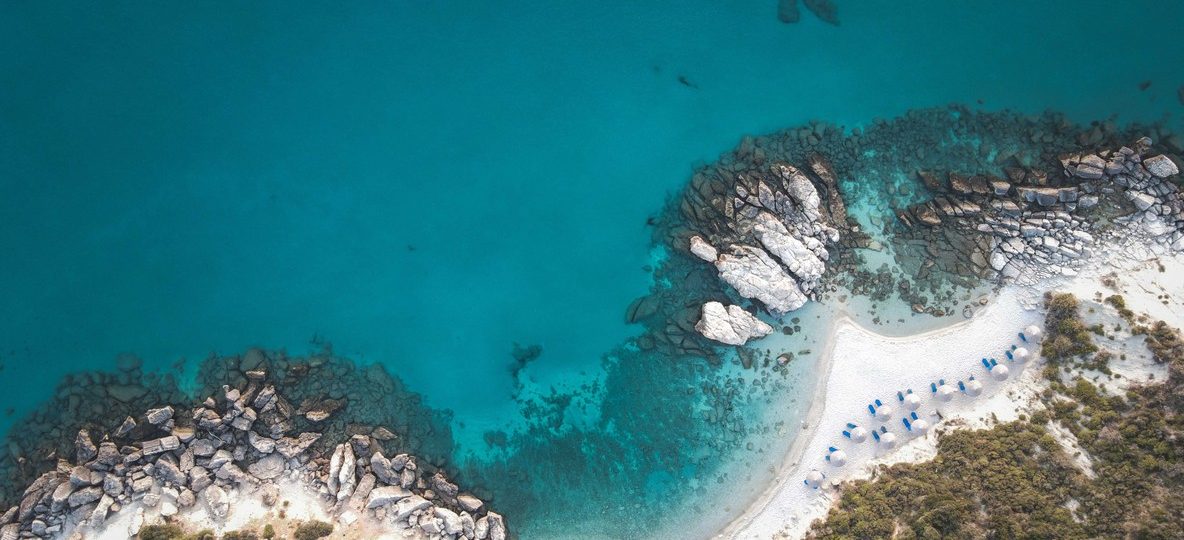
Kisite-Mpunguti Marine Park and Reserve: Dolphins, Coral Reefs and Swahili Heritage Near Wasini 🌍
Most visitors to Kenya’s south coast never leave the sand. Kisite-Mpunguti Marine Park and Reserve is the reason to get in the water instead. This is Kenya’s oldest marine protected area, a cluster of coral gardens and channel reefs off the fishing village of Shimoni, where pods of wild bottlenose and humpback dolphins move through the water beside your boat and a car-free Swahili island waits for lunch. At Trunktrails Safaris, we build tours and safaris that pair this marine park with a coast holiday, because it rewards travellers who want something the beach alone cannot give them. This guide lays out the real numbers, the named places, and a clear plan so you can add Kisite-Mpunguti to your Kenya trip with confidence. 📸
Kisite-Mpunguti Marine Park and Reserve at a Glance: The Facts
Kisite-Mpunguti Marine Park and Reserve sits at the southern tip of Kenya’s coast in Kwale County, close to the Tanzania border. It is made up of two linked protected zones, the Kisite Marine National Park and the Mpunguti Marine National Reserve, gazetted together in 1978 to protect coral gardens, sea turtles and dolphin habitat around a scatter of small islands. Kenya Wildlife Service manages both zones as one destination, and nearly every trip here launches by boat from the village of Shimoni.
The marine park covers a compact area, which is part of what makes it so easy to explore well in a single outing. From Shimoni jetty, boats reach the coral gardens and dolphin grounds in well under an hour, and the whole loop, including a stop on Wasini Island, fits comfortably into a half-day or full-day excursion.
| Kisite-Mpunguti fact | Detail |
|---|---|
| Total protected area | About 39 km2 (28 km2 Kisite Marine National Park core + 11 km2 Mpunguti Marine National Reserve) |
| Gazetted | 1978, one of Kenya’s first marine protected areas |
| Launch point | Shimoni jetty, Kwale County |
| Distance from Mombasa | About 80 km, roughly 1.5 to 2 hours by road |
| Distance from Diani Beach | About 65 km, roughly 1.5 hours by road |
| Nearest airstrip | Ukunda (Diani), about 1 hour flight from Nairobi Wilson Airport |
| Typical boat excursion length | 3 to 4 hours (dolphin search, snorkeling, Wasini stop) |
| Non-resident park entry fee (indicative) | Around 20 USD adult, 15 USD child, confirm current KWS rate with operator |
Always confirm current Kenya Wildlife Service rates and boat operator prices when you book, since marine park fees are reviewed periodically and are separate from the boat charter cost. The figures above are indicative ranges for planning, not fixed quotes.
Dolphin Watching in the Wasini Channel
Kisite-Mpunguti is often called the home of Kenya’s dolphins, and the reputation is earned. The channel between Wasini Island and the Kisite reef system holds a resident population of bottlenose and humpback dolphins, and boats from Shimoni head out early, when the water is calm and the pods are most active near the surface. Sightings are strong but never guaranteed, since these are wild animals moving freely through open water, not a captive show.
Skippers who work this water daily read the signs, birds diving, a change in the current, a ripple pattern, and they cut the engine to let the pod approach on its own terms. Guides briefed by Trunktrails Safaris follow the same code of conduct that keeps this population healthy: no chasing, no crowding, engines idled once dolphins are close. That patience is exactly why the encounters here feel genuine rather than staged, and why wildlife travellers keep returning to this stretch of coast.
Coral Reefs and Snorkeling at Kisite Marine National Park
Once the dolphin search winds down, boats move into the Kisite Marine National Park and Reserve coral gardens, a shallow reef system built around hard and soft corals, sea fans and clear channels between coral heads. Visibility on a calm day regularly exceeds 10 to 15 metres, among the best on the Kenyan coast, which makes this one of the most rewarding snorkel sites in the country for a half-day outing.
Expect parrotfish grazing the reef, clouds of damselfish, moray eels tucked into crevices, occasional reef sharks in deeper channels, and green turtles gliding over the coral. Because the park has protected status since 1978, the coral cover here has fared better than many unprotected reefs along the coast, and a marine ranger typically briefs snorkelers on no-touch, no-stand rules before anyone enters the water. Bring your own mask if you have one, though most boat operators carry gear, and reef-safe sunscreen is worth packing since sunscreen chemicals damage coral tissue over repeated exposure.
Wasini Island: A Car-Free Swahili Village
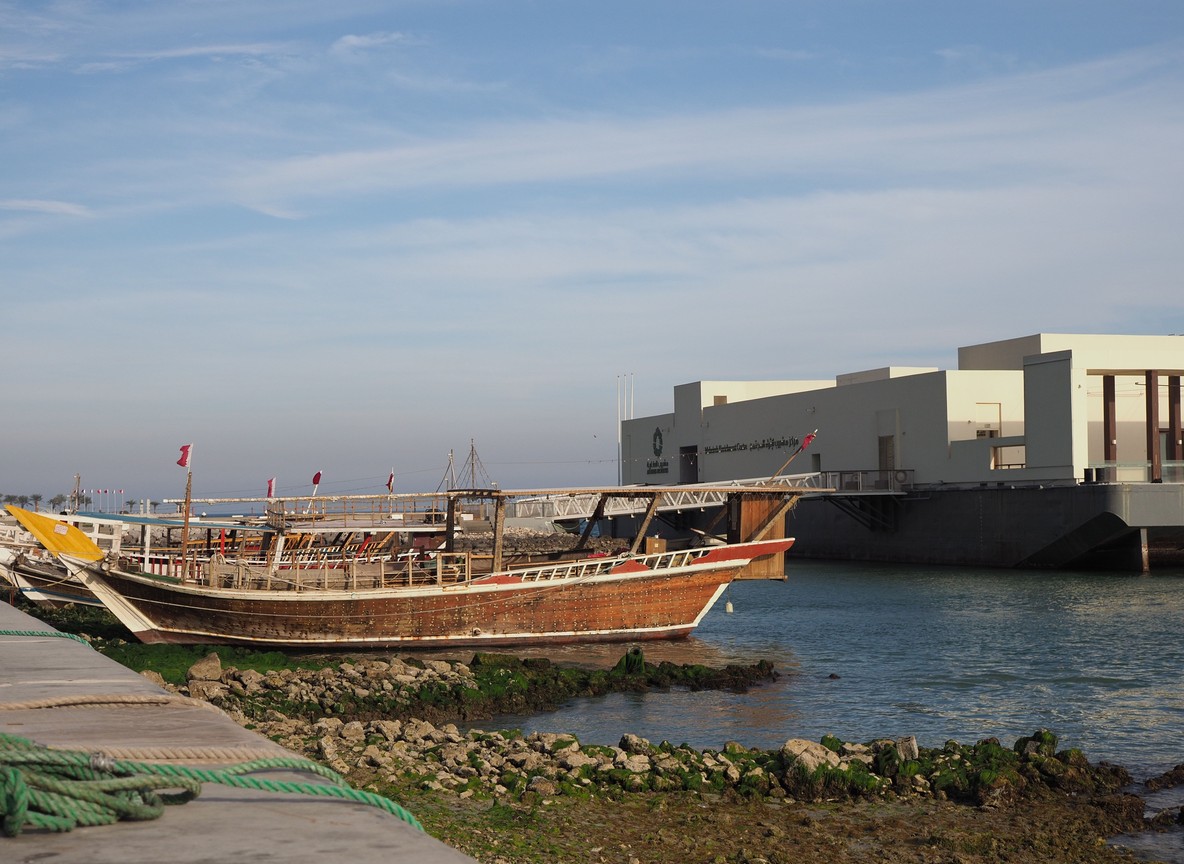
The boat trip’s second half usually lands on Wasini Island, a coral rag island with no cars and no paved roads, home to a Swahili and Digo fishing community that has lived off this channel for generations. Coral block houses line narrow sandy paths, dhows rest on the tide line, and the island’s boardwalk cuts through a mangrove forest and a preserved coral garden of fossilised coral formations, a short, easy walk that most visitors combine with lunch.
Lunch on Wasini is part of the ritual for most tours, typically a fresh seafood spread of grilled fish, crab and coconut rice served at a village restaurant near the jetty, Charlie Claw’s is the long-standing name most operators use. This is where the trip’s cultural layer shows itself. Wasini is not a resort built for tourism, it is a working fishing village that opened part of its shoreline to visitors, and treating it that way, buying from the women’s boardwalk stalls, tipping guides fairly, matters to the community that depends on this income.
Shimoni: Slave Caves and Coastal History
Before the boat departs, most itineraries pause in Shimoni itself, a small town with a heavier history than its quiet harbour suggests. The Shimoni Slave Caves, a coral limestone cave system that once held captives during the 19th century East African slave trade, sit a short walk from the jetty and remain one of the south coast’s most sobering heritage sites. Guided visits explain the caves’ role in the trade route that ran through this channel toward Zanzibar, a difficult but important piece of Kenyan coastal history that pairs meaningfully with the natural beauty of the marine park.
Shimoni’s name, meaning “place of the hole” in Swahili, refers directly to these caves. For travellers drawn to the question of what makes a destination worth choosing, Kisite-Mpunguti answers with three distinct layers in one outing: wild dolphins, protected coral reef, and a Swahili heritage site that few beach visitors ever see.
Kisite-Mpunguti vs Watamu Marine Park: How the Two Compare
Kenya’s coast has two well-known marine parks, and travellers often ask which to prioritise. Here is how Kisite-Mpunguti compares with Watamu Marine National Park on the north coast near Malindi.
| Factor | Kisite-Mpunguti Marine Park | Watamu Marine National Park |
|---|---|---|
| Location | South coast, Shimoni, Kwale County | North coast, near Malindi |
| Distance from Mombasa | About 80 km south | About 120 km north |
| Signature wildlife | Bottlenose and humpback dolphins, green turtles | Green and hawksbill turtles, coral gardens |
| Boat launch point | Shimoni jetty | Watamu jetty |
| Cultural add-on | Wasini Island village, Shimoni Slave Caves | Gede Ruins (short drive) |
| Typical excursion | 3 to 4 hour boat trip | Glass-bottom boat, 2 to 3 hours |
| Best paired with | Diani Beach stay | Malindi or Watamu beach stay |
Both parks reward a snorkeler, and neither replaces the other. If your coast base is Diani or Mombasa, Kisite-Mpunguti is the natural choice, and the Wasini and Shimoni add-ons give it a cultural depth that a same-day Watamu trip does not typically include. Trunktrails Safaris runs tours and safaris to both coasts, so we can advise which fits your itinerary best.
Best Time to Visit Kisite-Mpunguti Marine Park
Kisite-Mpunguti is a year-round destination, but sea conditions shift with the monsoon winds that define the Kenyan coast calendar.
| Period | Season | What to expect |
|---|---|---|
| December to March | Kaskazi (north-east monsoon) | Calm seas, best visibility, prime dolphin and snorkel season |
| April to June | Long rains | Rougher seas, some trips cancelled, lowest visitor numbers |
| July to October | Kusi (south-east monsoon), cooler | Good visibility returns, steady dolphin sightings, whale season overlap in some years |
| November | Short rains | Mixed conditions, improving toward December |
December through March and July through October are the two windows Trunktrails Safaris recommends most, since calmer water means better snorkeling visibility and a smoother ride out to the reef.
Where to Stay for a Kisite-Mpunguti Trip
Almost nobody sleeps on Wasini Island itself, since accommodation there is limited. Most travellers base themselves in Shimoni or along Diani Beach and treat Kisite-Mpunguti as a full-day or half-day excursion.
| Base | Location | Style | Good to know |
|---|---|---|---|
| Shimoni Reef Lodge | Shimoni | Beachfront lodge | Closest base to the jetty, early boat departures |
| Pilli Pipa dhow excursions | Departs Shimoni | Day-trip operator | Long-running dolphin and snorkel dhow safaris |
| Leopard Beach Resort | Diani Beach | Upper beach resort | Popular base for a Kisite-Mpunguti day trip |
| Baobab Beach Resort | Diani Beach | All-inclusive resort | Family-friendly, easy transfer to Shimoni |
| Diani Reef Beach Resort | Diani Beach | Luxury beach resort | Comfortable coast base with spa facilities |
Basing at Diani and running Kisite-Mpunguti as a full-day trip is the most common and practical pattern, since it avoids moving hotels for a single excursion.
The Trunktrails Advantage
At Trunktrails Safaris, a Kisite-Mpunguti excursion is never a rushed add-on stapled to a beach holiday. As a Kenyan-owned operator with real roots on this coast, we work with boat skippers who know the channel’s tides, the reef’s no-touch etiquette and the dolphin pods’ daily patterns, so your morning on the water is timed for the calmest seas and the best sightings. We handle the KWS park permits, the Wasini lunch reservation and the Shimoni Slave Caves guide booking before you arrive, so nothing gets left to chance on a day with a fixed boat departure. Every Trunktrails Safaris transfer runs on schedule, because a late arrival at Shimoni jetty means a missed slot. When you book tours and safaris with us, you get a Kenyan team that understands the difference between a tourist boat ride and a properly guided marine safari, and we build your itinerary so the dolphins, the reef and the heritage sites all fit into one well-paced day. ✨
Plan Your Kisite-Mpunguti Day From the Coast
Kisite-Mpunguti Marine Park and Reserve gives you what the beach cannot: wild dolphins in open water, some of the clearest reef snorkeling on the Kenyan coast, a car-free Swahili island, and a heritage site that tells a harder, older story. Choose the December-to-March or July-to-October windows for the calmest seas, and pair the trip with a Diani base for the easiest logistics.
Further reading
More safari planning resources
- Kenya national parks map from Valley Safaris
- Best time to visit Kenya on Touring Insights
- Diani Beach guide on FindMySafari
- Best time to visit Kenya month-by-month map from Valley Safaris
Let Trunktrails Safaris build that day around your coast holiday. Message us on WhatsApp at +254 113 208888, email info@trunktrailssafaris.com, or visit trunktrailssafaris.com to start planning. Tell us your beach dates, and we will put you on the water with the dolphins, the reef and the island we are proud to show every guest. 🌅