
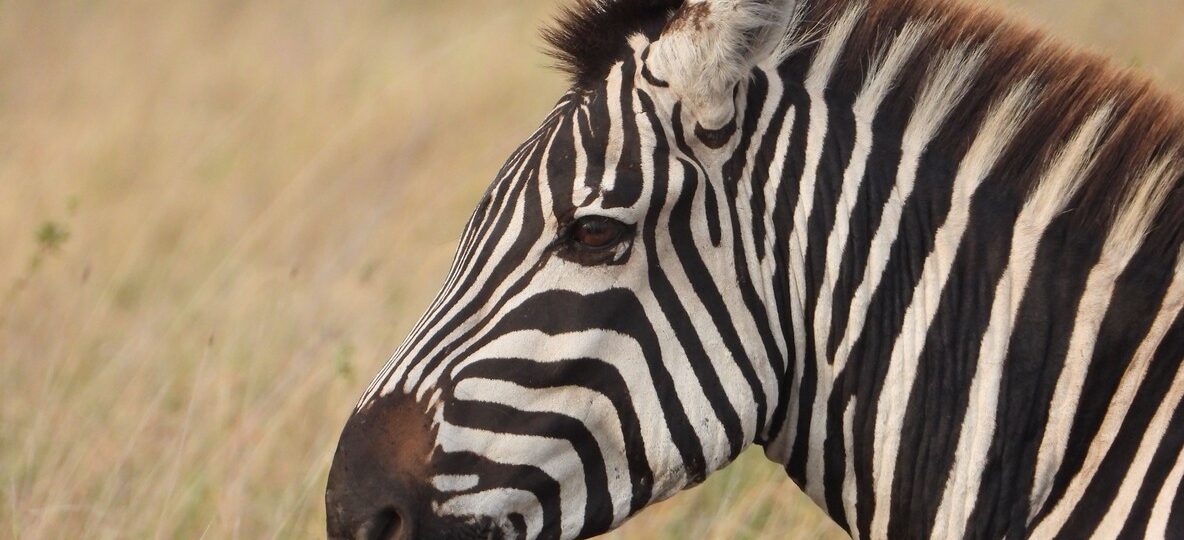
Kenya Safari in September: Late-Migration Magic Across Every Park
A Kenya safari in September is the trip that seasoned guides quietly book for themselves. The wildebeest are still crossing the Mara River, the long dry season keeps animals packed around shrinking waterholes, and the heavy August crowds have started to fade. You get the same drama for a calmer, often cheaper experience. At Trunktrails Safaris, we run more September departures than almost any other month, because the wildlife odds are simply that good. 🦁
This guide walks you through what to expect across every major park, with real park fees, drive times and a packing list you can actually use. As a native Kenyan operator, we plan tours and safaris around the way the season actually behaves on the ground, not the way a brochure describes it.
Why a Kenya Safari in September Beats the August Crowds
August gets the headlines. September gets the results. By early September the peak-season rush has eased, lodge availability opens up, and many camps drop from high-season to shoulder-season rates. The wildlife, however, has not read the calendar. The Great Migration typically lingers in the Masai Mara until the short rains begin in late October or November, so September sits squarely inside the crossing window.
The long dry spell that runs from June through October is still in full effect. Grass is short, bush is thin, and animals concentrate near permanent water. That combination gives you longer sightlines and denser game than the green months. For photographers and first-timers alike, a Kenya safari in September delivers the classic scenes with fewer vehicles crowding each one. ✨
There is a practical upside too. Because September is a shoulder month, camps that would be fully committed in August often release space, and rates soften just enough to matter. Families travelling after the northern-hemisphere summer, and retirees who prefer calmer plains, both find September easier to book than the peak weeks. You get high-season wildlife on a slightly gentler budget and a much gentler pace.
Kenya Weather in September: What to Actually Expect
September falls inside Kenya’s long dry season, so most days are bright, warm and reliable for game drives. Mornings and evenings can be genuinely cold, especially in the highlands and open plains, while midday sun is strong. Rain is possible but usually brief.
| Region | Typical September daytime | Morning low | Conditions |
|---|---|---|---|
| Masai Mara | 24-27°C | 11-13°C | Dry, dusty, prime crossings |
| Amboseli | 26-29°C | 12-14°C | Clear Kilimanjaro mornings |
| Samburu | 30-34°C | 18-20°C | Hot, arid, riverine game |
| Laikipia highlands | 22-25°C | 8-10°C | Cool, crisp, low rainfall |
| Tsavo | 28-32°C | 16-18°C | Hot, dry, red-dust plains |
The takeaway for anyone planning a Kenya safari in September: pack for a 20-degree swing between dawn and noon, and expect dust rather than mud.
Masai Mara in September: The Late Migration Crossings
The Masai Mara National Reserve covers roughly 1,510 km2 and sits about 270 km from Nairobi. In September the Mara River crossings are the headline act. Herds gather on the Serengeti side, hesitate, then plunge across at traditional points near the Mara Triangle and the Talek and Sand River areas, dodging some of the largest crocodiles in Africa.
For the best odds, base yourself near the river. Camps around the Musiara, Ol Kiombo and Mara Serena airstrips put you within an early-morning drive of the main crossing points. The private conservancies bordering the reserve, including Mara North, Olare Motorogi and Naboisho, add night drives and off-road access that the main reserve does not allow, so many of our tours and safaris pair a reserve stay with a conservancy night or two.
Amboseli in September: Kilimanjaro at Its Clearest
If a photo of an elephant beneath a snow-capped Kilimanjaro is on your list, Amboseli in September is your best shot at it. The dry air of the season strips haze from the sky, and the mountain most often reveals itself just after dawn and again near sunset. Amboseli National Park is compact at about 392 km2 and sits roughly 240 km from Nairobi, a four-hour drive or a 45-minute flight.
September’s dryness pushes Amboseli’s big elephant herds toward the central swamps fed by Kilimanjaro’s meltwater, so sightings cluster in a predictable, photograph-friendly zone. Lodges like Ol Tukai, inside the park, and Tortilis Camp, near the Kitirua Conservancy, give you fast morning access to the swamp circuit. 🐘
Beyond the Mara: The Best Parks in Kenya for September
The Mara steals attention, but September rewards travellers who go further. Samburu National Reserve in the arid north, about 165 km2 along the Ewaso Ng’iro River, offers the Special Five species you will not see down south: Grevy’s zebra, reticulated giraffe, Somali ostrich, gerenuk and Beisa oryx. The river draws elephant and big cats to its banks all through the dry months.
Tsavo East and Tsavo West together form one of the largest protected areas on Earth, and their red-dust elephants and Mzima Springs are at their most dramatic in the dry season. Tsavo West’s Mzima Springs pushes clear water up through volcanic rock, drawing hippo, crocodile and a constant parade of thirsty plains game to an underwater viewing chamber. Up in Laikipia, Ol Pejeta Conservancy pairs rhino conservation, including the world’s last two northern white rhinos, with cool highland game drives and a chimpanzee sanctuary you will not find in any national park.
A well-built Kenya safari in September often strings two or three of these regions into one loop. A popular pattern runs Amboseli for Kilimanjaro views, then a short flight north to Samburu for the Special Five, and finally the Mara for the crossings, so no single day is spent entirely behind the wheel. Because these parks sit in different rainfall zones, a multi-park route also spreads your risk: if one afternoon clouds over, the next region is usually still bright.
Park Fees, Distances and Drive Times: The September Facts
Here is the concrete data most guides leave out. Fees below are indicative 2026 non-resident conservation rates and should be confirmed at the time of booking, as county and KWS rates change.
| Park / Reserve | Size (km2) | From Nairobi | Drive / Flight | Indicative fee (non-resident/day) |
|---|---|---|---|---|
| Masai Mara Reserve | ~1,510 | ~270 km | 5-6 h / 45 min | ~USD 100-200 |
| Amboseli NP | ~392 | ~240 km | 4 h / 45 min | ~USD 60 |
| Samburu NR | ~165 | ~325 km | 6 h / 1 h 15 | ~USD 70 |
| Tsavo East NP | ~13,747 | ~330 km | 5 h / 1 h | ~USD 52 |
| Tsavo West NP | ~9,065 | ~230 km | 4.5 h / 1 h | ~USD 52 |
| Ol Pejeta (Laikipia) | ~360 | ~200 km | 3.5-4 h / 45 min | ~USD 100 |
| Lake Nakuru NP | ~188 | ~160 km | 2.5-3 h / n/a | ~USD 60 |
Flights out of Nairobi’s Wilson Airport connect to bush airstrips including Ol Kiombo and Musiara for the Mara, Empusel for Amboseli, and Samburu airstrip in the north. Flying saves hours and shows you the country from above, though a road transfer through the Great Rift Valley is a memorable drive in its own right.
What to Pack for a September Safari
Your September safari packing list should solve one problem above all: temperature swing. Layers beat bulk every time.
- Warm fleece or insulated jacket for pre-dawn drives, especially in Laikipia and the Mara
- Neutral, breathable long sleeves and trousers for strong midday sun and dust
- A wide-brim hat, high-SPF sunscreen and lip balm for the dry air
- A buff or scarf to keep river-crossing dust out of your camera and lungs
- Binoculars and a zoom lens; crossings and cats happen at distance
- Refillable water bottle and a small daypack for long game drives
We send every Trunktrails Safaris guest a tailored checklist once your route is confirmed, because packing for Samburu’s heat differs from packing for a chilly Laikipia dawn. 📸
The Trunktrails Advantage
Booking a Kenya safari in September is about timing and access, and that is where a native Kenyan operator earns its keep. Trunktrails Safaris guides live and work in these ecosystems year-round. We know which Mara crossing points run late into the season, which Amboseli mornings give the clearest Kilimanjaro, and how to route a multi-park loop so your drive days stay short and your game-drive days stay long.
We hold no inventory we have not personally inspected, we cap our vehicles for genuine window seats, and we build each itinerary around your pace, whether you are an unhurried retiree, a wildlife photographer chasing the Special Five, or a family seeing Africa for the first time. Our tours and safaris are private by default, so your September is yours, not a shared schedule. As a Kenyan-owned company, every trip you take with us keeps more of your spend inside the communities and conservancies that protect this wildlife. 🌍
Your September Window Is Open Now
September crossings do not wait, and the best river-view camps sell out months ahead. If a late-migration Kenya safari is on your horizon, now is the moment to lock your dates while the prime lodges still have space. Message our team today and we will map a September route built around exactly the parks and wildlife you came for.
Further reading
More safari planning resources
- Best time to visit Kenya month-by-month map from Valley Safaris
- Best time to visit Kenya on Touring Insights
- Amboseli destination guide on FindMySafari
- Map of Amboseli from Valley Safaris
Talk to Trunktrails Safaris now: WhatsApp +254 113 208888, email info@trunktrailssafaris.com, or visit trunktrailssafaris.com to start planning your September tours and safaris. Your crossing is waiting. 🦒