Kenya Photography Safari Workshops: How to Choose the Right One in 2026
Picking the right kenya photography safari workshop guide comes down to four things: the camp’s vehicle setup, its access to hides or private conservancy land, its resident photographer support, and whether its dates line up with the light and wildlife behavior you actually want to shoot. Kenya now has dozens of camps marketing “photography safaris,” but only a handful run true photographic vehicles and hides. The rest are standard game-drive lodges with a camera bag graphic added to their brochure. 📸
This guide breaks down the real differences with named camps, real fees, and real vehicle specs, so you can compare options before you commit. Trunktrails Safaris builds photography-focused itineraries around these exact criteria, matching camp choice to the season and subject each guest actually wants to photograph.
Kenya Photography Safari Workshops by the Numbers
Before comparing camps, it helps to see the actual figures that separate a genuine photography workshop from a standard safari with extra marketing language.
| Factor | Real Figure | Where It Applies |
|---|---|---|
| Dedicated photography vehicle premium | USD 150-350 extra per person, per day | Angama Mara, Kicheche Mara Camp, Governors’ Camp |
| Ground-level hide access fee | USD 40-80 per session, often bundled into camp rate | Naboisho Conservancy hides, Mara North hides |
| Masai Mara National Reserve conservation fee | USD 80-100 per day (Narok County rate) | Maasai Mara National Reserve |
| Amboseli National Park entrance fee | USD 60-70 per day, non-resident | Amboseli National Park |
| Samburu National Reserve entrance fee | USD 65-70 per day, non-resident | Samburu National Reserve |
| Nairobi to Maasai Mara (Musiara/Ol Kiombo airstrips) | 45 minute flight, or 270 km / 5-6 hour drive | Maasai Mara ecosystem |
| Nairobi to Amboseli National Park | 45 minute flight, or 240 km / 4 hour drive | Amboseli National Park |
| Nairobi to Samburu National Reserve | 1 hour flight, or 325 km / 6 hour drive | Samburu National Reserve |
| Photography-led camp rate | USD 500-900 per person, per night, all-inclusive | Angama Mara, Elephant Pepper Camp, Saruni Samburu |
| Standard safari lodge rate | USD 300-600 per person, per night, all-inclusive | Broader Maasai Mara and Amboseli lodge market |
Rates shift with season and camp occupancy, so treat these as planning ranges. Trunktrails Safaris confirms current camp rates and hide availability before every booking.
What Makes a Photography Safari Different From a Standard Game Drive
A standard game drive vehicle seats six to seven guests across three rows, which means at least two people never get a clean shooting angle. A dedicated photography vehicle caps at four to five guests, gives each person a window or corner seat, and carries beanbags, bean-bag rails, or gimbal mounts fixed to the door frame.
Resident photographers or photography guides matter just as much as the vehicle. Camps like Angama Mara and Kicheche Mara Camp employ guides trained specifically in positioning for light, not just wildlife tracking. They know when to cut the engine, how to read a pride’s movement toward a sunset angle, and when a sighting is not worth crowding for a shot.
Masai Mara Photographic Hides: What They Actually Offer
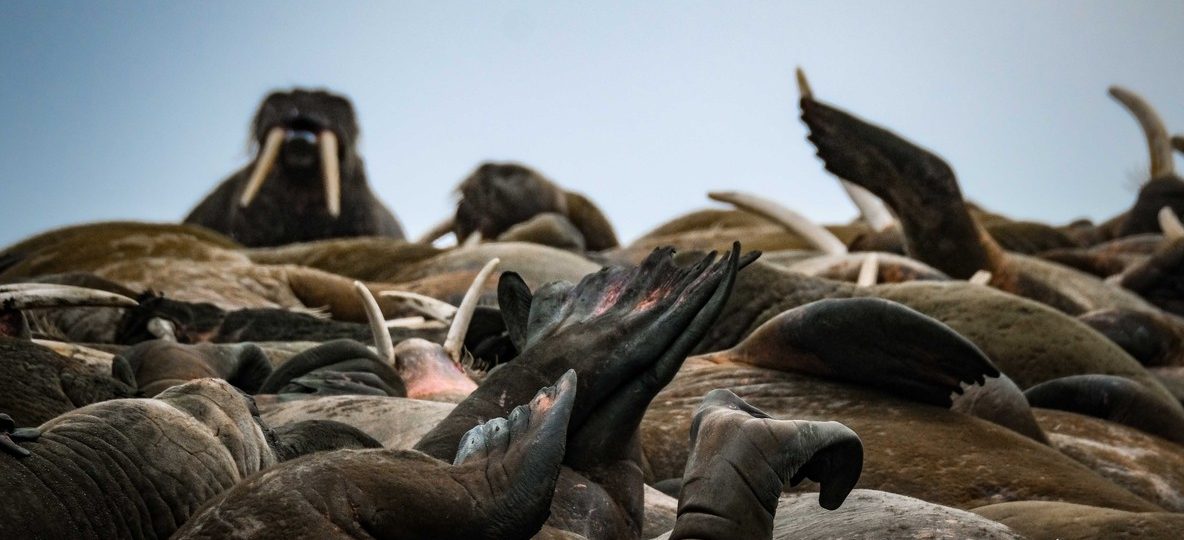
Ground-level hides put your camera at eye level with wildlife instead of shooting down from a vehicle roof, which changes the entire feel of an image. Naboisho Conservancy and Mara North Conservancy both operate low, sunken hides positioned at waterholes, giving photographers a genuine eye-level angle on elephants, lions, and passing plains game.
Hide sessions typically run two to three hours and cost USD 40 to 80 per session where they are not already bundled into the camp rate. Access is limited to guests staying at conservancy-partnered camps, so hide use is one of the clearest signals that a camp is genuinely built for photography rather than just offering it as an add-on activity.
When to Visit Kenya for a Photography Safari Workshop
Light and subject matter both shift by season, so the right month depends on what you want to photograph. The July to October dry season brings the Great Migration river crossings to the Mara River and Talek River areas, with dust-lit action shots and dramatic crossing sequences. The short rains in November bring greener backdrops and dramatic storm-light skies over the plains, which many photographers prefer for landscape and portrait-style wildlife images.
January to March offers the clearest air and sharpest long lens conditions in the Mara and Amboseli, with Amboseli’s famous elephant herds photographed against Mount Kilimanjaro on clear mornings. Samburu’s dry season, roughly June to September and January to March, concentrates wildlife at the Ewaso Nyiro River, making it easier to predict animal movement for a workshop schedule.
Best Photography Safari Camps in Kenya
Not every camp on a “photography safari” list actually runs photographic vehicles or resident guides. These are camps with a documented photography infrastructure.
| Camp | Location | Photography Feature |
|---|---|---|
| Angama Mara | Oloololo Escarpment, Maasai Mara | In-house photographic studio, gimbal-fitted vehicles, resident photographers |
| Kicheche Mara Camp | Mara North Conservancy | Dedicated photography vehicles, beanbag equipment, small guest numbers |
| Governors’ Camp | Maasai Mara National Reserve | Long-standing photographic safari program, experienced specialist guides |
| Elephant Pepper Camp | Mara North Conservancy | Low guest-to-vehicle ratio, conservancy hide access |
| Saruni Samburu | Kalama Conservancy, Samburu | Photography-focused game drives, cultural and landscape subject variety |
Kenya Wildlife Photography Tour Cost: What You’re Paying For
A photography-dedicated trip costs more than a standard safari for specific reasons, not just branding. You are paying for a lower guest-to-vehicle ratio, which usually caps at four guests instead of six or seven. You are paying for guide expertise in light and positioning rather than general wildlife spotting alone. You are also paying for hide access, extended golden-hour drive times that standard schedules do not always allow, and camera-specific gear like beanbags or gimbal mounts maintained on-site.
Expect a premium of USD 150 to 350 per person per day over a standard safari lodge rate for a true photography-dedicated camp and vehicle. That premium buys fewer people competing for the same shot and a guide who prioritizes your angle over ticking off a sighting checklist.
Photographic Safari Vehicles: What to Look For
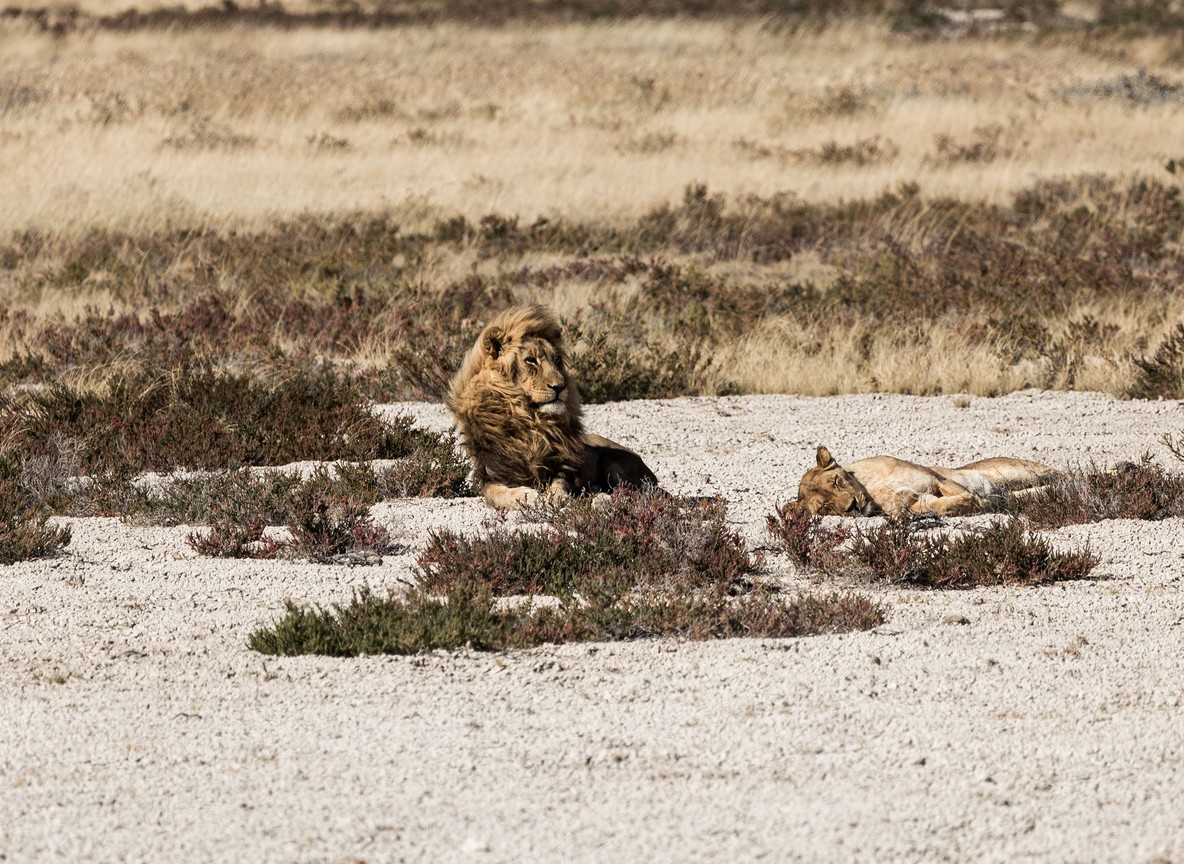
Before booking, ask specifically about the vehicle configuration. A genuine photographic safari vehicle has open sides or large sliding windows on every seat, not just the front row. It carries beanbags or a rail-mounted gimbal system, and it seats no more than four to five guests so nobody is shooting over someone else’s shoulder.
Ask whether the vehicle has a swivel seat option and whether guides will reposition for light rather than simply parking at the nearest angle. Standard shared safari vehicles, common on group tours, rarely meet these standards even when marketed as photography-friendly.
Standard Safari vs Dedicated Photography Workshop
| Feature | Standard Safari | Dedicated Photography Workshop |
|---|---|---|
| Guests per vehicle | 6-7 | 4-5 |
| Vehicle equipment | Standard seating, roof hatch | Beanbags, gimbal mounts, open sides |
| Guide focus | Wildlife spotting and general commentary | Light, positioning, and shot composition |
| Hide access | Rarely included | Often included or available for a fee |
| Golden hour flexibility | Fixed drive schedule | Extended or adjusted for light conditions |
| Indicative nightly rate | USD 300-600 per person | USD 500-900 per person |
Questions to Ask Before You Book a Photography Workshop
Ask the camp directly how many guests share each vehicle and whether that number is fixed or variable by season. Ask whether beanbags, gimbal mounts, or swivel seats are actually on-site rather than available on request only. Confirm whether hide access is included in the rate or billed separately, and ask whether guides have documented photography training or simply general safari guiding experience.
A camp that answers these questions with specific details, not vague reassurance, is more likely to deliver a genuine photography-focused trip.
The Trunktrails Advantage
Trunktrails Safaris is a Kenyan-owned tours and safaris operator, and we match photography-focused clients to camps that meet the standards in this guide, not just ones that market themselves that way. We confirm vehicle configuration, guest-per-vehicle ratios, and hide access directly with each camp before booking, so there are no surprises on arrival.
Our team times itineraries to the season that matches your subject, whether that is migration river crossings, elephant herds against Kilimanjaro, or dry-season predator activity at Samburu’s river. We also build in flexible golden-hour scheduling with our tours and safaris partners rather than locking guests into a fixed drive timetable. As a Kenyan-owned operator, Trunktrails Safaris works directly with conservancy partners controlling hide access, so photography guests get priority booking rather than a waitlist. 🦒
Plan Your 2026 Photography Workshop With Trunktrails Safaris
Choosing the right kenya photography safari workshop guide means matching vehicle setup, hide access, and season to what you actually want to photograph, not just picking the camp with the best marketing photos. Trunktrails Safaris can walk you through which camps fit your subject and budget before you commit.
Reach out to our tours and safaris team and tell us what you want to shoot, whether that is a river crossing, a hide-level portrait, or Kilimanjaro backdrops. We will build a 2026 itinerary around the light and wildlife you came for.
Further reading
More safari planning resources
- Best time to visit Kenya month-by-month map from Valley Safaris
- Best time to visit Kenya on Touring Insights
- Masai Mara destination guide on FindMySafari
- Nairobi to Maasai Mara route guide from Valley Safaris
WhatsApp: +254 113 208888 Email: info@trunktrailssafaris.com Website: https://trunktrailssafaris.com
Photography-dedicated camps run small guest numbers by design, and peak season dates fill quickly. Get your Trunktrails Safaris photography workshop dates confirmed now. ✨