
Kakamega Forest Reserve: The Western Kenya Safari You Haven’t Planned Yet
Most Kenya safari itineraries follow the same well-worn loop: Nairobi, the Masai Mara, perhaps Amboseli for the elephants. That route is magnificent. But after you’ve done it once, or twice, a different question starts to form: what else is there?
Kakamega Forest Reserve has the answer. 🌍
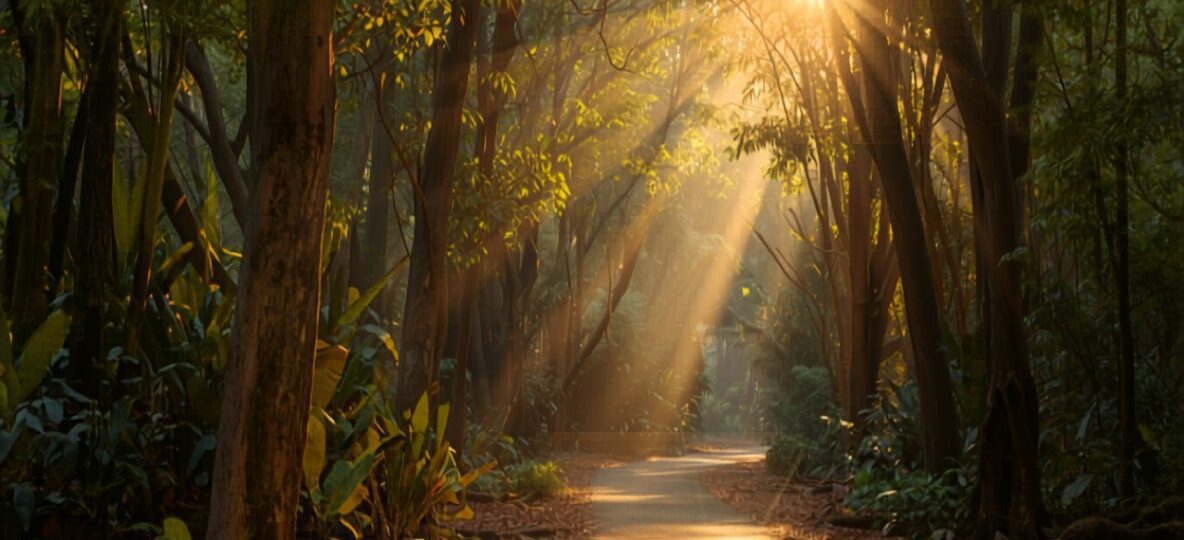
Kenya’s only intact equatorial rainforest sits in the country’s western highlands, less than 50km north of Kisumu on Lake Victoria. It is ancient, quiet, and startlingly alive. The trails are gentle. The air is cool. The pace is entirely your own.
For active retirees who have earned the right to travel slowly, Kakamega Forest Reserve is the most rewarding safari decision in western Kenya. This guide tells you exactly how to plan it: how to get there, where to stay, what to do at a comfortable pace, and how to combine the forest with a broader western Kenya circuit.
Why Retirees Are Discovering Kakamega Forest Reserve
The Masai Mara is built for spectacle. Kakamega is built for attention.
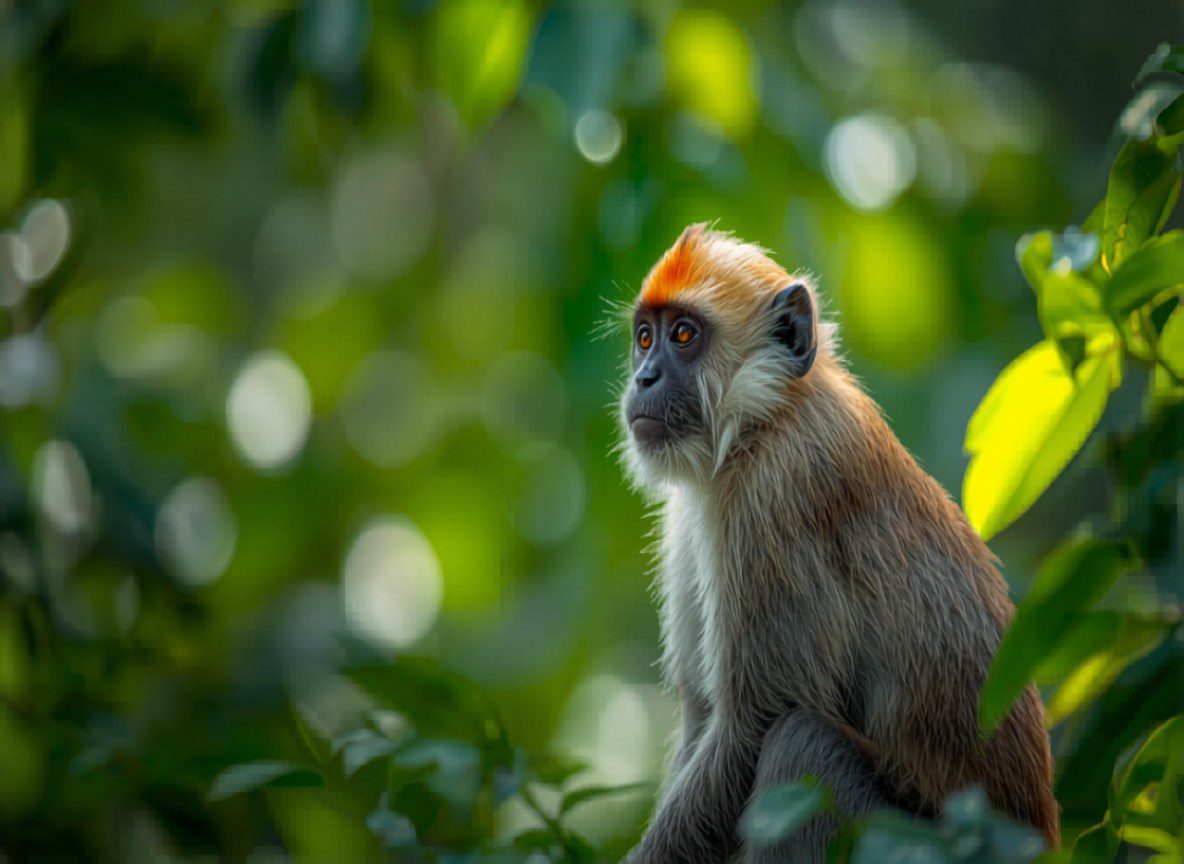
At the Mara, you scan a vast horizon for movement. At Kakamega, you stand still and let the forest come to you. A Great Blue Turaco flies overhead – a flash of crimson wings and electric blue plumage. A De Brazza’s monkey watches you from a fig branch ten metres up, utterly unbothered. A bush viper sleeps coiled around a moss-covered branch, perfectly camouflaged until your guide points, quietly, to exactly where to look.
None of this requires speed. None of it demands physical exertion beyond a gentle morning walk. What it demands is exactly what experienced travelers have: the willingness to slow down, observe, and let the experience arrive on its own terms.
Kakamega covers roughly 44,000 hectares of ancient Guinea-Congolian forest – the easternmost remnant of the great equatorial forest belt that once stretched from West Africa to the Rift Valley. Its biodiversity is unlike anything else in Kenya. If you want the full picture on its remarkable bird life, our Kakamega Forest birding safari guide covers the species in depth. For this guide, the focus is on how you plan and execute the visit itself – a very different question, and one that sits at the heart of any good western Kenya safari itinerary.
Getting to Kakamega Forest: Fly-In vs. Road from Nairobi
This is the first practical decision and it shapes everything that follows.
Our recommendation for retirees: fly in. Every time.
The road journey from Nairobi to Kakamega takes five to six hours in good traffic, longer if conditions are poor. The road is largely tarmac and the views through the Rift Valley can be scenic, but six hours in a vehicle is a significant physical commitment at the start or end of a trip.
The fly-in option is straightforward and, for most travelers, worth every shilling of the difference in cost.
| Route | Method | Journey Time | Our Recommendation |
|---|---|---|---|
| Wilson Airport → Kisumu | Safarilink or Fly540 (scheduled) | ~1 hour flight | Yes – strongly recommended for retirees |
| Kisumu Airport → Kakamega Forest | Road transfer (arranged by Trunktrails) | ~50 minutes | Comfortable tarred road |
| Nairobi → Kakamega Forest | Road (private 4×4) | 5-6 hours | Acceptable if combining with Nakuru or Nandi Hills stops |
| Nairobi → Kakamega Forest | Public matatu connections | 6-8 hours + connections | Not recommended |
Wilson Airport is Nairobi’s domestic terminal, about 8km from the city centre. Scheduled flights to Kisumu run several times daily and seats fill quickly in peak season. Safarilink operates reliable connections on this route. Trunktrails Safaris arranges both the flight booking and the road transfer from Kisumu Airport to your lodge – you land, someone is waiting, and within an hour you are at the forest edge.
If you are building a longer western Kenya circuit (more on this below), road travel between regional stops makes good sense. But for the Nairobi-Kakamega leg specifically, flying saves your knees, your energy, and the better part of a travel day.
Where to Stay at Kakamega Forest Reserve: Rondo Retreat and KWS Options
Accommodation at Kakamega divides cleanly into two tiers: Rondo Retreat Centre and the KWS guest houses. They serve different needs and budgets, and choosing between them is one of the most practical planning questions you will face.
Rondo Retreat Centre: The Premium Option
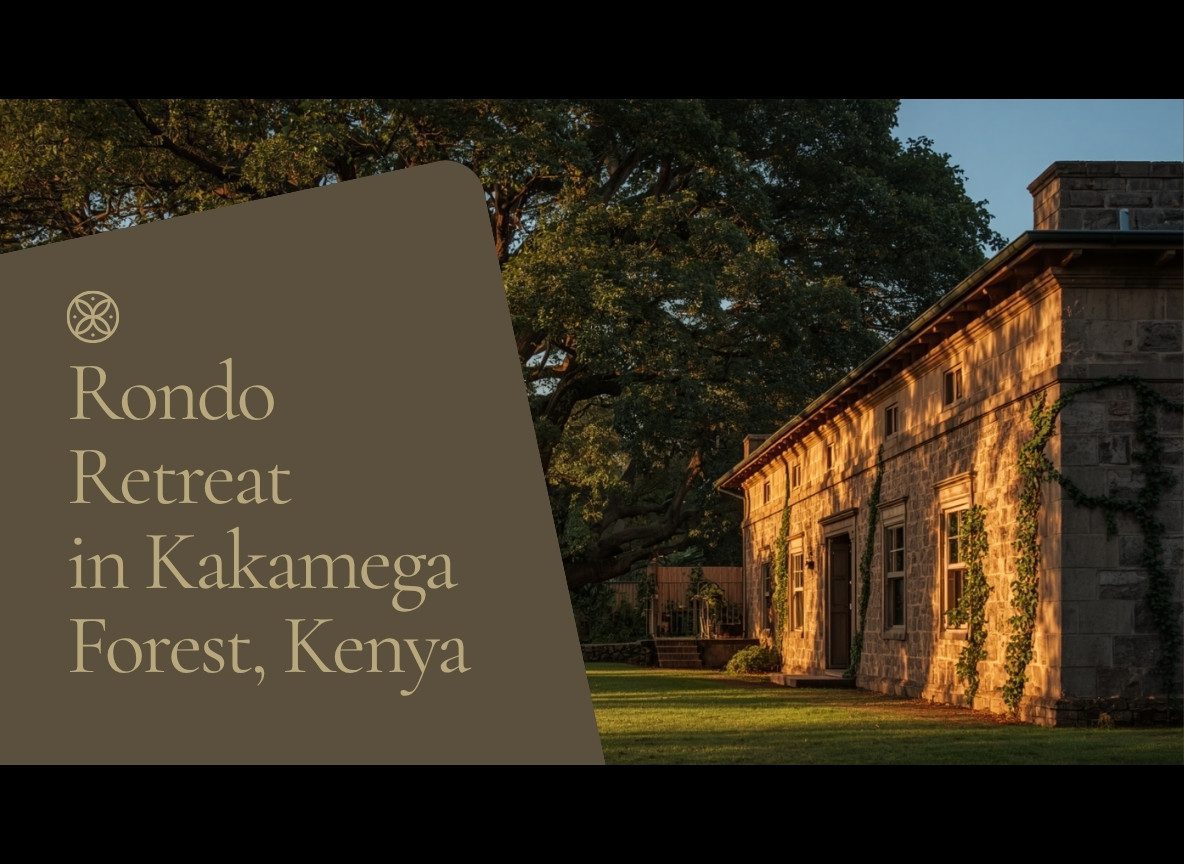
Rondo Retreat is the standout choice for comfort-conscious travelers. Built by British missionaries in the 1940s, the property sits inside the forest itself – not adjacent to it. Stone-walled cottages with open fireplaces, a farmhouse-style dining room, and lawns that back directly onto the forest edge.
The setting is calm, the rooms are genuinely comfortable, and the pace of the place matches exactly what most retirees want: no rushing, good food, early-morning birding walks from the doorstep, and evenings by the fire. Rondo’s staff are attentive and the kitchen produces straightforward, well-cooked meals. This is not a luxury tented camp in the Mara sense – it is something older and, in its own way, more rewarding.
Book Rondo well in advance if you are visiting during the dry season (June to September). It is popular with birders and conservation researchers and fills up.
KWS Guest Houses: The Simpler Alternative
Kenya Wildlife Service operates several basic guest houses within the reserve at the Buyangu and Isecheno stations. These are clean, functional, and substantially less expensive than Rondo. They suit travelers who prefer direct KWS-managed accommodation, want proximity to specific trailheads, or are combining the forest with a broader KWS-focused trip. Meals need to be arranged separately or self-catered.
For most first-time visitors who prioritize comfort and a managed experience, Rondo is the recommendation. If budget is a primary consideration, KWS guest houses are perfectly workable.
What to Do at a Comfortable Pace: Trails, Wildlife, and Walking Routes
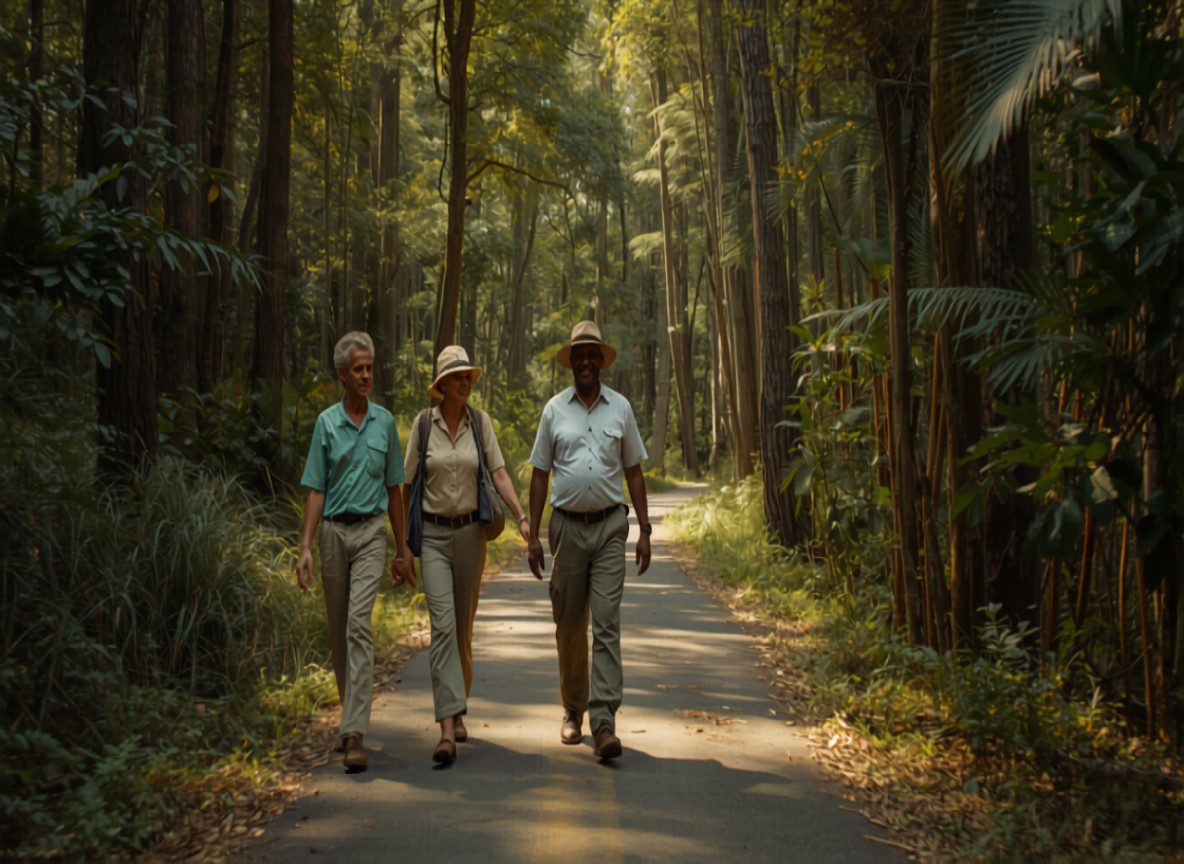
Kakamega Forest Reserve is a walking destination. That is both its beauty and its accessibility: you do not need a vehicle, you do not cover vast distances, and you are never more than a short walk from something extraordinary. ✨
The trails range from thirty-minute loop walks to half-day routes through deeper sections of the forest. Terrain is varied but not challenging – mostly well-maintained footpaths through forest understory and along stream beds. Good walking shoes with ankle support are recommended; trainers work on the shorter trails but can become slippery on wet sections.
What you can realistically do at a gentle pace:
- Morning forest walk (1.5-2 hours): The best wildlife activity in the reserve. Start at dawn when the forest is most active. Monkeys feed in the canopy, turacos move between fruiting trees, and the light through the canopy is genuinely beautiful. Your guide sets the pace. There is no obligation to cover ground quickly.
- Afternoon butterfly walk: Kakamega hosts over 400 butterfly species. A short afternoon walk to open glades and stream margins is a different experience entirely from the dawn bird walk – quieter, slower, and often more meditative.
- Buyangu Hill viewpoint: The one slightly more energetic option, and entirely optional. The climb takes about 45 minutes each way and rewards you with panoramic views over the forest canopy. Many visitors choose to go up and take a vehicle back down.
- Night walk with a guide: For those who want it, a guided night walk reveals a different forest – bush babies, tree frogs, and the calls of nocturnal birds. This is an optional extra, not a default activity.
The key practical point is this: Trunktrails guides lead all walks at the group’s pace. There is no pressure, no rushing to cover a checklist. If you want to spend forty minutes watching a single colobus monkey, your guide will stand quietly beside you and tell you everything he knows about it.
The Western Kenya Circuit: Kakamega, Kisumu, and Nandi Hills in 3-4 Days
Kakamega Forest Reserve pairs naturally with two other western Kenya destinations to form a compact, varied, and deeply satisfying circuit. This is one of the most underrated multi-destination combinations in all of Kenya.
The circuit:
- Kakamega Forest Reserve – 2 nights minimum (the forest destination)
- Kisumu + Lake Victoria – 1 night (Kenya’s second-largest city; boat trips on Africa’s largest lake, sunset over the water, fresh tilapia at the lakeside)
- Nandi Hills – 1 night optional (tea estates, cool highland air, morning mist over the valleys, walking through working tea gardens)
The total driving distances between these three stops are modest: Kakamega to Kisumu is 50km; Kisumu to Nandi Hills is about 40km. These are comfortable, unhurried road transfers – the kind of driving that is part of the experience rather than a chore.
What makes this circuit work for retirees:
- No game drives over broken terrain. The roads between stops are tarred and well-maintained.
- Each destination offers a completely different landscape and atmosphere.
- The pace is entirely flexible. Three nights is a comfortable minimum; four nights allows for proper rest days.
- Trunktrails Safaris handles all transfers, accommodation bookings, and guide arrangements across all three stops.
This circuit is also an excellent addition to a longer Kenya itinerary – fly Nairobi to Kisumu, do the western Kenya circuit over four days, then fly back to Nairobi for onward travel to the Mara or the coast.
Best Time to Visit Kakamega Forest Reserve for Comfortable Conditions
Kakamega receives rainfall throughout the year – it is a rainforest, after all. But the dry season offers meaningfully better conditions for walking and wildlife observation, particularly for visitors who prioritize comfort over absolute wildlife intensity.
Best time for retirees: June to September (dry season)
- Trails are drier and firmer underfoot. Less mud, better grip on forest paths.
- Humidity is lower than in the wet season, making walking more comfortable.
- Wildlife is more concentrated around water sources and forest clearings.
- Rondo Retreat is at its most atmospheric: cool evenings, log fires, crisp morning air.
What the wet seasons offer:
- March to May and October to November bring heavier rains. The forest is extraordinary in the wet – vivid green, alive with fungi, frogs, and insect activity. But trails become muddy and some sections are harder to navigate.
- Bird activity peaks during the wet season, and some species are more visible.
- Fewer visitors means a more private experience.
For most retirees planning a first visit, dry season (June to September) is the practical recommendation. The forest is accessible, the guides can cover more ground, and the experience of comfortable walking through ancient forest is precisely what you came for.
The Trunktrails Advantage at Kakamega Forest
Most Kenya safari operators know the Masai Mara. Very few know Kakamega.
Trunktrails Safaris has worked in western Kenya for years. We maintain direct relationships with the guides and properties at Kakamega Forest Reserve. When you book a Kakamega tour through us, you are not being handed a generic itinerary assembled from a database. You are working with a team that knows which trails suit your pace, which guide to request, and how to combine Kakamega with Kisumu and Nandi Hills in a way that flows.
As a native Kenyan-owned safari operator based in Nairobi, we design every safari around the traveler – not around what is easiest for us to run. Our tours and safaris are built from scratch for each client. That means if you want two full mornings at Rondo before moving to Kisumu, we build that in. If you prefer a vehicle on standby during longer walks, we arrange it. 🐘
Our western Kenya tours and safaris include:
- Fly-in logistics: Wilson to Kisumu flights booked and confirmed before departure
- All road transfers: Comfortable private 4×4 throughout the circuit
- Specialist forest guides: Naturalist guides who lead walks at your pace
- Accommodation pre-booked: Rondo Retreat and circuit properties confirmed in advance
- 24/7 direct operator support: You have Micah’s number. If anything needs adjusting on the ground, one message reaches us directly.
Our 5% conservation contribution from every booking goes directly to active wildlife protection programmes in Kenya’s forest ecosystems. Your Kakamega tours and safaris funds the forest you are walking through.
Planning Your Kakamega Forest Tour: Where to Begin
You’ve done the Mara. You’ve watched the elephants at Amboseli. Now you want something that rewards a different kind of attention.
Kakamega Forest Reserve is that trip. It is best experienced with three or four days, a good guide, and no particular rush to be anywhere. For the western Kenya circuit, four to five days gives you the full experience without feeling compressed.
The practical first step is the simplest: reach Micah directly on WhatsApp and tell him what you have in mind. How many days you have. Whether you want to combine Kakamega with Kisumu and Nandi Hills. Whether you are flying into Nairobi first and want the Mara added before or after. He will build the itinerary around your dates, your pace, and exactly what you want from the trip.
Dry season availability fills quickly, particularly for Rondo Retreat. If you are planning for June, July, or August, reaching out three to four months in advance gives you the best choice of dates.
Further reading
More safari planning resources
- Best time to visit Kenya month-by-month map from Valley Safaris
- Best time to visit Kenya on Touring Insights
- Compare Kenya safari packages on FindMySafari
- Kenya tour packages from Valley Safaris
Ready to Plan Your Kakamega Forest Reserve Safari?
Trunktrails Safaris handles every detail of your western Kenya trip: flights, road transfers, Rondo Retreat booking, specialist forest guides, and a circuit itinerary built around your pace. No cookie-cutter packages. Just a direct line to a team that knows western Kenya from the inside out.
WhatsApp: +254 113 208888 Email: info@trunktrailssafaris.com Website: https://trunktrailssafaris.com