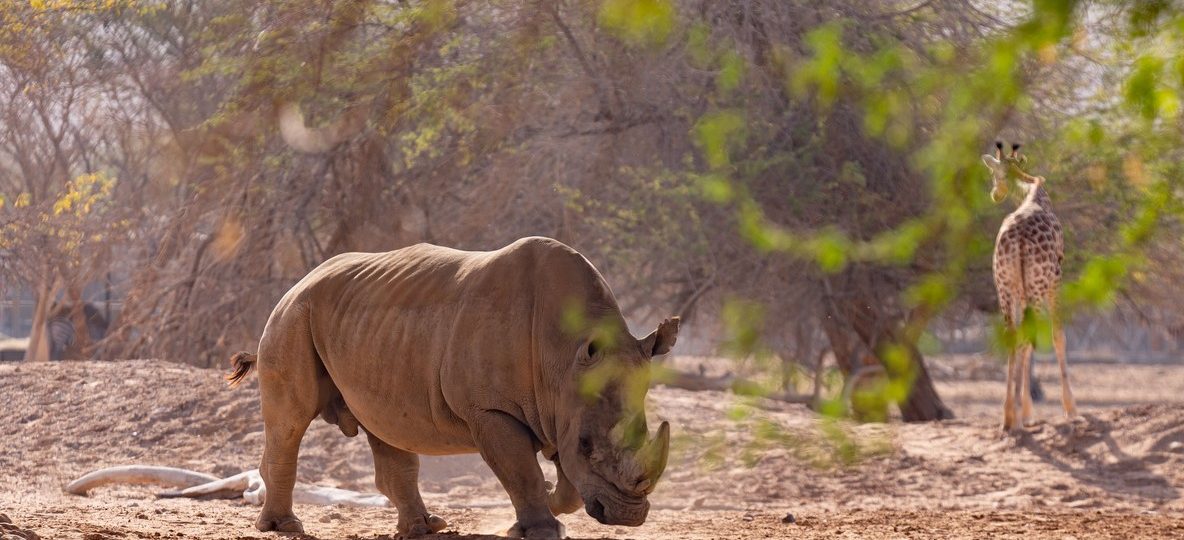
Kenya Anti-Poaching Snare Removal: Inside the Patrol That Pulled 1,000 Snares in 2026
A wire snare costs less than a dollar to make and can kill an elephant, a lion or a leopard within hours. In 2026, ranger and scout teams working across Kenya’s Amboseli-Tsavo-Chyulu landscape and the wider Mara ecosystem pulled more than 1,000 of them out of the bush, one on-foot patrol at a time. This is the story of kenya anti poaching snare removal in 2026: who does it, where it happens, and why it matters for anyone booking a Kenya safari this year. 🦁
At Trunktrails Safaris, we work with camps and conservancies that fund these exact patrol teams. Every traveller who books tours and safaris through an operator with real conservancy ties is, whether they realise it or not, paying part of a ranger’s salary and a share of the fuel for the truck that reaches a snare line before it kills.
What a Snare Sweep Actually Looks Like
A snare is a simple loop of wire or cable, often cut from old fencing or brake cable, tied to a tree or stake and set along a game trail. It is not selective. A wire set for a bushbuck or impala for the bushmeat trade can just as easily catch a lion cub, a hyena, or the trunk or leg of an elephant calf. Unlike a rifle shot, a snare does not need a poacher present when the animal dies, which is exactly why it remains the most common poaching method in East Africa today.
Removing them requires walking, not driving. Ranger and scout teams from the Kenya Wildlife Service (KWS), working alongside community-based partners such as Big Life Foundation in the Amboseli-Chyulu landscape and the Mara Elephant Project in the Masai Mara ecosystem, patrol on foot in small teams, following known snare lines and animal trails at dawn, when snares are easiest to spot against fresh tracks. A single patrol may cover 15 to 25 kilometres a day. Multiply that across dozens of teams, year-round, and a 1,000-snare total for 2026 becomes less a single dramatic bust and more the sum of thousands of quiet, unglamorous mornings in the bush.
Why Snares Are Kenya’s Silent Poaching Weapon
Compared to rifle poaching, which targets ivory or rhino horn and requires firearms, ammunition, and a buyer, wire snaring is cheap, low-risk, and driven mostly by the local bushmeat trade rather than international trafficking. That makes it harder to stop with border enforcement alone. It has to be found and physically removed, over and over, because a single patrol clearing 50 snares from a stretch of bush does not stop a new set going up the following week if the drivers of poverty and bushmeat demand around a park boundary are not also addressed.
This is why the strongest anti-poaching programs in Kenya, including the ones Trunktrails Safaris partners with, pair ranger patrols with community conservancy income. When a Maasai or Kamba community earns steady revenue from conservancy bed-night fees and tours and safaris bookings, the economic pressure to set snares for bushmeat drops. Patrols and payments work together.
Where the 2026 Patrols Are Working
The snare removal effort spans several of Kenya’s biggest wildlife landscapes, each with its own patrol structure and terrain challenges.
| Ecosystem | Protected area size | Distance from Nairobi | Drive time | Flight time (Wilson Airport) | Non-resident park fee (indicative) |
|---|---|---|---|---|---|
| Amboseli National Park | ~392 km² | ~240 km | ~4-5 hrs | ~35 min to Amboseli Airstrip | ~$60/adult/day |
| Tsavo East National Park | ~13,747 km² | ~330 km | ~4.5-5.5 hrs | ~45 min to Voi Airstrip | ~$60/adult/day |
| Tsavo West National Park | ~9,065 km² | ~240 km via Mtito Andei | ~4-5 hrs | ~40 min to Kilaguni Airstrip | ~$52/adult/day |
| Chyulu Hills National Park | ~471 km² | ~250 km | ~4.5 hrs | ~40 min to Kiboko/Amboseli airstrips | ~$30/adult/day |
| Masai Mara National Reserve | ~1,510 km² | ~270 km | ~5-6 hrs | ~45 min to Mara airstrips | ~$100/adult/day |
Park fees are indicative ranges only and change by season and gate. Always confirm current rates with Trunktrails Safaris before booking.
The Amboseli-Tsavo-Chyulu landscape, covering roughly 23,000 square kilometres when combined, carries the heaviest snare pressure of the group because it borders dense agricultural and pastoral communities along its edges, particularly around Kimana and the Chyulu Gate corridor. The Mara ecosystem sees fewer wire snares but more targeted bushmeat and livestock-conflict incidents, which is why the Mara Elephant Project runs a dedicated aerial surveillance unit alongside its ground teams, spotting snare lines and injured animals from the air before a ground patrol is sent in on foot.
When Snare Activity Rises: The Dry Season Pattern
Snare-setting is not constant through the year. Patrol teams and researchers across the Amboseli-Tsavo-Chyulu landscape consistently report a spike during the long dry season, roughly June through October, when grazing land tightens, wild game concentrates around the remaining rivers and waterholes, and household food pressure on communities bordering the parks is at its highest. The Kimana wildlife corridor, which links Amboseli to Tsavo West and the Chyulu Hills, is one of the most heavily monitored stretches for exactly this reason: it funnels both migrating wildlife and, at times, snare lines into a narrow, walkable belt of bush.
This seasonal pattern is why ranger deployment is not evenly spread across the calendar. Teams pull extra scouts into corridor zones in the dry months and rotate back toward general patrol coverage once the short rains return in November and food pressure on surrounding communities eases. A 1,000-snare total for 2026 will disproportionately reflect the June-to-October push, which is also peak safari season for most of Kenya’s parks, meaning the travellers on the ground during migration season are, in a very literal sense, visiting during the same window when patrol teams are working hardest.
What Snare Removal Protects on Your Safari
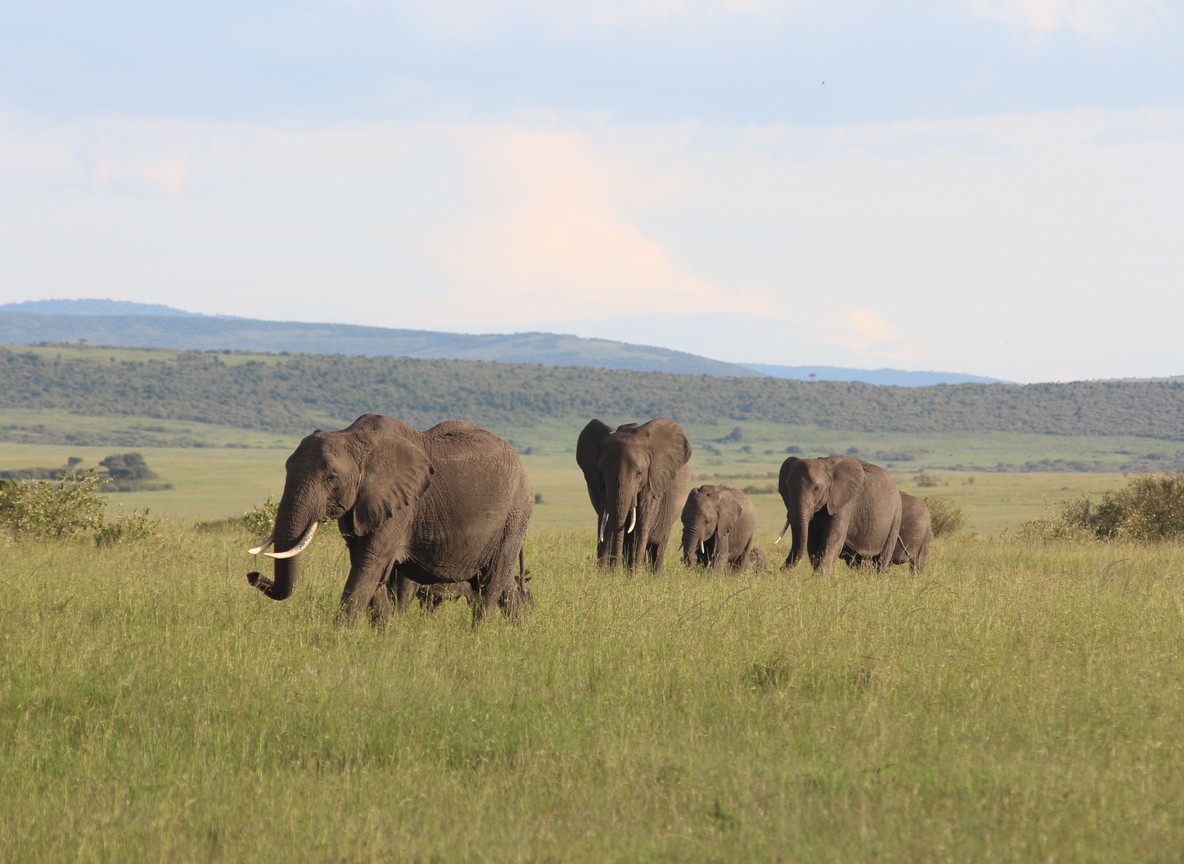
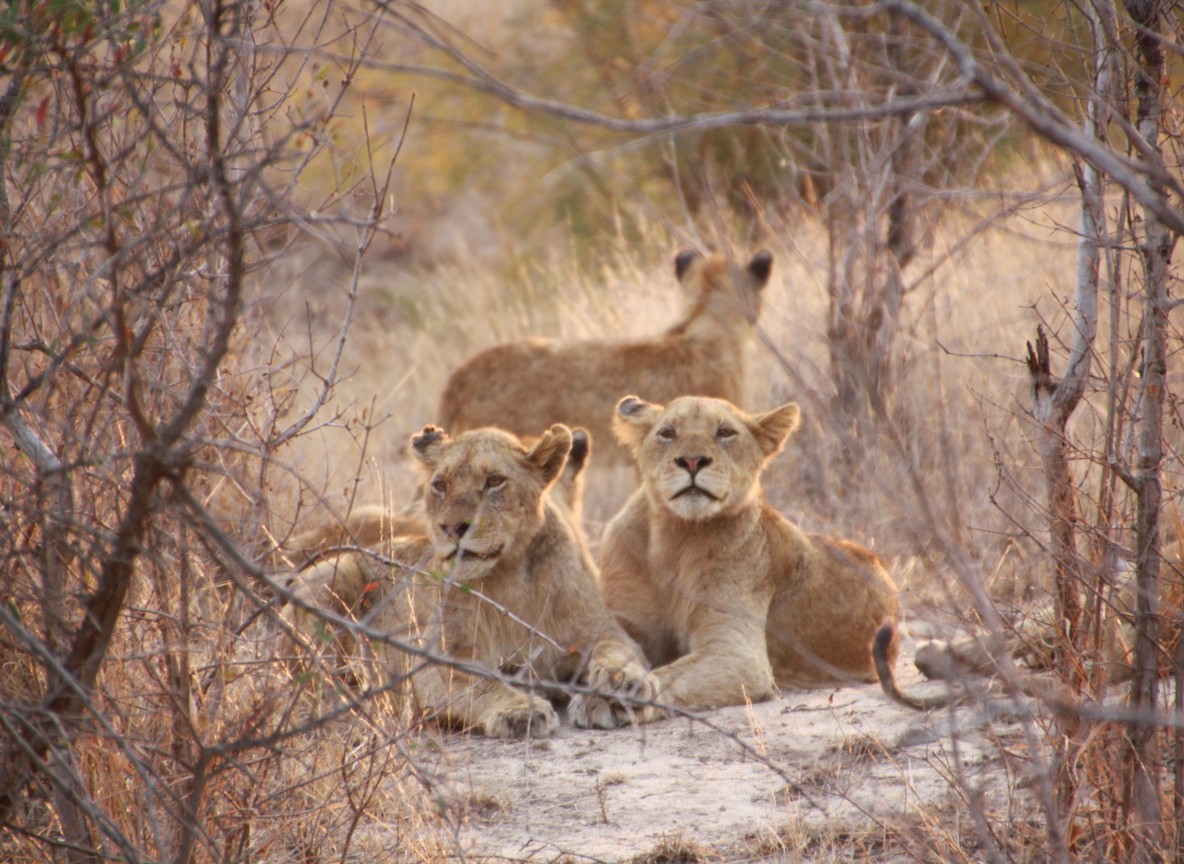
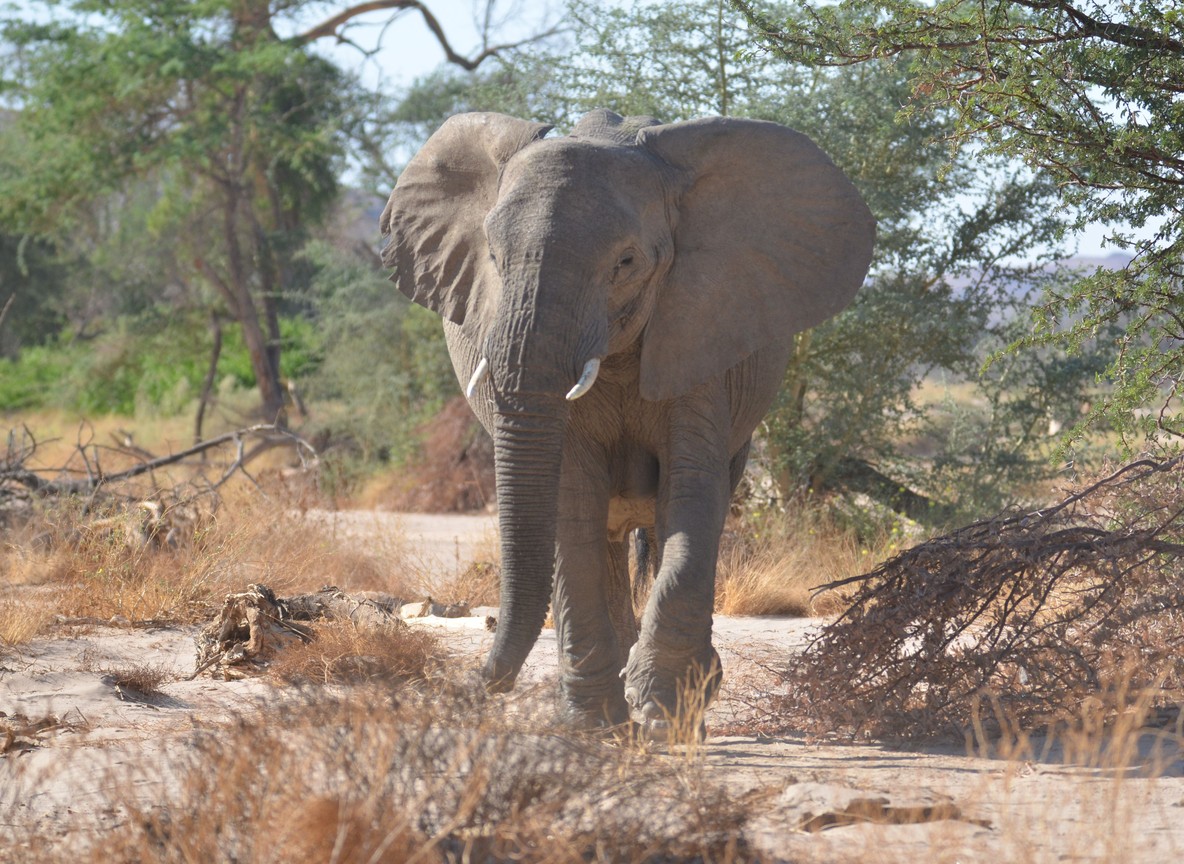
Every animal you photograph on a game drive is downstream of this work. Snares are indiscriminate, so the same wire that was set for a warthog can maim a lion, a leopard, or a young elephant that then needs a full veterinary darting and rescue operation to survive. Rangers who clear 1,000 snares in a year are not just protecting statistics. They are protecting the specific cheetah on the Amboseli plains, the specific elephant herd crossing between Tsavo East and Tsavo West through the Kasigau wildlife corridor, and the specific pride of lions denned near your camp in the Mara.
Guides at camps that fund these patrols will often show guests a recovered snare on request, kept as a field education tool rather than a trophy. It is one of the more sobering, memorable moments on a conservation-minded safari, and it is a direct answer to the question many of our conservation-focused travellers ask us: does my safari money actually help?
How Travellers Can Support Anti-Poaching Work
You do not need to volunteer as a ranger to contribute to snare removal. The most reliable lever available to any traveller is choosing where the safari fee actually goes.
- Book camps inside or bordering conservancies. Conservancy bed-night fees, not just park gate fees, are what fund year-round ranger salaries and vehicle fuel for daily patrols.
- Ask your operator directly which anti-poaching program your trip supports. A specific named partner, such as Big Life Foundation or the Mara Elephant Project, is a stronger signal than a vague “conservation fee” line item.
- Extend your stay in high-pressure landscapes. Amboseli-Tsavo-Chyulu and the Mara ecosystem both carry heavier snare loads than more remote parks, so bed-nights there fund the busiest patrol teams.
- Support ranger welfare, not just equipment. Boots, radios and vehicle maintenance keep a foot patrol in the field for the full dry season, when snare-setting activity typically rises.
The Trunktrails Advantage
Booking a safari and funding a ranger patrol should not be two separate decisions. At Trunktrails Safaris, we build every itinerary so the two are the same choice.
Here is what that means for you:
- Conservancy-first routing. We prioritise camps in Amboseli, Tsavo and the Mara ecosystem that pay direct conservancy fees to community-owned land, the same land ranger teams patrol daily.
- Named partner transparency. We can tell you exactly which anti-poaching or ranger program your stay supports at each camp on your itinerary, not a generic conservation levy.
- Kenyan-owned, Nairobi-based team. We do not subcontract our vehicles or guides, so the money from your tours and safaris booking stays closer to the ecosystems you are visiting.
- Direct WhatsApp access, 24/7, to build an itinerary that balances big-cat game drives with a genuine look at the conservation work protecting them.
As native Kenyans, we grew up hearing about snare sweeps and ranger patrols as part of everyday conservation news, not an abstract cause. We want every traveller who books with us to leave Kenya understanding that connection too.
Ready to Build a Conservation-Linked Safari?
The 1,000 snares removed in 2026 are proof that daily, unglamorous ranger work is what keeps Kenya’s wildlife safe between the photographs. The next step is choosing a trip that funds more of it.
WhatsApp Trunktrails Safaris with your travel dates and the ecosystems you want to visit. We will build an itinerary through Amboseli, Tsavo or the Mara that puts your money behind the rangers doing this work. 🐘
Further reading
More safari planning resources
- Map of Amboseli from Valley Safaris
- Amboseli National Park guide on Touring Insights
- Big Five safari collection on FindMySafari
- Amboseli destination guide on FindMySafari
WhatsApp: +254 113 208888 Email: info@trunktrailssafaris.com Website: https://trunktrailssafaris.com