
Kenya and Tanzania Safari Itinerary: How to Combine Both Countries in One Trip
Building a working kenya and tanzania safari itinerary comes down to one decision: fly between the two countries or drive. The Masai Mara and the Serengeti are the same ecosystem split by an international border, and travelers who plan the logistics correctly can move between Kenya and Tanzania in under an hour by light aircraft, add the Ngorongoro Crater, and still be home inside ten days. Trunktrails Safaris builds these cross-border routes regularly, and this guide lays out exactly how the legs, fees, and timing fit together. 🦁
The Key Facts First
| Leg | Distance | Time | Notes |
|---|---|---|---|
| Nairobi to Masai Mara National Reserve | 270 km | 5-6 hrs drive or 45-min flight | Sekenani or Oloolaimutia Gate |
| Masai Mara to Serengeti (Kogatende airstrip) | Cross-border | 30-45 min flight (seasonal scheduled service) | Fastest way to cross |
| Masai Mara to Serengeti overland (Isebania-Sirari) | Approx. 300+ km | 7-9 hrs on rough road | Rarely used by tour operators |
| Nairobi to Namanga border | 165 km | 2.5-3 hrs | Kenya-Tanzania land crossing |
| Namanga to Arusha | 110 km | 1.5-2 hrs | Gateway town for northern Tanzania |
| Arusha/Kilimanjaro Airport to Serengeti (Seronera) | 325 km | 5-6 hrs drive or 45-min flight | |
| Serengeti (Seronera) to Ngorongoro Crater rim | 145 km | 3 hrs |
Distances and times are indicative and assume normal road and weather conditions. Border crossing times vary with queue length and documentation, so budget extra time at Namanga or Isebania-Sirari regardless of which route you choose.
Why Combine Kenya and Tanzania in One Trip
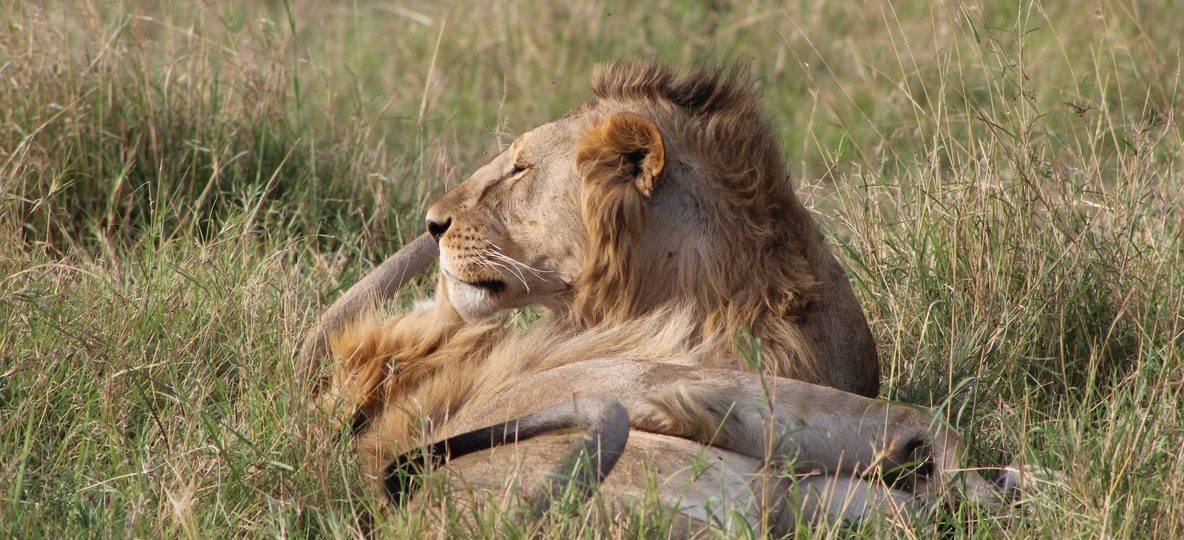
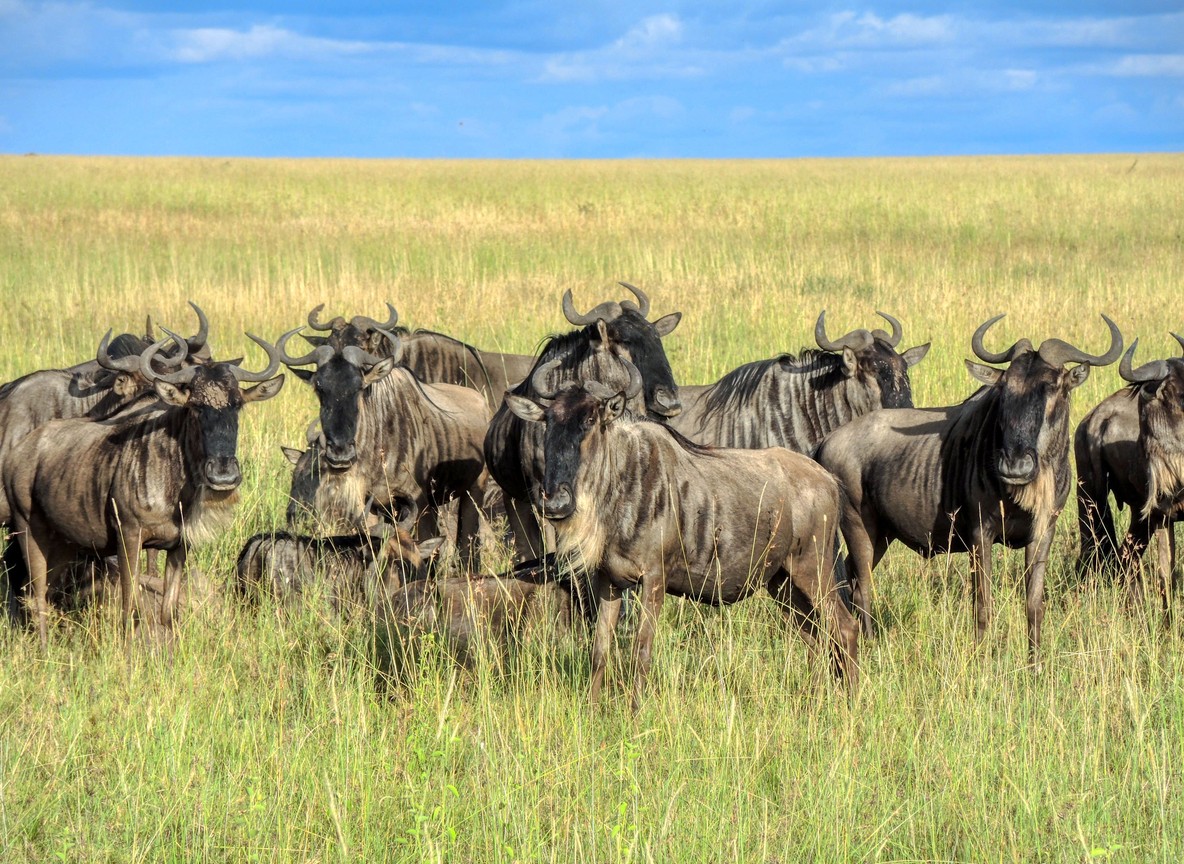
The Masai Mara sits at the northern edge of a single ecosystem that continues south into the Serengeti, so wildlife moves across the border without ever recognizing it exists. A trip that stays inside one country only sees part of the wildebeest migration’s range. Combining Kenya and Tanzania lets you follow the herds across the Mara River into the Serengeti’s Kogatende region in the dry season, or catch the short-grass plains calving season further south in Tanzania between roughly December and March.
Trunktrails Safaris designs tours and safaris that treat the Mara-Serengeti ecosystem as one continuous route rather than two separate bookings, which is the difference between an itinerary that flows and one that feels like two unrelated trips stitched together.
Two Ways to Cross the Border: Flying vs Overland
The fastest and most common way to move a kenya and tanzania safari itinerary across the border is by light aircraft. Scheduled seasonal flights connect Mara airstrips to Kogatende, in the northern Serengeti, in as little as 30-45 minutes, cutting out a full day of driving.
The overland route through the Isebania-Sirari border post covers more than 300 km of mixed tarmac and rough road, typically 7-9 hours between Mara camps and central Serengeti. It is passable but slow, and most operators, including Trunktrails Safaris, only recommend it for travelers specifically seeking an overland adventure rather than efficient touring.
A third option skips the direct Mara-Serengeti crossing entirely and routes through Namanga instead: Nairobi to Namanga (165 km, 2.5-3 hrs), then Namanga to Arusha (110 km, 1.5-2 hrs), before continuing into the Serengeti and Ngorongoro from the Tanzanian side. This route works well if your trip starts in Nairobi and ends in Arusha or at Kilimanjaro International Airport (JRO), since it avoids doubling back.
The Classic 10-Day Kenya and Tanzania Itinerary
| Day | Location | Focus |
|---|---|---|
| 1-2 | Nairobi to Masai Mara | Arrival, transfer, first game drives |
| 3 | Masai Mara | Full-day game drives, Mara River area |
| 4 | Fly Mara to Serengeti (Kogatende) | Cross-border transfer, northern Serengeti |
| 5-6 | Serengeti National Park | Central or northern Serengeti game drives |
| 7 | Drive to Ngorongoro Crater rim | 3-hr transfer from Seronera |
| 8 | Ngorongoro Crater floor | Full-day crater game drive |
| 9 | Drive to Arusha | Transfer, rest day or cultural visit |
| 10 | Depart via Kilimanjaro International Airport | Fly out |
This route covers the Mara, the Serengeti, and the Ngorongoro Crater, three of East Africa’s best-known reserves, without a single overland border crossing on rough roads.
A Faster 7-Day Option for Limited Time
Not every traveler has ten days available. A 7-day version keeps two full days each in the Masai Mara and Serengeti, adds a single day trip into the Ngorongoro Crater from a Serengeti-side camp instead of a dedicated overnight, and exits through Kilimanjaro or back through Nairobi. It costs some depth in each park but still delivers both countries and the crater in one trip, which is the core promise of a combined kenya and tanzania safari itinerary.
Visa and Entry Requirements for Both Countries
This is the detail that catches first-time travelers off guard. The East Africa Tourist Visa covers Kenya, Uganda, and Rwanda only. It does not include Tanzania. A trip that combines Kenya and Tanzania requires two separate applications: Kenya’s Electronic Travel Authorization (ETA) and a Tanzania e-visa, each with its own fee, typically in the range of USD 30-100 depending on nationality (indicative, always confirm current rates before booking, since fees change without notice).
Apply for both before departure. Processing usually takes a few business days, but delays happen, and neither government guarantees same-day approval at the border.
A few practical details often get missed. Kenya and Tanzania use different currencies, the Kenyan shilling and the Tanzanian shilling, so carrying small denominations of US dollars for park fees and tips on both sides of the border avoids repeated currency exchanges. Mobile network coverage also switches at the border, so a Kenyan SIM card will not work once you cross into Tanzania and vice versa, which matters if you plan to stay in touch with family while on safari. Most camps on both sides of the Mara-Serengeti ecosystem run on solar power with limited charging points, so packing a portable power bank is worth doing regardless of which country you are in.
What a Combined Trip Costs
| Item | Kenya-only Mara safari | Combined Kenya + Tanzania itinerary |
|---|---|---|
| Trip length | 4-5 days | 7-10 days |
| Park fees (non-resident, indicative) | Masai Mara USD 200/day | Mara USD 200/day + Serengeti USD 70-82/day + Ngorongoro USD 71-82/day |
| Visas required | 1 (Kenya ETA) | 2 (Kenya ETA + Tanzania e-visa) |
| Internal flights | 1 (Nairobi-Mara) | 2-3 (Nairobi-Mara, Mara-Serengeti, Arusha-Nairobi or JRO exit) |
| Reserves covered | Masai Mara (1,510 km2) | Masai Mara + Serengeti (14,750 km2) + Ngorongoro Conservation Area (8,292 km2) |
The combined trip costs more in park fees and flights, but it covers roughly 24,000 km2 of protected wildlife habitat across two countries instead of one, which is what most travelers researching a kenya and tanzania safari itinerary are actually after.
Best Time of Year to Combine Both Countries
Timing depends on where the migration sits. Wildebeest typically move through the Masai Mara’s Sand River and Mara River areas from around July through October, then head south into the Serengeti’s short-grass plains for calving season roughly December through March. A kenya and tanzania safari itinerary built around a July-to-October Mara leg followed by a Kogatende-area Serengeti leg tracks the same herds across the border in the same trip.
Ngorongoro Crater holds resident wildlife year-round and is not migration-dependent, which is part of why it works as a reliable add-on regardless of when you travel. The crater floor covers roughly 260 km2 within the wider 8,292 km2 Ngorongoro Conservation Area, and its enclosed shape means lion, rhino, elephant, and buffalo stay concentrated there in good numbers whether you visit in the dry season or the short rains around November.
Travelers who cannot align their trip with peak migration months still get strong wildlife viewing from this itinerary, since the Mara, Serengeti, and Ngorongoro Crater each hold resident predator and herbivore populations independent of the migration’s exact location on any given week.
The Trunktrails Advantage
Trunktrails Safaris is a Kenyan-owned operator based in Nairobi, and cross-border routing is one of the areas where local knowledge matters most. We know which airstrips run seasonal Mara-Serengeti flights, which months the Isebania-Sirari overland route is actually passable, and which camps near Kogatende, Seronera, and the Ngorongoro Crater rim work best with a Kenya-side itinerary rather than being booked as an unrelated Tanzania add-on.
Every kenya and tanzania safari itinerary we build accounts for both visa applications up front, so travelers are not scrambling for a Tanzania e-visa two days before a Serengeti leg. Our tours and safaris teams handle the flight bookings, park fee payments, and border paperwork as one coordinated plan, not two separate trips glued together at the Namanga or Isebania border post. That coordination is what keeps a combined itinerary running on schedule instead of losing a day to logistics. 🌍
Plan Your Kenya and Tanzania Safari Itinerary
Ready to combine the Masai Mara, the Serengeti, and the Ngorongoro Crater into one trip? Trunktrails Safaris will map the flights, border crossing, and park fees against your available days, so you know the full itinerary and cost before you commit. ✨
Contact Trunktrails Safaris:
Further reading
More safari planning resources
- Kenya safari packages from SafariPure
- Kenya tour packages from Valley Safaris
- Maasai Mara National Reserve guide on Touring Insights
- Compare Kenya safari packages on FindMySafari
- WhatsApp: +254 113 208888
- Email: info@trunktrailssafaris.com
- Website: trunktrailssafaris.com
- Kenyan-owned and Nairobi-based, building tours and safaris across Kenya and cross-border into Tanzania