
Karura Forest Nairobi: Waterfalls, Cycling, and the City’s Best Green Escape
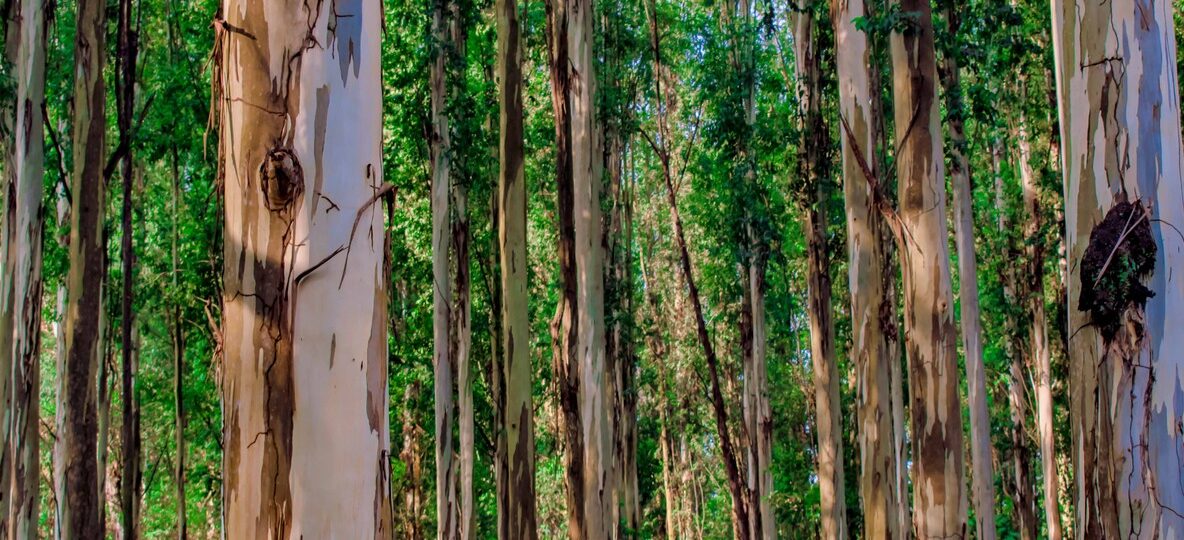
Nairobi moves fast. The traffic, the noise, the endless hustle – it wears on you. Then Karura Forest Nairobi exists, just 8 kilometres from the central business district, and it feels like someone pressed pause. 🌍
Ancient fig trees close over your head. A river murmurs somewhere below the trail. Cyclists zip past on red dirt paths. And if you follow the right route, you arrive at a waterfall that has absolutely no right to exist this close to a capital city.
At Trunktrails Safaris, we design bespoke Kenya tours and safaris, and we always tell our guests: build a morning at Karura into any Nairobi visit. It is one of the few places where the city completely disappears. This guide covers everything you need to plan a great half-day in the forest, from entry fees to the best cycling loops.
What Makes Karura Forest Special Among Nairobi Green Spaces?
Karura Forest covers approximately 1,041 hectares (roughly 10 km²), making it one of the largest urban gazetted forests in Africa. It sits inside Nairobi’s northern suburbs, bordered by Limuru Road, Kiambu Road, and the United Nations complex.
The Kenya Forest Service (KFS) manages Karura, and significant restoration work over the past 15 years has transformed it. Invasive species have been cleared. Trails have been mapped. The cycling paths are now graded and signposted.
What sets it apart from other urban parks:
- Two named waterfalls accessible on foot, both fed by the Karura River
- Over 50 km of mapped trails, including dedicated cycling and walking routes
- A documented bird list of 200+ species, including the African crowned eagle
- The Mau Mau Caves – historic rock shelters where freedom fighters hid during the 1950s
- A quiet stretch of the Karura River with rope bridges and picnic spots
This is not a manicured botanical garden. It is a real indigenous forest with real wildlife, real mud after rain, and real solitude if you start early.
What Are the Karura Forest Entry Fees and Opening Hours?
Karura Forest is open daily from 6:00 AM to 6:00 PM. Entry is at any of the three main gates.
| Visitor Category | Entry Fee (2025/2026, indicative) |
|---|---|
| Non-resident / foreign adult | KES 600 (~USD 4.50) |
| East African resident adult | KES 300 (~USD 2.30) |
| Kenyan citizen adult | KES 100 (~USD 0.75) |
| Child under 12 (non-resident) | KES 300 (~USD 2.30) |
| Bicycle rental (1 hour) | KES 300-500 (~USD 2.30-3.80) |
| Guided forest walk (per person) | KES 500-800 (~USD 3.80-6.00) |
Indicative fees based on KFS published rates; confirm at the gate as fees are subject to revision.
The Limuru Road Gate is the most popular and easiest to find. The Kiambu Road Gate suits visitors coming from the northeast. The UN Gate (on United Nations Avenue) is quieter and gives quick access to the waterfall trails.
Parking is available at all three gates. Ride-hailing from central Nairobi takes 20-35 minutes depending on traffic, and costs roughly KES 400-700 each way.
Where Are the Karura Forest Waterfalls?
The waterfalls are the headline act, and they deliver. 📸
Waterfall One sits about 1.5 km from the UN Gate, a 20-minute walk on flat, well-maintained path. The Karura River drops roughly 5 metres over a shelf of dark rock into a clear pool below. In the dry season the flow is modest; after the long rains (March to May), it thunders. The pool is surrounded by dense riverine forest and ferns. Expect to spend 20 minutes here just sitting.
Waterfall Two is a further 30-minute walk from Waterfall One, deeper into the forest. The trail narrows and climbs slightly. This second fall is smaller but feels more remote. Very few visitors make it this far, which is reason enough to go.
The complete waterfalls circuit from the UN Gate and back covers approximately 5 km and takes 1.5 to 2 hours at a relaxed pace. Wear closed shoes. The path near Waterfall Two has exposed roots and can be slippery after rain.
Insider tip: Set out before 8 AM if you want the falls to yourself. By 10 AM on weekends, the area around Waterfall One fills with families and joggers.
What Are the Best Cycling Routes at Karura Forest?
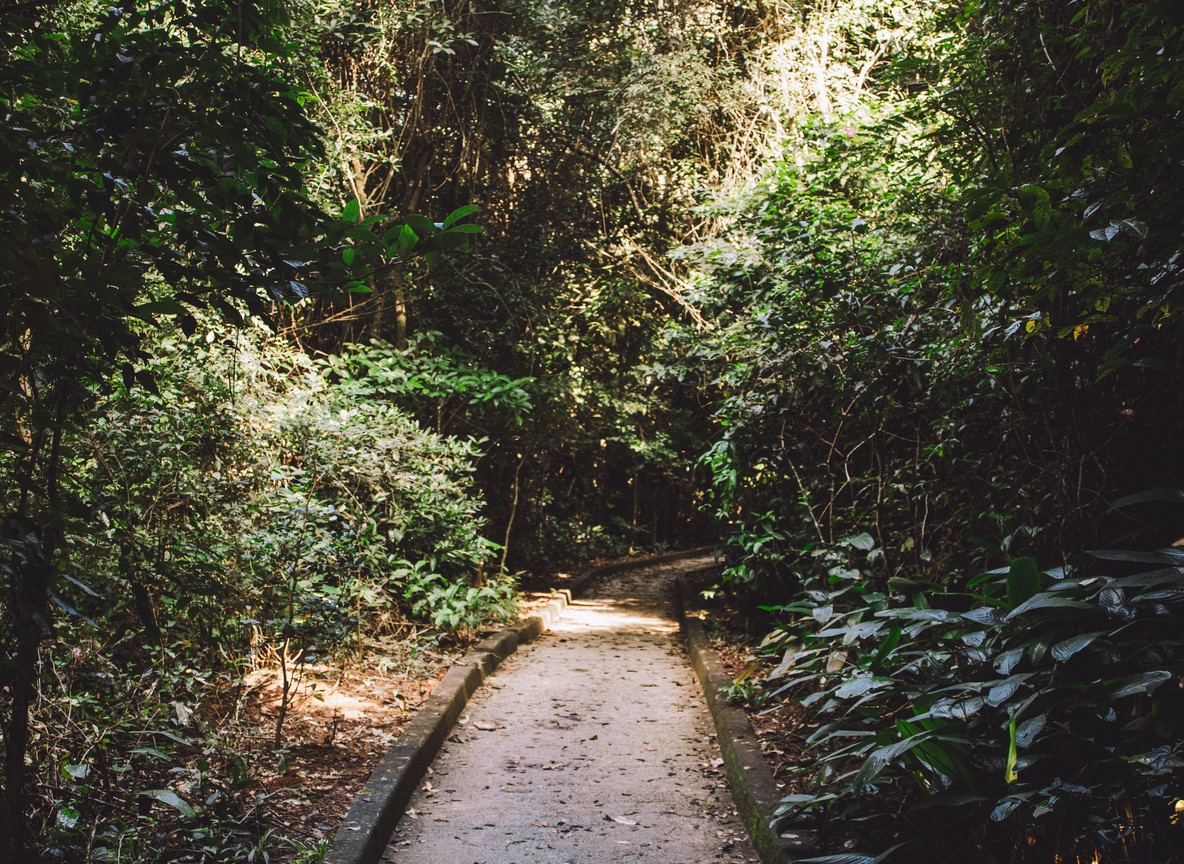
Karura’s cycling network is the best urban mountain biking available in any African capital. The trails range from flat riverside loops to steeper climbs through the indigenous forest. 🦒
Bicycle rentals are available near the Limuru Road Gate from multiple operators. Helmets are included in the rental. Most operators also offer guided cycling tours at a fixed fee per hour.
Popular cycling routes:
| Route | Distance | Difficulty | Highlights |
|---|---|---|---|
| Limuru Loop | ~8 km | Easy | Flat, suitable for all ages, picnic spots |
| Waterfall Circuit (cycling) | ~12 km | Moderate | Passes both falls, river bridges |
| Full Forest Challenge | ~18 km | Hard | All major trails, some steep climbs |
| Family Riverside Path | ~5 km | Very Easy | Paved sections, good for young children |
Cycling with children is very manageable on the Family Riverside Path and the Limuru Loop. Children as young as six can handle these routes on a bike. The Full Forest Challenge suits fit adults and involves rough terrain.
At Trunktrails Safaris, when we run Nairobi-based tours and safaris, we often combine a Karura morning with an afternoon at Nairobi National Park for clients who want to see wildlife the same day. It makes for one of the best value days in East Africa.
What Wildlife Can You Spot During Karura Forest Activities?
Karura is not a game drive. But its wildlife rewards patient, quiet visitors.
Mammals present:
- Sykes’ monkeys and olive baboons (common, especially near picnic areas)
- African civet and genet (nocturnal; occasionally seen at dawn)
- Harvey’s red duiker (shy; look near the river in the early morning)
- Giant forest squirrels
Bird highlights: The forest holds over 200 recorded bird species. Target species include the African crowned eagle, Narina trogon, olive ibis, and multiple sunbird species. The birdwatching is genuinely excellent, especially along the river trail. Bring binoculars.
What you will not see: Lions, elephants, or big game. This is a forest ecosystem, not a savanna reserve. Anyone combining Karura with a safari should understand the experience is categorically different – and complementary, not competitive.
The Nairobi Animal Orphanage sits about 25 minutes drive south of Karura and is a good add-on for families wanting to see big species on the same day.
What Are the Mau Mau Caves and Why Do They Matter?
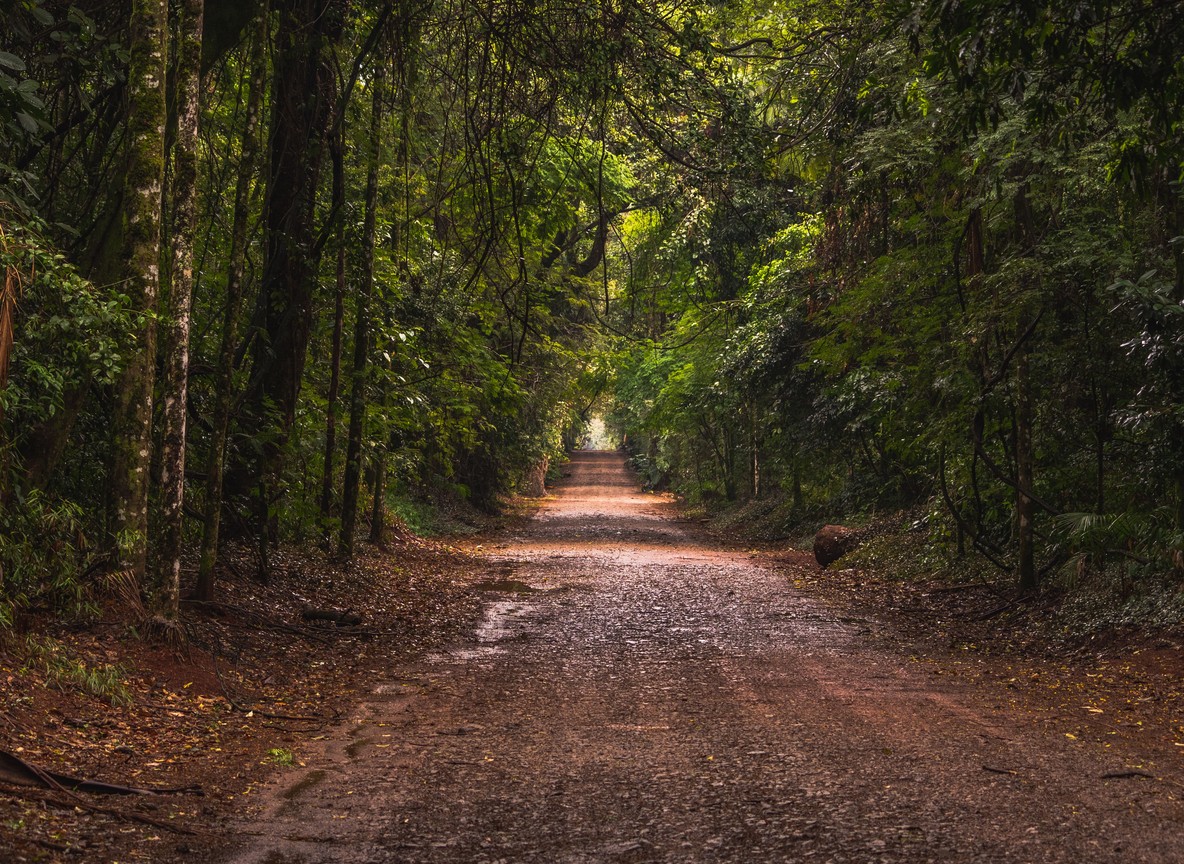
Inside Karura Forest, about 40 minutes from the Limuru Gate on foot, sits a stretch of natural caves and rock overhangs. During Kenya’s independence struggle in the 1950s, Mau Mau fighters used these formations as shelters and meeting points.
The caves are marked on the forest trail map and are accessible without a guide, though a guide adds enormous context. KFS rangers who lead forest walks know this history well and can interpret what you are looking at.
Visiting the caves is free with your entry ticket. The site is low-key and unmanufactured – no signboards beyond a basic marker – which makes it more affecting, not less.
For heritage-focused Kenya tours and safaris, this combination of ecological and historical experience inside one urban forest is remarkable. Very few forests anywhere in the world carry both.
How Does Karura Compare to Other Nairobi Day Trips?
If you are choosing between Nairobi’s main green spaces and day-trip options, here is a practical comparison:
| Destination | Distance from City | Entry Fee (non-resident) | Key Draw | Time Needed |
|---|---|---|---|---|
| Karura Forest | 8 km | KES 600 (~$4.50) | Cycling, waterfalls, birds | 3-5 hours |
| Nairobi National Park | 7 km | KES 4,310 (~$30) + game drive | Big Five, open savanna | 4-6 hours |
| Karen Blixen Museum | 20 km | KES 1,200 (~$9) | Colonial history, gardens | 2 hours |
| Giraffe Centre | 21 km | KES 2,500 (~$18) | Giraffe feeding, conservation | 1-2 hours |
| Crescent Island (Naivasha) | 95 km | KES 2,500 (~$18) | Walking safari, lake birds | Full day |
All fees indicative. Nairobi National Park requires a separate vehicle hire. Karura is the only option where walking and cycling are the primary experience.
Karura is the cheapest full morning of nature available near Nairobi, and arguably the most physically satisfying if you want to move your legs. The Giraffe Manor Nairobi experience sits at the opposite end of the price scale but makes a superb add-on for the afternoon.
For families with teenagers, we often combine Karura’s cycling with an evening at Giraffe Centre – a plan you can read more about in our guide to Kenya safari with teenagers.
What Is the Best Time to Visit Karura Forest Nairobi?
Karura is open year-round and offers something different in every season.
Dry seasons (January-February, July-October): Trails are firm and dusty. Cycling is fastest on these surfaces. Wildlife is more visible in the thinned undergrowth. The waterfalls are lower but accessible.
Long rains (March-May): Forest is explosively green. Waterfalls peak. Trail surfaces can be muddy, especially near the river. Waterproof footwear is essential.
Short rains (November-December): Pleasant temperatures, freshly washed trails, fewer visitors than peak dry season.
Best time of day: 6:00 AM to 10:00 AM year-round. The forest is cool, birds are active, and the trails are uncrowded. Midday on weekends turns the main circuits into a social event – pleasant but noisier.
What Is the Trunktrails Advantage for Nairobi and Kenya Tours?
Trunktrails Safaris is a native Kenyan-owned operator based in Nairobi. We know Karura Forest the way Nairobians do – the early morning light on the river, which gate to use for a quick waterfall visit, which bike rental operator keeps their equipment in good shape.
When clients book Kenya tours and safaris through Trunktrails Safaris, we build itineraries around what actually matters to you:
- Tailored routing: We combine Karura with the right parks and activities based on your dates, fitness level, and interests
- Local expertise, no middlemen: Direct line to a Nairobi-based team who designed the itinerary themselves
- All budgets welcome: From budget day-trip packages to full luxury multi-park tours and safaris
- Conservation commitment: 5% of every booking supports wildlife conservation in Kenya
- 24/7 support: We are here throughout your trip, not just at the booking stage
A Karura Forest morning is often how we start a Nairobi city day for clients who arrive on an overnight flight. It is 8 kilometres from the airport corridor, clears the jetlag, and gives a real sense of what Kenya’s natural environment feels and smells like – before the savanna grass, before the open plains, before Masai Mara.
That context matters. ✨
Further reading
More safari planning resources
- Best time to visit Kenya month-by-month map from Valley Safaris
- Best time to visit Kenya on Touring Insights
- Family safari collection on FindMySafari
- Kenya tour packages from Valley Safaris
Ready to Plan Your Nairobi Green Escape with Trunktrails Safaris?
Karura Forest rewards planning. Arrive early, choose your route, rent a bike if your legs are willing, and give yourself two hours minimum at the waterfalls circuit. Done well, a Karura morning sets up the rest of your Kenya safari beautifully.
Trunktrails Safaris designs every Kenya tour from Nairobi outward, using the city not as a layover but as the starting point of a real adventure. Tell us your dates and what you want to see and feel, and we will put together an itinerary that uses every hour well.
📞 WhatsApp: +254 113 208888 📧 Email: info@trunktrailssafaris.com 🌐 Website: https://trunktrailssafaris.com
Image credits: Photo by Gis photography on Pexels; Photo by Kevyn Costa on Pexels; Photo by Lucca Belliboni on Pexels; Photo by Mugweru Gachanja on Pexels; Photo by Vinícius Vieira ft on Pexels