
Kakamega Forest: Kenya’s Only Rainforest and the Safari Most Travelers Skip
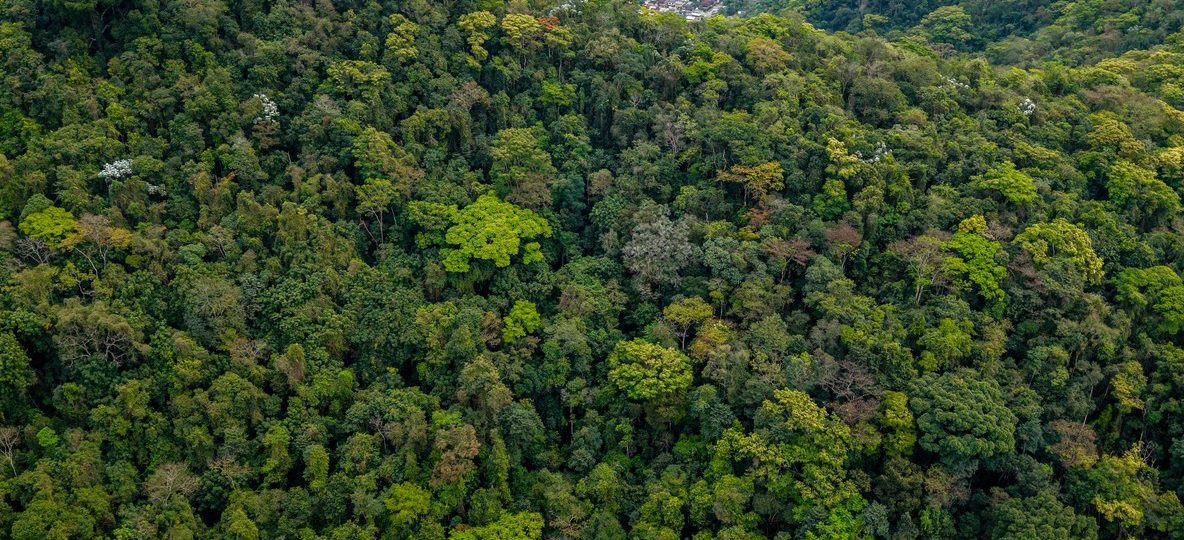
A Kakamega Forest Kenya safari is not on most first-time visitor lists, and that is exactly the problem. While the crowds pack into the Masai Mara and Amboseli, Kakamega Forest sits quietly in western Kenya as the last surviving fragment of the ancient Guineo-Congolian rainforest that once stretched across the continent. It is Kenya’s only true tropical rainforest, home to primates and birds you cannot find anywhere else in the country. 🌍
Trunktrails Safaris built this guide for travelers who want to understand what Kakamega Forest actually offers, what it costs, how far it really is, and how to fit it into a wider Kenya itinerary. This is not a generic nature walk. It is a genuinely different kind of tours and safaris experience, and it deserves real planning.
What Makes Kakamega Forest Different?
Most Kenya safaris center on open savannah and the Big Five. Kakamega Forest is the opposite experience entirely. Dense canopy, filtered light, and constant birdsong replace wide horizons and lion sightings. The forest is a living relic, a remnant of a rainforest belt that once connected Kenya to the Congo Basin thousands of years ago before climate shifts and human settlement isolated it.
That isolation is what makes Kakamega Forest so valuable to scientists and so rewarding for travelers willing to make the trip. Species found here evolved in near total separation from Kenya’s other ecosystems, which is why the forest holds wildlife you will not see on a standard Masai Mara or Tsavo circuit.
Kakamega Forest Fast Facts
Here are the real numbers behind a Kakamega Forest Kenya safari, useful for anyone building an actual itinerary rather than a rough idea.
| Fact | Detail |
|---|---|
| Total forest area | Approximately 238 km2 |
| KWS-managed National Reserve (Buyangu sector) | Approximately 45 km2 |
| Location | Kakamega County, western Kenya, about 30 km north of Kakamega town |
| Elevation | Roughly 1,500 to 1,700 meters above sea level |
| Main entry gates | Buyangu Gate (north, KWS side) and Isecheno (south, Kenya Forest Service side) |
| Bird species recorded | Over 350, widely cited as the highest count of any single Kenyan site |
| Primate species | 7, including the De Brazza’s monkey and black-and-white colobus |
| Butterfly species | Over 400 recorded |
How Do You Get to Kakamega Forest?
Kakamega Forest sits far from Kenya’s main safari circuit, and that distance is part of what keeps it uncrowded. Most Trunktrails Safaris clients combine it with a Kisumu or Lake Victoria leg rather than treating it as a standalone trip.
| Starting Point | Distance | Approximate Travel Time |
|---|---|---|
| Nairobi (road, via Nakuru and Kericho) | ~415 km | 7 to 8 hours |
| Kisumu town | ~55 km | About 1 hour |
| Eldoret town | ~65 km | About 1.5 hours |
| Kakamega town to Buyangu Gate | ~18 km | 25 to 30 minutes |
| Nairobi Wilson Airport to Kisumu (fly, then drive) | ~55 km after landing | 45 minute flight + 1 hour drive |
Flying into Kisumu and driving the final stretch is the route Trunktrails Safaris recommends for most travelers. It cuts a full day of road time compared to driving straight from Nairobi, and it pairs naturally with a Lake Victoria stopover on either side of the forest visit.
What Wildlife Will You See?
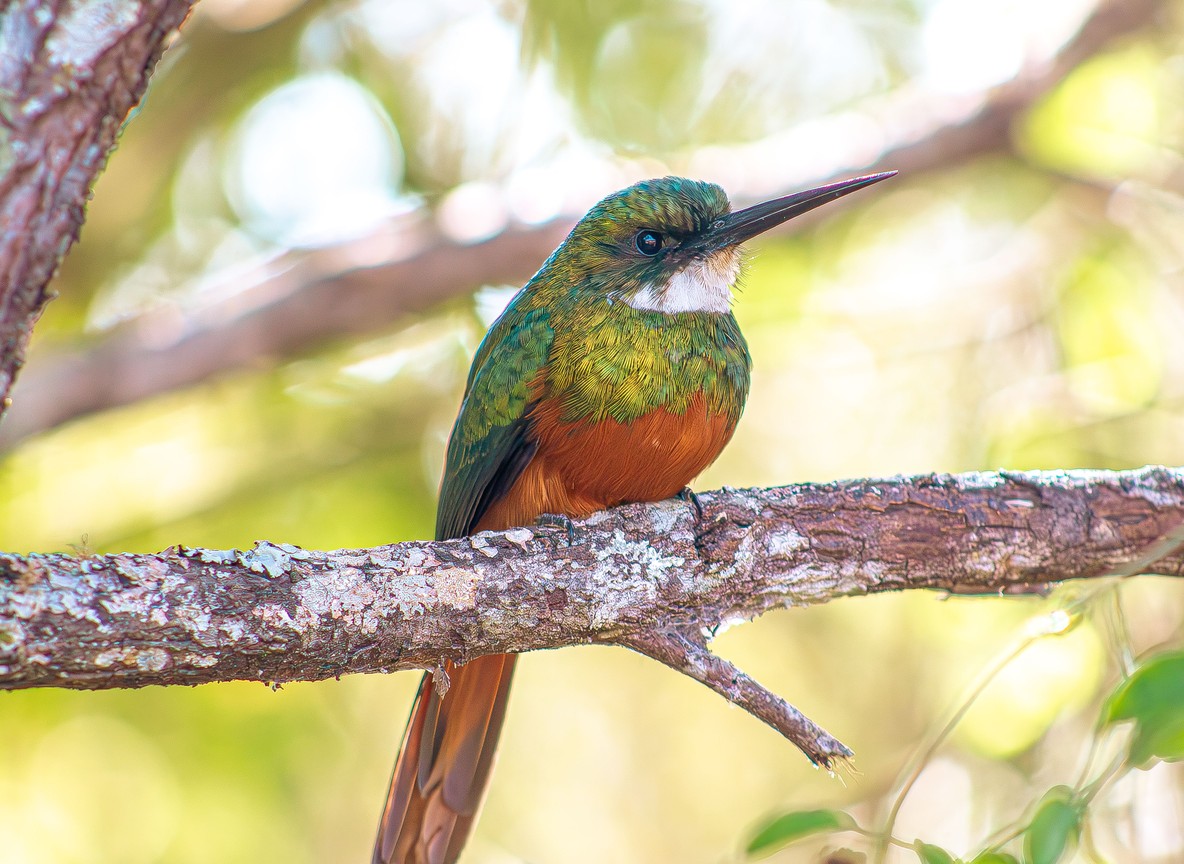
Birding is the headline draw. Kakamega Forest hosts species found nowhere else in Kenya, including the great blue turaco, a large blue and green bird that is genuinely hard to miss once you spot one moving through the canopy. Serious birders often name Kakamega as a must-visit stop precisely because so many species here do not range into the rest of the country.
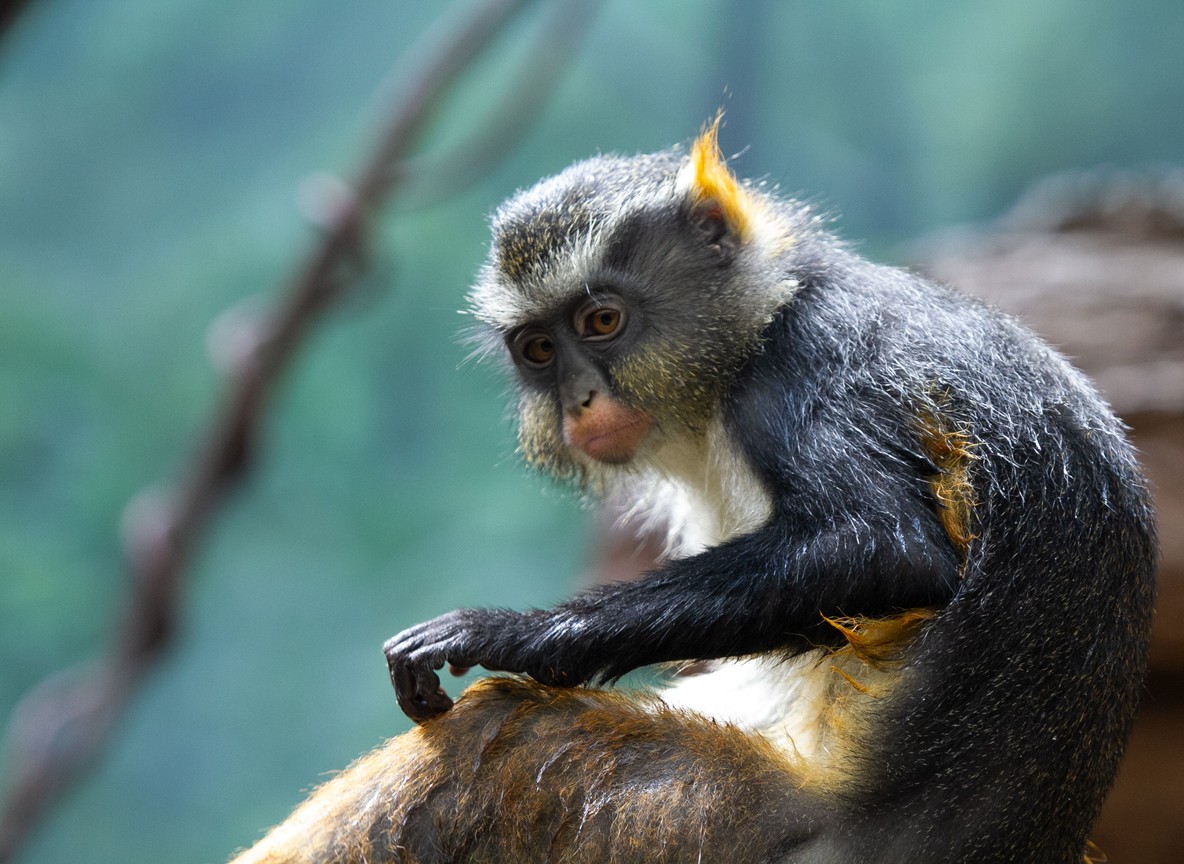
Primates are the other highlight. The De Brazza’s monkey, with its distinctive white beard, lives in the forest’s swampier northern sections near Buyangu. Blue monkeys, red-tailed monkeys, and black-and-white colobus move through the canopy in family groups, while the nocturnal potto, a slow-moving relative of the lemur, comes out after dark. A guided night walk is the only realistic way to see one.
Top Things to Do in Kakamega Forest
- Guided nature walks: Rangers and community guides lead walks from both Buyangu and Isecheno, tailored to birding, primates, or general forest ecology depending on what you ask for.
- Night walks: Booked in advance, these focus on nocturnal species like the potto, bushbabies, and tree frogs that never appear on a daytime walk.
- Isiukhu River and waterfall trails: Shorter hikes lead to forest streams and small waterfalls, a good option for travelers who want scenery without a full-day trek.
- Lirhanda Hill viewpoint: A moderate climb rewards visitors with a rare canopy-level view over the forest, useful for photography and general orientation.
- Butterfly watching: With over 400 recorded species, the forest edges near Isecheno are particularly active on warm mornings.
What Does It Cost to Visit?
Kakamega Forest National Reserve is managed by the Kenya Wildlife Service on the Buyangu side, with the Kenya Forest Service managing the wider forest reserve around Isecheno. Fees below are indicative ranges rather than fixed figures, since both agencies adjust rates periodically.
| Item | Indicative Cost (USD) |
|---|---|
| Non-resident adult entry (KWS, Buyangu) | $20 to $25 |
| Non-resident child entry | $10 to $15 |
| Kenyan resident adult entry | KES 300 to 600 |
| Guided nature walk (per person) | $10 to $20 |
| Guided night walk (per person) | $15 to $25 |
Confirm current rates with your operator before travel, since gate fees can shift without wide notice.
Where to Stay Near Kakamega Forest
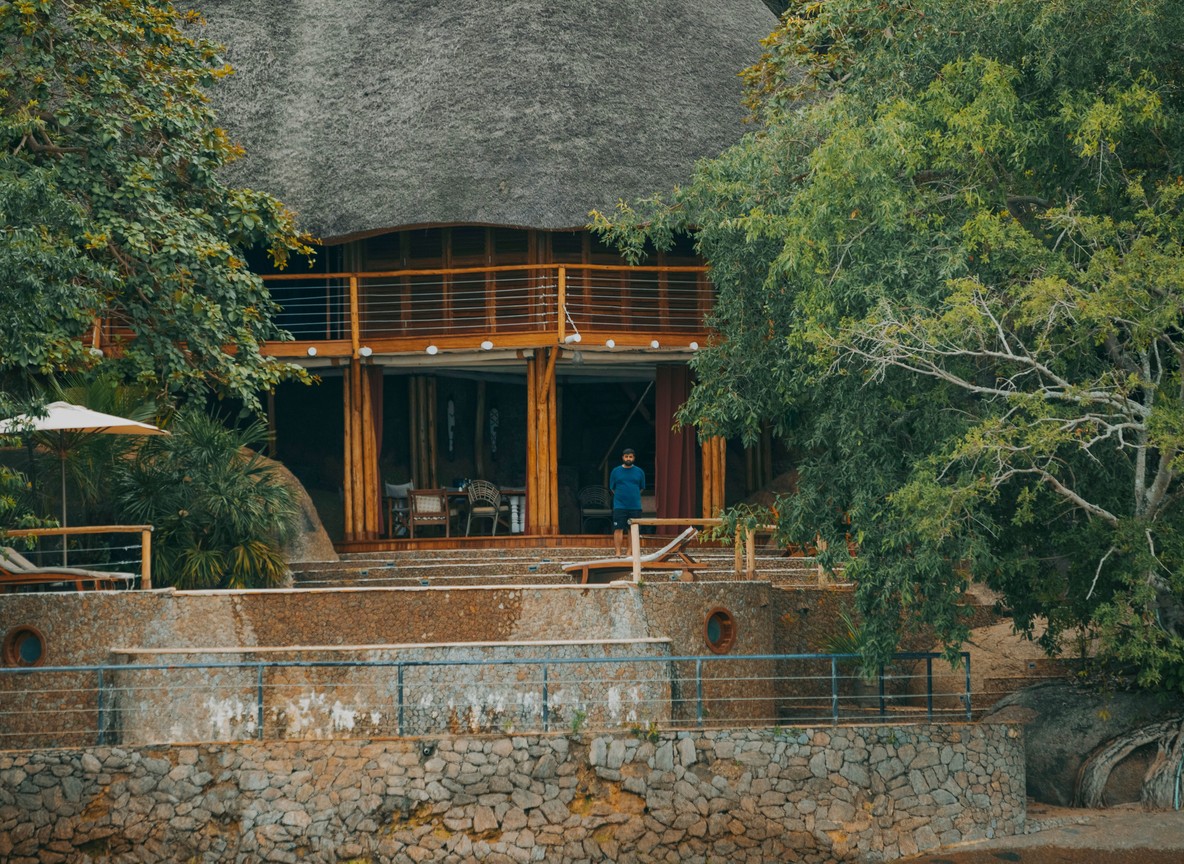
Accommodation is simple compared to Kenya’s luxury safari lodges, which fits the low-key character of the destination. Rondo Retreat, a former forestry manager’s residence dating to the 1950s, sits inside the Isecheno sector and remains the most established option, with cottages set directly among old-growth trees. Near Buyangu Gate, the KWS-run Kakamega Forest bandas offer basic self-catering rooms for travelers who want to be close to the northern trail network. Kakamega town itself has a handful of mid-range hotels for anyone who prefers a bed outside the forest boundary.
Kakamega Forest vs Other Kenya Safari Destinations
Travelers often ask how a Kakamega Forest Kenya safari compares to the country’s better known parks. Here is a straightforward comparison.
| Destination | Drive Time from Nairobi | Best For | Crowd Level |
|---|---|---|---|
| Kakamega Forest | 7 to 8 hours (or fly to Kisumu, 1 hour drive) | Rainforest birding, rare primates, solitude | Very low |
| Masai Mara | 5 to 6 hours (or 45 min flight) | Big cats, the wildebeest migration | High |
| Aberdare National Park | 2.5 to 3 hours | Highland forest, tree hotels, elephants | Moderate |
| Amboseli National Park | 4 to 5 hours | Elephant herds with Kilimanjaro views | High |
If your goal is ticking off the Big Five, Kakamega Forest is not the right stop. If you want a genuinely different ecosystem and species list within the same country, it wins that comparison outright.
Best Time of Year to Visit
Western Kenya follows its own rain pattern, distinct from the Mara or Amboseli. The long rains generally run from March through May, and the forest sees a shorter wet spell around October and November. The driest, most walkable windows fall between June and September, and again from December through February, when trails are firmer and birding visibility through the canopy improves. Rain can arrive most months, so pack for it regardless of season.
What to Pack and Expect
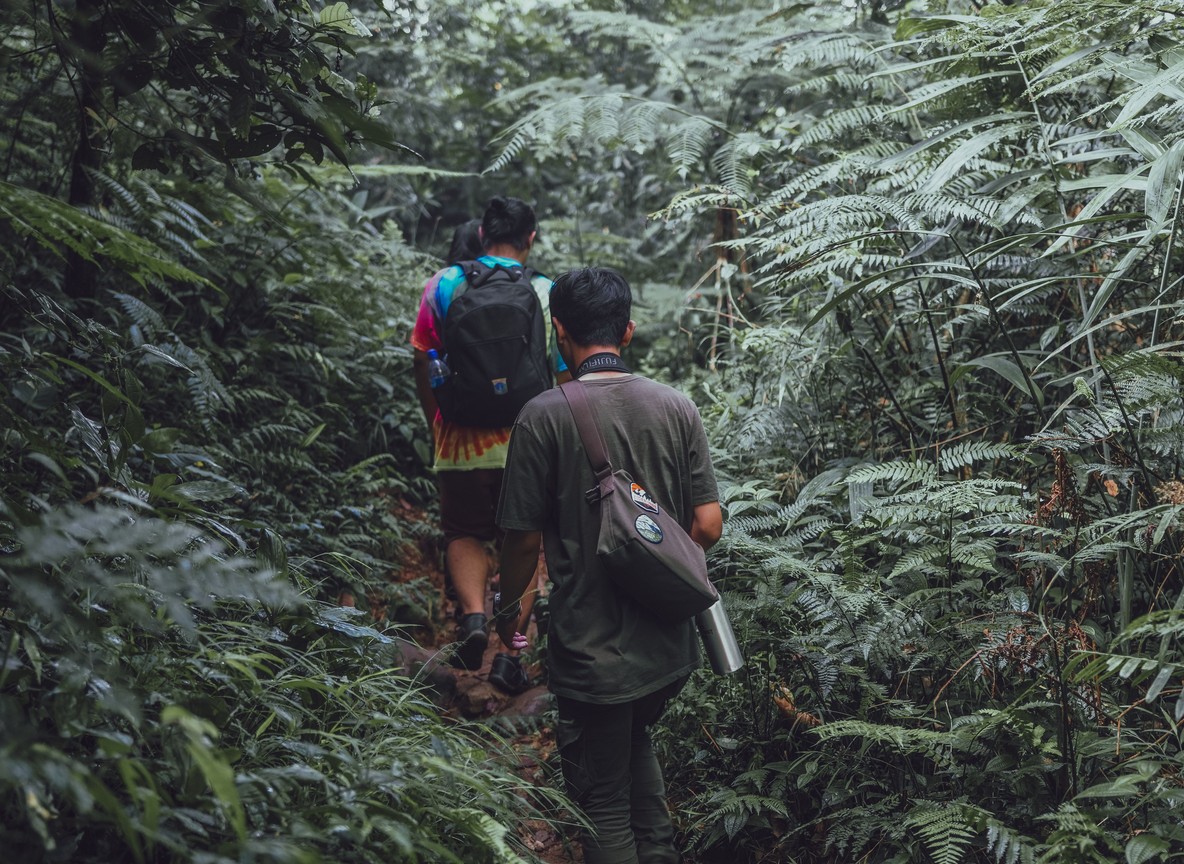
Kakamega sits at a lower elevation than the Kenyan highlands but still cools noticeably after dark, so pack a light jacket alongside warm-weather clothing. Sturdy closed shoes matter more here than on a game drive, since forest trails are uneven and often damp. Bring insect repellent, a rain jacket regardless of season, and binoculars if birding is a priority. Mobile network coverage is limited once you are deep in the forest, so download offline maps and confirm your guide meeting point in advance.
The Trunktrails Advantage
Planning a rainforest visit is a different skill set from planning a savannah game drive, and it shows the moment a generic itinerary sends travelers to the wrong gate or the wrong season. Trunktrails Safaris has run western Kenya routes long enough to know that Buyangu suits birders and primate spotting, while Isecheno and Rondo Retreat suit travelers who want a quieter lodge base.
Our tours and safaris team confirms current KWS and Kenya Forest Service rates before you travel, books night walks in advance so you are not turned away at the gate, and sequences your route so the long drive or short flight from Nairobi lands you at the forest with daylight to spare. When you book tours and safaris through Trunktrails Safaris, you get a driver-guide who has actually walked these trails, not a template pulled from a brochure.
Is Kakamega Forest Worth the Trip?
For travelers chasing lions and open plains, Kakamega Forest will feel like a detour. But for anyone who wants to see a great blue turaco move through rainforest canopy or hear a forest go quiet before a night walk begins, this is one of the few places in Kenya that delivers an experience the Mara simply cannot. 📸 It rewards the traveler who wants Kenya’s full range, not just its most photographed corner.
Plan Your Kakamega Forest Kenya Safari With Trunktrails Safaris
Ready to add Kenya’s only rainforest to your itinerary? Trunktrails Safaris can build a western Kenya route around Kakamega Forest, Lake Victoria, and Kisumu, with transport, guiding, and current entry fees confirmed before you travel.
Further reading
More safari planning resources
- Nairobi to Maasai Mara route guide from Valley Safaris
- Best time to visit Kenya on Touring Insights
- Compare Kenya safari packages on FindMySafari
- Best time to visit Kenya month-by-month map from Valley Safaris
Message us on WhatsApp at +254 113 208888 or email info@trunktrailssafaris.com to start planning, or visit trunktrailssafaris.com to see more Kenya tours and safaris built beyond the standard route. ✨

