
Kenya’s 2026 Hippo Relocation Crisis: Inside KWS Drought Rescue Operations 🦛
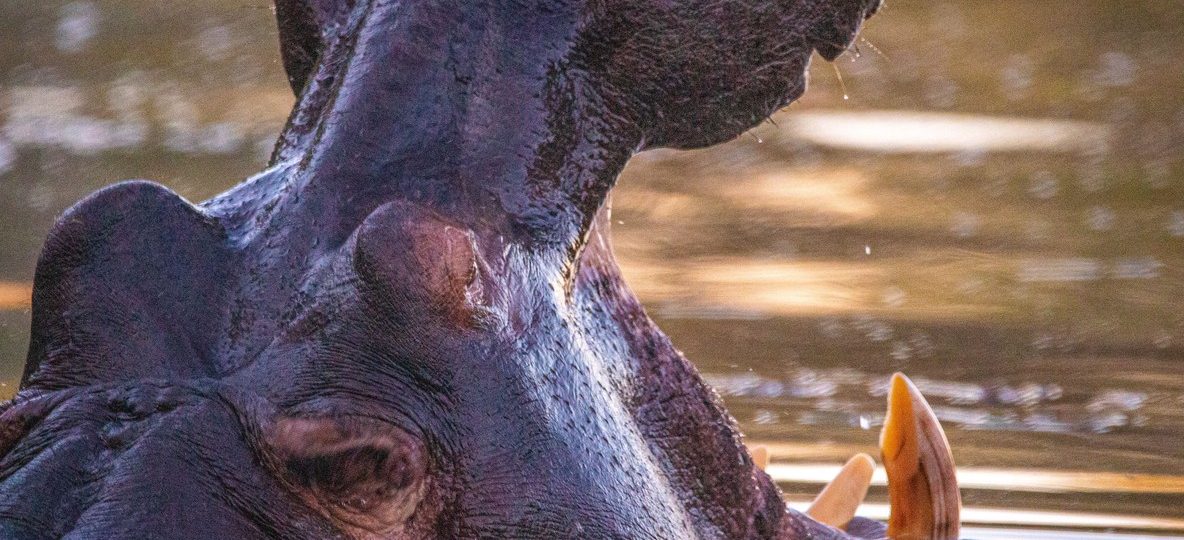
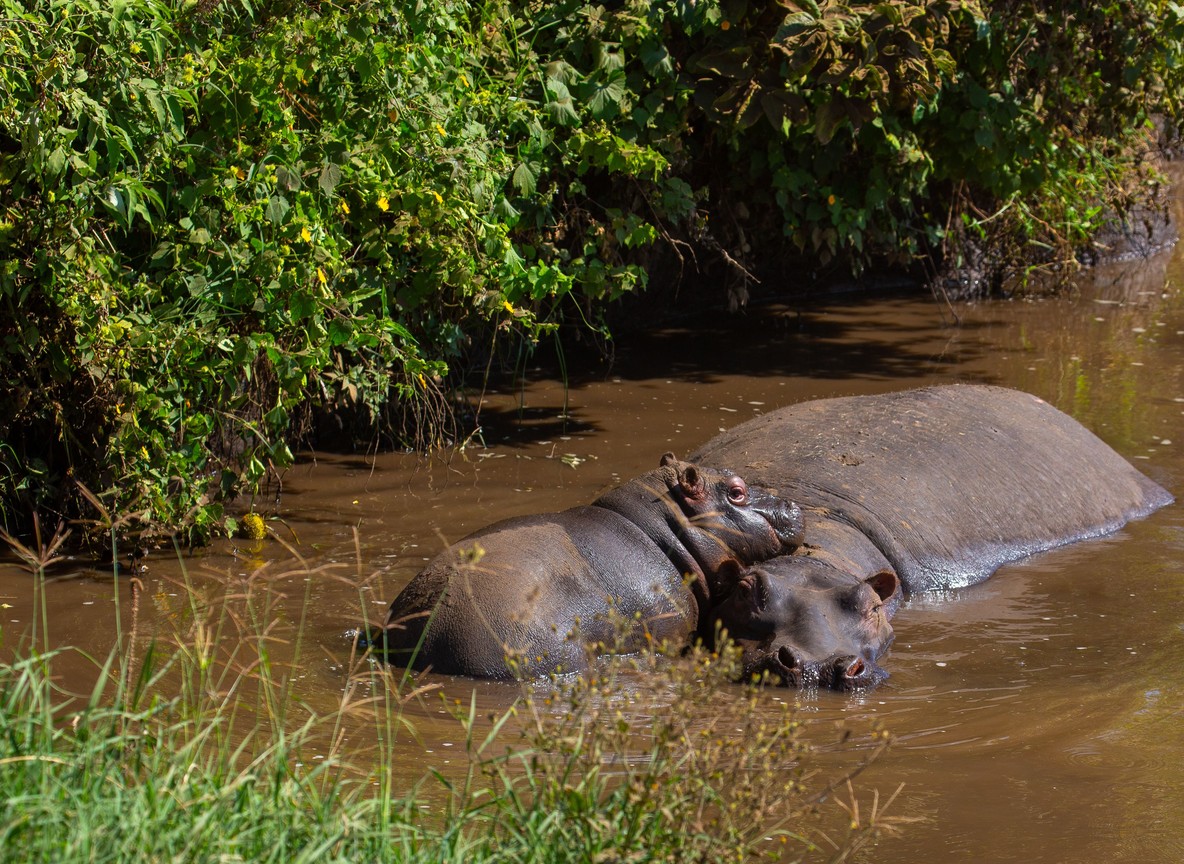
The hippo relocation kenya drought 2026 crisis started with a simple problem. Water ran out faster than anyone planned for. Weak rains through early 2026 left several of Kenya’s wetlands far below normal levels, and hippos, which need deep water every day to protect their skin and stay calm, began wandering onto farmland at night looking for what their shrinking lakes could no longer give them. Kenya Wildlife Service answered with an emergency relocation program, moving entire pods away from drying shorelines and into wetlands that still hold water. It is one of the most demanding rescue operations KWS runs, and it is happening right now.
For travelers who care about conservation, this crisis is not background noise. It shows what Kenyan wildlife management actually looks like when an ecosystem is under real stress, and it is a reminder that the tours and safaris you book help fund the rangers doing this work. Trunktrails Safaris follows every stage of this story closely, because it shapes how we brief guests before any trip into hippo country.
What Triggered the 2026 Hippo Relocation Crisis
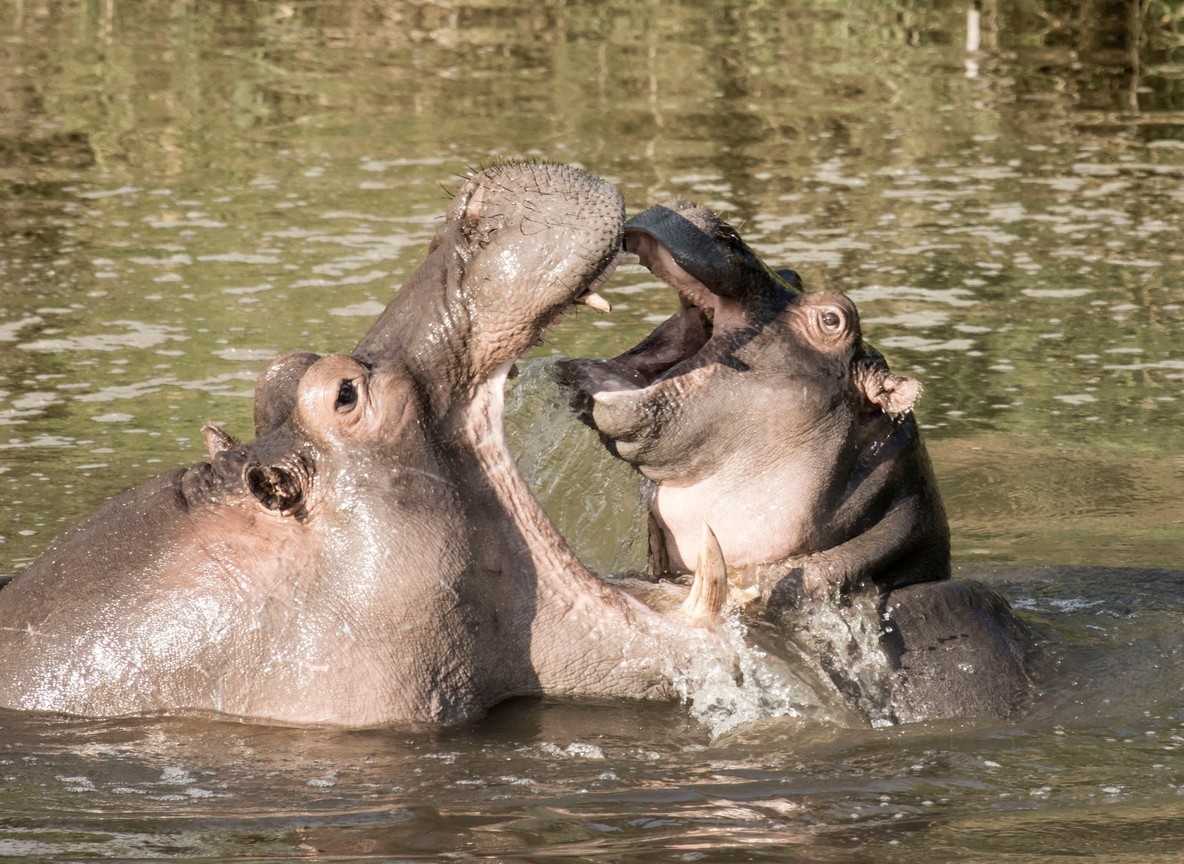
Kenya’s 2026 long rains underperformed across several catchment areas, and lakes that depend on steady rainfall rather than a major river system felt it first. Lake Ol Bolossat in Nyandarua County, the county’s only lake and the source of the Ewaso Narok River, dropped to a fraction of its usual water level by mid-year. Farmers around the lake reported hippos leaving the shoreline after dark to graze on maize and potato fields, sometimes kilometers from open water. Kenya Wildlife Service confirmed its relocation exercise began on July 7, 2026, moving hippos to a wetland with a more reliable water supply before the situation escalated into serious conflict.
Inside the Lake Ol Bolossat Operation
Lake Ol Bolossat has become the flagship case in this year’s crisis, and the numbers around it explain why KWS treated it as urgent.
| Detail | Figure |
|---|---|
| Distance from Nairobi | Approximately 180 km, via Nyahururu town |
| Elevation | Roughly 2,300 meters above sea level |
| Ramsar Wetland status | Designated in 2021 |
| Relocation operation start | July 7, 2026 |
| Adult hippo body weight | 1,500 to 3,200 kg |
| County significance | Nyandarua County’s only lake |
Lake Ol Bolossat also feeds the wider Ewaso Nyiro river system downstream, so its health matters well beyond the shoreline. It supports the endangered sitatunga antelope and more than 100 recorded bird species, which is part of why its Ramsar designation matters to conservationists watching the drought unfold.
How KWS Runs a Hippo Drought Rescue Operation
Moving a hippo is one of the most physically demanding tasks in wildlife management, and KWS teams follow a careful sequence to keep both the animal and the crew safe.
- Assessment and darting. Veterinary officers identify hippos under the most stress, usually those repeatedly found on farmland, then sedate them from a safe distance using calibrated doses for an animal that can weigh over 1,500 kg.
- Crating and transport. Once sedated, each hippo is loaded into a reinforced steel crate on a flatbed truck, with a vet monitoring breathing and heart rate for the entire drive.
- Release and monitoring. Hippos are released into a receiving wetland with dependable water depth and fewer nearby farms, then tracked for weeks to confirm they settle without wandering again.
This is slow, expensive work by design. Kenya Wildlife Service has run similar hippo and elephant translocations before, including operations tied to the 2021-2022 drought cycle, and each one builds on lessons about crate design, sedation timing, and choosing a release site that will not simply repeat the same crisis somewhere else.
Why Hippos Struggle More Than Other Wildlife in Drought
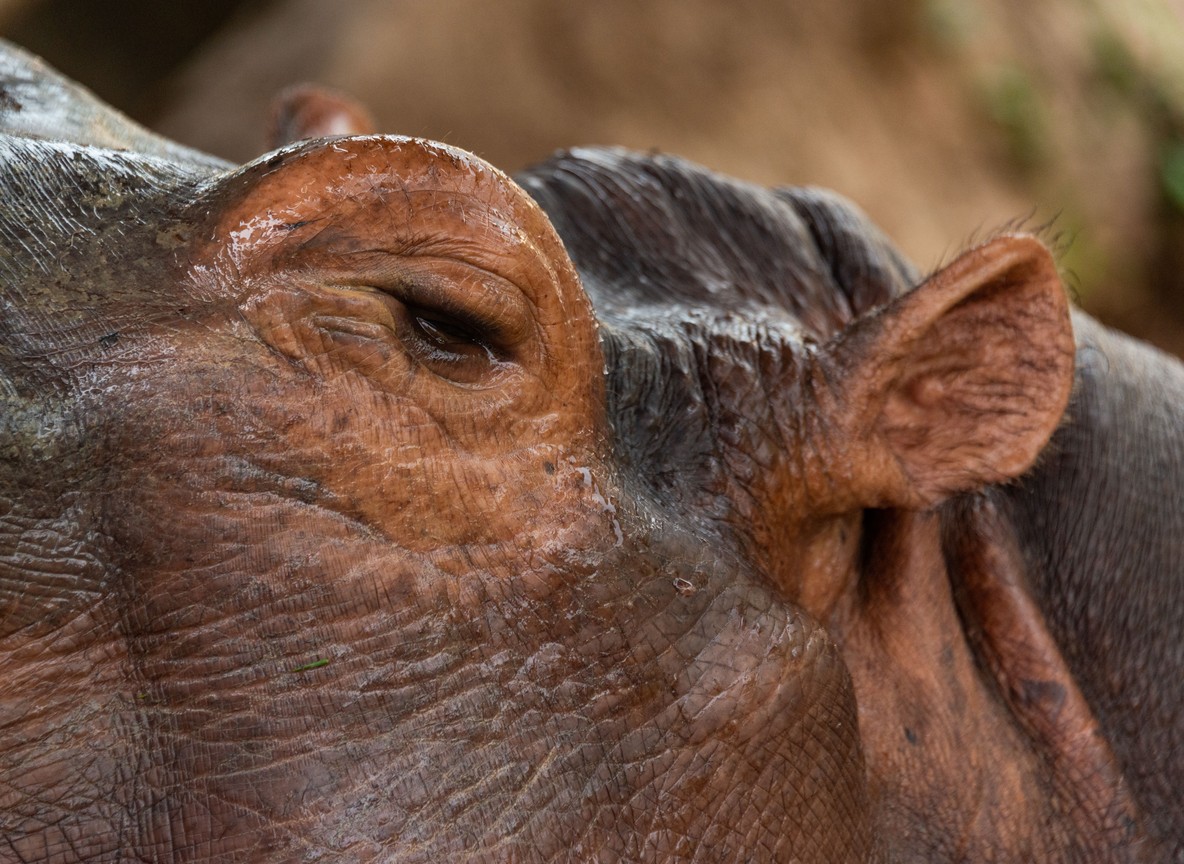
Hippos spend most daylight hours submerged to protect their skin from the sun, and they need to stay close enough to shore to graze on land at night. When a lake loses depth and surface area, that buffer disappears fast. Hippos start traveling further from water to find food, competing for shrinking pools with each other, and crossing paths with farms and roads they would normally avoid. Elephants and antelope can range widely to find new grazing. Hippos cannot survive far from deep water for long, which is exactly why drought turns into a relocation emergency for them faster than for almost any other large mammal in Kenya.
Human-Wildlife Conflict Across Kenya’s Drying Wetlands
The Ol Bolossat case is not isolated. As Kenya’s dry seasons intensify, wildlife that once stayed within clear ranges is spending more time near farms and settlements across multiple counties. Kenya Wildlife Service has increasingly framed this as a habitat stress problem rather than only a security issue, which changes how it responds. Instead of treating every hippo near a farm as a threat to be removed permanently, KWS teams now weigh relocation earlier, aiming to protect both the animals and the families whose crops and safety are at risk each night a hippo stays too close to home.
Where to See Hippos Safely While the Crisis Continues
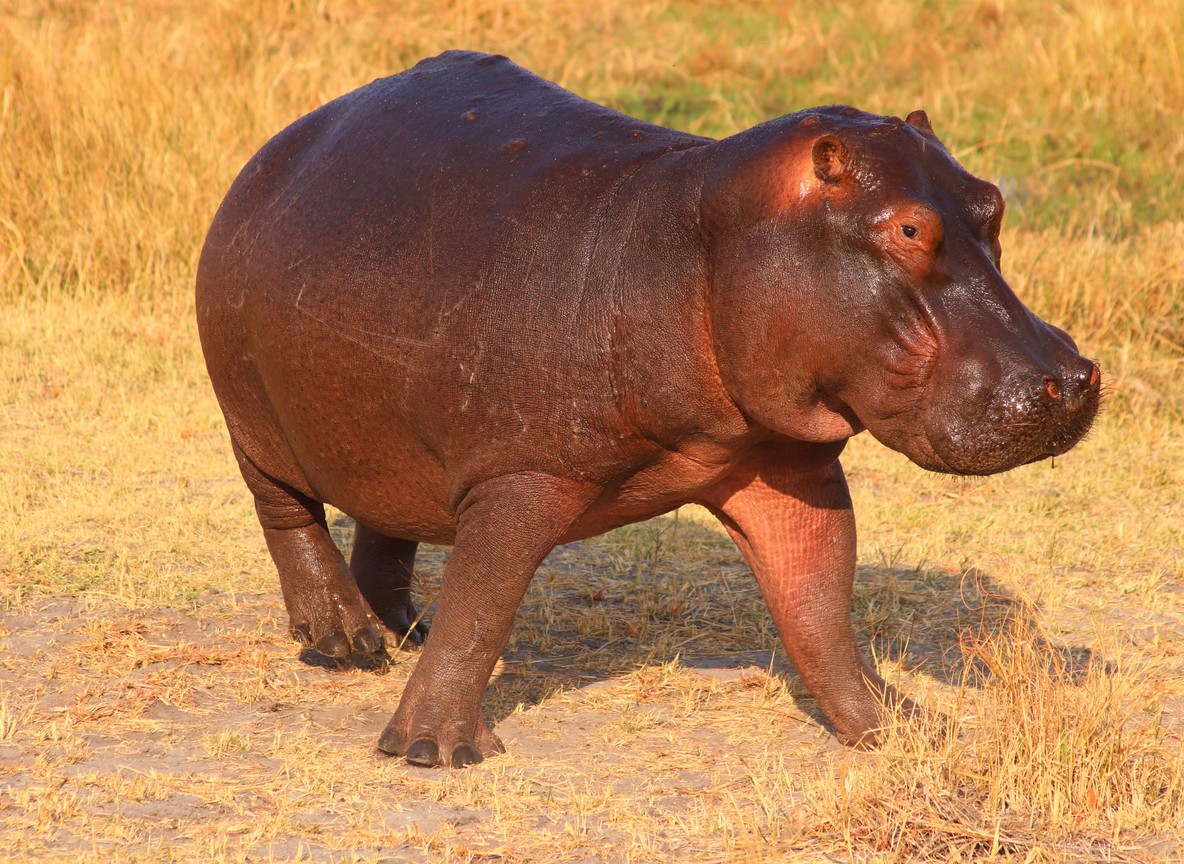
Hippos being relocated need calm water and time to settle, so Trunktrails Safaris is steering guests toward Kenya’s most stable hippo populations this season instead of drought-affected sites.
| Location | Distance From Nairobi | Drive or Flight Time | Entry/Boat Fee (Indicative, USD) | Hippo Viewing Notes |
|---|---|---|---|---|
| Lake Naivasha | 90 km | About 1.5 hr drive | 20-30 per person, boat safari | Daily boat trips pass large resident pods |
| Masai Mara National Reserve (Mara River) | 270 km | 5-6 hr drive or 45 min flight to Keekorok Airstrip | 80-100 per day, seasonal | Reliable pools near major river crossing points |
| Lake Nakuru National Park | 160 km | About 3 hr drive | 60 per day | Shoreline pods visible from standard game drive routes |
| Lake Baringo | 280 km | About 5 hr drive | 15-25 per person, community boat trip | Large, stable resident hippo population year round |
All fees above are indicative ranges only and change by season and operator, so always confirm current rates before booking. Lake Naivasha remains the simplest add-on for travelers based in Nairobi, while Lake Baringo and the Mara River offer the largest, most stable concentrations while Ol Bolossat’s population recovers.
Why This Crisis Matters for Conservation-Minded Travelers
Stories like this one are a useful lens on what conservation actually looks like day to day. It is rarely dramatic. It is a veterinary team working in mud before sunrise, farmers reporting damage so rangers know where to focus, and an agency choosing a slow, costly relocation over a faster option that would harm the animals. Park fees and conservancy levies collected across Kenya help fund Kenya Wildlife Service operations nationally, including emergency work like this one. Booking tours and safaris with an operator that explains these connections changes what a wildlife sighting means, because you start to see the system behind it rather than just the animal in front of you.
The Trunktrails Advantage
Trunktrails Safaris is a Kenyan-owned operator, and crises like this one shape how we prepare every guest before a trip into hippo territory.
| What We Provide | What It Means for You |
|---|---|
| Local, Kenyan-owned guiding team | Current, ground-level knowledge of where wildlife is concentrated this season |
| Briefings on the 2026 drought and relocation program | You understand the conservation story behind every sighting |
| Hippo-focused itineraries at Lake Naivasha, Lake Baringo, and Masai Mara | Reliable viewing while Ol Bolossat’s pod recovers |
| Transparent fee guidance | Clear indicative pricing before you book, no surprises |
| Small-group boat safaris and game drives | Lower pressure on wildlife and better sightings for you |
Every booking through Trunktrails Safaris helps fund the rangers and veterinary teams carrying out rescues like this one. Our guides do not just find the hippos, they explain why an operation like this matters this season. ✨
Plan a Safari That Supports the Rescue, Not Just the Sighting
Kenya’s hippos are living through one of their hardest years in recent memory, and the pods moved out of Lake Ol Bolossat still need calm water and time before they settle into a new home. While that recovery continues, Lake Naivasha, Lake Baringo, and the Mara River remain three of the most dependable places on the planet to watch hippos in the wild.
Further reading
More safari planning resources
- Best time to visit Kenya map from SafariPure
- Nairobi to Maasai Mara route guide from Valley Safaris
- Is Kenya safe to visit? on Touring Insights
- Masai Mara destination guide on FindMySafari
Message Trunktrails Safaris on WhatsApp at +254 113 208888, email info@trunktrailssafaris.com, or visit trunktrailssafaris.com to book tours and safaris that put you close to Kenya’s hippos while supporting the conservation work protecting them. 📸