
Fig Tree Camp Masai Mara Safari Kenya: The Complete Traveler’s Guide
If you are researching a fig tree camp masai mara safari kenya trip, you have found one of the most practical bases for exploring the reserve. Fig Tree Camp sits on the Talek River inside the Masai Mara National Reserve, and this guide walks through everything a first-time traveler actually needs: how to get there, what it costs, when to go, and how the camp compares to other well-known properties in the region. Trunktrails Safaris builds this kind of grounded detail into every itinerary we plan, because vague marketing copy does not help you pack a bag or book a flight. Read on for the numbers, the named landmarks, and the honest trade-offs.
Where Is Fig Tree Camp in the Masai Mara?
Fig Tree Camp stands on the southern bank of the Talek River, roughly 2 km from Talek Gate, one of the reserve’s busiest eastern entry points. The Masai Mara National Reserve itself covers 1,510 km² of rolling savannah in southwestern Kenya, bordering the Serengeti National Park in Tanzania to the south. Because the camp sits inside the reserve boundary rather than in a private conservancy, game drives begin the moment you cross the gate. Hippos and elephants use the Talek River as a daily route past the camp, so wildlife often arrives before you have unpacked.
How Do You Get to Fig Tree Camp From Nairobi?
Most travelers reach the camp one of two ways: a long road transfer or a short scheduled flight. Both routes are common on Trunktrails Safaris tours and safaris itineraries, and the choice usually comes down to time budget and comfort priorities.
| Route | Distance | Typical Duration |
|---|---|---|
| Nairobi (CBD/Westlands) to Fig Tree Camp by road | ~270 km via the B3 highway through Narok | 5 to 6 hours |
| Wilson Airport to Talek Airstrip (scheduled flight) | N/A | ~45 minutes |
| Talek Airstrip to Fig Tree Camp (road transfer) | 3 km | 10 minutes |
| Nairobi to Sekenani Gate (alternative road entry) | ~275 km | 5.5 to 6.5 hours |
The last hour of the road route runs on unpaved murram track, which is manageable but tiring after a long-haul flight. For travelers over 60, or anyone short on vacation days, the 45-minute flight is worth the extra cost.
When Is the Best Time to Visit Fig Tree Camp Masai Mara?
The Masai Mara is a year-round destination, but timing changes what you see and what you pay.
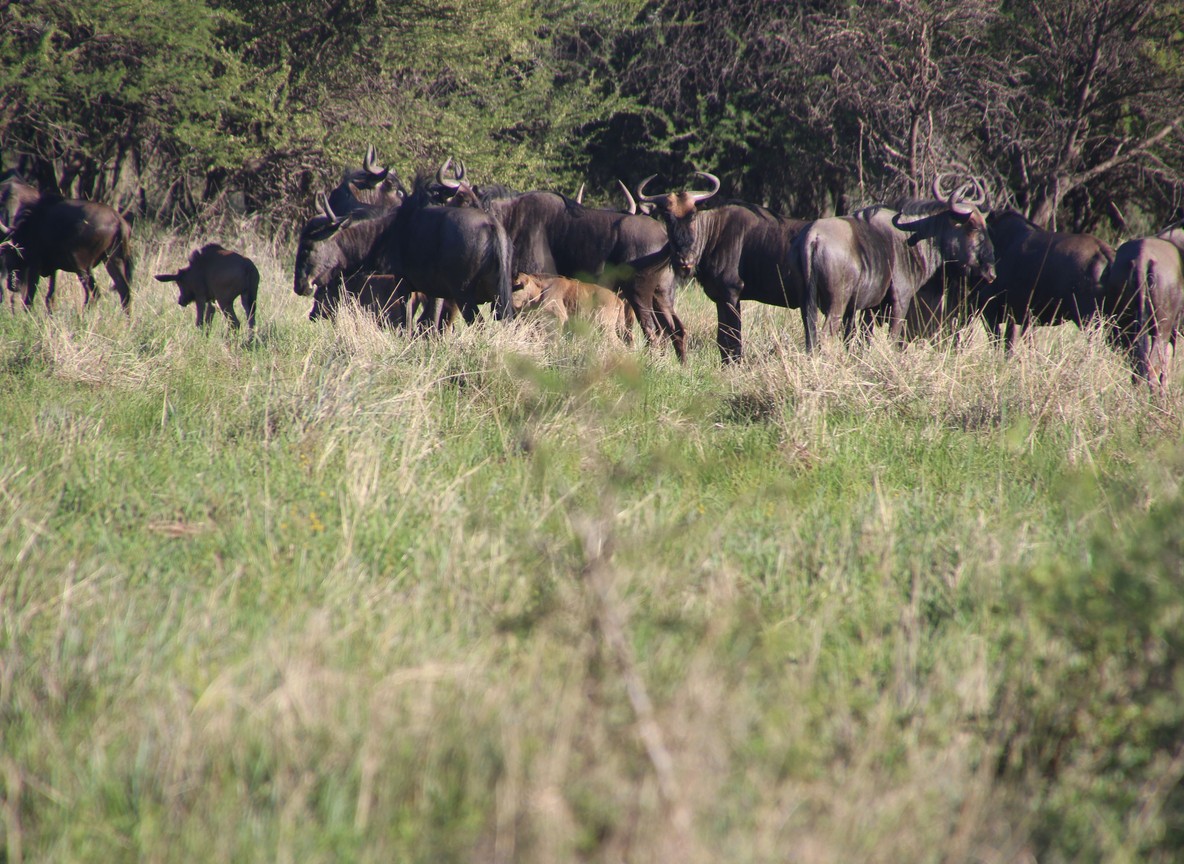
- July to October: Peak season. The Great Migration crosses the Mara River roughly 35 km west of camp, and wildebeest columns move through the eastern plains near Talek in huge numbers. Book rooms 6 to 9 months ahead.
- November to March: Short rains give way to a dry, warm stretch. Resident wildlife viewing stays strong and rates drop from peak levels.
- April to May: The long rains. Roads get muddy and some conservancies restrict game drive routes, but bird life peaks and camps offer their lowest indicative rates of the year.
- June and late October: Shoulder months. Good value, thinner crowds, and migration herds either arriving or departing depending on the year.
Reserve conservation fees also matter for budgeting. As a general, indicative guide (always confirm current rates before booking), non-resident adult conservation fees for the Masai Mara National Reserve run in the range of USD 70 to 80 per person per 24 hours in high season, with reduced rates for children. Private conservancies bordering the reserve, such as Mara North and Naboisho, typically charge their own separate conservancy fees on top of accommodation rates.
What Does Fig Tree Camp Cost Compared to Other Masai Mara Camps?
Rates shift with season, room category, and how far in advance you book, so treat the figures below as indicative planning ranges rather than fixed prices.
| Property | Location | Indicative Rate (per person/night, high season) | Reserve/Conservancy Fee |
|---|---|---|---|
| Fig Tree Camp | Talek River, Reserve (Narok side) | $180 to $280 | ~$70 to $80 (reserve) |
| Basecamp Masai Mara | Talek River, Reserve | $220 to $340 | ~$70 to $80 (reserve) |
| Mara Serena Safari Lodge | Mara Triangle | $260 to $420 | ~$70 (Mara Triangle) |
| Governors’ Camp | Musiara, reserve boundary | $450 to $700 | ~$70 to $80 (reserve) |
| Naboisho Conservancy tented camp (e.g. Ol Seki) | Naboisho Conservancy | $380 to $600 | ~$100 (conservancy) |
Fig Tree Camp lands in the mid-range bracket, which is exactly why it appears so often in family and first-time Masai Mara searches. You get reserve-side game viewing, a swimming pool, and a swing bridge connecting the two camp sections across the river, without paying conservancy-camp premiums.
What Are the Rooms and Facilities Like?
Fig Tree Camp runs Superior Tents, Deluxe Tents, and interconnecting Family Tents, all raised on wooden platforms along the riverbank. Each tent has a private verandah, en suite bathroom with hot water, and mosquito netting. Shared facilities include a swimming pool overlooking the bush, a main restaurant and bar with a river-view deck, Wi-Fi in common areas, and a campfire circle for evening storytelling. There is no air conditioning, but ceiling fans and the riverside breeze handle most of the year comfortably.
What Wildlife and Activities Can You Expect?
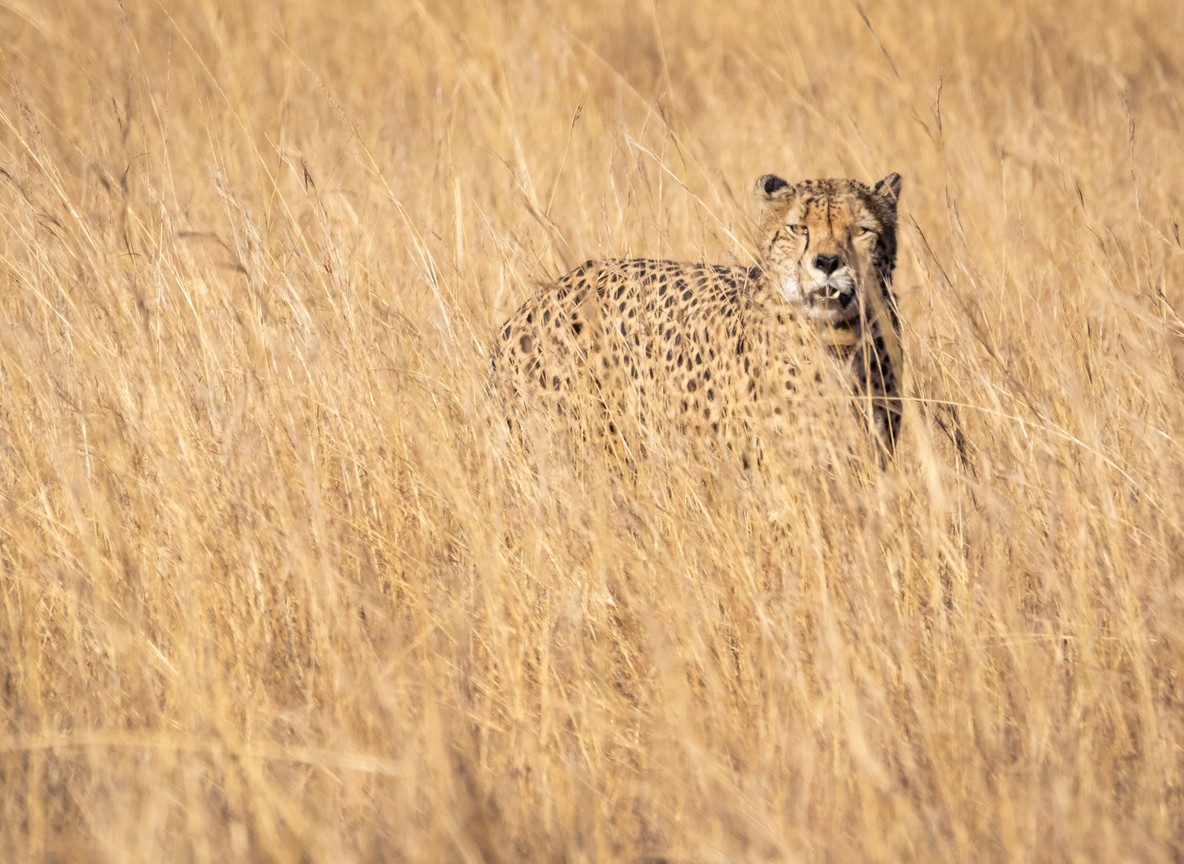
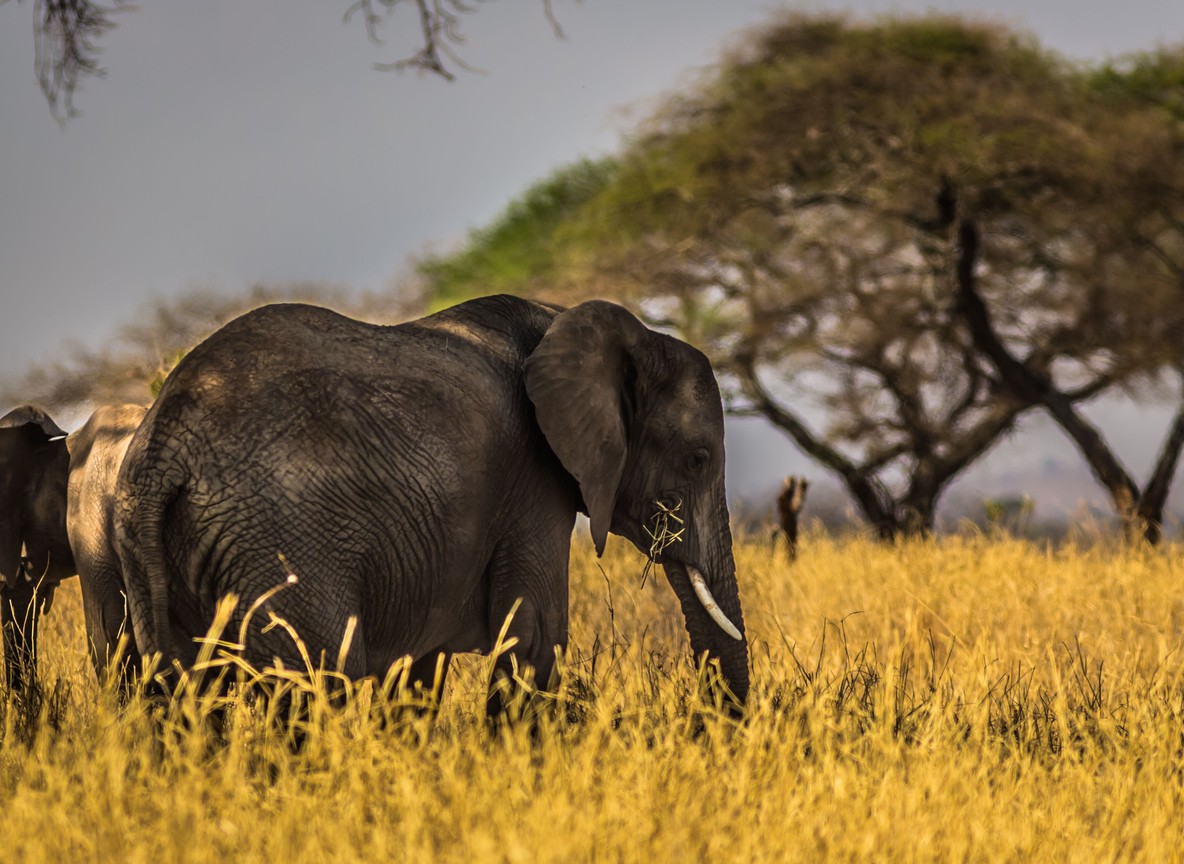
The Talek River corridor stays active year-round. 🦁 Hippo pods surface at dusk, elephants cross most mornings, and the Big Five, lion, leopard, elephant, buffalo, and rhino, all range through this section of the reserve. Between July and October, wildebeest and zebra columns from the Great Migration pass within a short drive, with the famous Mara River crossing points around 35 km to the west.
Standard activities from Fig Tree Camp include:
- Morning and afternoon game drives in open 4×4 vehicles
- Guided nature walks along the Talek riverbank
- Maasai village visits arranged through the camp
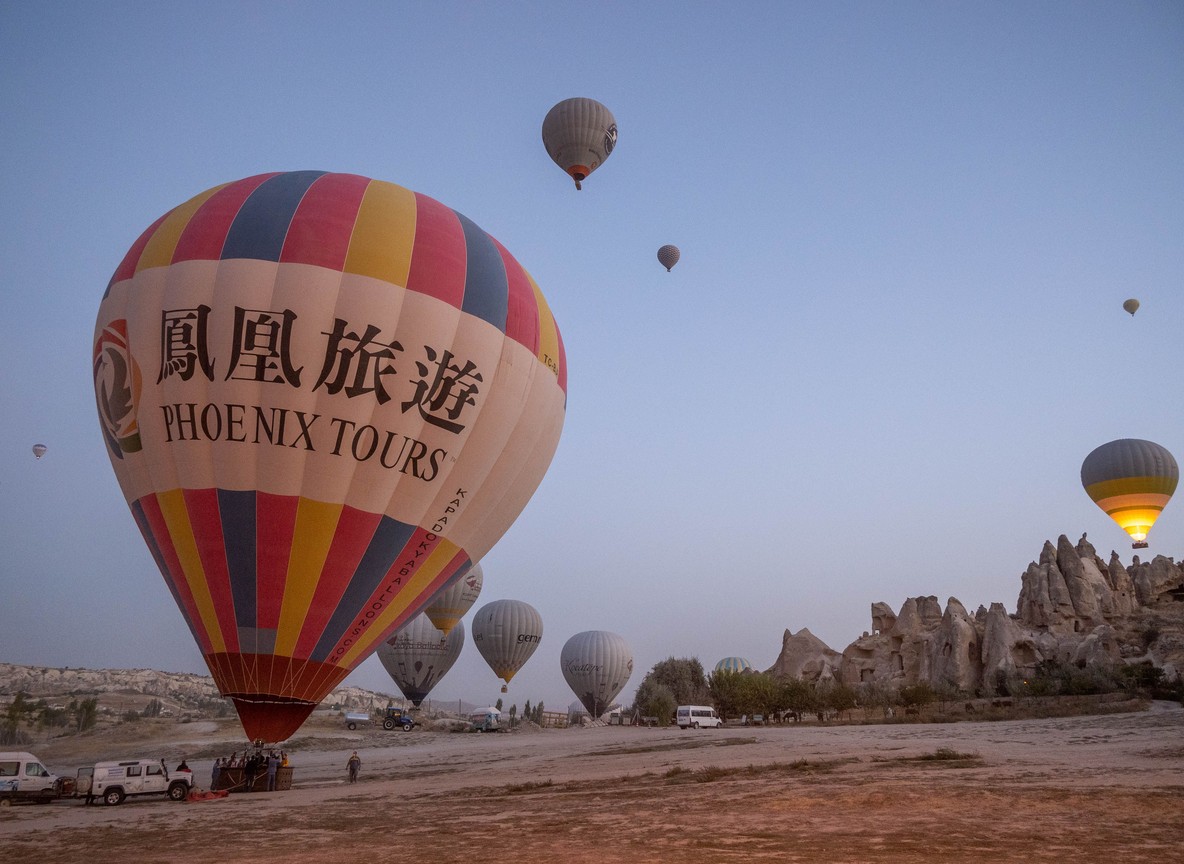
- Optional hot air balloon safaris over the plains at sunrise 🌅
- Sundowner drives timed to the golden hour
How Do You Book a Stay at Fig Tree Camp?
Booking directly with a Kenyan tour operator gives you more flexibility than booking the camp in isolation, since your safari almost always includes transfers, park fees, and a vehicle with a guide. The general steps look like this:
- Confirm your travel window and check it against the migration and rain calendar above.
- Decide on road transfer or charter flight from Nairobi.
- Choose a room category, Superior, Deluxe, or Family Tent, based on group size.
- Bundle Fig Tree Camp into a wider Masai Mara itinerary so park fees, meals, and game drives are handled in one package.
- Confirm your reserve conservation fees and any conservancy add-ons before final payment.
Frequently Asked Questions About Fig Tree Camp
Is Fig Tree Camp good for families? Yes. The interconnecting Family Tents, swimming pool, and reserve-side location make it one of the more practical family picks among masai mara safari camps, especially for travelers who want game drives without a long transfer each day.
Is Fig Tree Camp inside the Masai Mara National Reserve or a private conservancy? It sits inside the reserve itself, on the Narok County side near Talek Gate. That means standard reserve conservation fees apply, and there is no separate conservancy fee layered on top, unlike camps based in Mara North or Naboisho.
Do I need a 4×4 vehicle to reach the camp? Road transfers use a 4×4 safari vehicle for the full 270 km route from Nairobi, since the final stretch runs on unpaved murram track. Trunktrails Safaris arranges this as part of the full itinerary, so you are never sourcing a vehicle separately.
What should I pack for a stay at a Talek River camp in Kenya? Neutral-toned clothing, a warm layer for early morning game drives, sun protection, and a basic insect repellent cover the essentials. Camps supply mosquito nets and bedding, so there is no need to bring your own.
The Trunktrails Advantage
Trunktrails Safaris is a Kenyan-owned operator built around exactly this kind of ground-level detail. Our team plans tours and safaris that put Fig Tree Camp and similar Talek River properties into itineraries matched to your season, budget, and pace, not a generic template. We handle the road versus flight decision, the reserve and conservancy fee math, and the vehicle logistics so you arrive at camp with nothing left to figure out. Because we operate on the ground in Kenya, our guides know which gate has less queue traffic on a given morning and which game drive routes are producing sightings that week. That local knowledge is the difference between a good safari and one you talk about for years.
Further reading
More safari planning resources
- Interactive Maasai Mara map from Valley Safaris
- Maasai Mara National Reserve guide on Touring Insights
- Masai Mara destination guide on FindMySafari
- Kenya tour packages from Valley Safaris
Ready to Plan Your Fig Tree Camp Safari?
A fig tree camp masai mara safari kenya trip works best when it is planned around your dates, not a one-size-fits-all package. Trunktrails Safaris can build your itinerary around the migration calendar, your budget band, and whether you want the road transfer or the short flight from Nairobi. Message us on WhatsApp at +254 113 208888 or email info@trunktrailssafaris.com to start planning your dates now, availability at Fig Tree Camp tightens fast once migration season approaches. Visit trunktrailssafaris.com to see our full range of tours and safaris across the Masai Mara and beyond. ✨