
Chalbi Desert Safari: Crossing Kenya’s Only True Desert on the Turkana Route
Picture a horizon with nothing on it. No hills, no trees, no fences. Just a pale, cracked plain that shimmers with heat and stretches so far that the sky seems to bend down and touch it. This is the Chalbi, and a chalbi desert safari kenya travellers rarely attempt is one of the last genuine frontier journeys left in East Africa. 🌍
Most visitors to Kenya see green plains and big cats. Far fewer point their vehicle north, past Marsabit, into the only landscape in the country that earns the word desert. This guide lays out the real route, the honest distances, the camps that exist out there, and how Trunktrails Safaris turns a hard expedition into a safe, well-run adventure.
Where Is the Chalbi Desert?
The Chalbi Desert sits in Marsabit County in Kenya’s far north, roughly between Marsabit town and the eastern shore of Lake Turkana. It is an ancient lake bed, which is why the ground is often flat, salty and white rather than sandy like the Sahara. After rare heavy rain it can flood into a shallow sheet of water, then bake dry again within weeks.
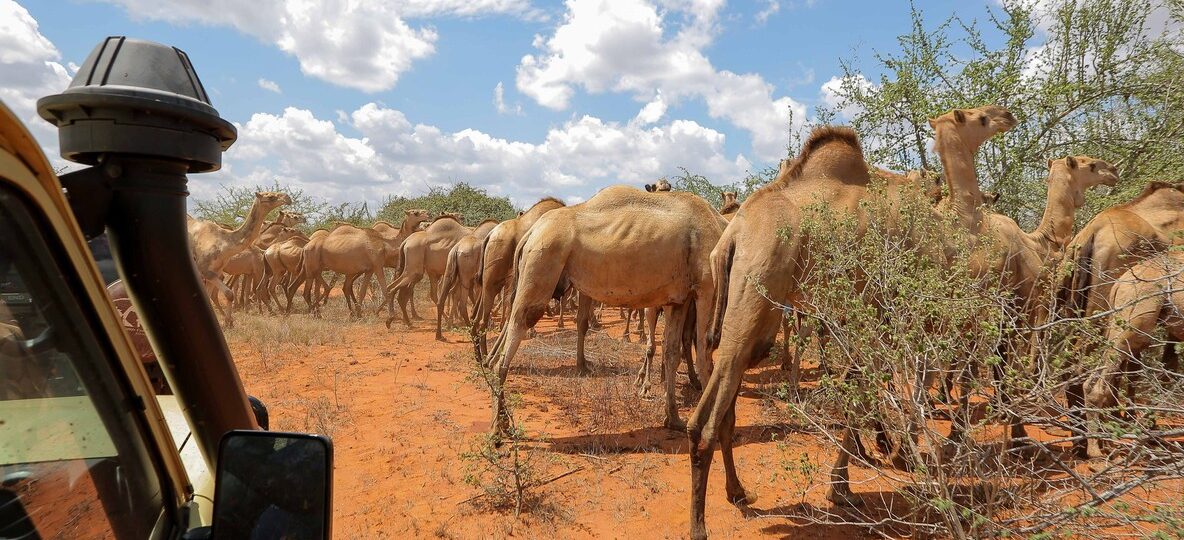
People call it Kenya’s only true desert because it is the one region that stays genuinely arid year round, with very low rainfall and searing daytime heat. Around its edges you find oases such as Kalacha, where palm trees and spring water support Gabbra herders and their camels. These green dots in a burnt landscape are the heart of any Chalbi crossing.
The desert is not a fenced national park. It is a living, working homeland for the Gabbra, Rendille and Turkana peoples, so every visit is also a cultural journey.
The Turkana Route: Nairobi to the Jade Sea
A classic Chalbi trip runs north from Nairobi to Marsabit, crosses the desert to the oasis at Kalacha and North Horr, then drops down to Loiyangalani on the shore of Lake Turkana, the largest desert lake on earth. Locals call Turkana the Jade Sea for its strange green colour.
Here is the route with real, on the ground numbers so you can plan honestly. Fees are indicative and can change, so confirm current rates when you book.
| Leg / stop | Distance (approx) | Drive time | Road type | Notes |
|---|---|---|---|---|
| Nairobi to Marsabit | 560 km | 8 to 9 hrs | Tarmac (A2 highway) | Smooth via Isiolo; fuel and lodges available |
| Marsabit to Kalacha oasis | 120 km | 4 to 5 hrs | Rough track / desert | First real Chalbi crossing; carry water |
| Kalacha to North Horr | 55 km | 1.5 to 2 hrs | Desert track | Gabbra town, small guesthouses |
| North Horr to Loiyangalani | 130 km | 4 to 5 hrs | Rough track | Ends on the Turkana shore |
| Marsabit to Loiyangalani (total) | ~305 km | 2 driving days | Mixed | Best broken over two days |
Indicative costs to budget for:
- Marsabit National Park (KWS) non resident fee: about USD 22 per adult per day
- Sibiloi National Park (KWS, east Turkana) non resident fee: about USD 22 to 30 per adult per day
- Loiyangalani camp, full board: roughly USD 60 to 150 per person per night, depending on the property
- Fly in charter (Nairobi to Loiyangalani airstrip): typically a four figure USD cost per aircraft, split across the group
Named places you will actually pass or stay: Marsabit National Park and its crater lakes, the Kalacha mission and springs, North Horr, Loiyangalani town, Palm Shade Camp, Malabo Resort, and, for those adding a boat leg, South Island National Park out in the lake.
Fly In or Drive? Two Honest Options
You can reach the Chalbi region two ways, and they suit different travellers.
Driving the full Turkana route is the purist choice. You feel the scale of the land, meet people along the way, and see the desert change hour by hour. It also means long days, dust, and a convoy that must carry spare fuel, tyres and water.
Flying in cuts a two day drive to a short charter into the Loiyangalani airstrip, then day trips out to the desert edge and lake. It costs more per person but saves days and spares you the roughest tracks. Many of our guests fly one way and drive the other to get both the comfort and the full sense of distance.
For remote regions like this, tours and safaris that are properly supported are not a luxury. They are a safety requirement.
Best Time for a Chalbi Desert Safari
The Chalbi is hot all year, with daytime highs often between 30 and 40 degrees Celsius. Season choice is really about the tracks and the sky.
- June to March (dry): The best window. Tracks are firm and passable, and the desert light is clean. June also brings the Marsabit Lake Turkana Cultural Festival at Loiyangalani, a gathering of the region’s peoples.
- April to May and again around November (rains): Short but intense storms can flood the flats and cut tracks for days. We generally avoid crossings then.
Early morning and late afternoon are the only comfortable times to travel or walk. Midday belongs to shade and rest, the way desert peoples have always lived.
What You Actually See Out There
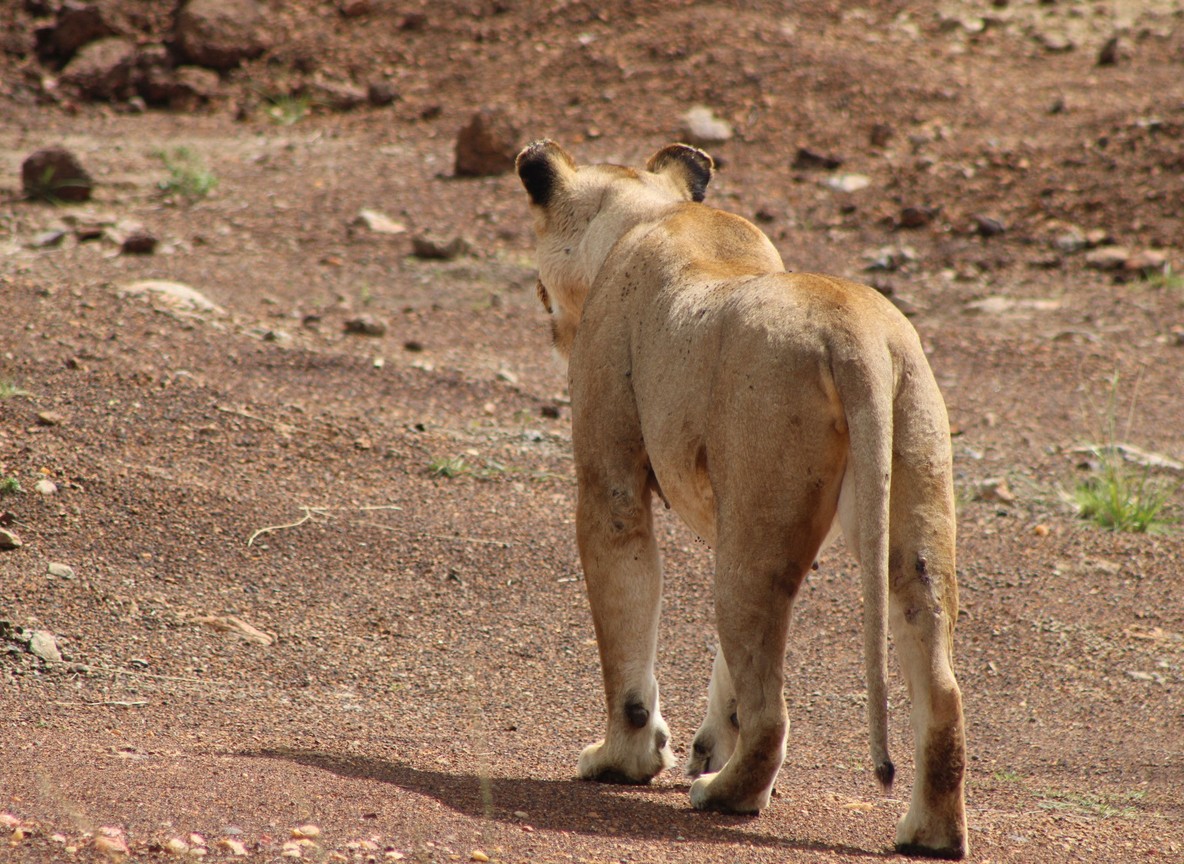
This is not a big five region, and that is the point. A Chalbi safari trades lion sightings for something rarer.
You see singing wells where Gabbra men water camels by hand. You see the El Molo, one of the smallest communities in Kenya, living beside Lake Turkana on a diet of fish and Nile perch. You see Sibiloi National Park, the fossil site around Koobi Fora that helped rewrite the story of early humans. You see night skies with no light pollution at all.
Wildlife is thin but real: Grevy’s zebra, oryx, gerenuk, ostrich and, at Marsabit, elephant and greater kudu in the forest around the crater lakes. The reward here is landscape, culture and deep quiet, not a crowded sighting.
The lake itself is alive. Lake Turkana holds one of the world’s largest Nile crocodile populations, and its shores draw flamingos and other water birds in good numbers. A short boat trip to South Island National Park, a volcanic cone rising straight from the water, shows the raw, geological nature of this place better than any photo can.
A Sensible Chalbi Itinerary
Because the distances are large, a rushed trip helps nobody. Here is the shape of a route that works well and leaves room to breathe.
- Days 1 to 2: Nairobi to Marsabit, with a night on the way or a direct long drive, then rest at Marsabit and explore its crater lakes.
- Day 3: Cross the Chalbi to Kalacha oasis, meet Gabbra herders, and camp or stay at the mission.
- Day 4: North Horr to Loiyangalani on Lake Turkana, settling into a lakeside camp.
- Day 5: Full day at the lake, El Molo village visit, and an optional boat to South Island.
- Days 6 to 7: Return south, or fly out from the Loiyangalani airstrip to save two driving days.
This pacing is the version most of our guests choose, and it is the backbone of the tours and safaris we run into the far north.
How to Prepare for the Desert
The Chalbi punishes the unprepared. A few non negotiables from our guides:
- Travel in at least two vehicles so one can recover the other.
- Carry more water than you think you need, plus rehydration salts.
- Bring sun cover, a wide hat, and lip and skin protection.
- Keep phones charged with a power bank; signal is rare to absent.
- Respect photography etiquette and always ask before photographing people.
Good planning is what separates a great memory from a genuine emergency out here.
The Trunktrails Advantage
Northern Kenya rewards operators who know it and quietly punishes those who do not. Trunktrails Safaris runs the Chalbi and Turkana route with local knowledge that you cannot buy off a map. As a native Kenyan owned operator, our guides come from and work alongside the very communities you will meet, so introductions at Kalacha, North Horr and Loiyangalani are warm and real.
Every Trunktrails Safaris expedition to the Chalbi is built for safety first: convoy vehicles, satellite communication, tested fuel and water planning, and camps confirmed before you leave tarmac. We match the trip to you, whether you want a rugged full drive or a comfortable fly in base at Lake Turkana. Because we run tours and safaris across Kenya every week, we can also fold the Chalbi into a wider route, adding Samburu or Marsabit on the way north.
When you travel with Trunktrails Safaris, you get an operator that treats this fragile region and its people with respect, and that has the recovery plan ready long before you ever need it. That is the difference between an adventure and an ordeal. ✨
Ready to Cross Kenya’s Last Frontier?
The Chalbi is not for everyone, and that is exactly why it stays unforgettable. If the idea of standing alone on a white desert plain, then sleeping beside the Jade Sea, pulls at you, the next step is a real conversation about dates, vehicles and route.
Further reading
More safari planning resources
- Nairobi to Maasai Mara route guide from Valley Safaris
- Is Kenya safe to visit? on Touring Insights
- Big Five safari collection on FindMySafari
- Kenya national parks map from Valley Safaris
Message our team on WhatsApp at +254 113 208888, email info@trunktrailssafaris.com, or visit trunktrailssafaris.com to start planning your Chalbi desert expedition. Tell us how many days you have, and we will build the crossing around you. The desert is waiting. 🐘