

Best Time to Visit Kenya for Safari: A Month-by-Month Guide
You want to visit Kenya. But when?Kenya’s wildlife, weather, and tourism seasons vary dramatically throughout the year. Visit in the wrong month, and you’ll face heavy rains, limited wildlife viewing, and crowded parks. Visit at the right time, and you’ll experience perfect weather, incredible wildlife encounters, and the safari of a lifetime.The truth is: there is no single “best” time to visit Kenya. The best time depends on what you want to experience—the Great Migration, calving season, lush green landscapes, or fewer crowds.This guide breaks down every month, showing you what to expect, what wildlife you’ll see, weather conditions, and which experiences are best for each season. By the end, you’ll know exactly when to book your Kenya safari with Trunktrails Safaris. Weather: Rainfall continues, warm (25–30°C), lush vegetationWildlife: Dispersed across landscape. Harder to spot but still present.What to expect: Weather: Dry, cool mornings (10–15°C), warm days (25–30°C)Wildlife: Peak season. Millions of animals in Mara. Daily river crossings.What to expect:
- Best Overall Months: June to October and January to February are widely regarded as the top times to visit. These months offer the most reliable wildlife viewing, pleasant weather, and prime opportunities to witness the legendary Great Migration in the Masai Mara—typically arriving in July or August and lingering into September before the herds return to Tanzania’s Serengeti.
- High Season: June to October and December to March. Expect some parks—especially Masai Mara, Amboseli, and Lake Nakuru—to be very popular during these months, so prepare for more visitors.
- Low Season: April and May bring the heaviest rains. Some lodges and camps in wetter regions may close temporarily, and certain roads can become challenging, but you’ll find fewer crowds and lush, vibrant landscapes.
- Dry Spells: January and February offer a short, dry window between rainy periods—another excellent time for game viewing with fewer crowds.
- Weather Highlights: June to October delivers the best weather overall, with little to no rainfall. On the flip side, March through May is peak wet season, when heavy rains can impact travel and wildlife visibility.
Kenya’s Seasons: Understanding the Rhythm
Kenya has two main seasons: wet and dry. But within those broad categories, there’s significant variation.When the Weather Gets Tricky: Highlands and Coastal Parks
While the Masai Mara National Reserve remains an excellent wildlife destination year-round, the story is a bit different for parks in Kenya’s highlands and along the coast. These regions are most challenging to visit during the peak of the rainy season, typically from March to May. During these months, expect a combination of heavy, prolonged rains, high humidity, and warmer temperatures.Travelers may encounter muddy roads, flooded tracks, and increased insect activity, making some parks harder to access and less enjoyable to explore. It’s worth noting that certain lodges and camps—even some well-known ones—choose to close temporarily during the wettest weeks due to these conditions. If your plans include destinations like Aberdare National Park or coastal gems such as Tsavo East and Shimba Hills, it’s best to check opening dates and local forecasts before you go.When Are Mosquitoes Less of a Problem in Kenya?
If you’re hoping to minimize mosquito hassles during your Kenya safari, aim for the dry season (June to October). During these months, rainfall is scarce, and standing water—the mosquitoes’ favorite breeding ground—becomes harder to find. As the landscape dries out, mosquito populations drop, making evenings more comfortable and bites far less of a headache.In addition to the clear skies and crisp mornings, you’ll enjoy fewer insect interruptions at camps and lodges. While some travelers pack their weight in repellent just in case (always wise!), rest assured: the dry season is easily the most mosquito-friendly window of the year in Kenya.Dry Season (June–October)
- Weather: Clear skies, cool mornings, warm days, low humidity
- Wildlife: Concentrated around water sources; easier to spot
- Vegetation: Sparse; animals visible from distance
- Tourism: Peak season; more tourists, higher prices
- Best for: Wildlife viewing, photography, comfortable travel conditions
How Busy Are the Parks During High Season?
During high season—especially from June to October and again from December to March—some of Kenya’s most famous parks can become bustling hubs of activity. Expect iconic spots like the Masai Mara, Amboseli, and Lake Nakuru to attract sizable crowds, with popular wildlife hotspots, viewpoints, and lodges filling up quickly.While this is the best time for wildlife viewing, keep in mind that sharing the prime vantage points with other safari-goers is part of the experience. If you prefer quieter trails, it’s a good idea to book well in advance or consider visiting lesser-known parks for a bit more solitude.Wet Season (November–May)
- Weather: Regular rainfall, lush vegetation, warm temperatures
- Wildlife: Dispersed across landscape; harder to spot (but still present)
- Vegetation: Thick and green; animals blend in
- Tourism: Low season; fewer tourists, lower prices
- Best for: Birdwatching, lush landscapes, budget travel, solitude
- Availability: Some lodges and camps temporarily close during part of the wet season, so it’s wise to double-check availability before planning your stay.
Wildlife Viewing by Month: Amboseli, Masai Mara, and Lake Nakuru
While Kenya’s broad wet and dry seasons set the stage, the wildlife experience can vary month-by-month depending on the park you visit. Here’s how the calendar typically shapes your safari prospects in three of Kenya’s most-loved parks.Amboseli National Park
Amboseli is renowned for its elephant herds and scenic views of Mount Kilimanjaro. Its wildlife watching shines brightest during the drier months (January–February and June–October), when animals gather at the park’s wetlands and are easy to spot across open plains. March and December still offer good sightings, but as rains increase in April and May, wildlife disperses more widely, making encounters a bit more hit-or-miss. November can be unpredictable as showers return.Best Months:- January, February, June–October (excellent) Quieter Wildlife Periods:
- April, May, November (fair to good)
Masai Mara National Reserve
World-famous for the Great Migration, the Masai Mara rewards visitors throughout the year, but some months provide exceptional drama. The dry season (June–October) is the sweet spot—herds of wildebeest and zebra stream across the plains, predators are on the prowl, and game drives rarely disappoint. Earlier in the year (January–February), wildlife remains abundant, though lush foliage in the wet months (March–May, November–December) means you’ll need sharper eyes and a bit more luck (and perhaps patience).Best Months:- June–October (peak viewing, Migration action) Challenging Months:
- March, April, November, December (fair)
Lake Nakuru National Park
Known for its flamingos and rhino sanctuary, Lake Nakuru is always worth a stop, but dryness favors safari-goers here, too. January, February, and all the months from June through December typically offer excellent wildlife sightings. During the main rainy stretch (April–May), animal activity can be less predictable, but the park’s birdlife still dazzles.Best Months:- January, February, June–December (excellent for wildlife and birdwatching) Wet Season Trade-off:
- March, April, May (good to fair, but expect thicker vegetation)
Typical Safari Itineraries: What to Expect
After deciphering Kenya’s seasons, the next big question is: What does a classic Kenyan safari actually look like? With so many legendary parks and conservancies, it can feel like choosing your favorite dessert at a buffet—overwhelming, but in the best possible way.Popular Safari Routes
Most itineraries are thoughtfully designed to make the most of diverse landscapes, iconic wildlife, and convenient logistics. Here’s what you’ll commonly encounter:- 4-Day Adventures Short on time, but still want to witness the “Big Five”? Many travelers opt for four-day safaris that jet you from Nairobi to famous reserves like Lake Nakuru and the Masai Mara. These highlight reels often use spacious 4×4 vehicles (yes, with pop-up roofs for those National Geographic moments) and include nights in cozy tented camps or comfortable lodges.
- 5- to 7-Day Safaris For those with a bit more wiggle room—and a hearty sense of adventure—five- or seven-day circuits might add destinations like Amboseli National Park, famed for its views of Mount Kilimanjaro, or the flamingo-spotted shores of Lake Nakuru. Mid-range trips balance wildlife, culture, and some downtime, all while winding through Kenya’s most celebrated landscapes.
- Extended 10-Day+ Expeditions Ready to really dive in? Longer luxury safaris stretch from the arid Samburu, with its rare “Samburu Five,” down to the sun-kissed beaches of Diani—combining vanishingly wild corners and front-row seats to the Great Migration with a dash of coastal relaxation. Expect stays in upscale lodges and boutique hotels, attentive guides, and maybe even a bush breakfast or two.
Common Features
Regardless of length, Kenyan safaris often include:- Private or small-group tours—think personalized service, fewer crowds.
- A mix of game drives, guided walks, and night safaris (depending on the location).
- Stays in everything from rustic eco-camps to five-star lodges.
- Opportunities to engage with local Maasai communities, birdlife, and the odd sundowner with a view.
Month-by-Month Safari Guide
January: Peak Season Begins
Weather: Dry, clear skies, cool mornings (10–15°C), warm days (25–30°C)Wildlife: Excellent. Herds concentrated around water sources. Predators active.What to expect:- Massive herds in southern Serengeti (calving season)
- Newborn calves (born in December, thriving in January)
- Intense predator activity—lions, leopards, hyenas hunting
- Excellent wildlife photography conditions
- Clear skies for hot air balloon rides
- Peak tourism season—crowded parks, higher prices
February: Peak Season Continues
Weather: Dry, clear skies, warm days (25–30°C), cool mornings (10–15°C)Wildlife: Excellent. Calving season in full swing. Predators feasting.What to expect:- Continued calving in southern Serengeti—hundreds of thousands of newborns
- Peak predator activity—lions, leopards, hyenas hunting vulnerable calves
- Massive herds concentrated in small area
- Excellent wildlife photography
- Clear, hot days; cool mornings and evenings
- Peak tourism season—very crowded, highest prices
March: Calving Season Winds Down
Weather: Dry early month, rains begin late month. Warm (25–30°C)Wildlife: Still excellent. Calving winding down. Predators still active.What to expect:- End of calving season—last newborns born
- Herds still concentrated in southern Serengeti
- Predator activity remains high
- Rains begin late month—some areas become muddy
- Tourism begins to decrease; prices drop slightly
- Landscape begins to green up
What to expect:
- Herds continuing north toward Masai Mara
- Landscape at its greenest and most beautiful
- Few tourists; peaceful safari experience
- Lower prices
- Excellent birdwatching
- Regular afternoon rains
- Some roads challenging; 4×4 essential
- Fewer safari vehicles; more intimate encounters
April: Green Season Arrives 🌿
Weather: Regular rainfall, warm (25–30°C), high humidityWildlife: Good but more dispersed. Herds moving north. Predators less concentrated.What to expect:- Herds moving north from southern Serengeti
- Landscape turning green and lush
- Fewer tourists; more intimate wildlife viewing
- Lower prices
- Regular afternoon rains
- Excellent birdwatching (migratory birds arriving)
- Fewer safari vehicles at sightings
- Some roads muddy; 4×4 essential
May: Green Season Peak 🌍
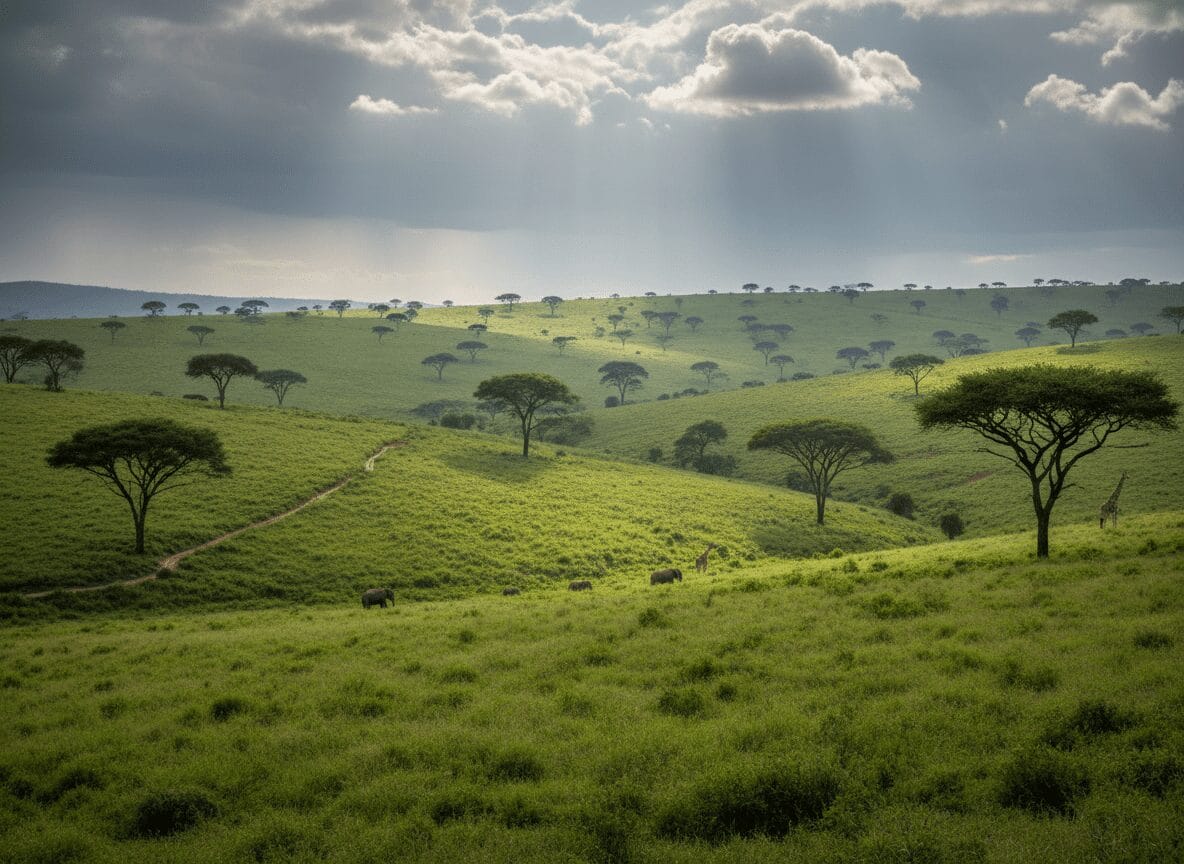 Weather: Rainfall continues, warm (25–30°C), lush vegetationWildlife: Dispersed across landscape. Harder to spot but still present.What to expect:
- Herds continuing north toward Masai Mara
- Landscape at its greenest and most beautiful
- Few tourists; peaceful safari experience
- Lower prices
- Excellent birdwatching
- Regular afternoon rains
- Some roads challenging; 4×4 essential
- Fewer safari vehicles; more intimate encounters
June: Dry Season Returns, Migration Begins
Weather: Dry, cool mornings (10–15°C), warm days (25–30°C)Wildlife: Excellent. Herds reaching Grumeti River. River crossings begin.What to expect:- Herds reaching Grumeti River (Tanzania-Kenya border)
- Dramatic river crossings—crocodiles, hippos, chaos
- Transition from green to dry landscape
- Increasing tourism; prices rising
- Clear skies; excellent photography
- Herds moving rapidly north
- Some herds reaching Masai Mara late month
July: Migration Peak Begins
Weather: Dry, cool mornings (10–15°C), warm days (25–30°C)Wildlife: Excellent. Herds in Masai Mara. Daily river crossings.What to expect:- Millions of animals flooding into Masai Mara
- Daily river crossings at Mara River
- Intense predator activity
- Peak tourism season—crowded, higher prices
- Clear, dry weather; excellent conditions
- Dramatic wildlife encounters
- Excellent photography opportunities
August: Peak Migration Season 📸
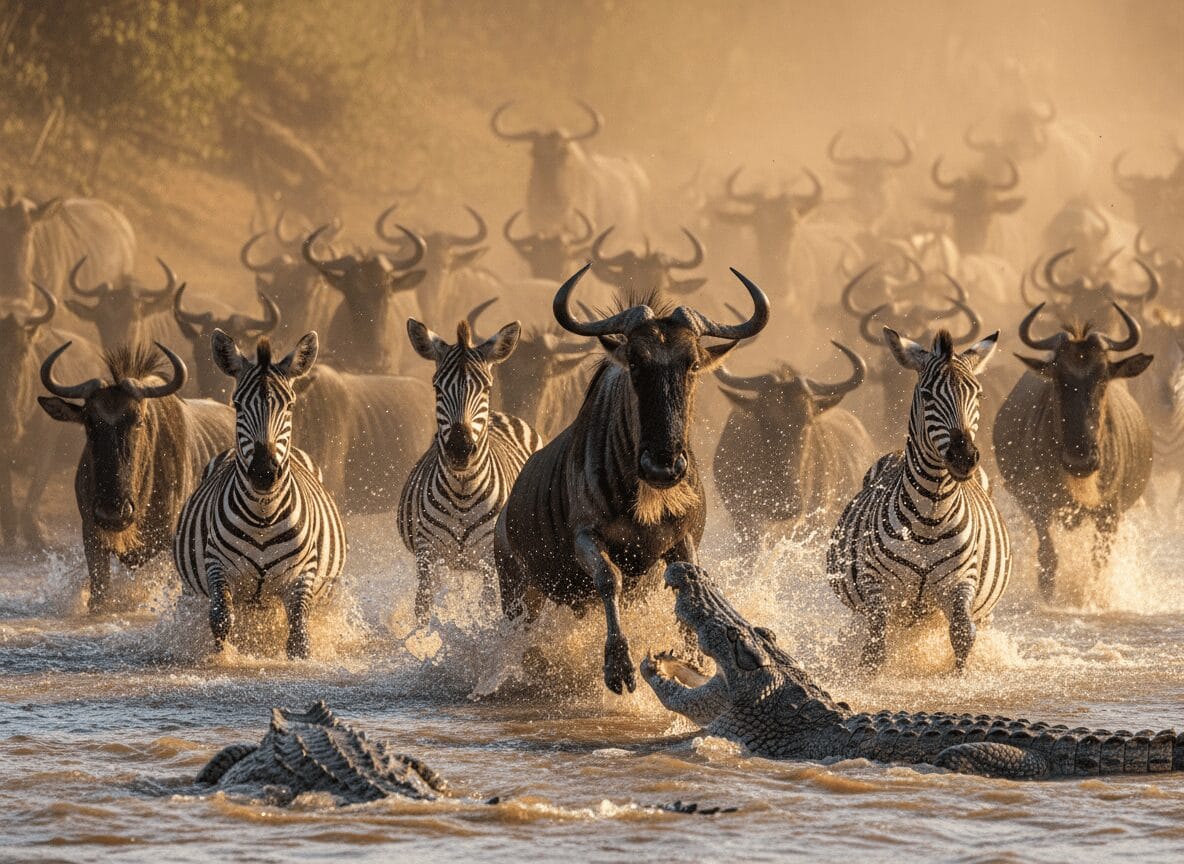 Weather: Dry, cool mornings (10–15°C), warm days (25–30°C)Wildlife: Peak season. Millions of animals in Mara. Daily river crossings.What to expect:
- Peak migration season—1.5+ million animals in Masai Mara
- Daily river crossings at Mara River
- Highest density of wildlife
- Intense predator activity—lions, leopards, hyenas hunting
- Peak tourism season—very crowded, highest prices
- Clear, dry weather; perfect conditions
- Excellent photography and wildlife viewing
- Highest likelihood of dramatic encounters
September: Migration Continues
Weather: Dry, cool mornings (10–15°C), warm days (25–30°C)Wildlife: Excellent. Herds still in Mara. River crossings continue.What to expect:- Herds still in Masai Mara; some beginning to move south
- River crossings continue but becoming less frequent
- Tourism decreasing; prices dropping slightly
- Clear, dry weather; excellent conditions
- Still excellent wildlife viewing
- Fewer vehicles than August; less crowding
- Good balance of wildlife and fewer tourists
October: Dry Season Ends, Herds Return South
Weather: Dry early month, rains begin late month. Warm (25–30°C)Wildlife: Good. Herds moving south. Predator activity moderate.What to expect:- Herds moving south from Masai Mara back toward Serengeti
- Fewer tourists; prices dropping
- Rains beginning late month—landscape starting to green
- Weather becoming unpredictable
- Fewer dramatic river crossings
- Moderate wildlife viewing
- Transition season—animals moving
November: Green Season Begins Again
Weather: Rainfall begins, warm (25–30°C), high humidityWildlife: Dispersed. Herds returning to southern Serengeti.What to expect:- Herds returning to southern Serengeti
- Landscape beginning to green
- Fewer tourists; lower prices
- Regular afternoon rains
- Excellent birdwatching (migratory birds)
- Animals more dispersed
- Peaceful, intimate safari experiences
December: Green Season Peak, Calving Begins
Weather: Rainfall continues, warm (25–30°C), lush vegetationWildlife: Dispersed but calving begins late month.What to expect:- Herds in southern Serengeti
- Landscape at its greenest
- First calves born late month
- Fewer tourists; lower prices
- Regular afternoon rains
- Excellent birdwatching
- Peaceful safari experiences
- Calving season beginning
At-a-Glance Safari Month Ratings:Use this summary as a quick reference, but for the best safari experience, consider your priorities—whether it’s dramatic river crossings, predator action, lush landscapes, or quieter, budget-friendly travel.
- January: Excellent
- February: Excellent
- March: Fair
- April: Fair
- May: Fair
- June: Excellent
- July: Excellent
- August: Excellent
- September: Excellent
- October: Excellent
- November: Good
- December: Good