Best Time to Visit Amboseli: Kilimanjaro Views, Elephants and Month-by-Month Tips 🐘
The best time to visit Amboseli is during the dry months, from late June to October and again in January and February, when the dust settles, the skies clear, and Mount Kilimanjaro stands sharp above the plains. Amboseli is a home ground for us at Trunktrails Safaris, and we run tours and safaris here through every season. This guide gives you real numbers, named lodges, and a plain month-by-month plan so you can pick the dates that match what you most want to see, whether that is the mountain, the elephants, or an empty green park to yourself.
Amboseli is small and open, which makes timing matter more than in bigger parks. Below, we break the year into clear windows and tell you what each one delivers.
Amboseli at a Glance: The Facts That Shape Your Timing
Amboseli National Park covers about 392 square kilometres in Kajiado County, close to the Tanzania border. It sits roughly 240 km southeast of Nairobi, a drive of about 4 to 5 hours by road through Emali. If you prefer to fly, a light aircraft from Wilson Airport reaches Amboseli Airstrip (Empusel) in around 45 minutes.
The park is famous for two things above all: its free-ranging elephant families, some of the most studied in the world, and its front-row view of Kilimanjaro, Africa’s highest peak at 5,895 metres. Because the park floor is flat and often dry, both the wildlife and the mountain depend heavily on weather and season. That is why the question of when to go carries real weight here.
| Amboseli fact | Detail |
|---|---|
| Park size | About 392 km2 |
| Distance from Nairobi | Around 240 km southeast |
| Drive time | About 4 to 5 hours via Emali |
| Flight time | About 45 minutes from Wilson Airport |
| Main gates | Meshanani, Kimana, Iremito |
| Kilimanjaro height | 5,895 metres |
| Non-resident park fee (indicative) | Around 60 USD per adult, per day |
Always confirm current Kenya Wildlife Service fees at the time of booking, as rates are reviewed each year. The figures above are indicative ranges to help you plan, not fixed quotes.
The Dry Season: The Best Time to Visit Amboseli
For most travellers, the dry season is the best time to visit Amboseli. It runs across two windows: the long dry season from late June to October, and a shorter dry spell in January and February. During these months, rain is rare, the swamps shrink, and animals gather tightly around the permanent water fed by Kilimanjaro’s melting snow.
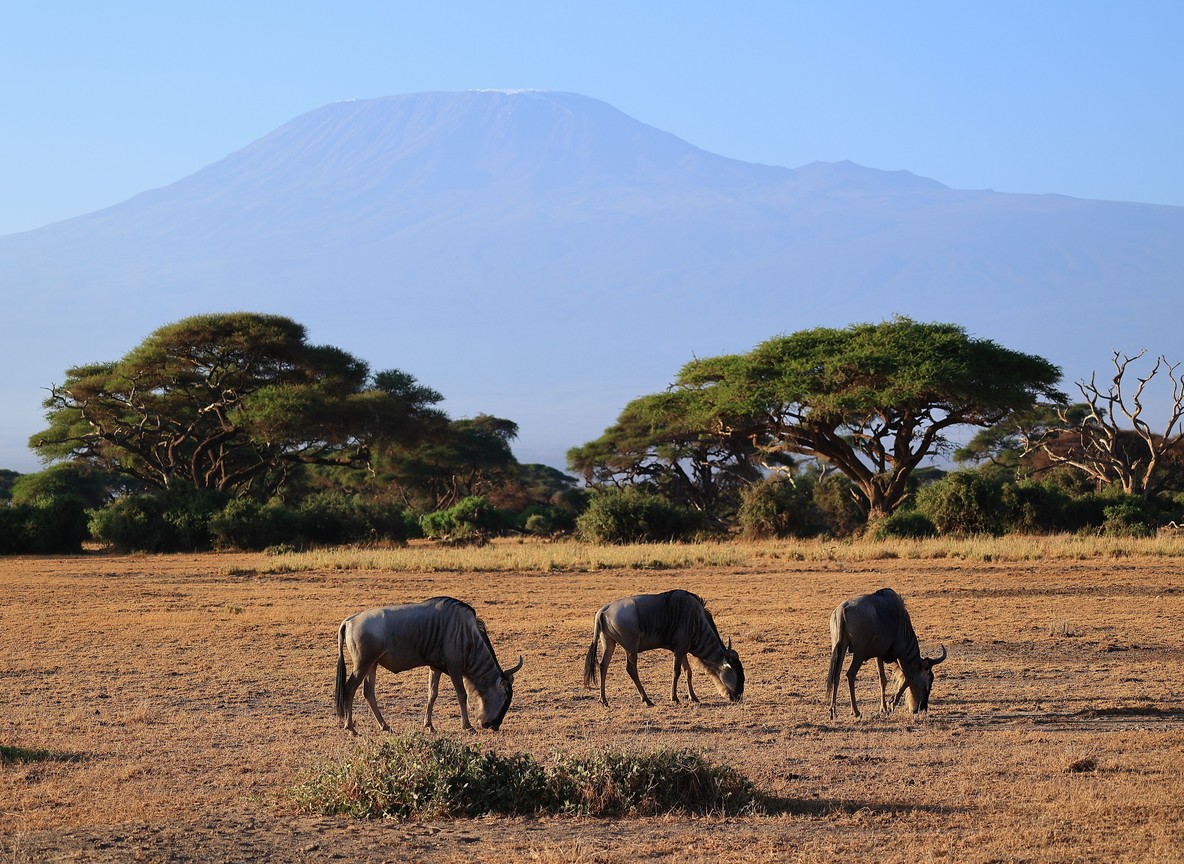
This concentration is what makes dry-season game viewing so rewarding. Instead of searching wide grassland, you watch large herds of elephants, plus buffalo, zebra, and wildebeest, packed near the marshes of Enkongo Narok and Longinye. Predators follow, so your chances of spotting lion and cheetah rise too. The ground is firm, so tracks stay open and your vehicle reaches every corner of the park.
The mountain also behaves best now. Clear, dry air lifts the usual cloud, and Kilimanjaro shows itself most often at dawn and again in the last hour before sunset. If a crisp photograph of elephants beneath the snow-capped peak is your dream, these are your months. Most of our dry-season tours and safaris are built around these dawn and dusk windows for exactly that reason.
Amboseli Weather by Month: A Practical Calendar
Amboseli weather by month follows a clear rhythm of two rainy seasons and two dry ones. The long rains fall from March to May, and the short rains arrive in November and early December. Knowing this pattern lets you trade crowds, price, and scenery to suit your own trip.
| Month | Season | What to expect |
|---|---|---|
| January | Short dry spell | Warm, clear mornings, strong Kilimanjaro views, good herds |
| February | Short dry spell | Hot and dry, excellent mountain visibility, firm tracks |
| March | Long rains begin | Green flush starts, afternoon showers, fewer visitors |
| April | Peak long rains | Wettest month, lush and quiet, some roads soften |
| May | Long rains ease | Green and dramatic, low prices, clouds clear late month |
| June | Dry season starts | Skies open, herds regroup near swamps, cooler air |
| July | Peak dry season | Prime game viewing, busy park, clear mountain at dawn |
| August | Peak dry season | Dusty and dry, big elephant gatherings, high demand |
| September | Dry season | Excellent all-round conditions, strong Kilimanjaro views |
| October | Dry season ends | Warm, dry, great viewing before the short rains |
| November | Short rains | Fresh green, migratory birds arrive, quieter camps |
| December | Rains ease | Festive season, greener plains, clearing skies by month end |
Two points stand out. First, the shoulder months of late May, early June, and late October often deliver the best value, mixing decent weather with lower rates. Second, even the rainy season has real appeal, which we cover next.
Should You Visit Amboseli in the Rainy Season?
The rainy season is not a season to fear. From March to May, and again in November, Amboseli turns green, newborn animals appear, and the park empties of crowds. Birdlife peaks as European and Asian migrants join resident species, so this window suits keen birders and photographers who want soft light and rich colour.
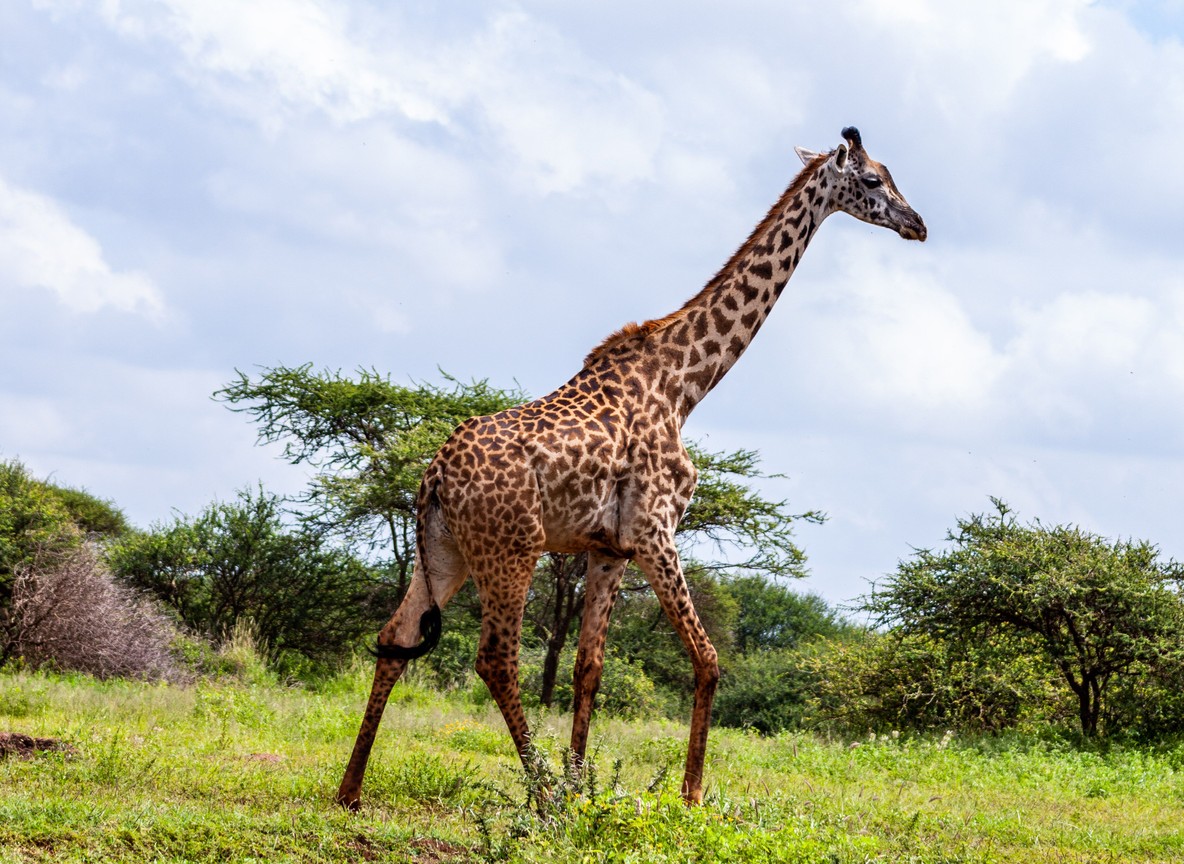
There are trade-offs to plan around. Kilimanjaro hides behind cloud more often, though it still breaks through on clear mornings. Rain usually falls in short afternoon bursts rather than all day, so morning game drives often run dry. Some minor tracks soften, which is why a good guide and a proper 4×4 matter most in these months.
Rainy-season rates also tend to be the lowest of the year, and lodges feel calm and personal. For travellers who value quiet, green scenery, and value for money over guaranteed mountain views, this is a genuinely fine time to go.
Where to Stay: Named Camps and Lodges for Every Season
Where you sleep shapes both your comfort and your view of the mountain. Amboseli has trusted options inside and around the park, and the right choice shifts a little by season. In wet months, an all-weather lodge with solid access roads earns its keep. In dry months, a tented camp near the swamps puts you close to the action at first light.
| Lodge or camp | Location | Style | Good to know |
|---|---|---|---|
| Ol Tukai Lodge | Inside the park, central | Classic lodge | Strong Kilimanjaro views, easy swamp access |
| Amboseli Serena Safari Lodge | Inside the park, by Enkongo Narok swamp | Mid to upper lodge | Lush setting, good for wet-season access |
| Tortilis Camp | Kitirua Conservancy, southwest | Luxury tented | Private-land game drives, clear mountain outlook |
| Kibo Safari Camp | Near Kimana Gate | Value tented | Popular with families, good rains-season roads |
| Satao Elerai | Elerai Conservancy, south | Boutique lodge | Elevated Kilimanjaro views, quiet setting |
Booking a conservancy camp such as Tortilis or Satao Elerai adds off-road drives and night access that the main park does not allow, which is a strong reason to consider them in any season.
The Trunktrails Advantage
At Trunktrails Safaris, timing your Amboseli trip is not guesswork. As a Kenyan-owned operator, we read the seasons from the ground, not from a chart. Our guides grew up near these plains, they know which swamp holds the elephants in August and which morning gives the clearest shot of Kilimanjaro in February.
We match your dates to your goals. If you want the mountain and the big herds, we steer you to the dry-season windows and the lodges with the best outlook. If you want green solitude and lower prices, we build a rainy-season trip around morning drives and all-weather access. Every Trunktrails Safaris vehicle is a proper 4×4 kept ready for soft tracks, and our team tracks conditions daily so your plan flexes with the weather. When you book tours and safaris with us, you gain a local partner who answers the phone, meets you on arrival, and stands behind every mile. That grounding is the difference between hoping for a clear mountain and knowing how to chase one. ✨
Plan Your Amboseli Safari for the Perfect Season
The best time to visit Amboseli comes down to what you most want to carry home. Choose July to October or January to February for sharp Kilimanjaro views and dense elephant herds. Choose March to May or November for green plains, rich birdlife, quiet camps, and the lowest rates of the year. Either way, the park rewards a traveller who plans with someone who knows its moods.
Further reading
More safari planning resources
- Best time to visit Kenya month-by-month map from Valley Safaris
- Best time to visit Kenya on Touring Insights
- Amboseli destination guide on FindMySafari
- Map of Amboseli from Valley Safaris
Let us build that trip around your dates. Message Trunktrails Safaris on WhatsApp at +254 113 208888, email info@trunktrailssafaris.com, or visit trunktrailssafaris.com to start planning. Tell us when you can travel, and we will show you the Amboseli we call home, mountain and all. 🦒