
The Best Months for a Kenya Safari, Season by Season
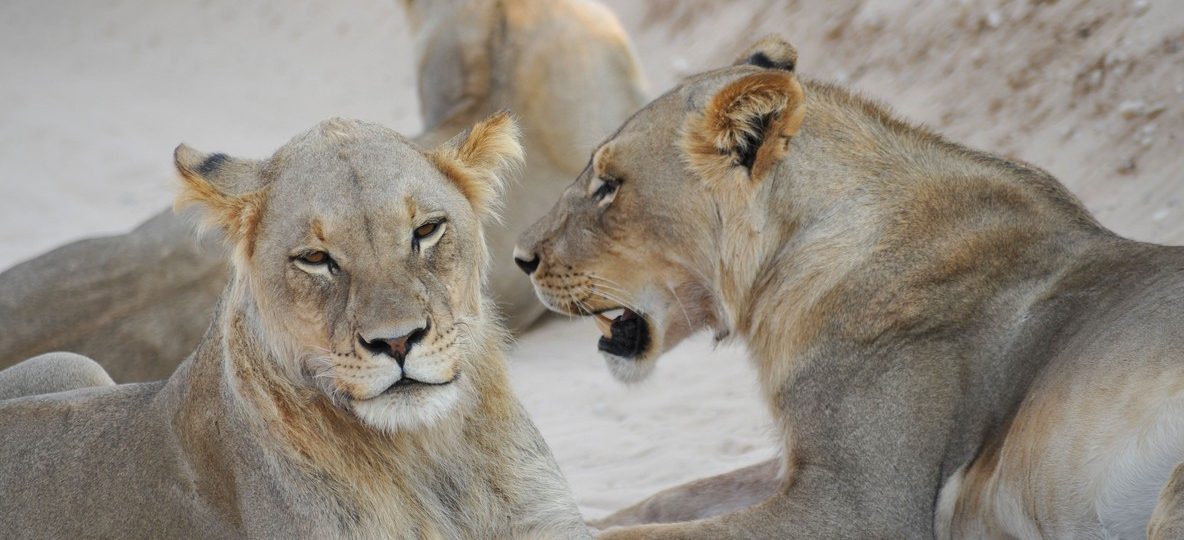
The best months for a Kenya safari depend on what you want to see, because Kenya’s parks change character across three distinct seasons rather than offering one fixed “best” window. The dry season from late June through October delivers the easiest wildlife viewing and the Mara River crossings, the short rains in November and December bring green landscapes and thinner crowds, and the long rains from March through May offer the lowest prices of the year. Trunktrails Safaris builds every itinerary around these seasonal shifts so travelers land in the right park at the right time. 🦁
This guide breaks down what actually happens on the ground each month, with real fees, distances, and named parks, so you can match your trip dates to your priorities instead of guessing.
Kenya’s Three Safari Seasons at a Glance
Kenya safari seasons split into three clear blocks, and each one suits a different kind of traveler. Understanding the trade-offs between weather, wildlife, crowds, and price is the fastest way to pick your travel window.
| Season | Months | Weather | Wildlife Viewing | Crowds | Price Level |
|---|---|---|---|---|---|
| Peak Dry Season | Late June-October | Little to no rain, dusty tracks, cool mornings | Best of the year, Mara River crossings July-September | Highest | Highest (peak conservancy and camp rates) |
| Short Rains / Shoulder | November-December | Brief afternoon showers, quick clearing | Strong, herds still in Mara ecosystem into early December | Moderate | Mid-range, some early holiday spikes |
| Long Rains / Green Season | March-May | Heaviest rainfall, some road access issues | Good, calving season in southern parks, fewer animals in open view | Lowest | Lowest (often 30-40 percent below peak) |
| Transition (January-February) | January-February | Short dry spell between rains | Very good, calving season begins in Amboseli and Mara | Moderate to low | Mid-range |
Each season has a real reason to visit, so the “best” month is really a question of whether you are chasing the migration, a budget, or quiet parks with fewer vehicles at each sighting.
Real Numbers: Fees, Distances, and Park Sizes by Month
Planning a Kenya safari around the calendar means understanding actual costs and travel times, not estimates. These figures are indicative and confirmed by Trunktrails Safaris before every quote, since park fees and camp rates shift with government reviews.
| Detail | Figure | Applies To |
|---|---|---|
| Masai Mara conservation fee | USD 100/day (Jan-Jun), USD 200/day (Jul-Dec) | Masai Mara National Reserve, Narok County rate |
| Amboseli National Park entrance fee | Around USD 90/day, non-resident adult | Amboseli National Park |
| Tsavo East / Tsavo West entrance fee | Around USD 80/day each | Tsavo East and Tsavo West National Parks |
| Lake Nakuru National Park entrance fee | Around USD 60/day | Lake Nakuru National Park |
| Masai Mara National Reserve size | Approximately 1,510 km2 | Southwestern Kenya, borders Serengeti |
| Amboseli National Park size | Approximately 392 km2 | Southern Kenya, Mount Kilimanjaro views |
| Tsavo East National Park size | Approximately 13,747 km2 | One of Kenya’s largest parks |
| Nairobi to Masai Mara (road) | Around 270 km, 5-6 hour drive | Via Narok town to Sekenani or Talek Gate |
| Nairobi to Masai Mara (air) | Around 45 minute flight | Wilson Airport to Mara airstrips |
| Nairobi to Amboseli (road) | Around 240 km, 4 hour drive | Via Namanga road to Amboseli gate |
| Nairobi to Samburu (road) | Around 325 km, 6 hour drive | Via Isiolo to Archer’s Post gate |
| Mara River crossing window | Late July through September, sometimes into early October | Mara River, between Serengeti and Masai Mara |
| Peak season day temperature (Mara) | 25-28°C, nights near 12-14°C | Masai Mara plains, June-October |
These numbers matter because a fee jump, a flooded access road, or a three-hour drive can change which month actually suits your trip best.
Dry Season (Late June to October): The Migration Window
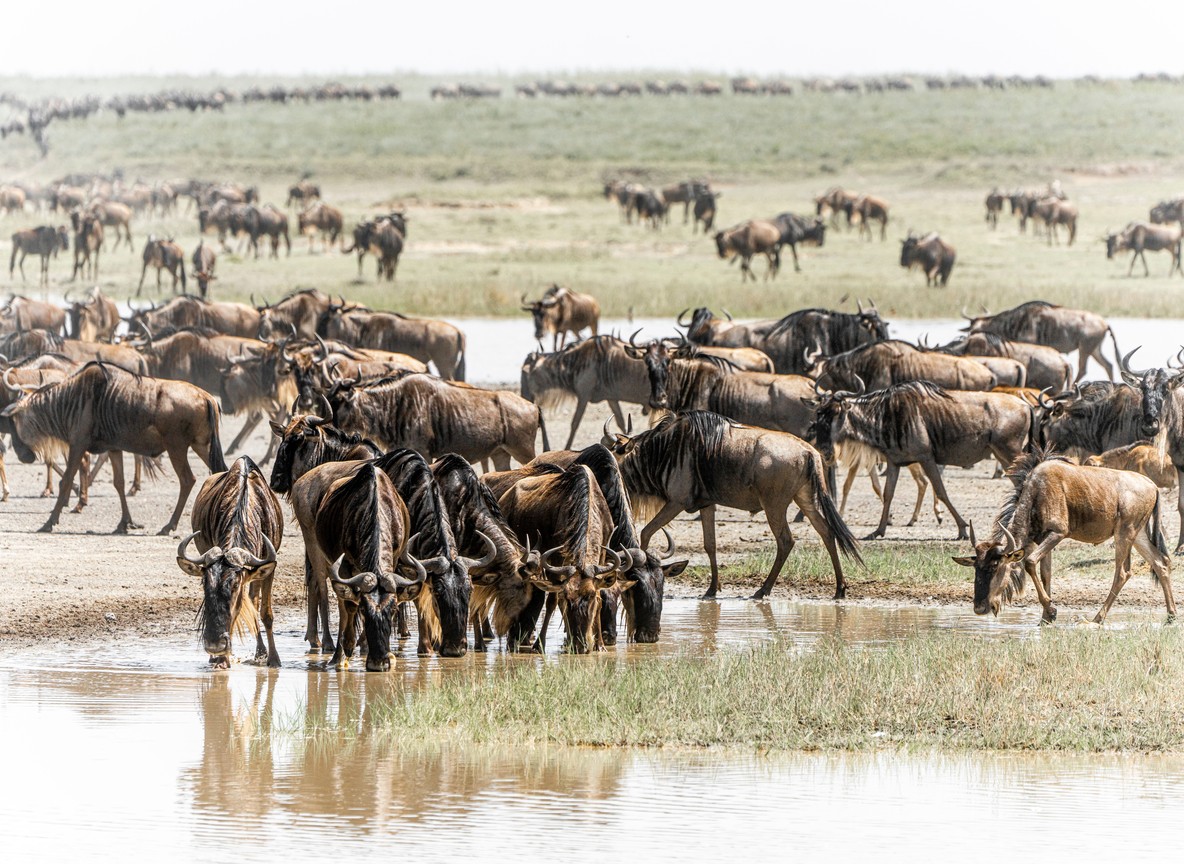
The dry season is when most first-time visitors picture a Kenya safari. Grass thins out, animals cluster around remaining water sources, and visibility across the open plains of the Masai Mara improves dramatically. This is also when the wildebeest and zebra herds arrive from the Serengeti and attempt Mara River crossings, usually starting in late July and running through September, sometimes stretching into early October.
Camps near the river, such as those close to Governors’ Camp and Angama Mara, book out months ahead for this window. The conservation fee for the Masai Mara jumps to USD 200 per day per person from July through December, reflecting the demand. Roads stay firm and dust replaces mud, so game drives reach further corners of the reserve without getting stuck. Expect the highest prices and the most vehicles at popular sightings, since this is peak season across nearly every Kenyan park, not only the Mara.
Short Rains and Shoulder Season (November-December): Green Return, Thinner Crowds
November brings short, sharp afternoon showers that clear quickly and leave the Mara and Amboseli looking green again after months of dust. Many of the migration herds are still moving through the Mara ecosystem into early December before drifting back toward the Serengeti, so wildlife viewing stays strong without the July-through-September crowd levels.
This shoulder window suits travelers who want good sightings without booking a camp a year in advance. Rates at mid-range and luxury properties sit below peak dry season pricing, though December’s final two weeks spike again as the holiday travel rush begins. Birdlife also picks up sharply in November, as migratory species arrive ahead of the northern hemisphere winter, making it a strong month for photography-focused travelers.
Long Rains / Green Season (March-May): The Budget Window
March through May is Kenya’s quietest and least expensive safari window, often called the green season. Rainfall is heaviest in April, and some conservancy roads in the Mara and Laikipia can become difficult after storms, though main park circuits generally stay accessible. Camps that sit near capacity in July can be half-empty in April, and rates commonly drop 30 to 40 percent below peak dry season pricing at the same properties.
This is also calving season in Amboseli and parts of the Mara ecosystem, with many wildebeest and antelope giving birth in a tight window, which draws predators into more active, visible hunting behavior despite the taller grass. Photographers who don’t mind dramatic skies and occasional rain delays often find this the most rewarding season for dynamic light and newborn wildlife. 📸
January-February: The Calm Between the Rains
January and February form a short dry spell between the short rains and long rains, and this transition window is one of Kenya’s best-kept scheduling secrets. Skies are generally clear, temperatures are warm, and Amboseli’s Mount Kilimanjaro backdrop is often at its clearest with low haze. Calving season continues in the southern parks, drawing cheetah and lion activity into daylight hours.
Crowds are moderate, well below the July-October peak, and prices sit in the mid-range tier at most camps. For travelers who want strong wildlife odds without migration-season pricing or crowds, this window deserves as much consideration as the more famous dry season months.
Matching the Month to Your Priority
| Your Priority | Best Months | Why |
|---|---|---|
| Mara River crossings | Late July-September | Peak migration activity at the river |
| Lowest prices | April-May | Green season rates, 30-40 percent below peak |
| Calving season and predator action | January-February, March | Newborn herds draw active hunting behavior |
| Fewer vehicles at sightings | November, January-February | Shoulder windows with strong wildlife and thinner crowds |
| Clearest Kilimanjaro views from Amboseli | January-February, June-September | Lower haze and rainfall |
The Trunktrails Advantage
Trunktrails Safaris is a Kenyan-owned tours and safaris operator built by people who grew up watching these seasons shift across the same plains our guests now visit. We track the real fee calendar, the migration’s actual position week to week, and which camps genuinely deliver value in each season, rather than pushing a single “best month” answer to every traveler.
Every Trunktrails Safaris itinerary is built around your specific goal, whether that’s the Mara River crossing, a lower-cost green season trip, or a quiet January window with strong sightings and no crowds. Our guides hold current KPSGA certification, our quotes itemize park and conservancy fees so nothing is hidden, and our tours and safaris packages are priced for the season you actually book, not a generic year-round rate. That local knowledge is what separates a trip built for the calendar from one built around it. ✨
Ready to Pick Your Month?
The best months for a Kenya safari are the ones that match what you actually want from the trip, not a single date everyone books. Tell Trunktrails Safaris what matters most to you, whether that’s the migration, a tighter budget, or a quieter camp with fewer vehicles at each sighting, and we’ll build a season-matched itinerary with real dates, real fees, and named camps you can verify.
Further reading
More safari planning resources
- Best time to visit Kenya month-by-month map from Valley Safaris
- Best time to visit Kenya on Touring Insights
- Great Migration safari collection on FindMySafari
- Wildebeest migration route map from Valley Safaris
Reach out on WhatsApp at +254 113 208888, email info@trunktrailssafaris.com, or visit trunktrailssafaris.com to start planning your trip with Trunktrails Safaris today. Our team responds with a season-specific quote, not a generic template, because tours and safaris planning should fit your calendar, not the other way around. 🌍

