Best Masai Mara Migration Tours for 2026
Choosing between the dozens of masai mara migration tours on offer can feel overwhelming, especially when every website promises “the best” crossing view for 2026. Trunktrails Safaris built this guide around real park data, not guesswork, so you can pick a tour type, a camp, and a travel month that actually matches your budget and what you want to see. Whether you want a fast group departure from Nairobi or a private conservancy tour with fewer vehicles, this breakdown covers the tours and safaris that consistently deliver strong migration sightings.
What Makes a Migration Tour Different From a Standard Safari
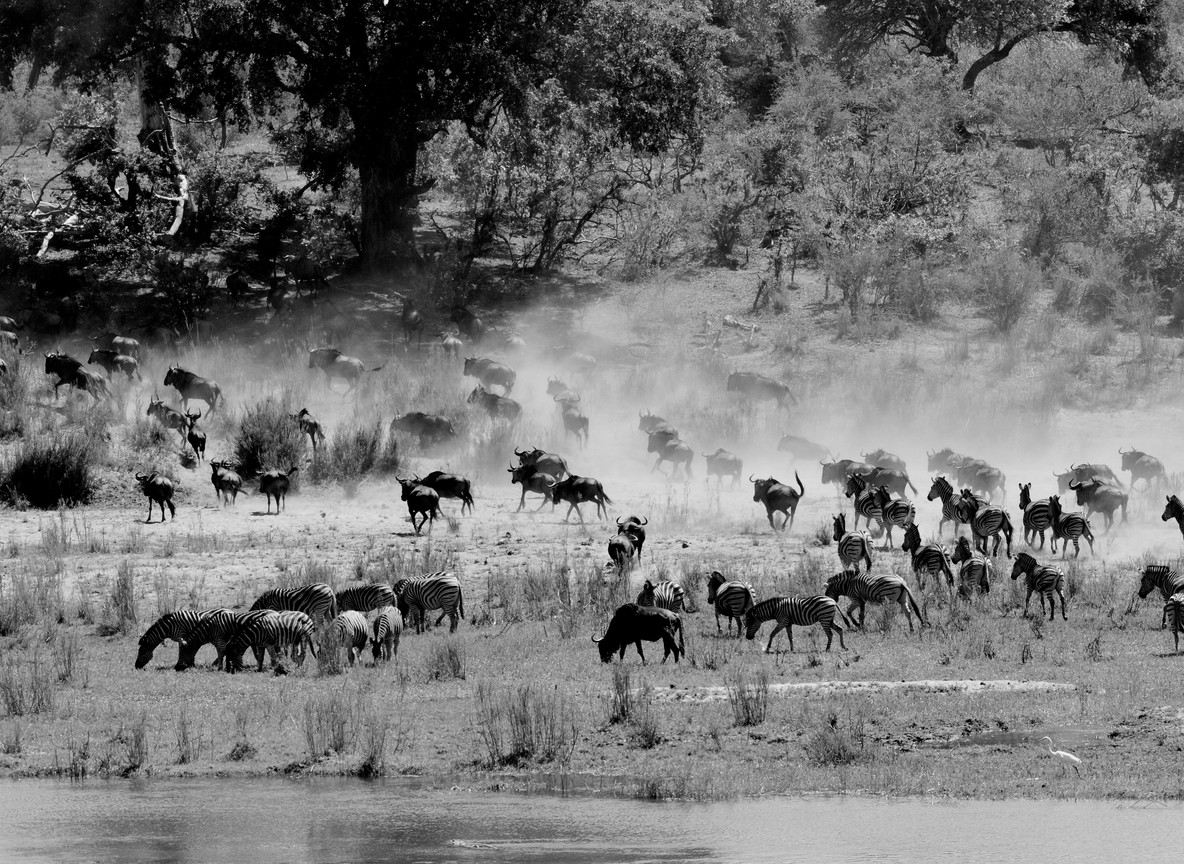
A standard Masai Mara safari runs on a fixed loop regardless of season. A migration tour is timed and routed around where the wildebeest and zebra herds actually are, which changes month to month. Good masai mara migration tours build in flexible game-drive routing near the Mara River, extra drive time for crossing points, and guides who track herd movement daily through ranger networks and camp radio updates. That difference in planning is exactly why timing and camp location matter more here than on any other Kenya itinerary.
Fast Facts: Distances, Fees and Access for 2026
Before booking, it helps to see the real numbers behind a Masai Mara migration tour. These are the figures that shape your budget and your itinerary.
| Detail | Figure |
|---|---|
| Masai Mara National Reserve size | Approximately 1,510 km² |
| Nairobi to Masai Mara by road | Approximately 270 km via Narok, 5 to 6 hours drive |
| Nairobi (Wilson Airport) to Mara airstrips by air | Approximately 45 minutes flight time |
| Main entry gates | Sekenani Gate, Oloolaimutia Gate, Musiara Gate, Talek Gate |
| Key airstrips | Keekorok, Musiara, Ol Kiombo, Kichwa Tembo, Mara Serena |
| Main river crossing points | Mara River near Lookout Hill, Talek River confluence |
| Reserve entry fee (non-resident, indicative) | USD 80 to 100 per person per day |
| Mara Triangle entry fee (indicative) | USD 100 per person per day in peak season |
| Private conservancy conservation fee (indicative) | USD 100 to 180 per person per night |
| Peak crossing months | Late July through October, strongest in August and September |
Prices above are indicative ranges only. Park and conservancy fees change with the Kenya Wildlife Service and county tariffs, so always confirm exact rates at the time of booking.
Best Time to Book a Migration Tour
Timing decides whether you see one crossing or none at all, so it deserves more weight than camp choice or tour style.
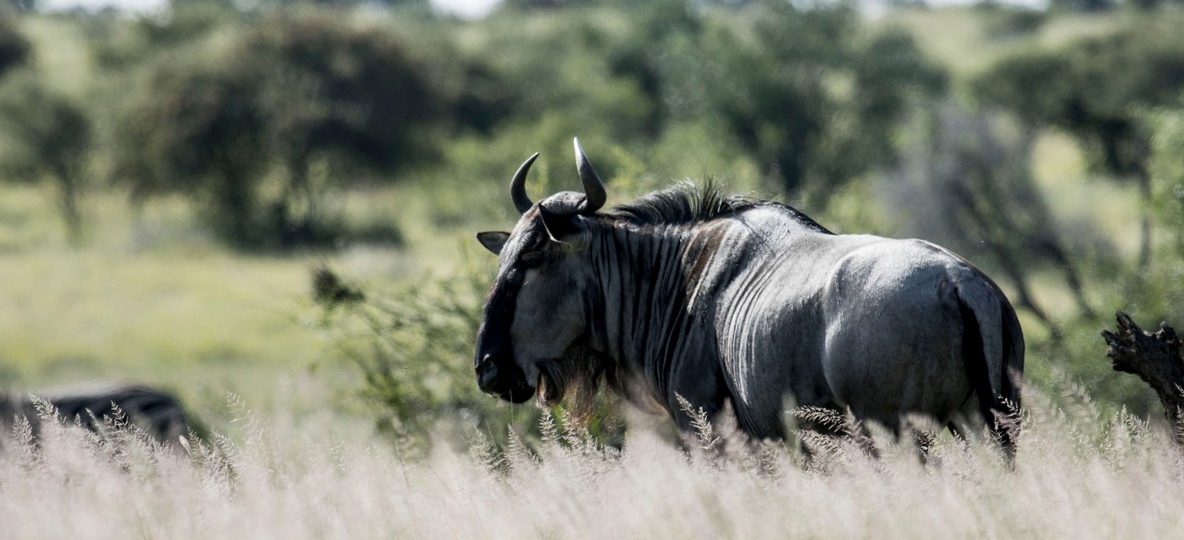
- Late July to early August: Mega-herds typically begin arriving in the Mara from the Serengeti, and early crossings start near the Mara River.
- August and September: Widely considered the strongest window for repeated crossings, with the largest concentration of animals near the riverbanks.
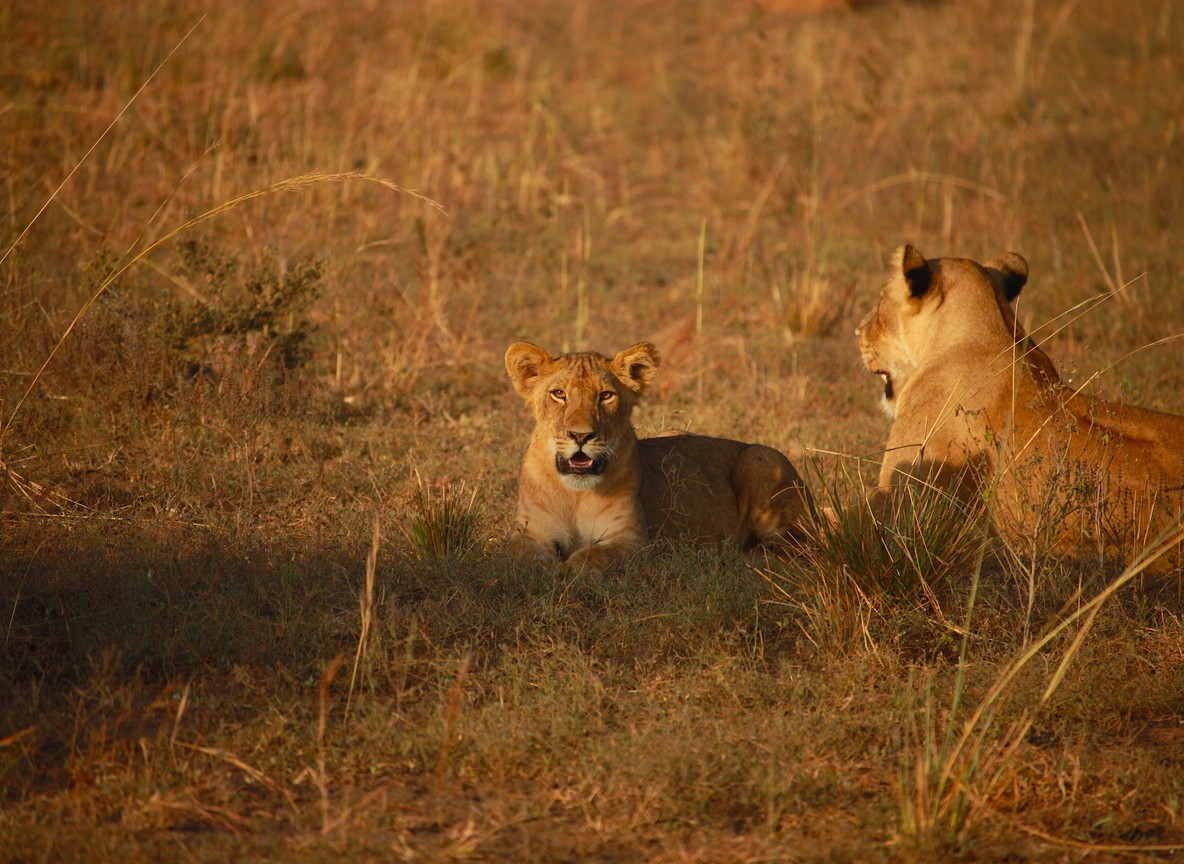
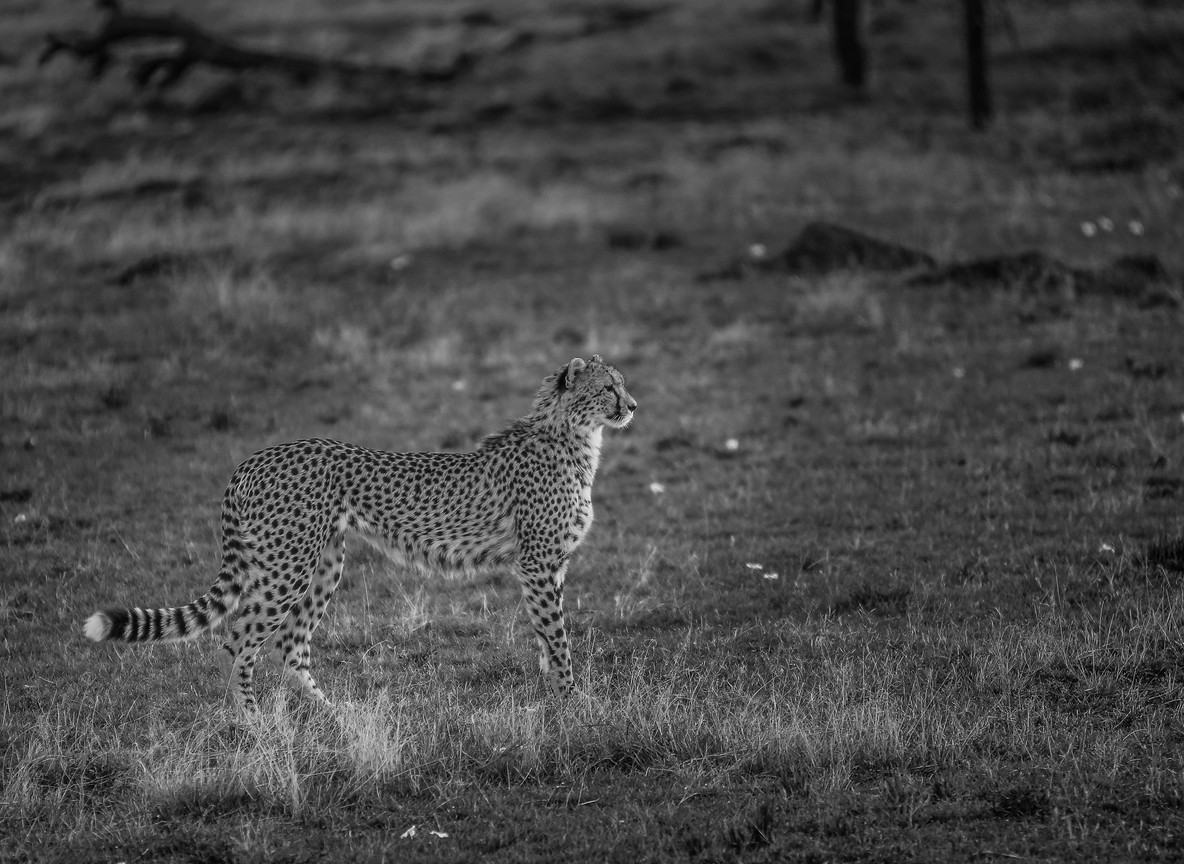
- October: Crossings continue with lower crowd density, plus stronger big-cat action as predators follow the herds.
- November onward: Herds begin moving back toward the Serengeti, so migration-specific tours become less reliable outside the reserve’s northern sections.
If witnessing a crossing is your top priority, build your 2026 trip around August or September and add at least four nights near the river to raise your odds across multiple game drives.
Comparing Masai Mara Migration Tour Types for 2026
Not every migration tour fits every traveler. Here is how the three most common tour formats compare on cost, crowding, and crossing access.
| Tour Type | Typical Length | Vehicle Density at Crossings | Indicative Cost Per Person Per Night | Best For |
|---|---|---|---|---|
| Group reserve safari (Sekenani/Talek side) | 3 to 5 days | High, especially August peak | USD 250 to 400 | First-time visitors on a set budget |
| Mara Triangle tour (Mara Conservancy managed) | 4 to 6 days | Moderate, capped vehicle numbers | USD 350 to 550 | Travelers wanting better crowd control at crossings |
| Private conservancy tour (Mara North, Naboisho, Olare Motorogi) | 4 to 7 days | Low, strict vehicle limits enforced | USD 550 to 900 | Photographers, honeymooners, repeat visitors seeking exclusivity |
The Mara Triangle, managed by the Mara Conservancy on the reserve’s western side, caps vehicle numbers at crossing points, which cuts down the crowding you sometimes see on the Talek side during peak weeks. Private conservancies bordering the reserve, including Mara North Conservancy, Naboisho Conservancy, and Olare Motorogi Conservancy, go a step further with strict per-camp vehicle quotas and off-road driving privileges that the main reserve does not allow.
Where to Stay for Migration Tours
Camp location relative to the river matters as much as the tour type you choose.
Governors’ Camp sits inside the reserve near the Mara River, close to some of the most consistent crossing points, making it a strong pick for travelers who want to minimize drive time to the action. Mara Serena Safari Lodge, perched above the Mara Triangle, gives wide views over the plains and quick access to Mara Conservancy crossing points. Kichwa Tembo Tented Camp, near the Oloololo Escarpment, sits along a known migration corridor. For a private conservancy stay, Naboisho Camp and Angama Mara both offer low vehicle density and guides who track herd movement outside the main reserve’s tourist routes. Sanctuary Olonana, set directly on the Mara River, puts you within a short drive of river crossing points during peak months.
Building Your 2026 Migration Tour Budget
A realistic migration tour budget covers more than the nightly camp rate. Factor in the reserve or conservancy entry fee per day, a flight or road transfer from Nairobi, park-mandated guide and vehicle fees for private conservancies, and optional add-ons like a hot air balloon safari over the plains, which typically runs as a separate paid activity. Group reserve safaris keep costs lower because reserve entry fees are shared across bigger vehicles, while private conservancy tours carry higher nightly rates that already bundle in game drives, park fees, and meals. Ask your operator for a full breakdown before you commit, since some quoted rates exclude the daily conservation fee.
The Trunktrails Advantage
Trunktrails Safaris is a Kenyan-owned operator built by guides and planners who track migration movement in the Mara every season, not just during peak months. We match your travel dates against real crossing patterns instead of generic “best time to visit” advice, and we route your itinerary between the reserve and private conservancies based on your budget and how much crowding you are willing to accept. Our team handles gate logistics, airstrip transfers, and conservancy permits so your migration tour runs on schedule from the moment you land at Wilson Airport. When you book tours and safaris with Trunktrails Safaris, you get a team that has walked these gates and camps in person, not a call center reading from a script.
Migration Tour Add-Ons Worth Considering
A handful of add-ons consistently improve migration tours without blowing the budget. A hot air balloon safari at dawn over the plains near Keekorok or the Mara Triangle gives you an aerial view of herd movement that a ground vehicle simply cannot match, and it typically wraps up with a bush breakfast before your first game drive. A guided walking safari near camp, offered by several conservancy lodges, adds a slower-paced way to read tracks and dung along known migration corridors. Travelers with a serious camera kit should ask about a private vehicle upgrade, since a shared vehicle at a crossing point often means competing angles with five or six other guests. Naboisho Camp and Angama Mara both offer dedicated photography vehicles on request, which matters when a crossing only lasts a few frantic minutes.
Getting to the Mara: Flight vs Road
Most 2026 migration tours start with a choice between flying and driving from Nairobi. A scheduled flight from Wilson Airport to one of the Mara’s airstrips, such as Keekorok, Musiara, or Ol Kiombo, takes roughly 45 minutes and lands you close to your camp with minimal fatigue before your first game drive. Driving covers about 270 km via Narok and takes 5 to 6 hours depending on road conditions, which suits travelers on a tighter budget or those who want to break the journey with a stop at the Great Rift Valley viewpoint. Group reserve safaris often default to road transfers to keep costs down, while private conservancy tours more commonly include a flight since conservancies sit farther from the main Narok road.
Common Questions About Masai Mara Migration Tours
How many days do I need for a migration tour? Four to six days gives you enough game drives to catch a crossing without rushing your trip.
Is the reserve or a private conservancy better for migration tours? The reserve, especially the Mara Triangle side, gives you the highest odds of seeing an actual river crossing since herds concentrate near the Mara River. Conservancies offer a quieter experience with excellent general wildlife viewing but fewer guaranteed river crossings.
Do I need a 4×4 vehicle? Yes. Reputable tours and safaris use open-sided 4×4 vehicles built for off-road terrain near riverbanks and escarpments. 🦓
Ready to Book Your 2026 Migration Tour?
Further reading
- Maasai Mara Wildlife Conservancies Association
- African Wildlife Foundation
- Magical Kenya (Kenya Tourism Board)
More safari planning resources
- Kenya national parks map from SafariPure
- Wildebeest migration route map from Valley Safaris
- Mara River crossing guide on Touring Insights
- Great Migration safari collection on FindMySafari
The best masai mara migration tours for 2026 sell out fast for the August and September crossing window, especially camps near the Mara River and inside the low-density private conservancies. Trunktrails Safaris can build your itinerary around your exact travel dates, budget, and how close to the crossings you want to stay. Message us on WhatsApp at +254 113 208888 or email info@trunktrailssafaris.com today, and let our team lock in your camp, gate transfer, and crossing-season dates before the peak weeks fill up. 🦁📸