Description
Hell’s Gate National Park is one of Kenya’s most distinctive national parks located in Naivasha within the Great Rift Valley and covers an area of 68 square kilometers. Uniquely, it is the only national park in Kenya that visitors are encouraged to explore on foot, making it a favorite destination for walking safaris and cycling adventures.
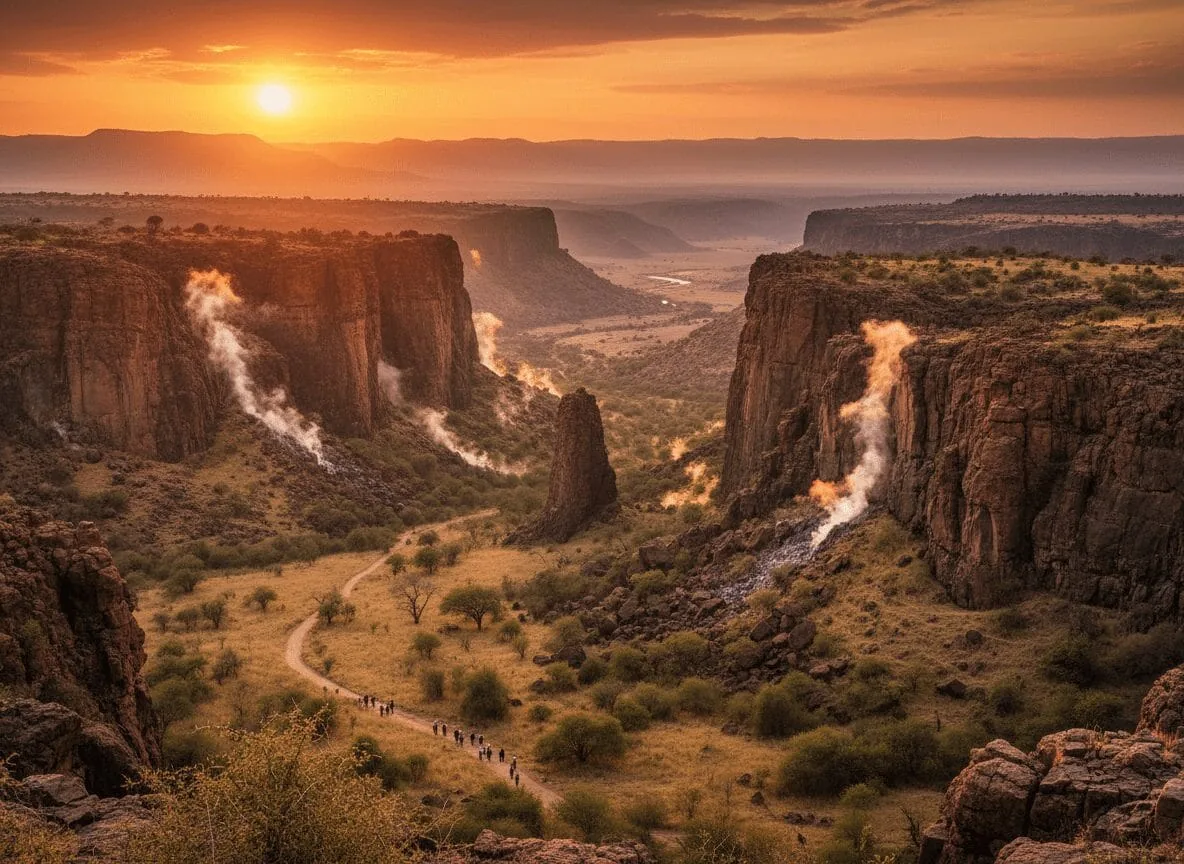
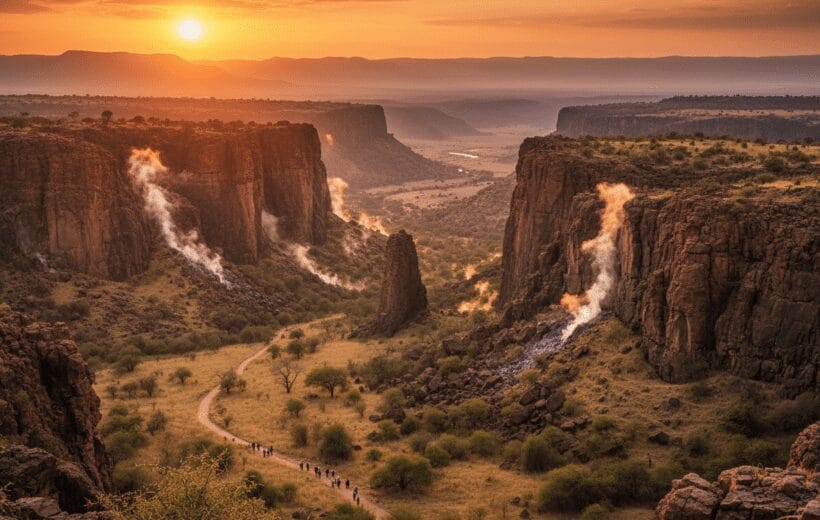
Conveniently situated just south of Lake Naivasha, Hell’s Gate is less than two hours by car from Nairobi, following the scenic Rift Valley escarpment—a perfect day trip for those looking to escape the city or an excellent addition to a Lake Naivasha overnight itinerary. Its location in southwest Kenya also places it within easy reach of the renowned Maasai Mara, allowing travelers to stop here en route or include it as part of a broader Rift Valley adventure. Whether you’re arriving from Nairobi, heading to the Mara, or flying into Lake Naivasha, Hell’s Gate offers accessible adventure amid some of the region’s most dramatic landscapes. The park was established as a premier walking safari destination and stands between 1,560 and 2,187 meters above sea level. The park’s dramatic geological formations, including towering cliffs, deep gorges, and geothermal steam vents, provide a unique base for adventure and wildlife viewing experiences.
Getting to Hell’s Gate National Park
Reaching Hell’s Gate National Park from Nairobi is straightforward and caters to a range of travel preferences.
The most popular option is to drive along the scenic Rift Valley escarpment. The park is about 90 kilometers from Nairobi, and the drive generally takes around two hours—though you might encounter the occasional convoy of trucks inching up from Athi River, adding some unexpected drama to your journey.
If time is of the essence (or you simply enjoy a bird’s-eye view), you can opt for a short domestic flight from Wilson Airport to Naivasha. These flights are quick, usually clocking in at under an hour, but tend to come with a higher price tag for the convenience.
Once you’re in Naivasha, most accommodations can arrange transfers and guided excursions within Hell’s Gate, so you won’t have to wrangle the logistics yourself.
And if your adventures are leading you onward to the Maasai Mara, connecting flights are also available from Naivasha, making Hell’s Gate an easy addition to wider safari itineraries.
Exploring Hell’s Gate Gorge
One of the standout features within Hell’s Gate National Park is the striking Hell’s Gate Gorge. Sculpted over millennia by an ancient lake that once filled the Rift Valley, this impressive chasm winds its way through the park’s remarkable landscape. Visitors can embark on guided walks through the gorge, traversing pathways that reveal layers of volcanic rock, intricate cliffs, and occasionally narrow passages that require a bit of adventurous scrambling.
Expect an immersive experience where close encounters with wildlife—like grazing zebra and giraffe—are not uncommon, thanks to the park’s open walking policy. The terrain is sunbaked and largely exposed, so visitors should come prepared with sturdy footwear, sun protection, and plenty of water. Most guided walks are best enjoyed in the cooler hours of the day.
For those seeking a bit more excitement, cycling routes start at Elsa’s Gate and offer a scenic, mostly downhill ride of approximately 9 kilometers to the gorge. Along the way, you’ll pass iconic park features such as volcanic towers and broad plains dotted with wildlife. Upon reaching the gorge, adventurous hikers can descend into its depths, with the round-trip trek through the gorge taking about one and a half hours. The full cycling and hiking loop generally requires about five hours and is recommended for those with moderate to high fitness levels.
Hell’s Gate Gorge is not just a geologic wonder—it’s an invitation to experience the wild, raw beauty of Kenya’s Great Rift Valley up close.
Essential Gear for Exploring Hell’s Gate
If you’re keen to make the most of Hell’s Gate’s adventurous side—whether wandering alongside giraffes or trekking the dramatic gorges—packing smart will only enhance your experience. Due to the park’s open terrain and soaring midday temperatures, a little preparation goes a long way.
To stay comfortable and protected on the trails, we recommend bringing:
- Sturdy walking shoes for navigating rocky paths and uneven ground
- Lightweight, long-sleeved shirts and trousers to shield against sun and brushes with thorny vegetation
- A wide-brimmed hat and UV-protection sunglasses to keep the sun at bay
- Binoculars for up-close wildlife and bird spotting
- Plenty of water to stay hydrated on your explorations
Because shade is scarce and the sun can be relentless, plan your more active pursuits early or later in the day, steering clear of the hottest midday hours. Guided walks are required and well worth it; local guides bring the park’s landscape and wildlife to life, ensuring your adventure is as safe as it is unforgettable.
Rock Climbing at Hell’s Gate
For thrill-seekers and adventurous souls, Hell’s Gate National Park offers outstanding rock climbing opportunities suitable for all skill levels. Signature sites like Fischer’s Tower—a striking 25-meter volcanic plug—and the park’s imposing cliffs serve as prime spots for climbers.
No prior climbing experience? No problem. Many of the routes are beginner-friendly, though it’s mandatory to climb with a licensed operator for both safety and guidance. Whether you’re taking your first crack at rock climbing or looking to push your limits on more advanced faces, Hell’s Gate delivers.
Rock climbing can also be seamlessly paired with other activities in the park. Many visitors combine their climb with a scenic cycling tour to the obsidian caves, followed by a relaxed picnic lunch amidst the exceptional scenery.
Hiking Trails in Hell’s Gate National Park
One of the park’s standout features is the chance to explore its dramatic scenery on foot, offering an adventure rarely found elsewhere in Kenya. Unlike most wildlife parks, Hell’s Gate allows visitors to hike alongside roaming herds of zebra, giraffe, and antelope—creating a truly immersive wilderness experience.
Several well-trodden trails weave through the park’s most captivating landmarks:
- Hell’s Gate Gorge Trail: Perhaps the most iconic route, this winding path descends into the heart of the gorge, where steep walls and striking rock towers rise up on either side. Following the ancient course of a prehistoric lake, the gorge offers a blend of adventure and geological wonder.
- Fischer’s Tower Loop: A relatively gentle circuit around one of the park’s most recognizable rock formations, ideal for those seeking panoramic views and a closer look at the local wildlife.
- Main Canyons and Lower Gorge: For the more adventurous, this trail delves deeper into narrow canyons, where natural hot springs and geothermal steam provide a surreal backdrop.
All hikes within the park must be accompanied by a certified guide—not only for safety but also to gain fascinating insights into the area’s geology, ecology, and rich history.
Be sure to come prepared. The open landscapes offer little respite from the sun, so wear sturdy shoes, light layers, a hat, sunglasses, and don’t forget plenty of drinking water. Early mornings or late afternoons are ideal for hiking, as midday temperatures can rise quickly.
Best Time to Visit Hell’s Gate National Park
Thanks to its location in the Rift Valley, Hell’s Gate National Park offers excellent wildlife viewing throughout the year. However, the most favorable months for exploring the park are during the dry season, from June to February. During these months, trails are firm, making activities like walking, cycling, and rock climbing particularly enjoyable.
If you’re considering a visit between March and May, keep in mind that this is the rainy season. The landscape becomes lush and green, but showers can occasionally make some paths slippery, which may affect outdoor adventures. Regardless of when you go, the park’s spectacular scenery and abundant wildlife are always waiting to be discovered.
Why the Name “Hell’s Gate”?
The park owes its striking name, “Hell’s Gate,” to the dramatic geothermal activity and intense subterranean forces that have shaped its landscape over millennia. Steaming vents, jagged rock towers, and deep gorges continually release plumes of hot air, conjuring an otherworldly atmosphere that early explorers thought reminiscent of a gateway to the underworld. This powerful natural activity not only inspired the name, but also set the stage for the park’s reputation as a land of adventure and raw, untamed beauty.
Camping Opportunities
For adventurers seeking a more authentic experience, Hell’s Gate National Park does offer several basic camping sites. These are ideal for visitors who want to pitch their tent under the stars and embrace the natural environment up close. Facilities are minimal, so be prepared to bring your own supplies and enjoy a true back-to-nature stay surrounded by the park’s striking landscapes.
Most popular visitor attractions include Fischer’s Tower, Hell’s Kitchen Geothermal Spa, Hobley’s Volcano, Ol Basta Rock Tower, Obsidian Caves, Lake View Point, and Kapartania View Point.
Among these, the Olkaria Geothermal Spa stands out as a unique highlight. Located at the northern tip of the park, the spa features a series of three geothermal pools filled with beautiful azure-blue waters heated naturally by underground geothermal activity. After a day of cycling or hiking, visitors can unwind on sun loungers or enjoy a meal at the onsite restaurant. Temperatures in the pools range from 30 to 40 degrees Celsius, with only the third pool cool enough for swimming, making it a rejuvenating stop for adventure seekers exploring Hell’s Gate.
Olkaria Geothermal Spa
Tucked away on the northern edge of Hell’s Gate National Park, the Olkaria Geothermal Spa is a standout attraction—and a well-earned reward after an active day on the trails or cycling routes. The spa features three inviting geothermal pools, each naturally heated by the earth’s subterranean energy. The mineral-rich, vibrant blue waters are a welcome retreat for tired muscles.
Guests can unwind beside the pools, soak in the warm waters, or simply lounge on sunbeds and take in the sweeping Rift Valley scenery. It’s worth noting that while two of the pools maintain higher temperatures, the third offers a refreshingly cooler dip perfect for swimming. With a restaurant on-site, visitors can refuel and truly stretch out their day of adventure with a relaxing finish. The park is home to diverse wildlife including zebra, eland, giraffe, buffalo, hartebeest, Thomson’s gazelle, klipspringer, serval cat, and leopard. Unlike most other Kenyan national parks, Hell’s Gate is unique in that there are no large predators here, aside from the occasional leopard sighting. This makes it an ideal environment for walking, cycling, and exploring the landscape at your own pace, while still enjoying the thrill of spotting a wide range of animals in their natural habitat. The prolific bird life features over 103 recorded species, making Hell’s Gate National Park a premier destination for birding enthusiasts exploring Kenya’s tours and safaris.
Duration of the Cycling Route
Allow approximately five hours for the full cycling experience through Hell’s Gate National Park. This adventure typically starts early in the day, beginning at Elsa’s Gate, where bicycles are available for rent. The route heads downhill for around 9 km, passing iconic geological features and wildlife-rich grasslands en route to the gorge.
After arriving at the gorge, visitors can embark on a hike that takes about 1.5 hours, occasionally requiring some scrambling and light rope-assisted climbs. The return journey is an uphill ride back to the entrance, rounding out an active half-day excursion suitable for those with a moderate level of fitness.
For those seeking a briefer outing, there’s also a shorter 6 km round-trip route to the obsidian caves, offering a more leisurely alternative while still showcasing the park’s stunning scenery.
Convenient Access and Tour Combinations
Hell’s Gate National Park is conveniently located less than two hours from Nairobi by car, making it an ideal choice for a day trip if you’re looking to escape the city or have an extra day to fill. Its strategic position along the dramatic Rift Valley escarpment means it pairs perfectly with a visit to Lake Naivasha—ideal for an overnight adventure. The park lies in the southwest of Kenya, not far from the renowned Maasai Mara, offering flexibility for longer journeys.
For those planning a more extensive safari, Hell’s Gate can be included as a scenic stopover en route to the Maasai Mara, either by road across the Rift Valley floor or by connecting flights between Lake Naivasha and the Mara. This makes it easy to weave Hell’s Gate into a multi-day safari circuit, maximizing your time in Kenya’s wild heart.