Amboseli in July 2026: Dry Season Peak, Perfect Kilimanjaro Views, and Big Cat Action
Amboseli in July sits right at the heart of the dry season, and it is one of the two or three best weeks of the entire year to visit this park. The grass has thinned out, the swamps have pulled every animal toward them, and the skies over Mount Kilimanjaro stay clearer for longer each morning than at almost any other point in the calendar. For travelers weighing when to go, July removes most of the guesswork: predictable weather, concentrated wildlife, and good roads that make the whole trip easier to plan around.
This guide walks through exactly what July delivers in Amboseli, with real distances, park fees, and named camps so you can plan with confidence rather than estimates. Trunktrails Safaris builds July departures into our tours and safaris every season, and this is the month our repeat travelers ask for most.
Why Amboseli’s Dry Season Peaks in July
Kenya’s long rains typically taper off by early June, and by July the ground has had a full month to dry out. Grass across Amboseli’s open plains drops to ankle height, water sources outside the permanent swamps disappear, and animals that were scattered across the wider ecosystem during the rains funnel back into the park’s core.
That concentration is the entire reason July works so well. Instead of searching a wide, green landscape for wildlife, you are watching large numbers of animals share a small number of water points, which means shorter drives between sightings and more time actually watching behavior rather than searching for it.
Kilimanjaro Views: Why July Mornings Are the Clearest
Mount Kilimanjaro, standing 5,895 meters tall just across the Tanzanian border, is the single biggest draw for most Amboseli travelers, and it is also the most weather dependent. Cloud typically builds through the morning and can swallow the summit by mid-morning on any day of the year.
July sits inside the dry season window (roughly late June through October, with a second clear stretch in January and February) when overnight cloud cover is thinnest and mornings stay clear for longer before the daily buildup starts. Dawn at Observation Hill or the open plains near Ol Tukai Lodge gives you the best odds of the year at a clean, unobstructed shot of the summit with snow still visible on top.
Big Cat Action: Lions and Cheetahs on the Short Grass
Short grass season is big cat season. With cover thinned out across the plains, lions and cheetahs that spend the wet months hidden in taller grass become far easier to spot, and their hunting behavior shifts too. Cheetahs in particular favor the open, dry terrain around Amboseli’s central plains in July, where their speed advantage over prey is greatest on flat, short ground.
Lion prides tend to stay closer to the swamp edges, where prey concentrations are highest, making the Enkongo Narok and Olokenya swamp areas reliable zones for both predator and prey sightings on the same drive. This is the month guides consistently report the most active big cat sightings of the year, precisely because visibility and prey concentration both peak together.
Elephants and the Permanent Swamps
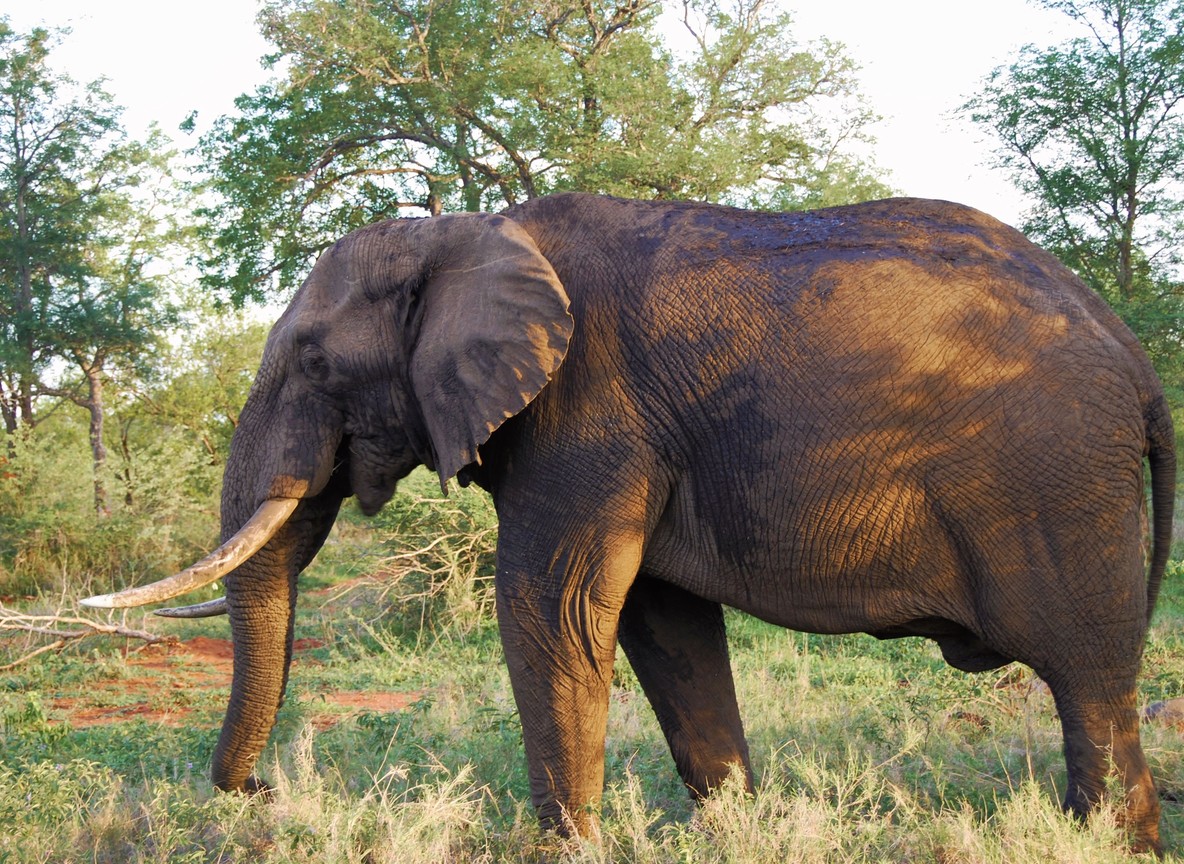
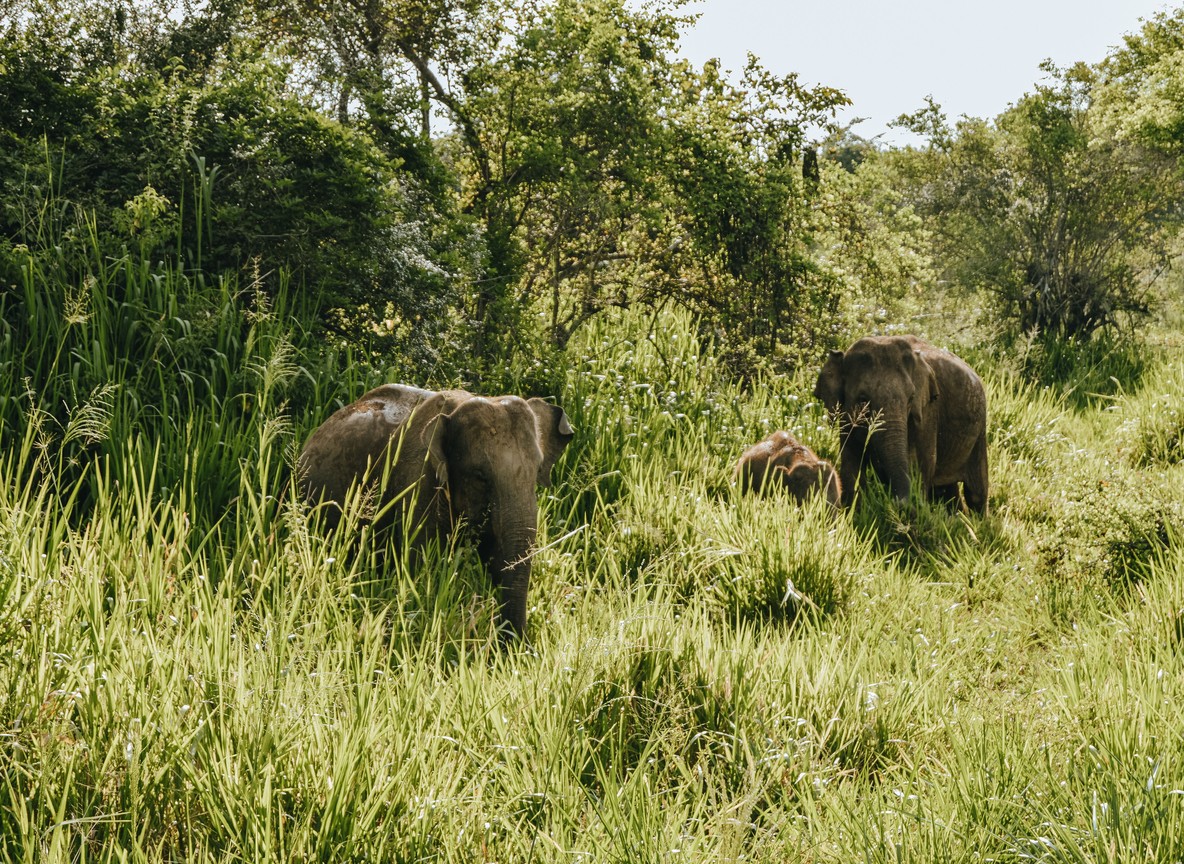
Amboseli’s elephant herds are its most dependable wildlife feature regardless of season, and July is no exception. Fed by underground water draining from Kilimanjaro’s glaciers, the Enkongo Narok and Olokenya swamps stay green and productive even as the surrounding plains turn brown, which pulls elephant family groups into close, easy viewing range through the dry months.
Herds of thirty or more animals wading through the swamp shallows with Kilimanjaro as a backdrop is the single most photographed scene in the park, and July’s clear skies make it the best month to actually capture that image rather than a hazy version of it.
July vs June vs August in Amboseli
Weather and wildlife shift gradually across the dry season rather than all at once. Here is how the three core months compare.
| Factor | June | July | August |
|---|---|---|---|
| Typical rainfall | Low, transitioning out of the rains | Very low, driest stretch begins | Low, similar to July |
| Daytime temperature | Warm, mid-20s Celsius | Mild, low to mid-20s Celsius | Mild, similar to July |
| Kilimanjaro visibility | Improving, some residual cloud | Consistently clear mornings | Consistently clear mornings |
| Grass height | Still moderate in places | Short across most plains | Short, driest ground of the year |
| Crowd levels | Moderate, building toward peak | High, Northern Hemisphere summer holidays | High, peak international season |
| Big cat visibility | Good, improving | Very good | Very good |
July and August run close together on most measures, but July has the edge on Kilimanjaro clarity before the very driest and dustiest weeks of late August set in, and it avoids the tail end of the peak crowd surge that August brings.
Amboseli Quick Facts: Distances, Fees, and Camps
Real numbers make planning easier. Figures below are indicative and should be confirmed at time of booking.
| Item | Detail |
|---|---|
| Park size | 392 km2 |
| Nairobi to Amboseli by road | Approx. 240 km via the Namanga road, 4 to 5 hour drive |
| Nairobi (Wilson Airport) to Amboseli Airport | Approx. 35 to 45 minute flight |
| Main gates | Meshanani Gate, Kimana Gate, Iremito Gate |
| Non-resident park fee | Indicative USD 60 to 97 per adult per 24 hours (KWS gate rate, confirm before travel) |
| Kilimanjaro summit height | 5,895 meters, across the border in Tanzania |
| Tortilis Camp | Kitirua Conservancy, southwestern park boundary, indicative USD 500 to 800 per night |
| Ol Tukai Lodge | Central park, near Ol Tukai airstrip, indicative USD 250 to 400 per night |
| Amboseli Serena Safari Lodge | Northern park, near Meshanani Gate, indicative USD 200 to 350 per night |
| Satao Elerai | Private conservancy, southern boundary, indicative USD 300 to 500 per night |
Best Time to Visit Amboseli: Where July Fits
If you are comparing July against the rest of the calendar, it helps to know where it sits. The long rains (March through May) bring the greenest scenery but the cloudiest Kilimanjaro mornings and the hardest driving conditions. The short rains (November) bring a similar tradeoff on a smaller scale. January and February offer a second dry stretch with good visibility but noticeably hotter daytime temperatures than July.
July’s advantage is balance. It combines dry season wildlife concentration, clear Kilimanjaro mornings, and daytime temperatures that stay comfortable rather than searing, which is exactly the combination most travelers are actually looking for when they ask about the best time to visit Amboseli.
Planning Your July Safari: What to Book Now
July falls inside Kenya’s peak international travel season, so camps and lodges around Amboseli fill up months ahead. A few planning points worth acting on early:
- Book camps and lodges at least four to six months ahead for July dates, especially at Tortilis Camp and Amboseli Serena Safari Lodge
- Pack layers. Early morning game drives can be cool, mid-morning to afternoon warms up quickly under clear skies
- Fly into Amboseli Airport if you want to maximize game drive time and avoid the 4 to 5 hour road transfer
- Build in at least two full days if Kilimanjaro photography is a priority, since even July’s clear mornings are not guaranteed every single day
The Trunktrails Advantage
Trunktrails Safaris is a Kenyan-owned operator, and our July Amboseli departures are built around real dry season patterns, not a generic year-round template.
| What We Provide | What It Means for You |
|---|---|
| Local guiding team based in Kenya | Real-time read on where big cats and elephant herds are concentrated each week |
| Itineraries built around Enkongo Narok, Olokenya, and Observation Hill | You reach the specific zones producing the best July sightings |
| Transparent, indicative pricing on gate fees and lodges | No surprise costs when comparing Ol Tukai Lodge, Tortilis Camp, or Satao Elerai |
| Early booking guidance for peak season | You secure the right camp before July availability tightens |
| Combined circuit planning | Easy pairing with Masai Mara or Tsavo tours and safaris on longer trips |
Every July booking through Trunktrails Safaris is planned around the dry season’s tightest game viewing windows and its clearest Kilimanjaro mornings. 🦁📸
Plan Your Amboseli July Safari With Trunktrails Safaris
July is one of the narrowest windows in the year where dry season wildlife, clear Kilimanjaro mornings, and manageable temperatures all line up at once, and camps book out early because of it. Trunktrails Safaris can lock in the right dates, gates, and named camps before this window fills.
Further reading
More safari planning resources
- Best time to visit Kenya month-by-month map from Valley Safaris
- Amboseli National Park guide on Touring Insights
- Amboseli destination guide on FindMySafari
- Map of Amboseli from Valley Safaris
Message Trunktrails Safaris on WhatsApp at +254 113 208888, email info@trunktrailssafaris.com, or visit trunktrailssafaris.com to start planning your Amboseli tours and safaris. ✨