
Amboseli Birding Safari: How to See 400+ Species With Kilimanjaro as Your Backdrop
Most visitors come to Amboseli National Park for elephants. Birders come for a different reason, and the number is hard to ignore: over 400 species recorded across the Amboseli ecosystem, all of it framed by Africa’s tallest mountain. Few birding destinations anywhere combine that species count with a 5,895-metre snow-capped backdrop. 🦅
An Amboseli birding safari is not a niche add-on to a game drive. The swamps, acacia woodland, and open plains here hold a genuinely different bird community from the Maasai Mara or Lake Nakuru, and the light at dawn, with Kilimanjaro catching the first sun while flamingos work the swamp edges, is a scene most photographers only get once. Trunktrails Safaris runs dedicated birding itineraries through this ecosystem, and this guide covers exactly how to plan one.
Why Amboseli Works So Well for Birding
Amboseli National Park covers 392 square kilometres at the base of Kilimanjaro, sitting at roughly 1,150 metres above sea level in a basin fed by underground rivers flowing off the mountain’s ice fields. That water surfaces as permanent swamps even in the dry season, which is the single biggest reason bird numbers stay high year-round while much of the surrounding land turns to dust.
Three habitat types sit close together here: open swamp with reed beds and shallow water, dry acacia and commiphora woodland, and short-grass plains. Each holds a different bird community, and because they are within a short drive of each other, a single morning game drive can move between waterbirds, raptors, and dry-country specials without long transfers. That density of habitat in a small park is what pushes the species count past 400.
Where to Find the Birds: Amboseli’s Key Zones
| Zone | Habitat | Signature Species | Best Time |
|---|---|---|---|
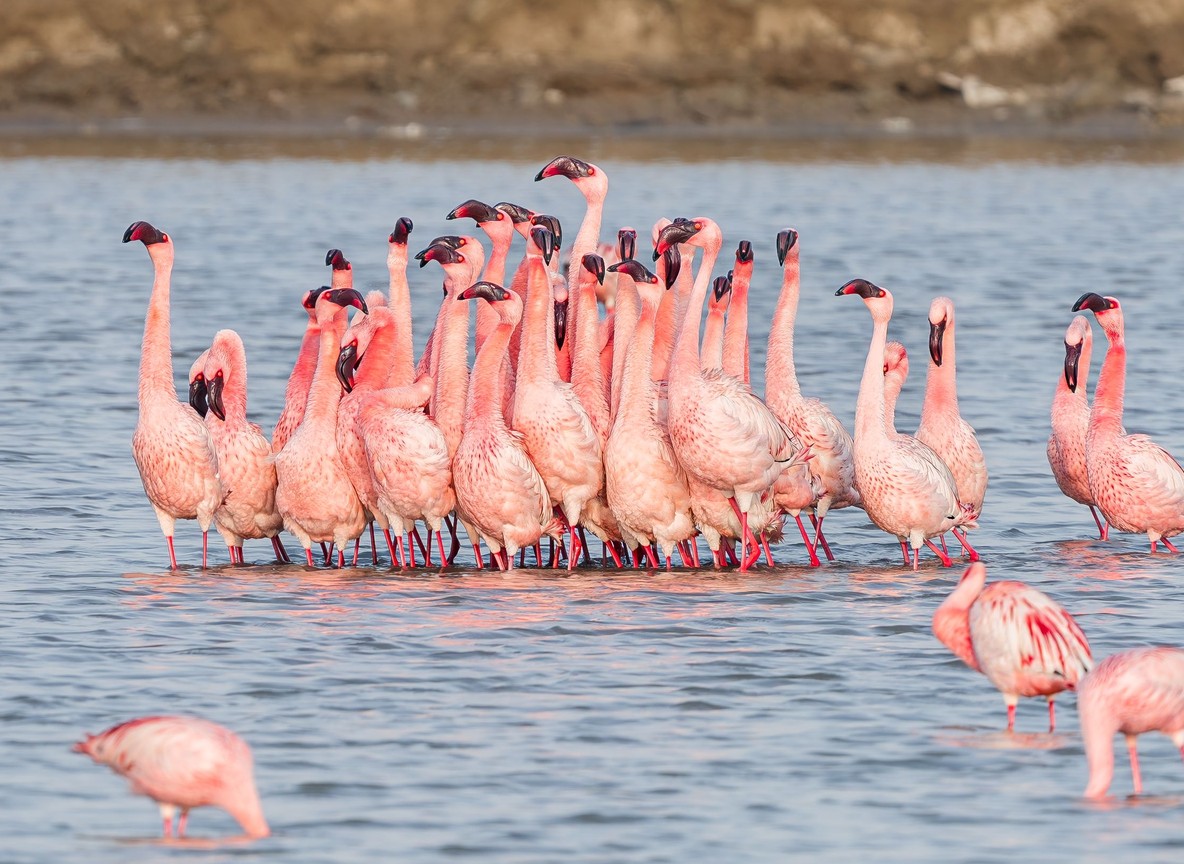
| Enkongo Narok Swamp | Permanent swamp, reed beds | African jacana, malachite kingfisher, lesser flamingo | Dawn, year-round |
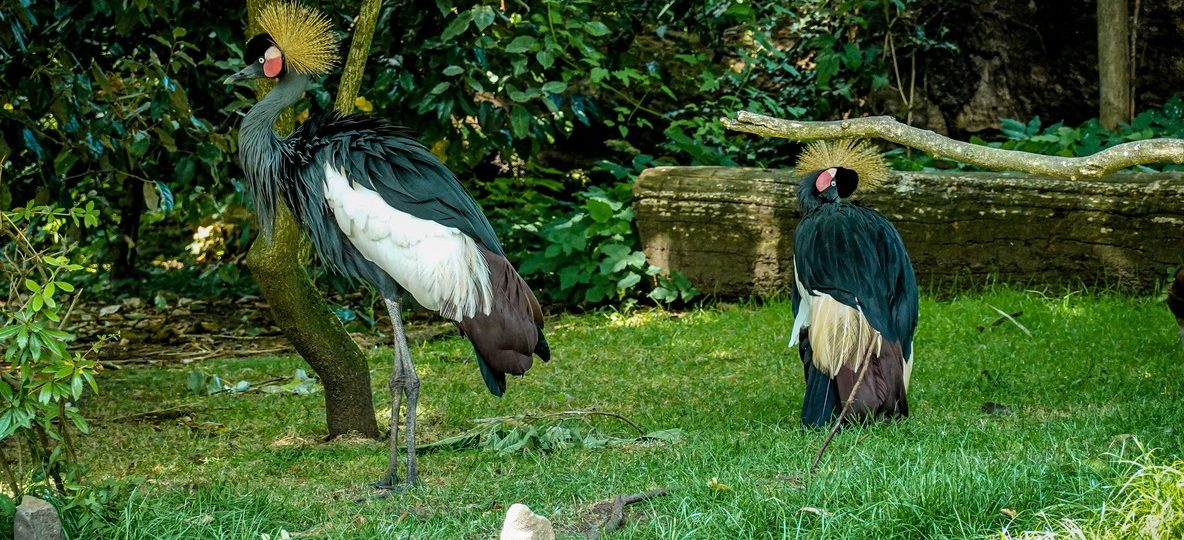
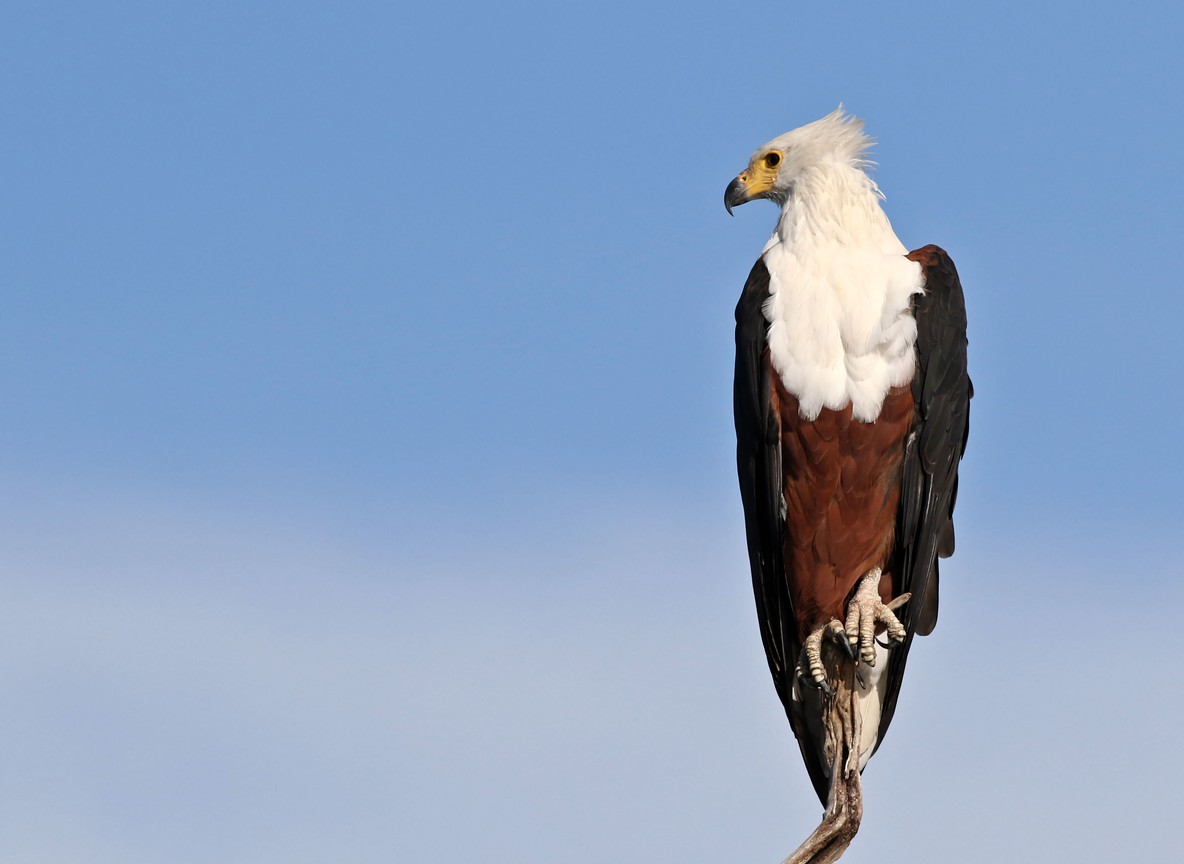
| Longinye Swamp | Spring-fed wetland | Saddle-billed stork, African fish eagle, grey crowned crane | Early morning |
| Namalog Swamp | Open marsh, grazing edges | Egyptian goose, glossy ibis, black crake | Year-round |
| Observation Hill area | Dry plains, acacia scrub | Kori bustard, secretary bird, superb starling | Mid-morning |
| Ol Tukai woodland | Acacia and fever tree | Von der Decken’s hornbill, yellow-necked spurfowl | All day |
| Kimana Sanctuary (adjacent) | Riverine forest, wetland | Taveta golden weaver, African hoopoe | Dawn to mid-morning |
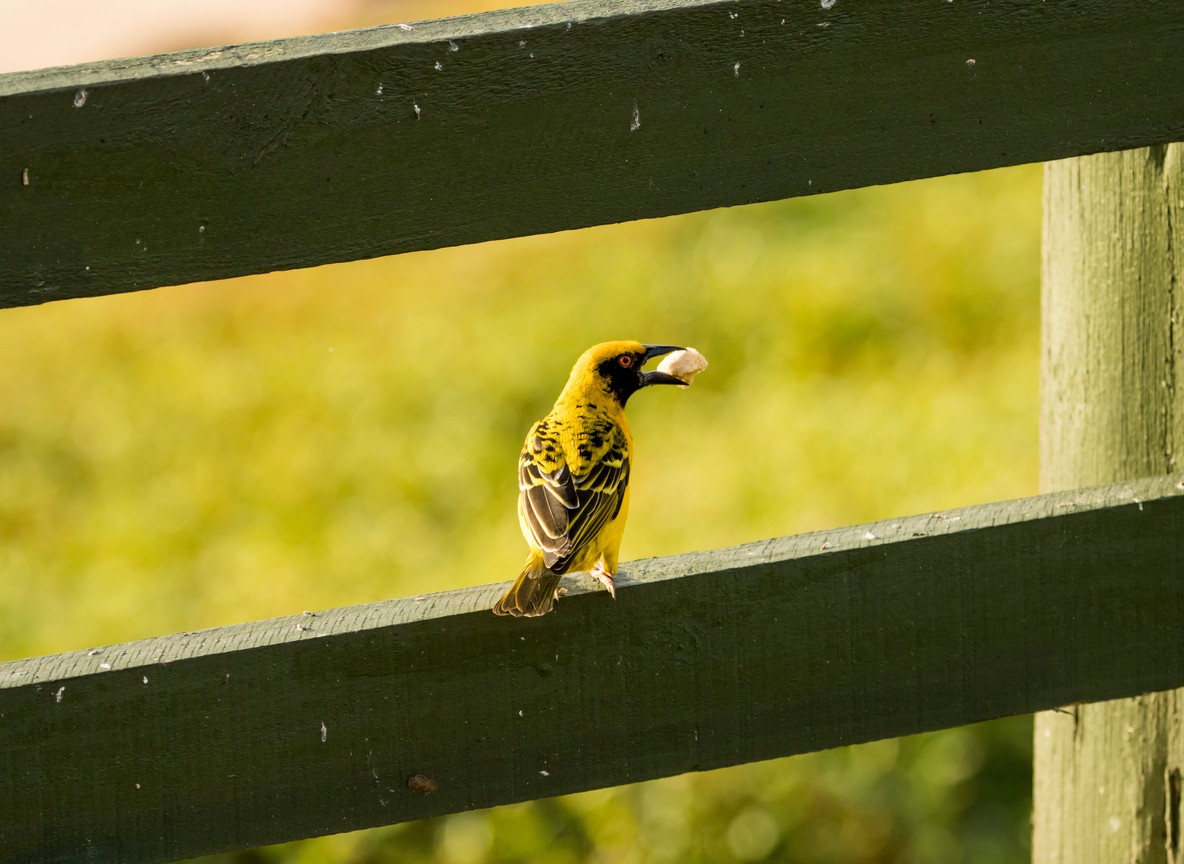
The Taveta golden weaver deserves special mention. This bird is largely restricted to the swamps and marshes around Amboseli and the nearby Taveta area, and it is one of the species that draws serious listers to this specific park rather than a generic Kenya safari itinerary.
Getting There: Real Distances and Fees
Planning a birding trip means planning logistics first. Here is what an Amboseli birding safari actually costs and takes in transit time, using current indicative figures.
| Route or Cost Item | Detail | Indicative Range |
|---|---|---|
| Nairobi (Wilson Airport) to Amboseli Airstrip | 45-minute scheduled flight | USD 150-220 one way (indicative) |
| Nairobi to Amboseli by road (Namanga route) | Approx. 240 km, 4-4.5 hours | USD 60-120 for a shared shuttle seat (indicative) |
| Amboseli National Park entrance fee | Non-resident adult, per day | USD 60 (indicative, KWS rate) |
| Amboseli National Park entrance fee | Non-resident child, per day | USD 35 (indicative, KWS rate) |
| Kimana Sanctuary conservancy fee | Adjacent community conservancy | USD 30-40 per day (indicative) |
| Guided birding game drive (half day) | Private vehicle with birding guide | USD 80-150 (indicative, group size dependent) |
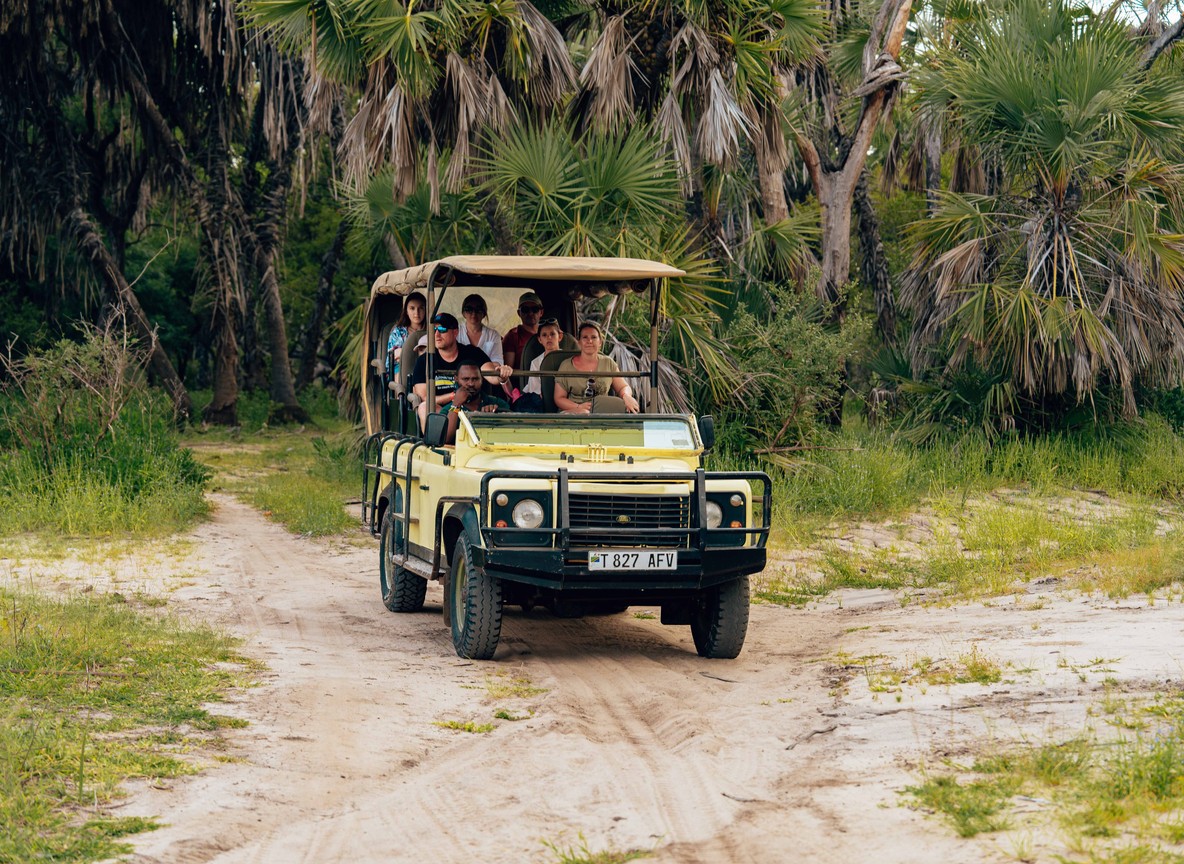
Main entry points into the park are Meshanani Gate to the north (the primary route from Nairobi), Kimana Gate to the southeast (closest to Kimana Sanctuary’s wetland birding), and Iremito Gate to the west. Trunktrails Safaris tours and safaris packages typically route birders through Kimana Gate first thing in the morning, since it puts you at Longinye Swamp before the heat pushes waterbirds into cover.
Best Time of Year for an Amboseli Birding Safari
Amboseli holds resident birds year-round because the swamps never fully dry out, but two windows add real depth to your species list.
November to December (short rains): Migratory waders arrive and the plains green up, drawing seed-eating birds in larger flocks. Photography conditions are excellent, with clearer skies for Kilimanjaro shots between rain showers.
March to May (long rains): The heaviest rainfall period brings the highest overall bird activity and the best chance at Palearctic migrants still passing through, but roads inside the park can turn muddy and Kilimanjaro is frequently cloud-covered.
June to October (dry season): Fewer migrants, but this is when resident waterbirds concentrate tightly around the shrinking swamp margins, making sightings easier and more predictable. Kilimanjaro visibility is also at its best during these months, particularly at dawn before cloud builds. For travelers who want the mountain in their photos as much as the birds, this is the safer bet.
What a Birding Day Looks Like
6:00 AM. Depart camp before sunrise. Light is flat but bird activity at the swamp edges peaks in this first hour.
6:30-9:00 AM. Work Longinye or Enkongo Narok Swamp slowly on foot-pace driving. This is when flamingos, storks, and cranes are most active and Kilimanjaro is usually clearest.
9:30 AM. Breakfast stop, often at a spot overlooking the swamp so scanning continues while you eat.
10:00 AM-12:00 PM. Move to drier habitat around Observation Hill or the Ol Tukai woodland for raptors and dry-country species.
3:30-6:00 PM. Second swamp circuit as the heat drops and birds return to the water’s edge, closing with a sundowner as Kilimanjaro catches the last light. 🌅
What to Pack for an Amboseli Birding Safari
Amboseli’s open swamp edges mean long, unbroken sightlines, so gear choice matters more here than in dense woodland parks. A few practical additions make a real difference to your species count and your photos.
- Binoculars, 8×42 or 10×42. The wider swamps at Enkongo Narok and Longinye reward higher magnification, since many waders and storks feed well out from the vehicle track.
- A spotting scope, if you have one. Useful for scanning the far side of Namalog Swamp, where flamingo flocks often gather beyond binocular range.
- A telephoto lens of at least 300mm. Kilimanjaro shots work with a wide lens, but bird photography at swamp distance needs reach.
- Dust-proof camera bag. Amboseli’s volcanic soil produces fine dust that gets into gear quickly, especially on the drier plains near Observation Hill.
- Neutral-colored clothing. Bright colors carry across open swamp habitat and can push shy species like the black crake back into the reeds before you get a clean look.
- A printed or downloaded East Africa bird checklist. Cell signal is unreliable inside the park, so an offline reference speeds up identification at the swamp edge.
Trunktrails Safaris can arrange scope rental and connect serious birders with guides who carry a running checklist for the ecosystem, which helps you track progress toward that 400-species mark across a multi-day stay.
Amboseli Birding vs. Other Kenya Birding Destinations
Birders often ask how Amboseli compares to Lake Naivasha or the Maasai Mara for a dedicated birding trip. The honest answer depends on what you are after.
| Feature | Amboseli | Lake Naivasha | Maasai Mara |
|---|---|---|---|
| Recorded species | 400+ | 400+ | 470+ |
| Signature backdrop | Mount Kilimanjaro | Rift Valley lake | Open savanna |
| Best specialty species | Taveta golden weaver | African fish eagle, pelicans | Raptor diversity |
| Wetland access | Extensive, permanent swamps | Lakeside, boat-based option | Limited, seasonal |
| Combine with big game | Elephants, lions | Hippos, giraffes (Crescent Island) | Full Big Five |
| Distance from Nairobi | 240 km / 4 hrs road | 90 km / 1.5 hrs road | 270 km / 5-6 hrs road |
Amboseli’s edge is the combination: permanent swamp birding, strong elephant sightings, and a mountain backdrop that no other Kenya park offers. If your trip has one day for birding, Amboseli gives you the most variety per hour spent in the vehicle.
The Trunktrails Advantage
Trunktrails Safaris is a Kenyan-owned tours and safaris operator with guides who track seasonal bird movement across the Amboseli ecosystem, not just game drive routes. That distinction matters for a birding trip. Our guides know which swamp margin the saddle-billed storks are working this week, when Kilimanjaro is most likely to be cloud-free, and how to time your gate entry so you are at Longinye Swamp before other vehicles arrive.
We build Amboseli birding safari itineraries with the gate sequence, swamp rotation, and rest stops already mapped out, so you are not guessing which zone to prioritize. Trunktrails Safaris also pairs birding mornings with elephant-focused afternoons, since Amboseli’s super tuskers move through the same swamp corridors your guide is already scanning for cranes and flamingos.
As a Kenyan-owned operator, Trunktrails Safaris prices its tours and safaris directly, without a foreign booking agent adding a markup between you and the ground team. Our guides are also connected to community conservancies like Kimana Sanctuary, which extends your birding access beyond the park boundary itself. 📸
Where to Stay for an Amboseli Birding Safari
| Camp or Lodge | Location | Why It Works for Birders |
|---|---|---|
| Ol Tukai Lodge | Central park, Ol Tukai woodland | Walking distance to woodland species, swamp views from grounds |
| Kitirua Plains Lodge | Private concession, park boundary | Early concession access before park gates open |
| Tortilis Camp | Kimana Gate area | Closest camp to Kimana Sanctuary wetlands |
| Amboseli Serena Safari Lodge | Near Enkongo Narok Swamp | Direct swamp-edge access for dawn circuits |
| Satao Elerai | Private conservancy, southeast | Off-park birding away from vehicle traffic |
Further reading
More safari planning resources
- Map of Amboseli from Valley Safaris
- Amboseli National Park guide on Touring Insights
- Amboseli destination guide on FindMySafari
- Nairobi to Maasai Mara route guide from Valley Safaris
Ready to Plan Your Amboseli Birding Safari
Amboseli rewards birders who plan around the swamps, the gates, and the light, not just a generic game drive booking. Whether you want a full week chasing the Taveta golden weaver and the region’s raptors, or a single well-timed morning at Longinye Swamp before your flight out, Trunktrails Safaris can build the itinerary around your species list and your schedule.
Reach out to our tours and safaris team today and tell us what is still missing from your Kenya bird list. We will map the gates, swamps, and camps that get you there.
WhatsApp: +254 113 208888 Email: info@trunktrailssafaris.com Website: https://trunktrailssafaris.com
Kilimanjaro does not stay clear every morning, and the dry-season window for the sharpest views is already filling up on our calendar. Lock in your dates now with Trunktrails Safaris and put yourself at the swamp’s edge before the light changes. 🌍