These options may appear in the same planning conversation, but they do not deliver the same safari. Wildlife style, road time, camp feel, and the kind of stories you bring home all shift with the choice. That is why 3 night vs 5 night masai mara safari matters.Trunktrails Safaris helps travellers make this decision every week. We are Nairobi-based and Kenyan-owned. We weigh real drive times, wildlife strengths, camp standards, and what guests actually want from the trip, not brochure shortcuts. That makes the recommendation easier to trust.Here is the honest 3 night vs 5 night masai mara safari comparison, the same way we break it down before a safari is booked.
Getting to the Masai Mara by Road: Pros and Cons
Deciding how to reach the Masai Mara is almost as important as choosing your camp. For most travelers, overland trips begin and end in Nairobi, and the drive itself is part of the adventure. You’ll have a choice between two main vehicles: the classic 4×4 Landcruiser Jeep—reliable and rugged for Kenya’s countryside—or the more budget-friendly Safari Minibus (Tour Van).Why choose the road route? - Cost savings: Road safaris typically come in at a lower price point than flying in, giving you more value for your trip.
- Scenic immersion: The journey takes around 5-6 hours (depending on your camp’s location), and you’ll get an up-close look at rural Kenya—markets, sleepy villages, acacia-dotted landscapes, even the odd herd of cattle crossing your path. It’s not just a transfer; it’s your first taste of the real Kenya.
- More flexibility: You can stop before reaching the Mara, stretch your legs in the Rift Valley, snap some photos, or grab a local snack along the way.
But a few caveats: - Road conditions: Some stretches en route are, let’s say, thoroughly “African massage” material. Potholes are part of the package—especially on the last hour approaching the reserve. Expect a bumpy finish, whichever vehicle you pick.
- Travel time: Six hours on the road can feel long, especially if you’re traveling with young kids or only have a short window for your safari. If time is tight, flying in might make sense.
Ultimately, traveling by road works best for those keen to save on costs or eager for a glimpse of everyday Kenyan life beyond the Mara’s gates. For others, the allure of saving time (and avoiding potholes) can tip the scale toward a flight.Getting There: Flight Time and Arrival Process
If you’re wondering how long it actually takes to reach the Masai Mara from Nairobi, the answer is: not long at all. Flying from Wilson Airport, you’ll be soaring above the Rift Valley and landing in the Mara within about an hour—a painless shortcut compared to the long drive.Once you touch down at one of the Mara’s small airstrips, the handoff is seamless. Camp staff are waiting, ready to whisk you away for lunch or your first game drive. Transfers are done in sturdy 4×4 vehicles, already included as part of your stay. There’s no wandering around airports or sorting out taxis—just straight into the wild, with as little friction (and road dust) as possible.What Is a Fly-In Safari, and How Does It Work?
Let’s talk fly-in safaris—these are the shortcut for travelers who want to skip the long road haul between Nairobi and the Masai Mara. Here’s how it shakes out: you hop on a small plane at Nairobi’s Wilson Airport, and in under an hour, you’re touching down smack in the heart of the Mara, refreshed and ready to go.Fly-in safaris are especially handy for more tucked-away camps that aren’t easily accessed by road, or for travelers who want to maximize their time out in the bush. Rather than spending half your day jostling along on Kenya’s highways, you land at a Mara airstrip where your camp vehicle is waiting. Usually, you’ll be at your lodge in time for lunch, with an afternoon game drive already lined up.These flights typically run twice a day, and once you’re on the ground, everything is handled: transfers, game drives (in proper 4×4 safari vehicles), and the on-the-ground logistics. It’s the seamless, time-savvy way to experience the Mara, and suits anyone who wants to squeeze the most adventure out of those precious safari days.Masai Mara Tour Packages for 2025 & 2026: Your Options
The Masai Mara remains one of the world’s most iconic safari destinations, with a staggering lineup of wildlife encounters—no two safaris are quite the same. Whether you’re angling for the classic “Big Five” or eyeing the elusive “Big Nine,” the richness of the reserve is accessible through a range of tour options for 2025 and 2026.Tour packages generally fall into these familiar categories:- Budget Safaris: Ideal if you’re looking to maximize adventure without stretching your wallet. Expect reliable camp facilities, experienced guides, and a front-row seat to the action—minus extra frills.
- Mid-range Packages: For travelers after comfort and convenience, these itineraries balance well-appointed camps or lodges and expertly organized daily game drives.
- Luxury Fly-In Safaris: If your style leans toward the finer things, several outfits offer fly-in safaris, whisking you from Nairobi or the Kenyan coast to boutique tented camps. These tours often feature gourmet cuisine, personalized service, and unique wildlife vantage points.
- Special Event Packages: To witness the wildebeest migration at its peak (typically July–September), there are dedicated migration-focused safaris, with expert guides positioning you for those dramatic river crossings.
Whether you’re plotting an adventurous getaway on a budget or dreaming of a luxury escape with a private guide, there’s a 2025 or 2026 Masai Mara experience fit for your plans.How Road Safaris to the Masai Mara Work—and What to Expect from the Vehicles
If you’re headed to the Masai Mara, the classic journey begins in Nairobi, a city that seems to hide half the world’s matatus and more than a few ambitious baboons. Most travelers set out by road, which serves up two benefits: it keeps costs manageable and gives you a rolling tour of genuine Kenyan countryside. The drive typically clocks in at five to six hours, depending on which camp is hosting your “Out of Africa” experience. Fair warning: some stretches of the route invite your vertebrae to reminisce about every pothole you’ve ever met. Think of it as a free Kenyan back massage.Vehicles for Safari: Mighty Minibuses and Legendary Landcruisers
Now, road trips are only as good as the vehicle behind the wheel. In Kenya, it comes down to two heroes of the wild: the ever-capable 4×4 Toyota Landcruiser and the budget-friendly safari minibus (often a Toyota Hiace or its cousin). Both sport pop-up roofs—the perfect design for eyeballing everything from lumbering elephants to twitchy dik-diks—and are customized for the bumpy realities of game viewing.- 4×4 Landcruisers: The Landcruiser is a beast—designed for any terrain, from muddy tracks to dry riverbeds. If your idea of fun includes bouncing through hidden corners of the reserve, this is your chariot. Expect plenty of windows and a raised roof for those “I just spotted a leopard in a tree” moments.
- Safari Minibuses (Tour Vans): These are easier on the wallet and still deliver solid safari credentials. Pop-up roofs come standard, and you’ll find them in every camp parking lot. While they can’t match a Landcruiser off-road, they’re reliably comfortable on main tracks.
Both vehicle types usually include a seasoned driver-guide who knows where the lions napped last week and which acacia tree is home to the resident cheetah family. Plus, radios for real-time wildlife gossip so you’re in the loop for that surprise lion sighting.Renting either as a private party is on the table too, especially for independent souls happy to build their own itinerary. Local companies (from Nairobi to Naivasha) offer both options with drivers who double as impromptu Maasai language tutors and bushland comedians.Let’s get into what you actually experience once you’re there. 3 Nights in the Masai Mara – What You Actually Get

A masai mara 3 nights stay is the most common entry point for first-time visitors and for travellers combining
the Masai Mara with other Kenya destinations (Amboseli,
Kenya coast, Nairobi attractions).
What 3 nights delivers:With a 3 night masai mara itinerary, you typically get:
- 6 game drives (morning and afternoon on each full day, plus one drive on arrival afternoon or departure morning)
- Coverage of 2–3 key game drive zones depending on camp location
- Good statistical likelihood of big cat sightings (lions, cheetahs) given 6 drives
- Hot air balloon safari – this adds significantly to the experience if included
- One Maasai cultural visit (if prioritised)
For a first-time safari visitor, 3 nights is enough to understand the Masai Mara and experience the core highlights. The question is whether “enough” is all you want.
Is 3 days masai mara enoughFor a classic first safari: yes. For deep wildlife photography, observing multiple behaviours, or following specific predator families across game zones: not really. Three nights is a foundation, not a full picture.
Are There Special Masai Mara Honeymoon Packages?
Absolutely—if you’re looking to turn your Masai Mara safari into a honeymoon, there are specialized packages crafted just for that. Many top camps and lodges offer romantic upgrades: private sundowner setups, candle-lit bush dinners, and secluded tents with views that stretch for miles. Some throw in spa treatments and exclusive game drives just for two.If you want your safari adventure paired with a bit of extra romance, let your tour operator know in advance. They can recommend options that cater specifically to couples, whether it’s a champagne breakfast after a dawn balloon flight or a riverside suite with a clawfoot tub. The Mara may be famous for predators, but it knows how to do romance, too.5 Nights in the Masai Mara – What the Extra Days Add
A masai mara 5 nights stay transforms the experience from highlights to depth.
What 5 nights delivers additionally:- 10 game drives – time to follow individual animals, wait out behaviour, and experience multiple game zones
- Coverage of the Mara Triangle, central plains, and Talek River corridor in a single trip
- Higher probability of witnessing rare events – a kill, a cheetah hunt, an elephant birth, a lion mating
- Time to absorb the rhythm of the reserve rather than rushing between sightings
- Recovery days for non-optimal drives – bad weather or midday quiet does not make the trip feel wasted
- Both morning and afternoon perspectives of each game zone (fundamentally different experiences)
5 nights vs 3 nights masai mara – the wildlife probability difference:Wildlife sightings in the Masai Mara are never guaranteed. But the statistics improve significantly with more drives. A cheetah hunt – one of the most dynamic wildlife moments in Africa – can take 3–4 drives to witness from start to finish. Witnessing a Mara River crossing from start to finish can require multiple 3-hour waits at the riverbank. These experiences are simply more likely with 10 drives than 6.
When to Visit: Wildebeest Migration and Beyond
When planning your Masai Mara safari, the wildebeest migration inevitably comes up. This famed spectacle unfolds from roughly July through September, when over a million wildebeest—alongside zebras and gazelles—brave river crossings and predators in a drama that draws wildlife enthusiasts and photographers from around the globe. It’s nature at full volume.But is the migration season the only good time to visit the Masai Mara? Absolutely not. The Mara’s wildlife density remains remarkable all year. Lions patrol their territories, cheetahs hunt the open plains, and elephants, giraffes, and the rest of the “Big Nine” (yes, including rhinos and leopards) roam regardless of the month.- Migration season (July–September): Expect packed game drive zones, high energy, and the rare chance to witness river crossings.
- Green season (November–June): Lush landscapes, fewer crowds, better rates, abundant resident wildlife, and splendid photography conditions.
Bottom line: while the migration is extraordinary, the Masai Mara never really takes a day off. Timing your visit comes down to your travel style, what you’re hoping to see, and how much you enjoy being part of the throng (or escaping it).Masai Mara Duration – The Numbers
| Stay | Full Days | Game Drives (est.) | Zones Typically Covered |
| 2 nights | 1 full day | 4 | 1–2 zones |
| 3 nights | 2 full days | 6 | 2–3 zones |
| 4 nights | 3 full days | 8 | 3–4 zones |
| 5 nights | 4 full days | 10 | 4–5 zones + repeats |
| 7 nights | 6 full days | 14+ | Full ecosystem coverage |
How Many Days Masai Mara Is Recommended
The masai mara how many days recommended question has a range of valid answers depending on traveller type.
Trunktrails Safaris recommendation:- Minimum viable: 3 nights (2 full days). Delivers the highlights. Works well as part of a broader Kenya itinerary.
- Recommended standard: 4 nights (3 full days). Balances coverage and cost well. Adds flexibility for weather, off days, and repeat zone drives.
- Ideal for wildlife enthusiasts: 5 nights (4 full days). Full ecosystem coverage, high probability of witnessing specific behaviours.
- Photography / specialist: 7 nights+. Allows light-specific drives, extended waits, full conservancy and reserve circuit.
3 Nights Masai Mara vs 5 Nights – Cost Reality
The cost difference between 3 nights and 5 nights is real. Two extra nights means two additional full-board camp nights plus the associated game drive costs, conservancy fees, and park fees.At a mid-range camp ($350–$500/night all-inclusive), adding 2 nights adds $700–$1,000 per person. At a luxury camp ($800–$1,500/night), adding 2 nights adds $1,600–$3,000 per person.
How Much Does a Masai Mara Safari Actually Cost?Safari pricing can vary widely depending on the number of days, level of comfort, and inclusions. Here’s a quick breakdown to help set expectations:- 3 days Masai Mara Safari
- Budget: $440–$840
- Mid-Range: $540–$1,290
- Luxury: $860–$2,375
- 4 days Masai Mara Safari
- Mid-Range: $840–$1,710
- Luxury: $1,845–$3,855
- 5 days Kenya Safari
- Standard: $955–$1,815
- Luxury: $1,630–$3,380
- 6 days Kenya Safari
- 7 days Kenya Safari
These ranges reflect per-person, all-inclusive rates covering accommodation, meals, game drives, park fees, and internal transfers. The jump between categories (budget, mid-range, luxury) isn’t just about plush tents or infinity pools; it’s about the level of guiding, vehicle quality, exclusivity of wildlife viewing, and even the little touches like sundowners and bush breakfasts.So, when weighing whether to extend your stay, consider not only the extra nights, but the overall experience you want—and what fits your budget.The value question:The optimal masai mara stay duration depends on your total Kenya budget. If adding 2 nights means no Kenya coast extension or skipping Amboseli, that trade-off may not suit your itinerary goals. If you are visiting Kenya once and
the Masai Mara is the centrepiece, the extra nights are almost always worth the investment.
Sample Fly-In Safari Packages: Durations & Price Range
For those keen on maximizing time in the Masai Mara, fly-in safari packages streamline the journey—no long road transfers or endless bumps. Here’s a quick overview of typical package durations and price points (all-inclusive basis, per person):- 2-night fly-in safari: Expect to pay between $850 and $1,050. This covers flights from Nairobi, full-board accommodation, and daily game drives—a fast-track highlight reel of the Mara.
- 3-night fly-in safari: Packages range from $1,150 to $1,500. This is the most common option, offering two full days on the ground and plenty of drive time to sample key wildlife zones.
- 4-night fly-in safari: Budgets stretch to $1,260–$1,785. This suits those seeking a bit more depth—extra dawns, additional corners of the reserve, and slightly lower drive-day pressure.
Prices vary by camp level (think base-camp comfort to designer luxury tents) and seasonality, with July–September’s migration highs running toward the upper end. These ballpark figures also reflect typical rates you’ll find with established Kenyan operators and international safari specialists like &Beyond and AfricanMecca.For true wildlife immersion—especially if you’re looking beyond the classic checklist—the longer packages open up a broader range of habitats and animal encounters.3 Night Masai Mara Itinerary vs 5 Night – The Practical Difference
3 nights sample schedule:- Day 1 arrival: Afternoon game drive + dinner
- Day 2: Full game drive day (morning + afternoon) + balloon safari optional
- Day 3: Morning game drive + departure after breakfast or late morning
5 nights sample schedule:- Day 1 arrival: Afternoon game drive + dinner
- Day 2: Morning + afternoon game drive (central plains / Mara River corridor)
- Day 3: Full day – bush breakfast + Mara Triangle / conservancy boundary
- Day 4: Morning + afternoon game drive – Talek River / eastern zone
- Day 5: Balloon safari morning + farewell bush lunch
- Day 6: Morning game drive + departure
The 5 night masai mara itinerary gives you a full zone circuit, a dedicated balloon morning, and the ability to follow sightings across multiple sessions rather than passing through.
Which Should You Choose – 3 Nights or 5 Nights
Choose 3 nights if:- Kenya budget requires allocation to multiple destinations (Amboseli + Masai Mara + Coast)
- First-time visitor testing whether deep safari resonates before committing more days
- Time constraints are fixed – school holidays, limited annual leave
- Part of a larger East African itinerary (Serengeti + Masai Mara combined trip)
Choose 5 nights if:- The Masai Mara is the centrepiece or sole destination of your Kenya trip
- Wildlife photography is a serious focus
- You are a returning visitor who has already done the 3-night highlights version
- You want to witness specific behaviours (river crossings, kills, specific predator families)
- You are travelling during migration season – the Mara River crossing experience rewards patience and repeated attempts
Can Independent Travellers Hire Safari Vehicles with Drivers in Kenya?
Absolutely—independent travellers aren’t limited to all-inclusive tour packages. In Kenya, it’s entirely possible to hire a safari vehicle with an experienced driver–guide for your own custom itinerary, whether you’re planning to book accommodation yourself or want flexibility outside a group itinerary.The main vehicle options are:- Safari Minivans: Popular for budget and mid-range safaris, these are fully customized vans with pop-up roofs for game viewing. They’re perfectly capable for much of the Mara and offer good comfort and value.
- 4×4 Toyota Land Cruisers: The classic safari workhorse, ideal for rougher terrain, rainy-season travel, and anyone wanting extra ground clearance or a little more comfort. These often come with extra features like fridge coolers, charging stations, UHF radios for tracking wildlife hotspots, and sometimes even Wi-Fi.
Booking one with a professional driver–guide means you get expert navigation, local insights, and the freedom to set your own pace. Plan your own route, choose your stops, and maximize your time in the parks—without the headache of driving unfamiliar roads or missing prime wildlife sightings because your hands are on the wheel.Whether you’re organizing your own lodge stays or piecing together a bespoke Kenya adventure, hiring a vehicle with a driver–guide is a flexible, traveller-friendly solution that gives you both autonomy and on-the-ground expertise.Ready to Plan Your Kenya Safari? Talk to Trunktrails Safaris
Trunktrails Safaris designs tailor-made tours and safaris for every traveller and every budget. From green-season adventures to private luxury camps, our tours and safaris are built by a Nairobi-based team that speaks to you directly, not through a call centre. Most WhatsApp enquiries about our Kenya tours and safaris get a reply from Trunktrails Safaris within the hour.WhatsApp: +254 113 208888Email: info@trunktrailssafaris.comWebsite: https://trunktrailssafaris.com
Book Your Safari
| Native Kenyan Owned | Conservation First | 24/7 Support
Further reading
More safari planning resources


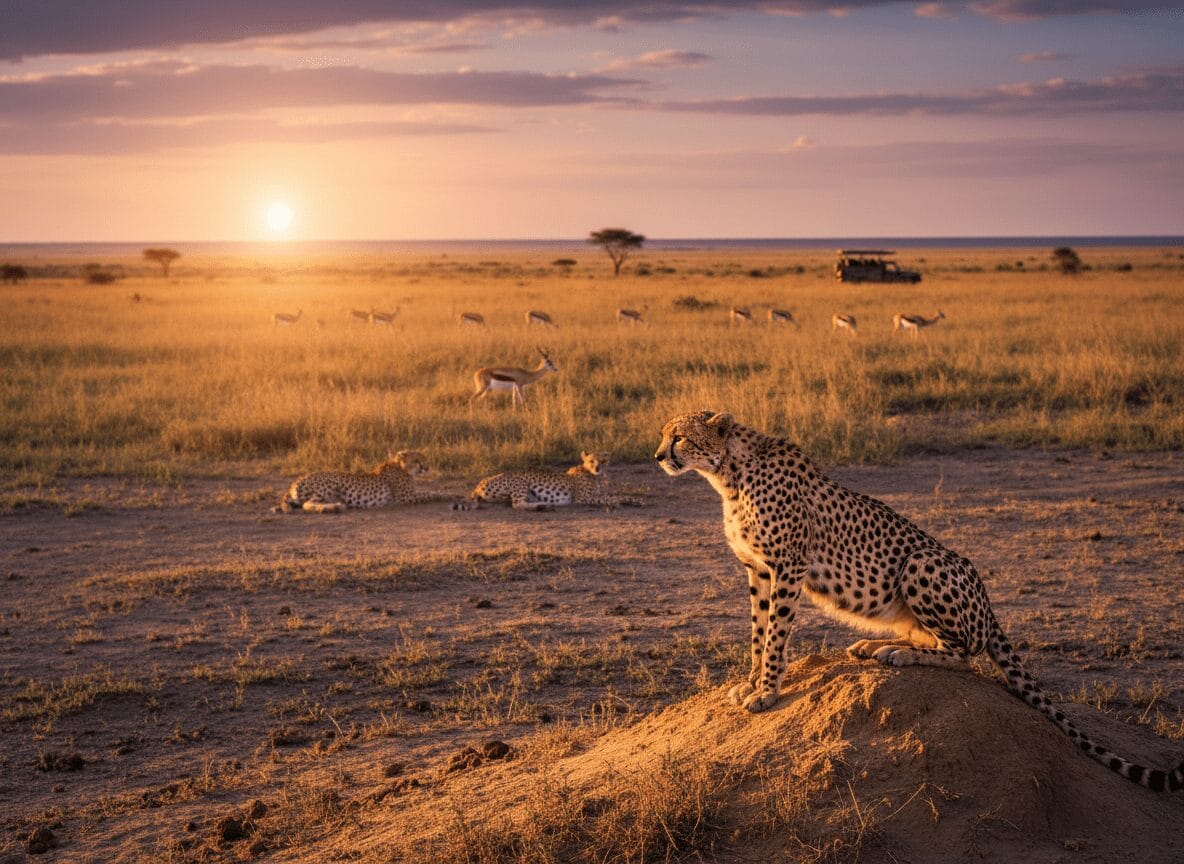 A masai mara 3 nights stay is the most common entry point for first-time visitors and for travellers combining the Masai Mara with other Kenya destinations (Amboseli, Kenya coast, Nairobi attractions).What 3 nights delivers:With a 3 night masai mara itinerary, you typically get:
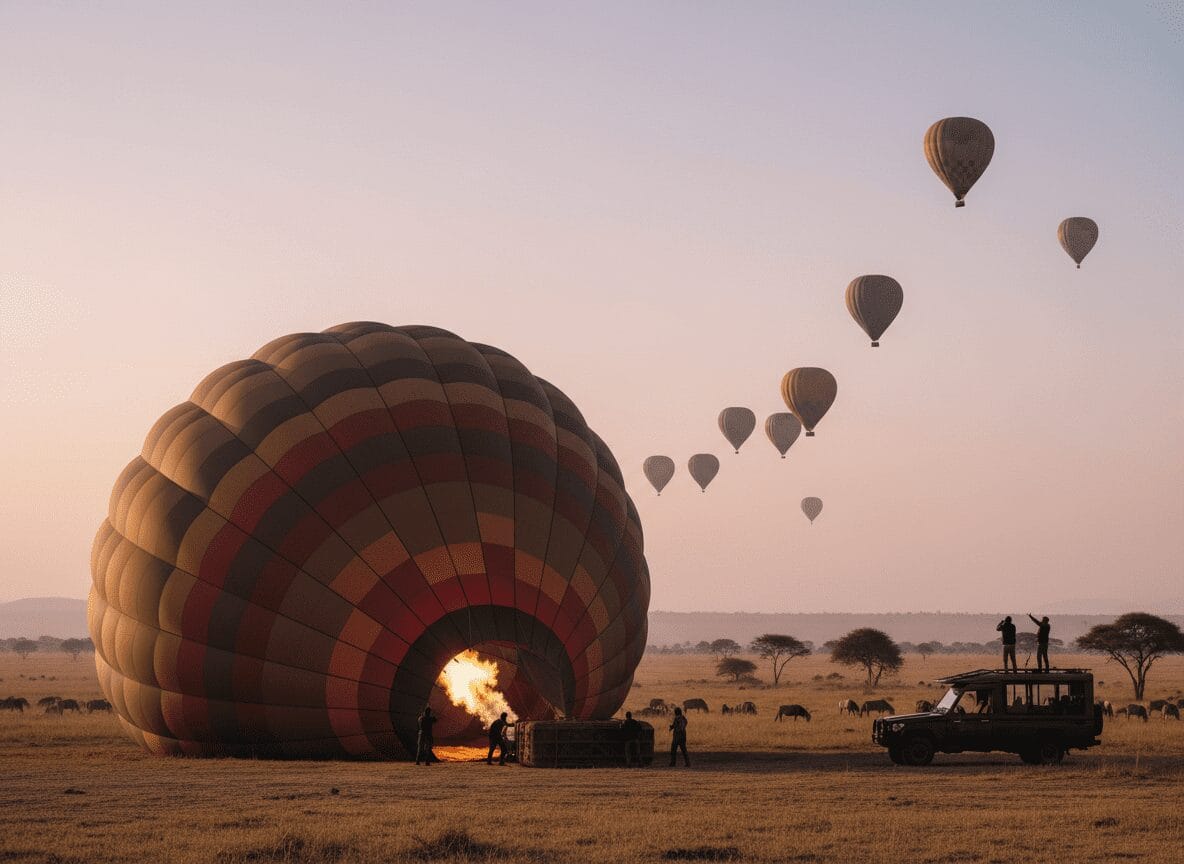 3 nights sample schedule: