
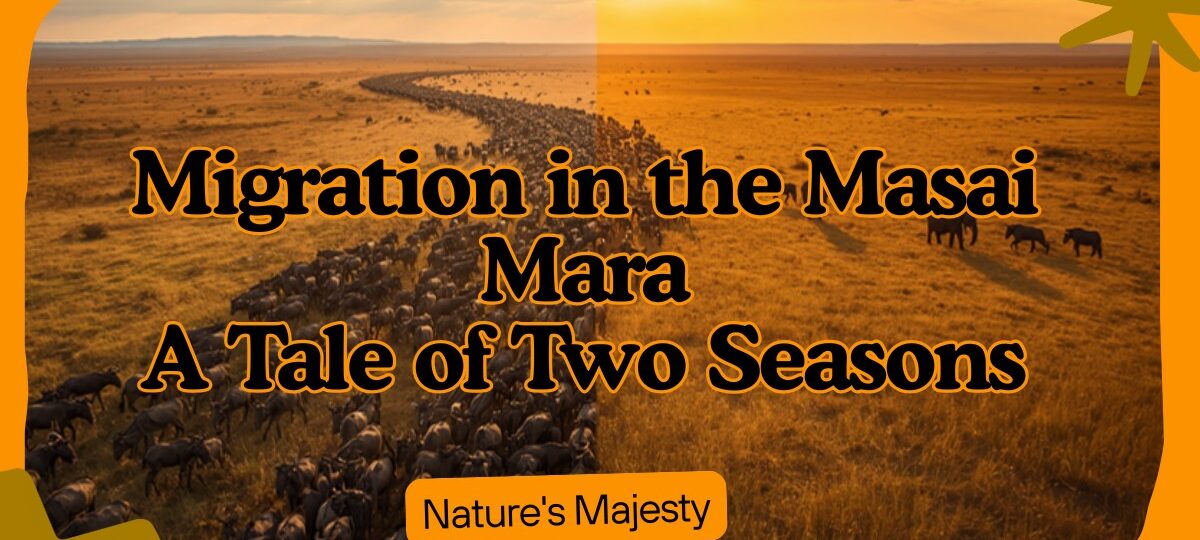
Masai Mara Migration Season vs Non-Migration: What Really Changes?
IMAGE_SLOT_HERO: alt=”Masai Mara migration season wildebeest crossing the Mara River during peak season in Kenya”
Every year, somewhere between late June and October, the Masai Mara hosts one of the most dramatic wildlife events on the planet. More than 1.5 million wildebeest pour across the Mara River from Tanzania’s Serengeti, chased by crocodiles, pursued by lions, and watched by thousands of wide-eyed visitors. It is breathtaking. It is also not the only reason to visit. 🌍
Here is the question most safari planners get wrong: they assume the Masai Mara is only worth visiting during masai mara migration season. The truth, as any guide who has spent years in the reserve will tell you, is more interesting. The Mara is exceptional year-round. What changes between seasons is the type of experience, not the quality of it.
At Trunktrails Safaris, we have taken families, couples, retirees, and solo travelers through the Mara in every month of the calendar. This guide gives you the real picture so you can choose the season that fits your trip, not just the most-hyped one. See also our Masai Mara safari packages for itinerary options across all seasons.
When Is the Masai Mara Migration Season?
The Great Migration is not a single event with a fixed start date. It is a continuous circular movement of wildebeest and zebra driven by rainfall and grass. The animals follow an annual clockwise loop between the Serengeti in Tanzania and the Masai Mara in Kenya.
Here is how the cycle plays out:
- January to March: Herds calve in Tanzania’s southern Serengeti. Massive numbers, but not yet in Kenya.
- April to May: Long rains push the herds north through the Serengeti. Still in Tanzania.
- June to July: The front edge of the migration reaches the Masai Mara. Early crossings begin at the Mara River.
- August to October: Peak masai mara migration season. Multiple river crossings per week. Highest game density in Kenya.
- November to December: Herds begin moving south again toward Tanzania. Short rains arrive.
The most intense, photogenic crossings typically happen in August and September. That said, July and October can be equally spectacular with fewer crowds.
What Masai Mara Migration Season Actually Delivers
During peak migration, the Masai Mara transforms into the most wildlife-dense reserve in East Africa. Here is what you can expect:
Mara River Crossings
This is the headline event. Hundreds of wildebeest gather on the riverbank, hesitate for hours, then plunge into crocodile-filled water in a sudden, chaotic mass. It is loud, visceral, and unforgettable. Some guests witness three crossings in a single day. Others wait four days and see nothing because the animals are unpredictable by nature.
No guide, no matter how experienced, can guarantee a crossing. What a great safari company can guarantee is positioning you in the right place at the right time, with patience and knowledge of animal behavior. For context on the migration’s full annual cycle, the Kenya Wildlife Service publishes seasonal wildlife updates for the Mara ecosystem.
Predator Activity
One million prey animals in a concentrated area means predator numbers spike dramatically. Lion prides are active and visible. Cheetahs hunt on open plains. Leopards stalk the riverine forest. During migration, your chances of seeing multiple predator kills in a single morning drive are genuinely high.
Wildlife Density
The Mara River plains, the Mara Triangle, and the Governors’ area are packed. You will share sightings with more vehicles than at any other time of year.
Crowds and Cost
Peak migration season means peak prices and peak crowds. Expect camp rates 30 to 50% higher than the green season. Popular camps book out 12 months in advance. Game drive vehicles cluster at crossings.
What Happens in the Masai Mara Outside Migration Season? 🦁
Here is what most blog posts do not tell you: the non-migration months offer a genuinely different kind of excellence.
Resident Wildlife Does Not Leave
The Masai Mara’s resident wildlife is enormous in scope. Lions, elephants, buffalo, giraffe, zebra, hippo, cheetah, leopard, hyena, and hundreds of bird species live in the Mara year-round. The Big Five are permanently resident. You are not chasing migrating herds when you visit in January or March but you are absolutely seeing wildlife.
Green Season (November to May): The Hidden Gem
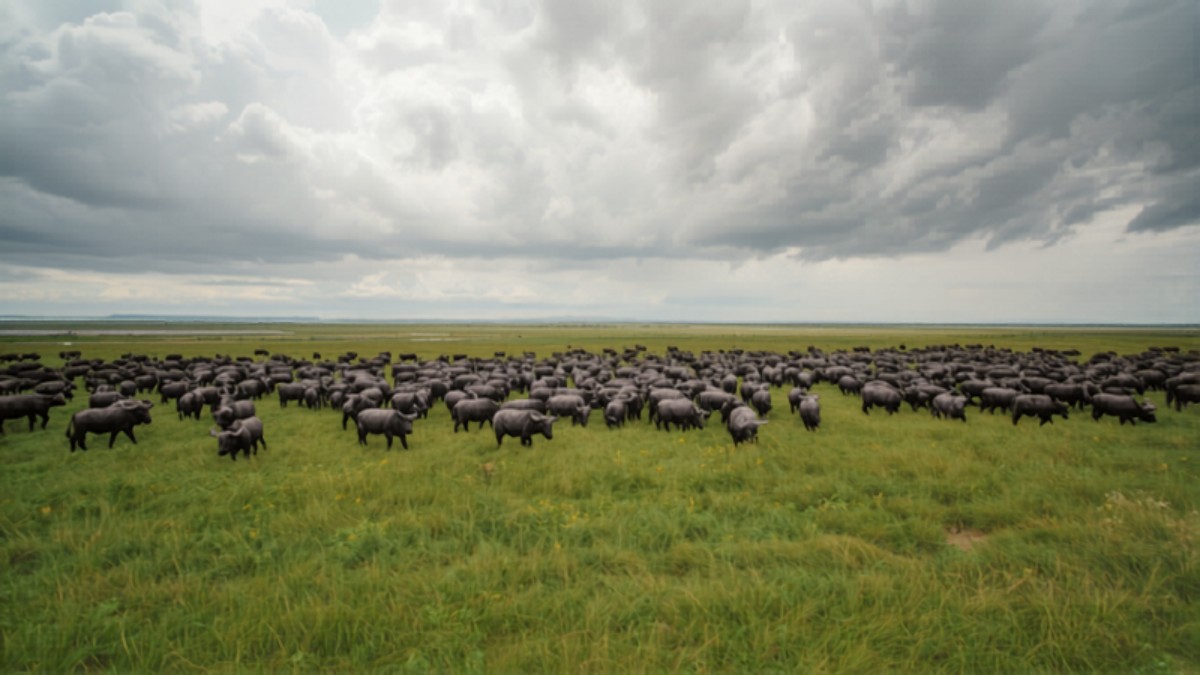
The long and short rains transform the Mara into something genuinely beautiful. Grass is lush, the light is extraordinary for photography, and the landscape shifts from golden savannah to vivid green. This is the period when:
- Wildebeest calves are born (January to March) in Tanzania, and the ripple effects are felt across the ecosystem
- Migratory birds arrive in their thousands, making it the best period for birding
- Predators hunt more actively on shorter grass after rains
- You share game drives with far fewer vehicles
The green season is the preferred time for serious wildlife photographers, birdwatchers, and travelers who want a quieter, more personal experience. Our Kenya green season safari guide explains why many repeat visitors now prefer it.
Shoulder Season (June and October to November)
June is the sweet spot for many of the best masai mara safari packages. The long rains have ended, grass is short enough for excellent game viewing, the migration is starting to arrive in Kenya, and prices have not yet hit their August peak. Shoulder season tours and safaris also benefit from lighter vehicle traffic and more flexible camp choices. October is similar: migration is winding down, camps begin to offer better rates, and the reserve is calmer.
IMAGE_SLOT_INNER_1: alt=”Lions resting on the Masai Mara plains during non-migration season, Kenya safari”
Side-by-Side: Migration vs Non-Migration Season
| Factor | Migration Season (Jul-Oct) | Non-Migration (Nov-Jun) |
|---|---|---|
| Wildebeest crossing | Yes, Mara River crossings possible | No |
| Big Five sightings | Excellent | Excellent |
| Predator activity | Peak (prey density highest) | High year-round |
| Crowd levels | High to very high | Low to moderate |
| Game drive prices | 30-50% premium | Standard rates |
| Photography conditions | Golden dry light | Dramatic skies, lush green |
| Birding | Good | Exceptional (Nov-Apr) |
| Calving season | No | Yes (Jan-Mar, Tanzania) |
| Camp availability | Book 12 months out | Book 2-4 months out |
| Ideal for | Crossing seekers, first-timers | Photographers, birders, repeat visitors |
What Never Changes Regardless of Season
This is the most important part of any honest comparison.
The Big Five are always there. You will see lions, elephants, buffalo, leopard, and rhino (in the Mara Triangle especially) in any month. The Masai Mara consistently ranks as one of the world’s best Big Five destinations year-round.
The landscape is always spectacular. Whether it is golden dry-season grass stretching to the Siria Escarpment or green wet-season plains shimmering after rain, the Mara’s scenery is extraordinary regardless of when you arrive.
The culture is always accessible. Maasai villages near the reserve are active year-round. Cultural visits, beadwork sessions, and warrior demonstrations are available throughout the year. KATO sets independently verified standards for ethical cultural tourism in these communities.
The guide quality is always the determining factor. The single biggest variable in any Masai Mara safari is not which month you visit. It is who is driving you. An experienced guide in January will consistently outperform a mediocre guide in August.
How to Choose Between Migration and Non-Migration Season
Ask yourself three questions:
1. Is the river crossing non-negotiable for you? If yes, book July to October. Be realistic: crossings are not guaranteed but your odds are best in August and September.
2. What is your budget flexibility? If you want the best masai mara safari packages at the most competitive rates, November to June offers exceptional value with no meaningful sacrifice in wildlife quality.
3. How do you feel about crowds? If you want a vehicle to yourself at a sighting without a dozen other jeeps pulling up, choose the green season. The Mara in January or March can feel like your private reserve.
For families with school holiday constraints, August is often the only option. For retirees or travelers with flexible schedules, March or June deliver remarkable experiences with far less competition for sightings.
Pricing: What to Budget by Season
| Season | Budget Safari (per person) | Mid-Range | Premium |
|---|---|---|---|
| Green Season (Nov-May) | $650-$900 | $1,000-$1,500 | $1,800+ |
| Shoulder (Jun, Oct-Nov) | $750-$1,000 | $1,200-$1,700 | $2,000+ |
| Peak Migration (Jul-Sep) | $950-$1,200 | $1,500-$2,000 | $2,500+ |
All budgets are welcome at Trunktrails Safaris. We design packages across every tier without compromising on guide quality or game drive time.
IMAGE_SLOT_INNER_2: alt=”Green season Masai Mara landscape with lush plains and dramatic skies, Kenya”
The Trunktrails Advantage
At Trunktrails Safaris, we are a native Kenyan-owned operator. Our guides have spent years in the Masai Mara across every season. We do not push peak migration packages simply because they carry higher margins. We book you into the season that matches what you genuinely want.
Here is what sets our tours and safaris apart:
- Tailor-made itineraries designed around your travel dates, not pre-packaged group departures
- Guides with verified field experience in the Masai Mara, including intimate knowledge of crossing points and predator territory
- No middlemen. You deal directly with us from first inquiry to final departure
- 5% of every booking supports wildlife conservation in the Mara ecosystem and across Kenya
- KATO-certified and TRA-licensed for your complete peace of mind
- 24/7 direct support throughout your safari
Our best safaris in masai mara are not tied to a single month. They are tied to understanding what you are looking for and building a trip that delivers it.
Best Camps for Each Season
Choosing the right camp is as important as choosing the right month. Here are our recommendations by season:
Migration Season Camps
Look for camps positioned on the Mara River corridor or within the Mara Triangle. These locations give you fastest access to crossing points without long game drive transfers. Governors’ Camp, Kicheche Mara, and properties in the Mara Triangle consistently outperform for migration-specific sightings.
Green Season Camps
During the low season, budget is more flexible and you have access to camps that are fully booked from July to October. This is when mid-range and premium properties offer genuine value. Camps along the Talek and Sand rivers, as well as properties in the Mara conservancies (Olare Motorogi, Naboisho), offer excellent wildlife away from the central reserve crowd. 📸
Year-Round Value
Camps inside the Masai Mara National Reserve are accessible at every budget tier year-round. For families traveling with children, reserve-based camps offer reliable Big Five access without the need to choose your month carefully around migration corridors. Browse our Masai Mara family safari options for age-appropriate itinerary builds. According to Visit Kenya (Magical Kenya), the Masai Mara receives visitors year-round and consistently ranks as Kenya’s top-rated wildlife destination.
When Should You Book Your Masai Mara Safari?
A common mistake is treating booking lead time as fixed. The reality depends heavily on season:
Peak migration (August-September): Book 9 to 12 months ahead. Top camps and lodges sell out completely.
Shoulder season (June, October): Book 4 to 6 months ahead. Good availability but popular properties fill quickly.
Green season (November-May): Book 2 to 3 months ahead. Excellent flexibility, often last-minute upgrades available.
At Trunktrails Safaris, we hold allocations at partner camps year-round. Even for August travel, contact us directly before assuming availability is gone.
Final Thoughts: The Mara Is Always Worth It 🌅
The greatest migration season debate misses the point. The Masai Mara is not a one-trick wildlife destination that only performs between July and October. It is one of Africa’s greatest ecosystems, functioning brilliantly across every season.
The question is not whether to go during migration. It is what kind of safari experience you want. A private game drive on green plains in February with no other vehicles in sight can be just as powerful as watching thousands of wildebeest crash into the Mara River.
Know what you want. Plan with people who know the Mara intimately. The rest takes care of itself.
Plan Your Masai Mara Safari with Trunktrails Safaris
Whether you want a front-row seat at the migration crossings or a quiet week in the green season bush, Trunktrails Safaris builds the right trip for you. We run tours and safaris across every month of the year, at every budget, with guides who know this reserve as well as anyone in Kenya.
At Trunktrails Safaris, every itinerary is built from scratch around your dates, your group, and what matters most to you. No cookie-cutter packages. Just a direct line to a team that knows Kenya from the inside out.
WhatsApp: +254 113 208888 Email: info@trunktrailssafaris.com Website: https://trunktrailssafaris.com
KATO Member | TRA Licensed
Word count: ~1,720 words