
Mara Triangle vs Masai Mara Reserve: Which Zone Delivers the Better Safari?
These options may appear in the same planning conversation, but they do not deliver the same safari. Wildlife style, road time, camp feel, and the kind of stories you bring home all shift with the choice. That is why mara triangle vs masai mara reserve matters.
Trunktrails Safaris helps travellers make this decision every week. We are Nairobi-based and Kenyan-owned. We weigh real drive times, wildlife strengths, camp standards, and what guests actually want from the trip, not brochure shortcuts. That makes the recommendation easier to trust.
Here is the honest mara triangle vs masai mara reserve comparison, the same way we break it down before a safari is booked.
Mara Triangle vs Masai Mara National Reserve – What Is the Difference?
The Masai Mara ecosystem is divided into several management zones, but the two most relevant for visitors comparing mara triangle vs masai mara reserve are:
The Masai Mara National Reserve (MMNR):
The main reserve covers 1,510 km² and is managed by the Narok County Government. It is the original protected area and the most widely referenced “Masai Mara” in most safari marketing. The reserve runs from the Sekenani Gate in the east to the Mara River in the west. Multiple gates provide access – Sekenani, Talek, Sand River, Ololaimutia, and others.
The Mara Triangle:
The Mara Triangle occupies the western section of the reserve – roughly 510 km² – between the Mara River and the Oloololo (Siria) Escarpment. It is managed by the Mara Conservancy, a non-profit entity separate from Narok County. The primary entry point is the Mara Bridge (Old Bridge), approached via the Oloololo Gate or from the direction of Keekorok.
In the masai mara triangle vs reserve question, the critical point is management model: the Mara Conservancy manages the Triangle under tighter anti-poaching protocols, stricter vehicle conduct rules, and a conservation ethos that directly affects on-the-ground experience.
Mara Triangle vs Masai Mara Reserve – Road Conditions and Vehicle Rules
Main Reserve roads:
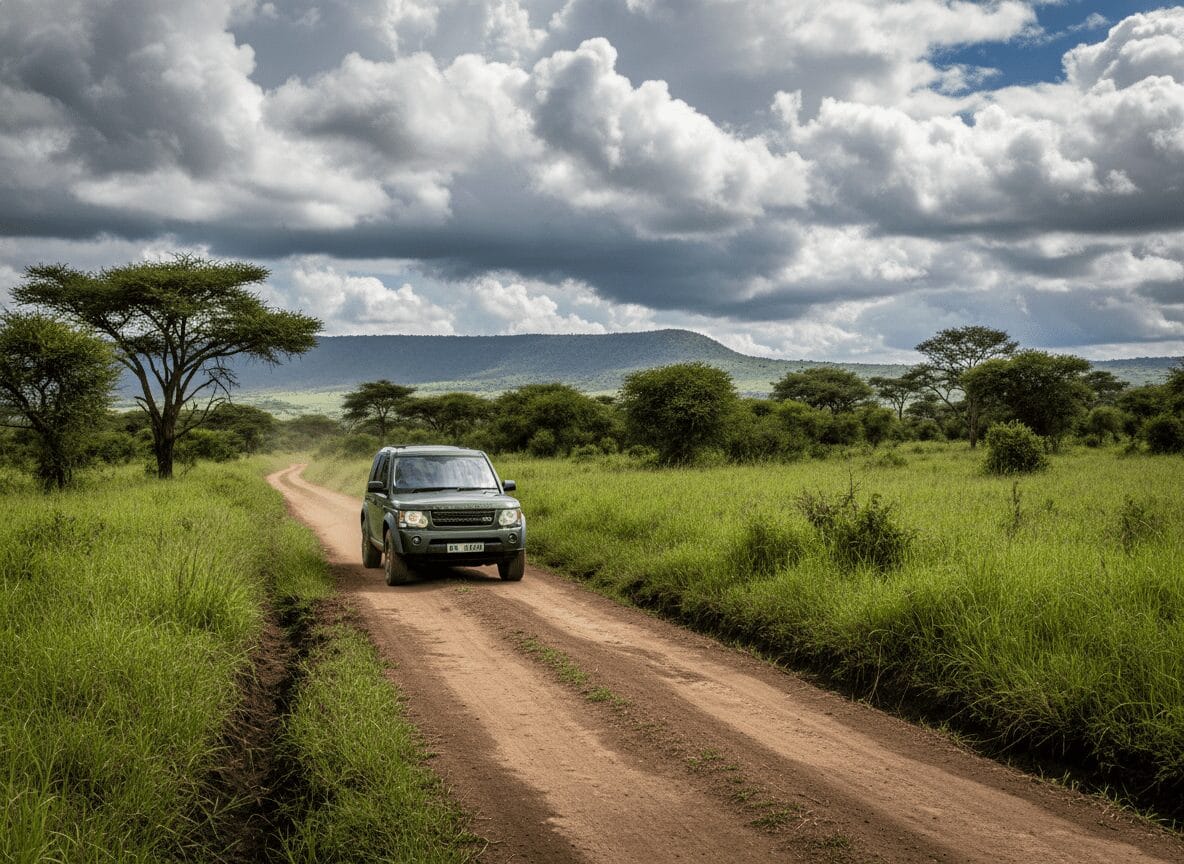
The Masai Mara National Reserve has an extensive road network developed over decades. In dry season (June–October, January–February), roads are firm and accessible. During the long rains (April–May), black cotton soil tracks in the reserve become difficult even for 4×4 vehicles. Off-road driving is not permitted anywhere in the national reserve.
Mara Triangle roads:
The Mara Triangle has fewer roads but better-maintained ones. The Mara Conservancy has invested consistently in road grading and maintenance. Visitors frequently note that Triangle roads hold up better during the rains. The Triangle also enforces vehicle conduct rules strictly – no circling wildlife repeatedly, no horn-honking, set closing hours at 7pm.
For travellers comparing masai mara zones, the Triangle’s road quality and stricter conduct enforcement translates to a higher-quality game viewing experience, particularly during peak season when vehicle density in the main reserve can be significant.
Masai Mara Triangle vs Reserve – Wildlife and Game Viewing
Both zones hold the full range of Masai Mara wildlife. The comparison in wildlife terms is about access and positioning, not species diversity.
Big cats:
Both zones deliver excellent big cat sightings. The Triangle’s Oloololo Escarpment area has well-documented lion prides and reliable cheetah sightings on the open plains. The main reserve’s central plains and Talek River area also have resident prides that guides know intimately.
The Great Migration and Mara River crossings:
This is where the mara triangle vs masai mara reserve comparison matters most for peak-season visitors.
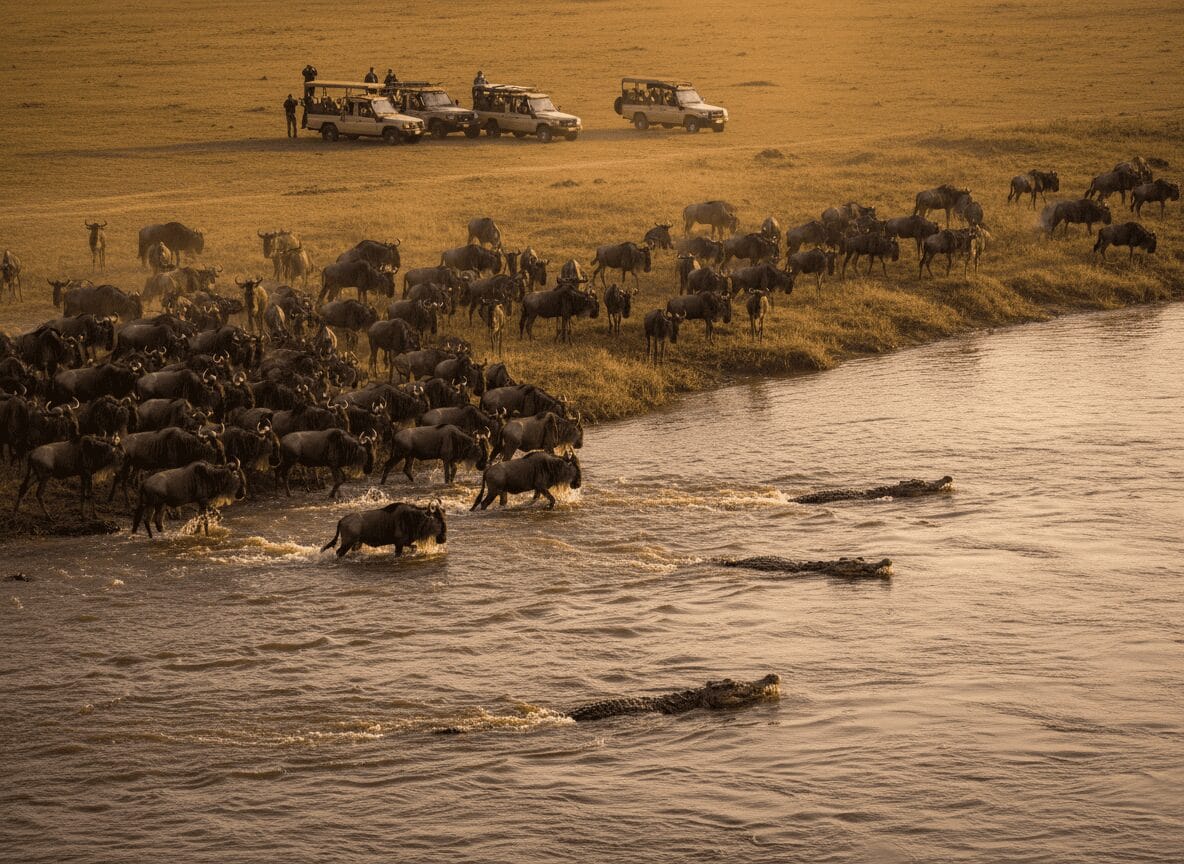
The Mara River runs along the eastern boundary of the Mara Triangle. The most famous wildebeest crossing points – Crossings 2, 5, 7, and the Lookout Hill area – sit either within the Triangle or directly on the boundary. Guides operating in the Triangle have direct, immediate access to these crossing sites. Camps in the Triangle can position vehicles at riverbank crossings before vehicles from the main reserve can arrive.
In practical terms: for migration season (July–October), staying in the Triangle gives you the best possible positioning for Mara River crossings.
Hippo and crocodile:
The Mara River inside the Triangle holds large hippo pods. This is one of the best areas in the entire Masai Mara for hippo observation and river-edge wildlife.
Mara Triangle vs Masai Mara Reserve – Crowd Levels
Crowd level is one of the most honest differentiators in the mara triangle masai mara comparison.
Main Reserve:
During peak migration season, vehicle concentrations at popular crossing sites in the main reserve can reach 40–60 vehicles. Popular predator sightings in the main reserve attract multiple vehicles quickly. This is the nature of a publicly managed reserve with multiple entry gates and no cap on daily visitor vehicles.
Mara Triangle:
The Triangle limits entry through a single main point (Oloololo Gate / Mara Bridge), and its road network naturally disperses vehicles more effectively. During peak season, you will still encounter other vehicles at crossings – this is unavoidable when the migration is in Kenya – but the Triangle consistently runs at lower vehicle density than the main reserve for equivalent wildlife sightings.
For travellers who value a quieter experience, the best side of masai mara for low-crowd game drives is the Triangle or – even better – one of the private conservancies bordering the reserve.
Mara Triangle vs Masai Mara Reserve – Camps and Accommodation
Main Reserve camps:
The widest selection of accommodation sits near the main reserve. Options range from budget tented camps near Sekenani and Talek gates through to mid-range and luxury properties across the central plains. The density of camps within and bordering the reserve gives travellers maximum price range flexibility.
Mara Triangle camps:
The Triangle has fewer but generally higher-quality properties. Camps in the Triangle tend toward the mid-range and luxury end of the market, reflecting the higher land cost and exclusivity positioning. River-view camps along the Mara River are a particular feature – several Triangle camps position guests with direct views across the river to crossing points.
For mara triangle game drives at dawn and dusk, staying within or immediately adjacent to the Triangle removes the time and access cost of driving from outside.
Mara Triangle or Masai Mara Reserve – Practical Entry and Fees
Entry fees:
Both zones charge the same non-resident park fee as part of the Masai Mara National Reserve structure – currently in the $80–$100/person/day range. The Mara Conservancy (Triangle) charges this fee at the Oloololo Gate, with the same pricing as Narok County gates.
Gates:
- Main Reserve: Sekenani Gate, Talek Gate, Sand River Gate, Ololaimutia Gate (multiple access points from different directions)
- Mara Triangle: Oloololo Gate (primary), Mara Bridge crossing from the main reserve interior
Travel time from Nairobi:
Both zones are accessed via Nairobi. The Mara Triangle adds approximately 30–60 minutes to the overland journey compared to entering at Sekenani Gate, as the Triangle sits further west.
Which Should You Choose – Mara Triangle or Masai Mara Reserve?
Choose the Mara Triangle if:
- You are visiting during migration season (July–October) and Mara River crossings are a priority
- You want lower vehicle density for wildlife sightings
- You prefer a camp with direct river access and crossing viewpoints
- Better road maintenance is important to you
- You value stricter game drive conduct from guides and vehicles
Choose the Main Masai Mara Reserve if:
- Accommodation budget flexibility is important – the reserve has the widest range of price points
- You are accessing from Nairobi and the shorter drive to Sekenani Gate is preferred
- You want access to the central plains and eastern game drive corridors (Talek River area, central Mara)
- You are visiting outside migration season when crossing-site positioning matters less
Consider combining both:
Many Trunktrails Safaris itineraries position clients in the main reserve for the first night (closer gate) then transit through to a Triangle or conservancy camp for deeper game drive access. A single 4–5 night stay covering both zones gives you the full spectrum of Masai Mara game viewing.
Ready to Plan Your Kenya Safari? Talk to Trunktrails Safaris
Trunktrails Safaris designs tailor-made tours and safaris for every traveller and every budget. From green-season adventures to private luxury camps, our tours and safaris are built by a Nairobi-based team that speaks to you directly, not through a call centre. Most WhatsApp enquiries about our Kenya tours and safaris get a reply from Trunktrails Safaris within the hour.
WhatsApp: +254 113 208888
Email: info@trunktrailssafaris.com
Website: https://trunktrailssafaris.com
TRA Licensed | Native Kenyan Owned | Conservation First | 24/7 Support