Safari Game Drive Operations in Kenya: How Fuel Costs Shape What You Experience on Safari
Fuel is the invisible force running through every Kenya safari. It fills the tank of the Land Cruiser that carries you to a lion pride at 06:00. It powers the generator that keeps your remote lodge running when the grid ends 300 kilometres back. And when global oil prices spike, it reshapes decisions that operators make long before you arrive: how many drives to schedule, which routes are viable, and what vehicle to put under you.
This is Blog 3 in Trunktrails Safaris’ ten-part series on the cost of fuel and how it affects Kenya tourism. Here we go deep on safari game drive operations – the moving parts that wildlife enthusiasts and serious safari planners deserve to understand before they book.
At Trunktrails Safaris, we believe the most trust-worthy operators are the ones who show their workings. So here are ours.
What Does a Safari Game Drive Actually Cost to Run?
Most travellers see a per-person day rate and assume it covers the guide and the park fees. The fuel bill is rarely visible – but it is significant. 🌍
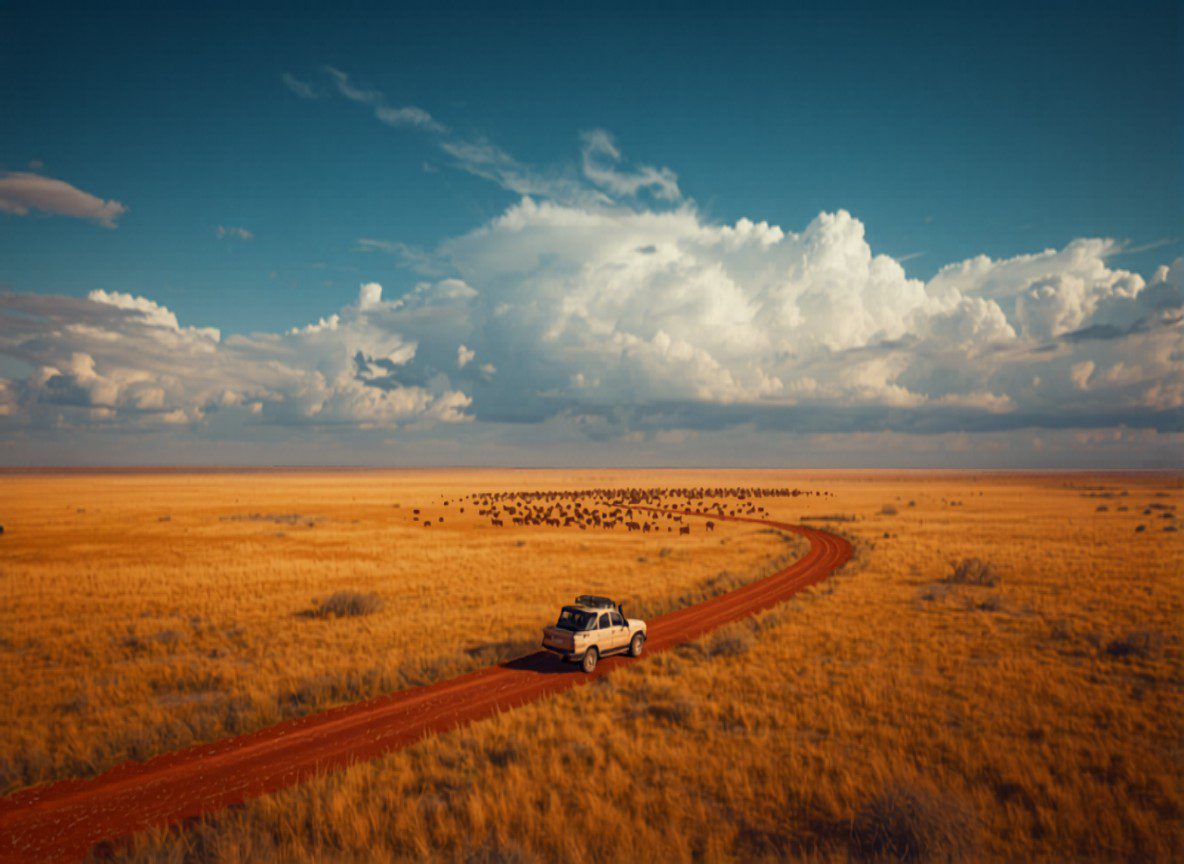
A standard Kenya safari game drive in the Masai Mara covers 80-150 kilometres in a single day. A Toyota Land Cruiser running a modified, pop-up roof configuration consumes roughly 12-15 litres of diesel per 100 kilometres on bush tracks. At current Kenyan diesel prices (hovering around KSh 180-190 per litre as of mid-2026, following EPRA bi-monthly reviews), a single full-day drive costs an operator between KSh 1,700 and KSh 4,300 in fuel alone – before salaries, park fees, vehicle depreciation, or lodge transfers.
That cost is higher for remote northern parks. A game drive in Samburu or the Mathews Range can cover 60-100 kilometres of corrugated murram track at lower speeds, with far higher fuel consumption per kilometre than sealed Mara circuits.
Kenya diesel prices are regulated by the Energy and Petroleum Regulatory Authority (EPRA), which publishes bi-monthly pump price adjustments. Operators who track the EPRA calendar can anticipate cost shifts and plan fuel procurement accordingly.
Operators who run lean absorb this quietly. Operators who run transparently factor it into the quote you see.
How Many Game Drives Per Day on Safari – and Why Fuel Shapes That Answer
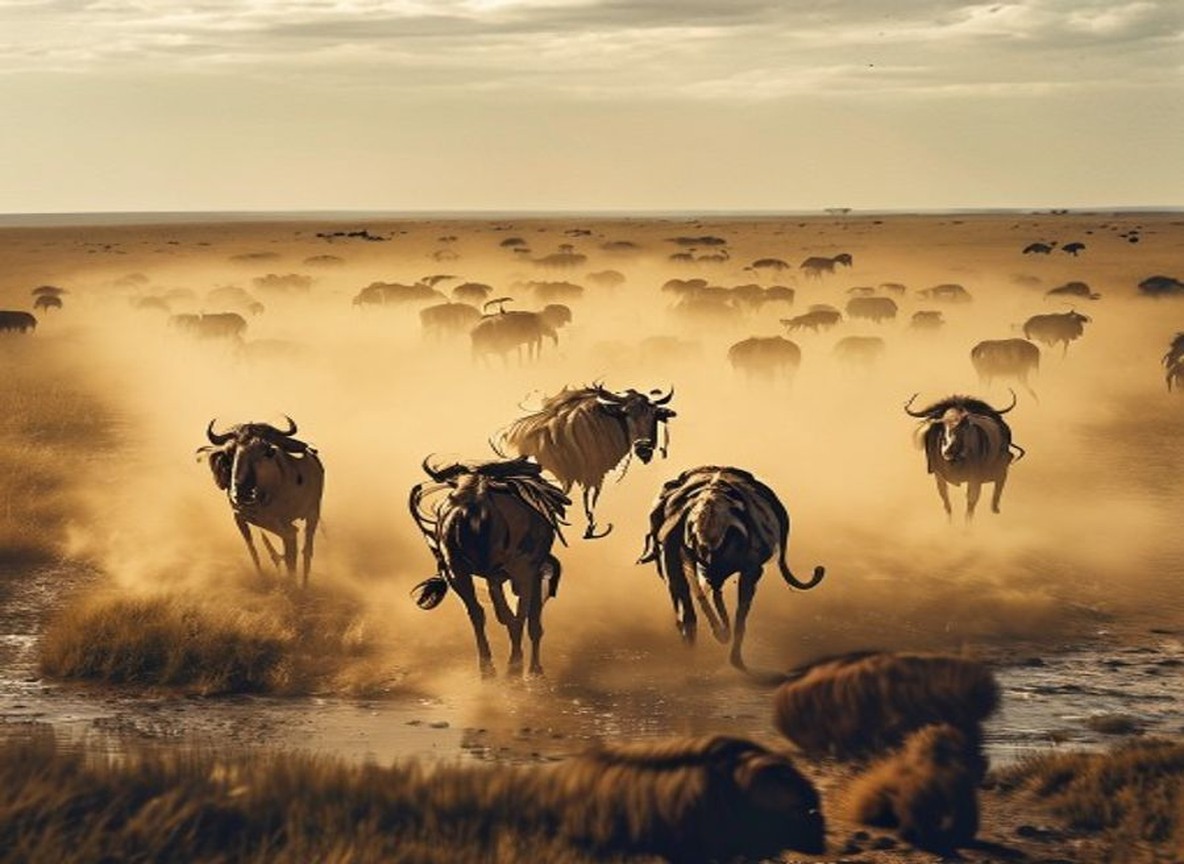
The standard model for most Kenya safari camps is two drives per day: an early morning departure between 06:00 and 06:30, returning for breakfast by 10:00-10:30, followed by an afternoon drive departing at 15:30-16:00 and returning before dusk around 18:30.
That model adds up to roughly 4-5 hours in the vehicle each day across 100-160 kilometres of driving.
When fuel costs rise sharply, less well-capitalised operators begin to compress that schedule. The afternoon drive shortens. The morning drive departs later to save the coldest, most fuel-hungry engine-warm-up hours. Some operators in mid-range camps quietly drop the “full-day” option from their roster.
| Drive Type | Typical Duration | Estimated Distance | Fuel Cost (KSh) |
|---|---|---|---|
| Morning half-day drive | 4 hrs | 60-80 km | KSh 1,000-1,800 |
| Afternoon half-day drive | 3 hrs | 40-60 km | KSh 700-1,300 |
| Full-day drive with bush lunch | 8-10 hrs | 120-180 km | KSh 2,000-3,900 |
| Night drive (conservancy only) | 2.5 hrs | 35-50 km | KSh 600-1,100 |
Fuel estimates based on KSh 185/litre diesel, 14L/100km average consumption, Masai Mara conditions.
At Trunktrails Safaris, the morning and afternoon drive schedule is locked. It does not flex with fuel prices. We plan fuel costs into our operating budget quarterly, not reactively.
Which Vehicle Types Do Kenya Operators Use – and Does It Matter?
The question “does the type of vehicle matter for game drives?” comes up constantly, and the answer is yes – in ways that go beyond comfort.
Toyota Land Cruiser 78 Series (troopcarrier / pop-top) The workhorse of Kenya safari game drives. Extended wheelbase, high ground clearance, diesel engine, seating for 6-8 with pop-up roof. Fuel consumption: 13-15L/100km on bush tracks. Preferred by operators in the Masai Mara, Amboseli, and Samburu. The diesel engine handles varied terrain well and holds up across high-mileage bush seasons.
Toyota Land Cruiser 200 Series (luxury saloon conversion) Used by high-end operators and fly-in camps. Lower fuel consumption on maintained murram roads (10-12L/100km), but less capable on deep sand or erosion channels. Chosen for comfort on shorter, lodge-circuit drives.
Land Rover Defender 110 Historically popular, now rarer in Kenya as parts availability and maintenance costs have increased relative to Toyota. Higher per-kilometre maintenance cost than Land Cruiser – an indirect fuel-equivalent pressure on operators.
Extended Minivans (converted) Common in budget group safari tours departing Nairobi. Lower purchase cost, but higher fuel consumption per kilometre than a Land Cruiser on rough tracks and less wildlife-viewing height advantage. These tend to cluster near park gates rather than pushing deep into wilderness circuits.
The vehicle type you ride in tells you something about the operator’s economics and their commitment to kenya safari game drive quality. A serious operator running Land Cruisers in good mechanical condition has made a deliberate, higher-cost choice that pays off in reliability, access, and your viewing angle from the pop-up roof. 📸
How Route Planning Changes When Fuel Prices Rise
Route planning is where fuel economics become most visible – or most invisible – to the traveller.
A full Masai Mara circuit can range from a tight 60-kilometre loop around the main reserve to an 180-kilometre cross-ecosystem drive into the Mara Triangle, down to the Mara River crossings at Serena or Musiara, and back via the conservancy boundary. The longer route delivers more diverse habitat, more predator sightings in less-trafficked areas, and a very different experience from the shorter loop. For a full breakdown of what the Masai Mara offers across different seasons and areas, see our Maasai Mara National Reserve guide.
When fuel costs climb, operators who price their tours at a fixed flat rate face a margin squeeze. The response, in many cases, is to shorten the route. Not because the guide doesn’t know the longer circuit, but because 80 additional kilometres of diesel was not built into the margin.
What good operators do instead:
- Price tours honestly with a fuel variable declared upfront
- Run fewer vehicles per day rather than cutting route distance
- Partner with community conservancies that allow extended circuits as part of the concession fee – reducing out-of-pocket fuel per additional kilometre
- Use morning light (06:00-09:30) aggressively, when wildlife is active and closer to water sources, reducing total distance needed for quality sightings 🦁
At Trunktrails Safaris, we design routes around wildlife calendars first, fuel economics second. Our guides pre-position vehicles near water sources and migration corridors based on season – which means shorter distances to the best sightings, not longer scrambles across empty plains.
How Remote Lodges Manage Fuel Logistics in Kenya
Beyond the game drive vehicle, fuel is a critical supply challenge for remote lodges. This is a dimension most travellers never see.
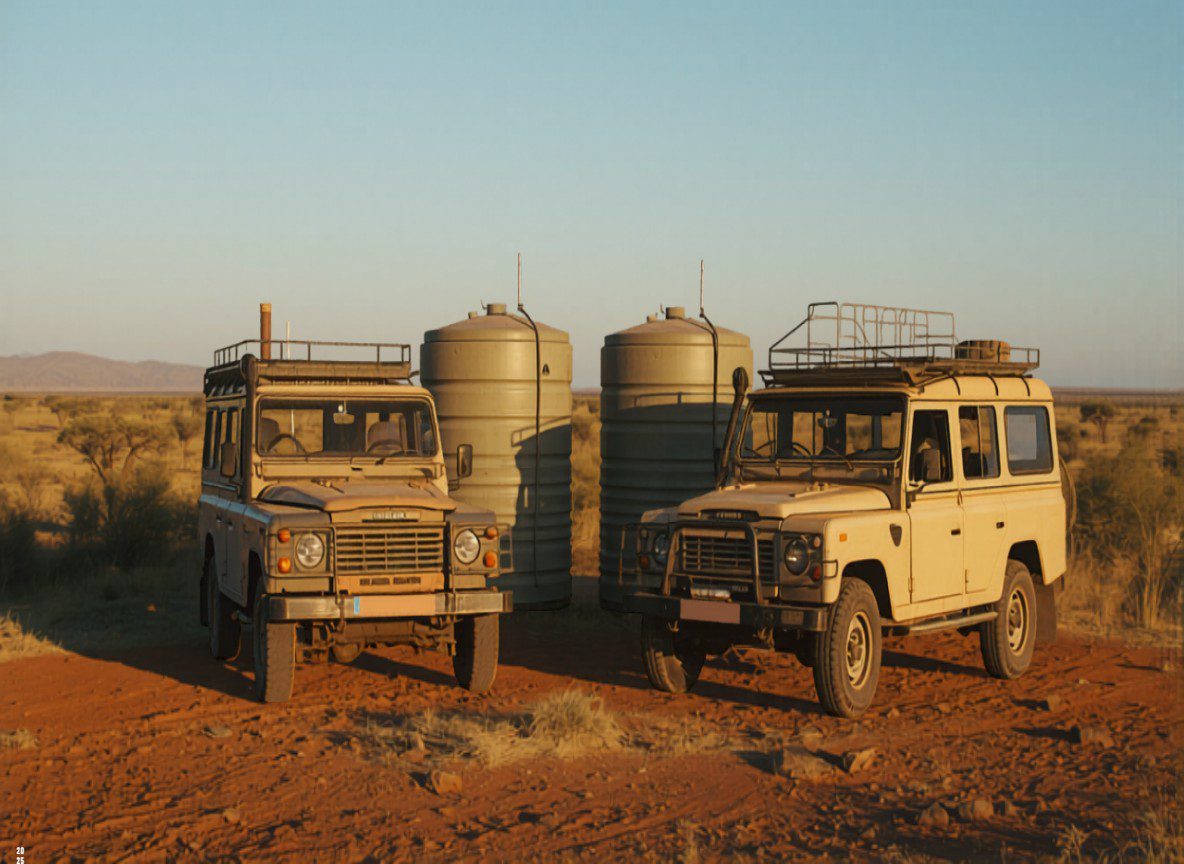
Lodges in Laikipia, northern Samburu, the Mathews Range, and around Lake Turkana receive fuel by road supply – diesel for generators, kitchen equipment, water pumps, and laundry systems. A mid-size lodge running 10-20 guests might consume 100-150 litres of diesel per day for facilities alone. When fuel prices spike, that translates directly to lodge operating costs.
How quality operators manage this:
- Bulk fuel storage: Remote camps hold 3,000-10,000-litre reserve tanks, purchased in bulk during EPRA-announced price holds to smooth cost volatility.
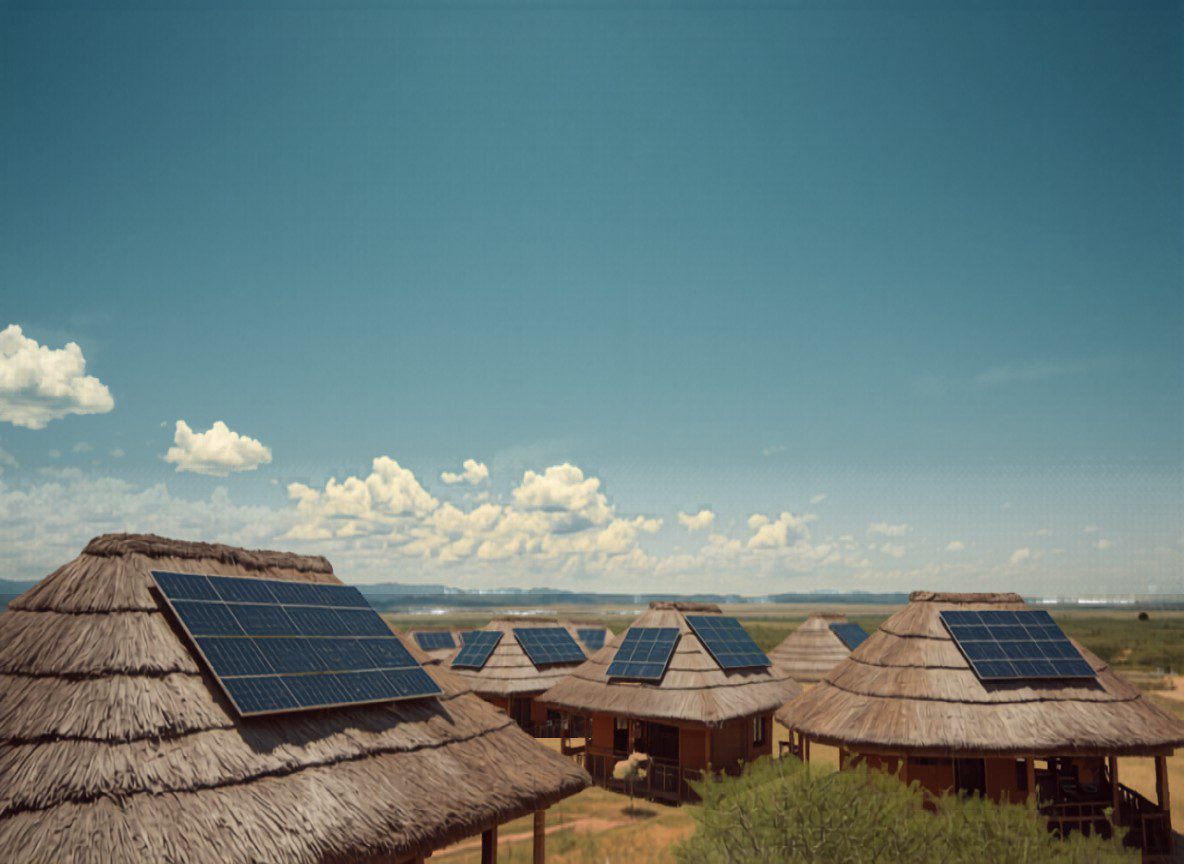
- Solar integration: Newer camps, particularly in Laikipia and northern Kenya, have invested in solar arrays that reduce generator dependency by 40-70%. This makes them substantially less exposed to fuel price swings.
- Gravity-fed water systems: Camps positioned near elevated water sources use gravity rather than diesel pumps – an infrastructure decision that reduces fuel dependency significantly.
- Fly-in logistics optimisation: Fly-in camps near Samburu or Lewa airstrips coordinate supply deliveries to coincide with aircraft arrival days, reducing the frequency of road supply runs.
The difference between a camp that has planned for fuel volatility and one that has not shows up in subtle ways: the generator that cuts out at 21:00, the water that runs cold, the safari schedule that contracts without explanation.
The Trunktrails Advantage: Fuel-Smart Operations, Wildlife-First Outcomes
At Trunktrails Safaris, fuel economics are a planning input, not a reactive problem. Here is what that means in practice for your tours and safaris:
We run full Land Cruiser fleets, maintained in Nairobi. Our vehicles are serviced on fixed-kilometre schedules, not when something breaks. A well-maintained diesel engine runs more efficiently and more reliably – which means your game drive departs on time, every morning.
We price fuel into your safari transparently. Our quotes reflect actual operating costs. We do not offer suspiciously cheap per-day rates and then compress your driving schedule to protect margin.
We partner with community conservancies across the Masai Mara ecosystem. Conservancy access allows extended route circuits – including areas closed to standard park vehicles – without paying additional per-kilometre fuel premiums. Your tours and safaris access more habitat for the same vehicle cost.
We pre-plan routes seasonally. Our Nairobi-based team tracks wildlife movement patterns across parks, consulting with guides on the ground. That intelligence means shorter distances to significant sightings, not longer fuel burns chasing empty ground.
5% of every booking funds wildlife conservation. That includes infrastructure at community conservancies that directly improves habitat corridor integrity – and long-term access for future game drives.
We are -certified and. We have been running tours and safaris in Kenya since our founding, and fuel management is one of the operational disciplines that separates operators who last from operators who cut corners.
What This Means for Your Safari Planning
If you are planning a Kenya safari and want to understand what you are actually getting, ask these questions before you book:
- How many game drives are included per day, and how long is each one?
- What vehicle type will I be in, and what is the seating configuration?
- Does the route include conservancy access, or is it limited to the main park circuit?
- How does the operator handle fuel surcharges if prices rise between deposit and travel?
These are not awkward questions. They are the questions that distinguish a serious safari from a package assembled on the thinnest possible margin. ✨
Operators who know their craft answer these directly. Operators who do not tend to deflect into brochure language about “unforgettable experiences.”
At Trunktrails Safaris, we answer all four – and we welcome the follow-up questions. If you want to understand how fuel costs shaped the invoice on your last safari, our guide to Kenya safari fuel surcharges breaks that down in plain language. And if you are comparing what different Kenya safari tours and packages include at different price points, that guide is the right next read.
Frequently Asked Questions: Fuel Costs and Game Drive Operations in Kenya
How many game drives per day does a Kenya safari typically include? Most camps run two game drives per day: a morning drive (departing 06:00-06:30, returning by 10:30) and an afternoon drive (departing 15:30-16:00, returning by dusk). Full-day drives with a bush lunch are available at select camps. Trunktrails Safaris runs both drives on every safari day – that schedule does not compress with fuel price fluctuations.
Does fuel cost affect how long my game drives are? It can – and often does at operators who price their tours on thin margins. When diesel prices spike, some operators shorten afternoon drives or delay morning departures to reduce fuel consumption. Trunktrails Safaris builds quarterly fuel budgets so your drive schedule is fixed regardless of EPRA price movements.
What vehicle type is best for a Kenya safari game drive? The Toyota Land Cruiser 78 Series (troopcarrier with pop-up roof) is the gold standard for Kenya bush conditions. It offers the ground clearance, seating configuration, and diesel efficiency needed for full-day drives across varied terrain. Trunktrails Safaris runs Land Cruisers as its primary safari vehicle across all parks.
How do remote camps in Kenya manage fuel supply? Camps in Laikipia, northern Samburu, and the Mathews Range receive diesel by road supply and store it in on-site tanks (3,000-10,000 litres). Quality operators invest in solar arrays to reduce generator dependency by 40-70%, which insulates them from fuel price volatility and improves your experience on the ground.
How do I know if fuel costs are included in my safari quote? Ask directly. A transparent operator will confirm whether their per-day rate is all-in or whether fuel surcharges apply separately. To understand what to look for in a safari invoice, contact Trunktrails Safaris on WhatsApp: +254 113 208888 or email info@trunktrailssafaris.com.
Further reading
More safari planning resources
- Nairobi to Maasai Mara route guide from Valley Safaris
- Best safaris in Kenya on Touring Insights
- Compare Kenya safari packages on FindMySafari
- Interactive Maasai Mara map from Valley Safaris
Ready to Plan Your Kenya Safari Game Drive with Trunktrails Safaris?
You have done the research. You understand what drives quality on a safari game drive in Kenya. The next step is a direct conversation with an operator who runs exactly the kind of programme this blog describes.
At Trunktrails Safaris, we design every safari around your dates, the wildlife calendar, and what matters most to you as a traveller. No shared minivans. No compressed routes. Just a private Land Cruiser, a -certified guide, and a team that has been planning Kenya tours and safaris since before fuel surcharges became a conversation.
WhatsApp Micah directly: +254 113 208888 Email: info@trunktrailssafaris.com Website: https://trunktrailssafaris.com