
Great Migration vs Resident Wildlife in the Masai Mara: Two Different Safari Stories
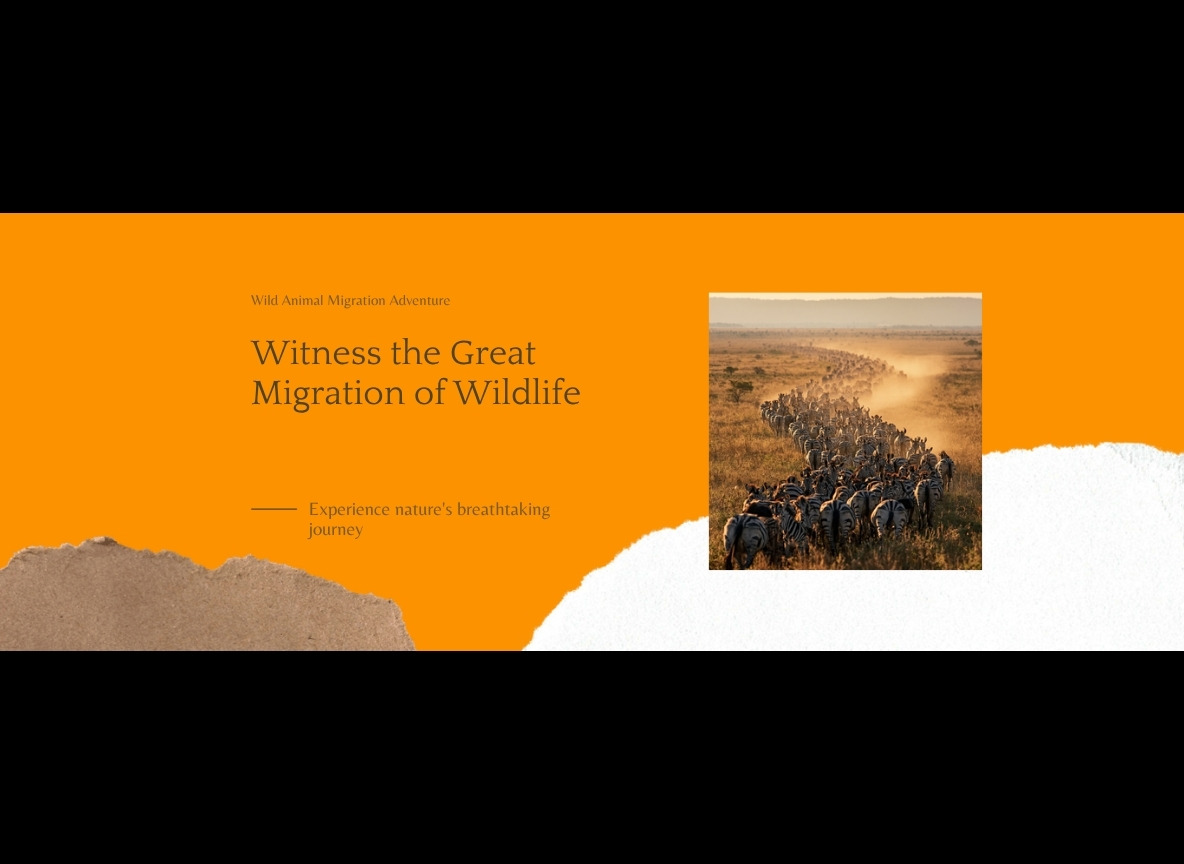
The great migration is loud and dusty in July. The resident Mara turns quieter and greener in February. That is the great migration vs resident wildlife masai mara choice, stripped of brochure hype.
This is where Trunktrails Safaris helps clients avoid the wrong fit. We are Nairobi-based and Kenyan-owned. Our guides know when a specialist activity genuinely adds depth and when it is just a glossy add-on. That matters if you want the safari to feel right, not merely busy.
Here is how Trunktrails Safaris breaks down the great migration vs resident wildlife masai mara choice for travellers.
What Is the Great Migration in the Masai Mara
The Great Migration is the annual movement of over 1.5 million wildebeest, 500,000 zebra, and hundreds of thousands of Thomson’s gazelle in a circular clockwise pattern across the Mara-Serengeti ecosystem.
The masai mara great migration wildlife story is specifically the Kenya chapter of this year-round movement:
- July-August: Herds cross from Tanzania into Kenya, reaching the Mara River. The famous river crossings – wildebeest plunging through crocodile-filled water – occur here.
- August-October: Peak season. Herds graze the Masai Mara plains, crossings continue, predator activity intensifies.
- October-November: Herds begin returning south as short rains start.
The great migration wildebeest masai mara presence is temporary – roughly 4-5 months when the full herds are in Kenya. For the rest of the year, the wildebeest are in Tanzania.
What Is the Masai Mara Resident Wildlife
Masai mara resident wildlife refers to the 95+ species of mammals and 450+ bird species that are permanently present in the Masai Mara ecosystem year-round – whether the wildebeest herds are there or not.
The masai mara permanent residents include some of the most sought-after wildlife in Africa:
Big cats (year-round):
- Lions – multiple resident prides, year-round presence, some of the most studied lion populations on earth
- Leopards – riverine forest along the Mara and Talek rivers, present every month
- Cheetahs – open plains sightings, year-round, particularly good visibility in short-grass dry season months
Large mammals (year-round):
- African elephant – large herds, Mara River forests and Oloololo Escarpment, year-round
- Cape buffalo – enormous herds on the plains, year-round
- Hippo – Mara River hippo pools, permanent residents
- Giraffe (Masai) – iconic, year-round
- Zebra (plains) – resident herds supplemented by migration zebra in season
- Warthog, baboon, vervet monkey – year-round
- Spotted hyena – permanent residents, nocturnal and active at dawn
Specialist and rare residents:
- Caracal – rare, present year-round
- Serval – present year-round, best seen at night in conservancies
- African wild dog – occasional, not permanent but periodically sighted
- Black-backed jackal – common, year-round
Great Migration Wildlife vs Resident Wildlife – Direct Comparison
| Factor | Great Migration (Jul-Oct) | Resident Wildlife (Year-Round) |
|---|---|---|
| Wildebeest herds | 1.5 million+ | None (or very small numbers) |
| Zebra | Migration herds + residents | Resident herds |
| Mara River crossings | Yes | No |
| Lion activity | Intensified by available prey | Excellent year-round |
| Cheetah activity | Excellent | Excellent (often better without crowds) |
| Leopard activity | Excellent | Excellent |
| Elephant | Excellent | Excellent |
| Predator action | Maximum | Very good |
| Biomass spectacle | Extraordinary | Absent |
| Intimacy and atmosphere | Can be crowded | Calmer, more intimate |
| Photography | Dramatic action | Cleaner, more intimate |
Migration vs Resident Wildlife in the Mara
The migration is a seasonal visitor (July to October); the Mara’s resident wildlife lives there all year. Knowing the difference saves a mistimed trip.
| Factor | Great Migration | Resident wildlife |
|---|---|---|
| When | Jul-Oct | Year-round |
| Star sighting | River crossings, vast herds | Lions, leopards, cheetahs, elephants |
| Reserve fee | $200 (high) | $100 in green months |
| Crowds | Peak | Lower outside Jul-Oct |
| Best for | Spectacle seekers | Big-cat and value seekers |
The migration is unforgettable, but the Mara’s resident predators are why it is rated Africa’s top big-cat reserve, and they perform every month of the year.
Masai Mara Animals Without Migration – Is It Worth It
The masai mara animals without migration question deserves a clear answer.
The masai mara wildlife year round is genuinely exceptional. A non-migration season safari in the Masai Mara – say, January or June – still delivers:
- Daily lion sightings (often multiple prides)
- Regular cheetah sightings, often with extended viewing time due to lower vehicle density
- Good to excellent leopard sightings
- Elephant herds at the Mara River
- Hippo pools
- Enormous buffalo herds
- Hundreds of birds
For travellers asking what to see masai mara without migration, the honest answer is: everything that makes the Masai Mara one of Africa’s top safari destinations, minus the wildebeest herds and river crossings. That is a significant subtraction for some travellers – and a minor one for others.
Masai Mara Wildlife Month by Month – Simplified Guide
The masai mara wildlife month by month story:
January-February: Calving season on southern plains (just south of Mara), intense predator activity. Resident wildlife at peak dry-season visibility. Excellent.
March: Long rains beginning. Landscape transitions from golden to green. Wildlife moves into wet season patterns. Good.
April-May: Long rains. Wildlife dispersed, roads difficult. Lower quality period.
June: Rains ending. Landscape vivid green. Zebra herds arriving. Good and building.
July: First wildebeest arrive. Mara River crossings beginning. Migration season starts.
August: Peak migration season. River crossings at maximum. Extraordinary.
September: Migration continues. Herds dispersed across plains, crossings decreasing.
October: Final crossings. Herds beginning south return. Excellent resident wildlife.
November: Short rains. Herds gone. Green landscape. Excellent resident wildlife, low crowds.
December: Short dry season begins. Good conditions, moderately priced.
What Drives Your Safari Dates – Migration or Residents
The choice between planning around the great migration masai mara animals or the resident wildlife masai mara depends on your priorities.
Plan around the Great Migration if:
- Witnessing Mara River crossings is on your bucket list
- You want the maximum wildlife biomass and the drama of predator-prey at scale
- You are only going to the Masai Mara once and want the full spectacle
- July-October works with your travel dates
Plan around resident wildlife if:
- Big cats – lions, leopards, cheetahs – are your primary focus
- Budget matters – non-migration season rates are substantially lower
- You prefer fewer vehicles at sightings
- Your travel window falls outside July-October
- You are a returning visitor looking for a different experience
The masai mara is one of the few places on earth where either choice is objectively excellent. The resident wildlife alone would make this a world-class safari destination – the migration is simply a bonus of extraordinary scale.
Further reading
More safari planning resources
- Wildebeest migration route map from Valley Safaris
- Mara River crossing guide on Touring Insights
- Great Migration safari collection on FindMySafari
- Interactive Maasai Mara map from Valley Safaris
Ready to Plan Your Kenya Safari? Talk to Trunktrails Safaris
Trunktrails Safaris designs tailor-made tours and safaris for every traveller and every budget. From green-season adventures to private luxury camps, our tours and safaris are built by a Nairobi-based team that speaks to you directly, not through a call centre. Most WhatsApp enquiries about our Kenya tours and safaris get a reply from Trunktrails Safaris within the hour.
📞 WhatsApp: +254 113 208888 📧 Email: info@trunktrailssafaris.com 🌍 Website: https://trunktrailssafaris.com
✅ | Native Kenyan Owned | Conservation First | 24/7 Support